

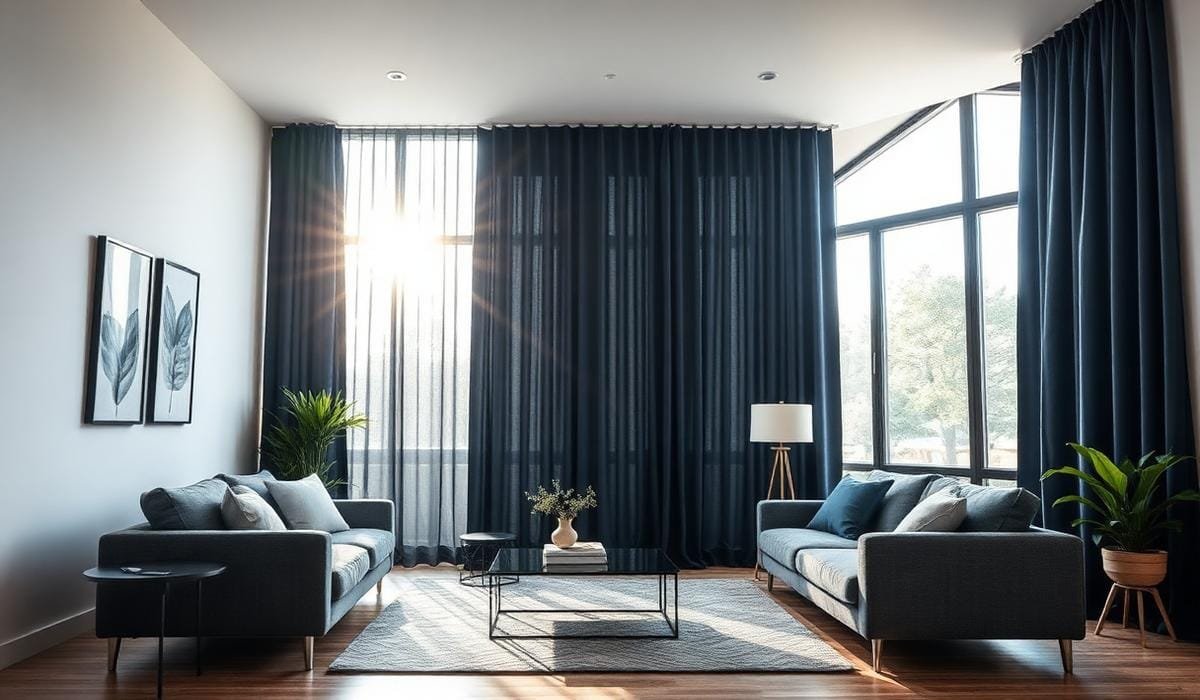
TL;DR
Yes, blackout curtains can keep a significant amount of heat out, especially when they have a thermal backing and fit closely around the window. They work by blocking sunlight, reducing radiant heat, and adding an insulating layer, though they perform best when paired with well-sealed windows.
Introduction
Sunlight pouring through a window can raise the temperature of a room faster than many people expect. During summer, uncovered glass acts like a heat collector, making air conditioners work harder and increasing electricity bills.
Many homeowners ask whether blackout curtains are only for blocking light or if they can actually lower indoor temperatures. The answer depends on the curtain’s materials, installation, and the type of window behind it. This article explains how blackout curtains work, where they make the biggest difference, and what to expect before buying a set.
How Blackout Curtains Reduce Indoor Heat
Blackout curtains do more than darken a bedroom. High-quality versions combine tightly woven fabric with a foam or acrylic backing that slows heat transfer through the window. The result is a cooler indoor environment during hot afternoons.
Glass is one of the weakest insulating surfaces in most homes. The U.S. Department of Energy has long noted that windows account for a significant share of unwanted heat gain during summer. Covering them with insulating window treatments reduces that heat before it spreads through the room.
What actually blocks the heat?
- Thick, multi-layer fabric reduces radiant heat from direct sunlight.
- Light-colored curtain linings reflect more solar energy than dark linings.
- Thermal backings slow conductive heat transfer through the glass.
- Curtains installed close to the wall trap warm air between the fabric and the window.
A homeowner in Phoenix, Arizona replaced thin decorative curtains with thermal blackout curtains after struggling with west-facing windows. Afternoon room temperatures dropped noticeably, and the air conditioner cycled less often during peak summer hours. The improvement came from limiting direct solar gain rather than changing the outdoor temperature.
What Makes Some Blackout Curtains Work Better Than Others
Not every blackout curtain performs the same. Marketing labels can be misleading because “blackout” often refers only to light blocking rather than thermal insulation.
Premium brands such as IKEA, Nicetown, Deconovo, and Sun Zero offer thermal collections that include insulating layers in addition to blackout fabric. Products with multiple layers usually outperform single-layer curtains in both heat reduction and winter insulation.
Features that improve performance
- Triple-weave polyester construction
- Foam or acrylic thermal backing
- Floor-to-ceiling length
- Curtains extending 4 to 8 inches beyond the window frame
- Wraparound curtain rods that reduce side gaps
Curtains with noticeable gaps around the edges allow warm air to circulate freely. Even expensive fabrics lose much of their insulating value if sunlight slips around the sides throughout the afternoon.
The season also matters. During summer, closing blackout curtains before direct sunlight reaches the window produces better results than waiting until the room already feels hot.
Blackout Curtains vs Other Window Treatments
Many homeowners compare blackout curtains with blinds, shades, window films, and cellular shades. Each solution manages heat differently, and the right choice depends on budget, climate, and the room’s purpose.
Honeycomb cellular shades are widely regarded as one of the most energy-efficient interior window coverings because their air pockets slow heat transfer. Blackout curtains add another layer of insulation when used together with cellular shades.
Comparing common options
- Blackout curtains block light and reduce radiant heat.
- Cellular shades provide stronger insulation in many climates.
- Solar shades reduce glare while preserving outdoor views.
- Reflective window films reject solar heat before it enters the room.
- Wooden blinds offer privacy but leave air gaps between slats.
Interior designer Emily Henderson often recommends layering window treatments in bright living spaces. Combining blackout curtains with shades improves temperature control while giving homeowners flexibility throughout the day.
A family renovating a home in Dallas, Texas installed solar film together with thermal blackout curtains in south-facing bedrooms. Their cooling costs fell during the hottest months, and afternoon rooms stayed more comfortable without replacing the windows.
When Blackout Curtains May Not Be Enough
Blackout curtains reduce heat, but they cannot solve every comfort problem. Older homes with single-pane windows, poor insulation, or air leaks still lose energy even with high-quality curtains installed.
Large picture windows facing west receive intense afternoon sunlight. In those situations, curtains reduce indoor temperatures, yet outdoor heat continues warming the glass itself. Other building improvements may produce larger energy savings.
Situations where results are limited
- Single-pane windows with poor insulation
- Damaged weatherstripping around window frames
- Skylights without shading
- Large glass doors exposed to direct afternoon sun
- Curtains left open during the hottest part of the day
The International Energy Agency continues to highlight better building envelopes as one of the most effective ways to reduce residential energy use. Curtains help, though they work best alongside efficient windows and proper insulation.
Choosing the Right Blackout Curtains for Your Home
Buying the cheapest blackout curtain often leads to disappointment. Thickness alone does not guarantee better insulation. Fabric construction, fit, and installation all influence real performance.
Measure the window carefully before ordering. Curtains should extend beyond the frame and touch or nearly touch the floor. Small details like rod placement often separate average results from excellent ones.
Shopping considerations
- Polyester blends usually provide strong durability and insulation.
- Neutral or white linings reflect more sunlight.
- Grommet and rod-pocket styles both work well if installed correctly.
- Standard panels range from 52 to 54 inches wide.
- Quality thermal blackout curtains often cost between $30 and $120 per pair, depending on size and brand.
Retailers such as IKEA, Pottery Barn, West Elm, Target, and Amazon carry options for different budgets. Premium collections often include certifications such as OEKO-TEX Standard 100, showing the fabrics have been tested for certain harmful substances.
Homes in warmer regions such as Florida, Texas, southern Spain, and parts of Australia often benefit more from thermal blackout curtains because cooling costs remain high through much of the year.
Wrap Up
Blackout curtains can keep a meaningful amount of heat out when they include thermal insulation and fit tightly around the window. Their biggest strength comes from reducing solar heat before it spreads through the room. Pairing them with efficient windows, good weather sealing, or cellular shades produces even better comfort and lower cooling costs. Choosing the right materials and closing the curtains before strong sunlight arrives delivers the strongest results.
FAQs Section
Do blackout curtains really lower room temperature?
Yes. Thermal blackout curtains reduce solar heat entering through windows, which can help rooms stay cooler, especially during sunny afternoons.
Are thermal curtains better than regular blackout curtains?
Yes. Thermal curtains include insulating layers designed to slow heat transfer, while some standard blackout curtains focus mainly on blocking light.
Should blackout curtains stay closed all day in summer?
Keeping them closed during periods of direct sunlight provides the greatest cooling benefit. Opening them once the sun has moved away allows more natural light without adding as much heat.

vidIQ