

TL;DR
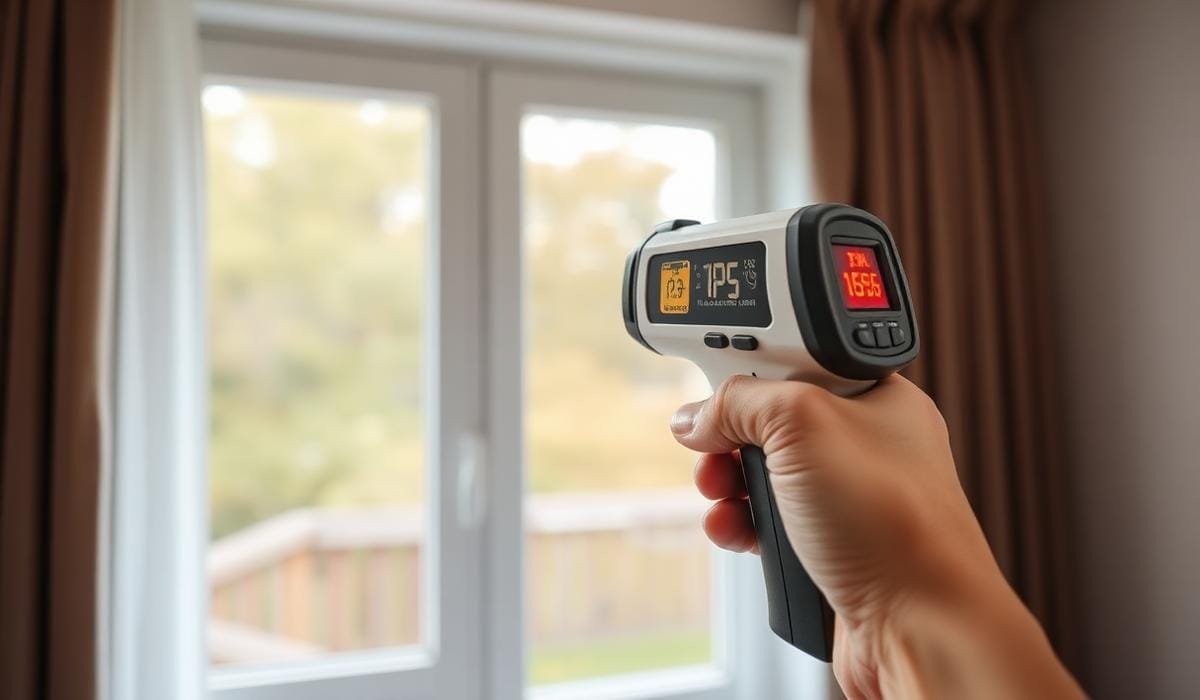
Blackout curtains can reduce heat entering through sunny windows, especially when they have a dense weave, thermal backing, light-colored outer face, and a close fit. They won’t cool a room like an air conditioner, but they can lower solar heat gain, improve comfort, and reduce the time a cooling system needs to run.
Introduction
Why does a room stay hot after the air conditioner has been running? Sunlight passes through glass and warms floors, furniture, walls, and indoor air. The answer to “do blackout curtains help with heat” is yes, but fabric, installation, window direction, and timing decide the result. A thick curtain hung badly may perform worse than a modest panel fitted close to the frame.
How Blackout Curtains Reduce Solar Heat Indoors
Blackout curtains work by blocking direct light and limiting the amount of solar energy that reaches indoor surfaces. Once sunlight heats a dark sofa, timber floor, or painted wall, those surfaces release warmth back into the room. Closing the curtain before the sun reaches the glass interrupts part of that cycle and keeps the hottest air closer to the window.
Tests on medium-colored draperies with a white backing have shown heat-gain reductions of about 33 percent in suitable conditions. Results vary because “blackout” describes light control, not a fixed insulation rating. A single polyester layer may darken a bedroom well, while a foam-backed or triple-weave curtain usually does more against summer heat.
- A dense weave blocks more light and slows radiant heat transfer better than thin decorative fabric.
- White or pale backing reflects more sunlight toward the glass than a dark outward-facing surface.
- Thermal foam, acrylic coating, or bonded lining adds resistance, though it can make the panel stiffer.
- IKEA BENGTA and NICETOWN thermal blackout panels show how budget products combine light blocking with coated or layered fabric.
Fabric, Color, and Fit Decide the Real Result
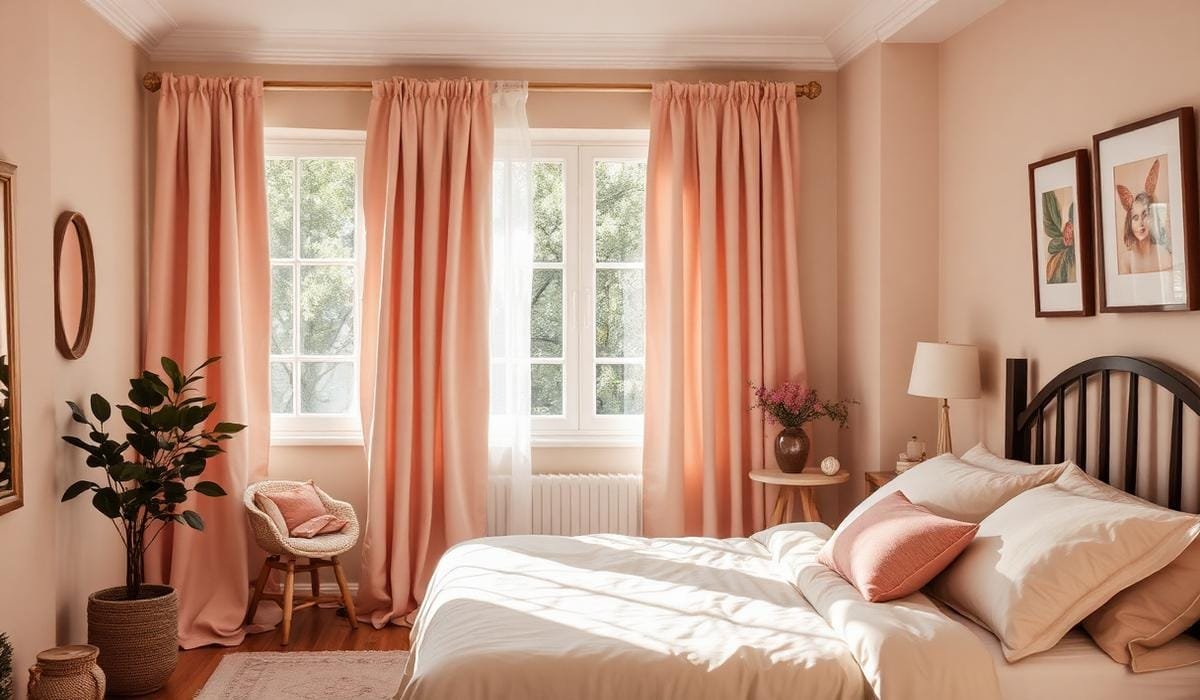
Polyester dominates the blackout market because it is affordable, stable, and easy to wash. Velvet, heavy cotton blends, and lined linen can also work, but weight alone doesn’t guarantee strong heat control. A curtain with a reflective or foam backing may beat a heavier unlined panel because the backing manages incoming solar energy more directly.
Fit matters just as much as fabric. Warm air rises behind the curtain, escapes through the top, and draws cooler room air toward the glass. This loop weakens the barrier. Wider panels, ceiling-mounted tracks, side returns, and floor-length drops reduce air movement and create a more useful pocket between fabric and window.
- Choose panels with enough fullness to cover the window without stretching flat. Around 1.5 to 2 times the rod width gives better coverage.
- Extend the rod 6 to 10 inches beyond the frame so sunlight doesn’t leak around the sides.
- Hang the curtain close to the wall or use a wraparound rod to limit side gaps.
- Pottery Barn Emery Linen Blackout curtains pair a decorative face fabric with a separate blackout lining, while many Eclipse panels use coated polyester.
In a west-facing Melbourne apartment, a renter replaced narrow eyelet curtains with wider, lined panels on a ceiling track. The room still warmed during January afternoons, but the sofa and timber floor no longer felt hot to the touch. The split-system also reached its set temperature sooner and cycled less often.
Window Direction and Climate Change Performance
Blackout curtains deliver the largest summer gain on windows that receive strong direct sun. In the Northern Hemisphere, west-facing glass often causes the hardest late-afternoon heat because outdoor temperatures are already high. South-facing windows can collect sun for longer periods, while east-facing rooms heat earlier in the day. In the Southern Hemisphere, north-facing windows receive more year-round sun.
Climate shapes the value too. A Phoenix bedroom with unshaded west glass faces a much greater solar load than a shaded room in Manchester. In hot, sunny regions, curtains often work better in a layered setup with cellular shades, exterior awnings, shutters, or solar-control film on suitable glass.
- Close east-facing curtains before breakfast during hot spells, not after the room has warmed.
- Close west-facing curtains around midday so the barrier is in place before peak afternoon sun.
- Open curtains after sunset when outdoor air becomes cooler than indoor air, provided security and humidity conditions suit ventilation.
- In winter, open sunny curtains during the day for free heat, then close them after dusk to reduce heat loss.
A family in Arizona used an Eclipse blackout panel over a cellular shade in a nursery. The shade trapped air close to the glass, while the curtain blocked light and covered edge gaps. The pairing reduced glare and daytime temperature swings more than either product used alone during the hottest summer weeks.
Installation and Daily Use Matter More Than Price
A $40 pair of well-fitted blackout curtains can outperform a costly designer panel that leaves wide gaps. Measure the full area you want to cover, not only the glass. For heat control, the rod or track should extend beyond the frame, and the drop should reach the sill, floor, or a sealed lower edge without exposing large open spaces.
Timing also changes results. Curtains work better when closed before direct sun enters the room. Once flooring, walls, and furniture have absorbed heat, drawing the curtains only stops more solar energy from arriving. It doesn’t remove warmth already stored indoors, so late closure often produces disappointing results.
- Measure window width, frame width, rod height, and floor distance with a steel tape before ordering.
- Use a double rod if daytime privacy is needed, pairing a sheer inner layer with blackout outer panels.
- Add magnetic side strips, Velcro tabs, or side channels in media rooms and nurseries where edge leakage is a problem.
- Budget polyester panels often cost $25 to $60 per pair, while lined linen or custom drapery can cost several hundred dollars per window.
What Blackout Curtains Cannot Fix
Blackout curtains don’t stop every form of heat transfer. Hot outdoor air can still enter through window gaps, worn seals, trickle vents, or poorly fitted frames. Conductive heat also moves through glass and metal frames. A curtain reduces part of the load, but damaged weatherstripping or single glazing may remain the larger problem.
They also don’t create cold air. In a room with a hot roof, uninsulated wall, gaming computer, oven, or several people, window treatment alone may bring only a modest change. Exterior shading often controls solar heat more strongly because it blocks sunlight before it reaches the glass and warms the frame.
- Pair curtains with repaired seals, ceiling insulation, fans, and sensible thermostat settings for a broader heat-control plan.
- Consider cellular shades for a tighter air pocket, reflective film for exposed glass, or an awning for strong exterior shade.
- Keep curtains away from portable heaters, radiators, candles, and cooking flames to reduce fire risk.
- Check for condensation behind tightly closed winter curtains, since trapped moisture can support mildew around cold frames.
A blackout label can also mislead buyers. Some products block 85 to 95 percent of light and are sold as “room darkening,” while true blackout panels aim for near-total light blockage. Check the fabric construction, backing, panel dimensions, return policy, and care instructions rather than trusting the front label alone.
Wrap Up
Blackout curtains do help with heat when they block strong sunlight, include a useful lining, and cover the window with minimal gaps. Their impact depends on window direction, season, hemisphere, glazing, and local climate. Treat them as one part of the room’s heat-control system, not a replacement for insulation, exterior shade, ventilation, or air conditioning. Good fit and early closure often matter more than brand name or fabric price.
FAQs
Do blackout curtains keep a room cooler in summer?
Yes. They can reduce solar heat entering through windows, especially when closed before direct sun reaches the glass and fitted beyond the window frame.
Are thermal curtains better than blackout curtains for heat?
Thermal curtains often manage heat better because they include insulating layers or backing. Some products combine thermal construction with full blackout performance.
Should blackout curtains be black or white to block heat?
The room-facing color can be dark or light, but a white or pale outward-facing backing usually reflects more sunlight and supports better summer heat control.