

TL;DR
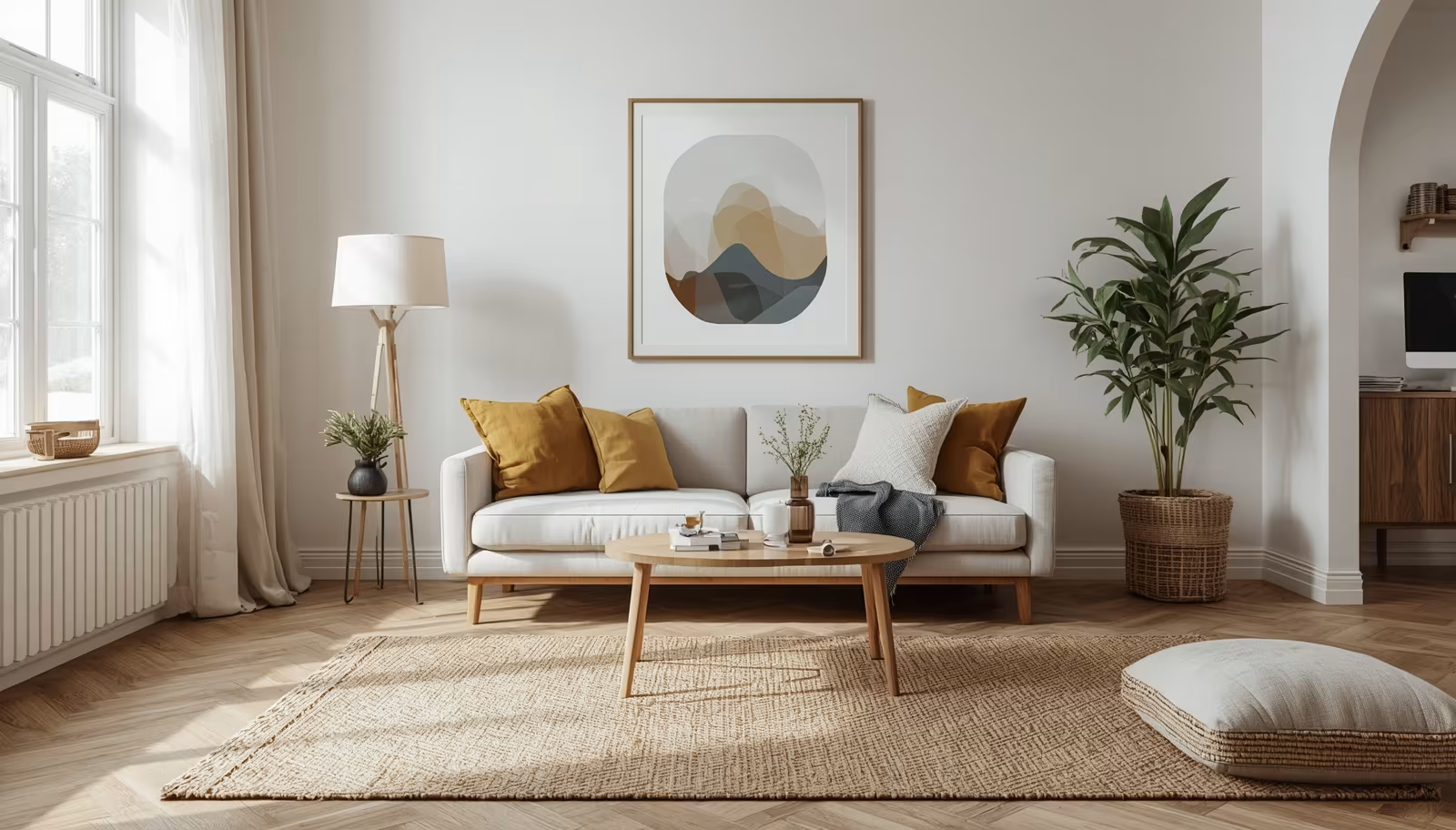
Natural plant fiber carpets bring organic texture and neutral balance to high-traffic family spaces. Success relies on choosing the correct weave thickness, layering over soft bases, and protecting the fibers from moisture. These ten layout options offer practical solutions for every interior design style.
Introduction
Do you want to bring warmth into your main seating area without buying expensive, over-designed carpets? Many homeowners struggle to find floor coverings that handle heavy foot traffic while maintaining a clean, neutral look. Dried plant fiber floor pieces offer a durable, budget-friendly solution that pairs with almost any furniture style. This guide breaks down ten distinct setup approaches to help you select the ideal texture, size, and layout for your daily environment.
Layering Techniques for Grounding Modern Furniture
1. The Classic Wool Over Jute Layering Technique
This approach solves the common problem of natural plant fibres feeling rough under bare feet. Designers like Studio McGee often place a larger, thick dried-fiber base down first, then place a smaller, plush wool or vintage textile directly on top. For instance, a budget-friendly 9×12 foot IKEA LOHALS carpet can serve as the coarse foundation layer.
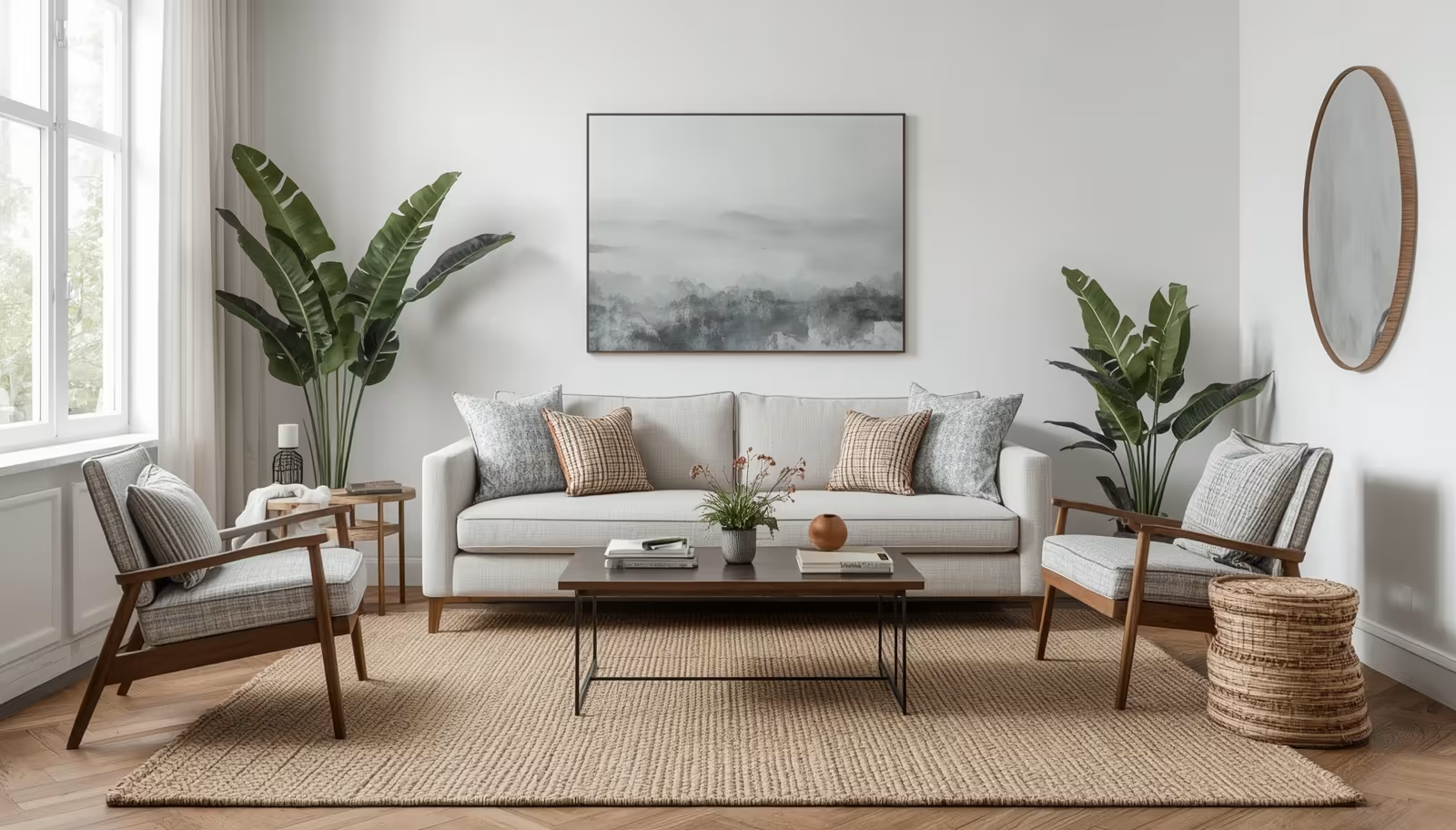
On top of that base, you place a softer 6×9 foot patterned wool piece to sit directly under your coffee table. This dual-carpet setup gives you the raw, organic look of natural materials while keeping the immediate seating zone soft and comfortable for family members.
- Use a flat-weave base that measures at least two feet wider than the top accent piece.
- Choose a low-pile wool rug for the top layer to prevent tripping hazards near the sofa.
- Anchor both layers by placing the front legs of your heavy armchairs on the border.
A real-world test in a Chicago suburban home showed that using a high-density base prevents the top wool rug from bunching up when kids run through the room. Homeowners who try this strategy spend about $250 on the base piece and get the look of a high-end designer space for a fraction of the cost.
2. Asymmetric Overlapping for Large Open Spaces
Large, open-concept living zones often feel cold and empty without clear boundaries. You can use two different sizes of natural plant carpets to separate the main conversation zone from adjacent reading corners or walkways.
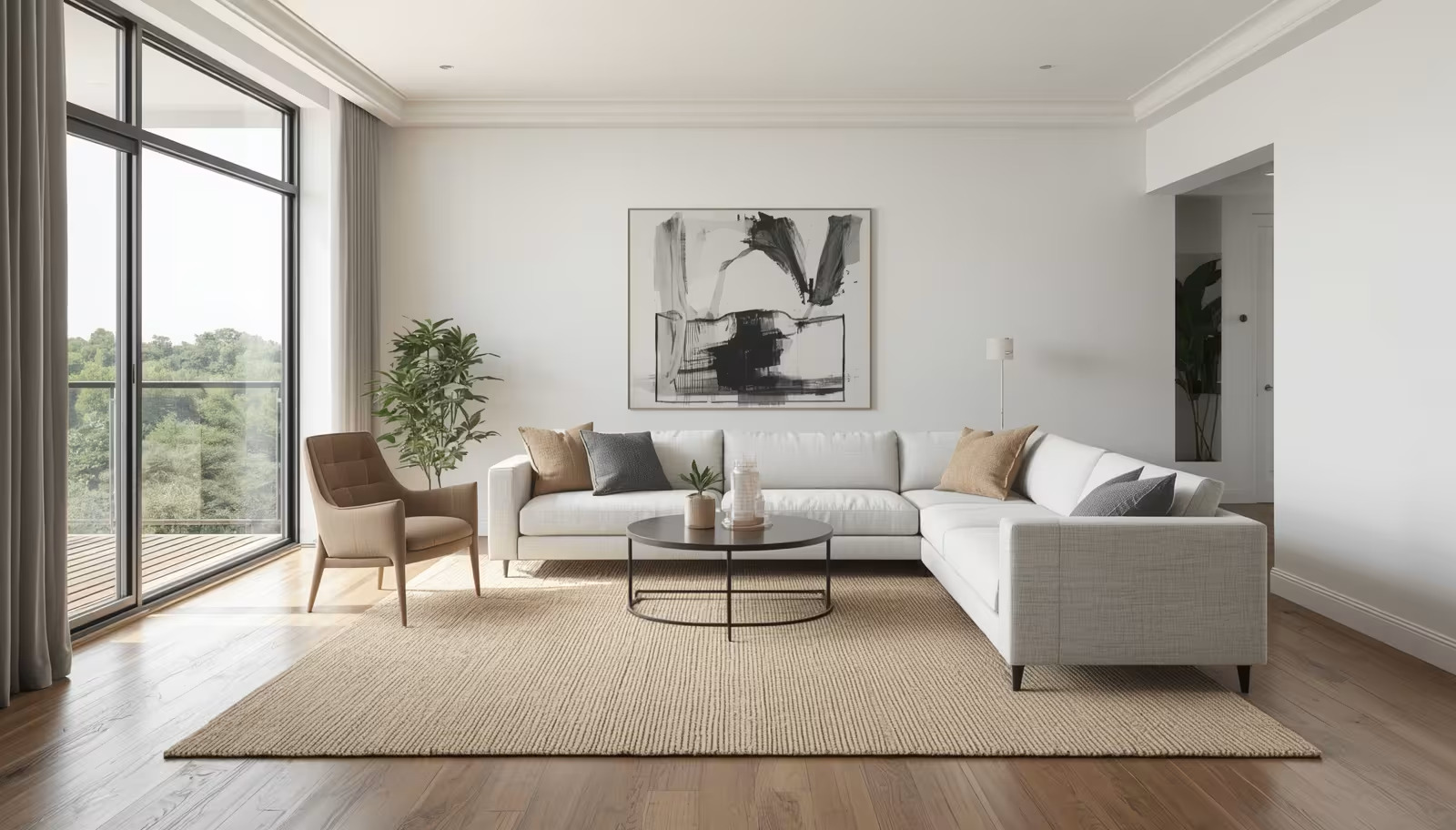
Instead of lining everything up perfectly with the walls, turn the bottom woven piece at a slight angle or offset the top carpet by several inches. This arrangement works perfectly with the Pottery Barn Chunky Del Mar Jute collection, which features distinct braided edges that catch the eye.
- Place the primary rectangular piece straight with the main sofa frame.
- Angle a secondary, smaller woven piece toward an accent chair or fireplace.
- Leave at least 18 inches of bare hardwood floor visible around the perimeter of the room.
This specific layout creates visual movement and makes rectangular rooms feel less boxed in. It also allows you to cover odd floor transitions or high-traffic paths where your hardwood might show signs of scratches or finish wear.
High-Traffic Setups for Active Family Homes
3. The Low-Profile BorderDipped Design
Active homes with pets and young children require floor coverings that do not catch claws or cause trips. Standard chunky woven ropes can be thick and difficult to clear with low-clearing doors. The West Elm Jute Boucle series addresses this issue with a tightly woven, low-profile grid pattern that stays flat.
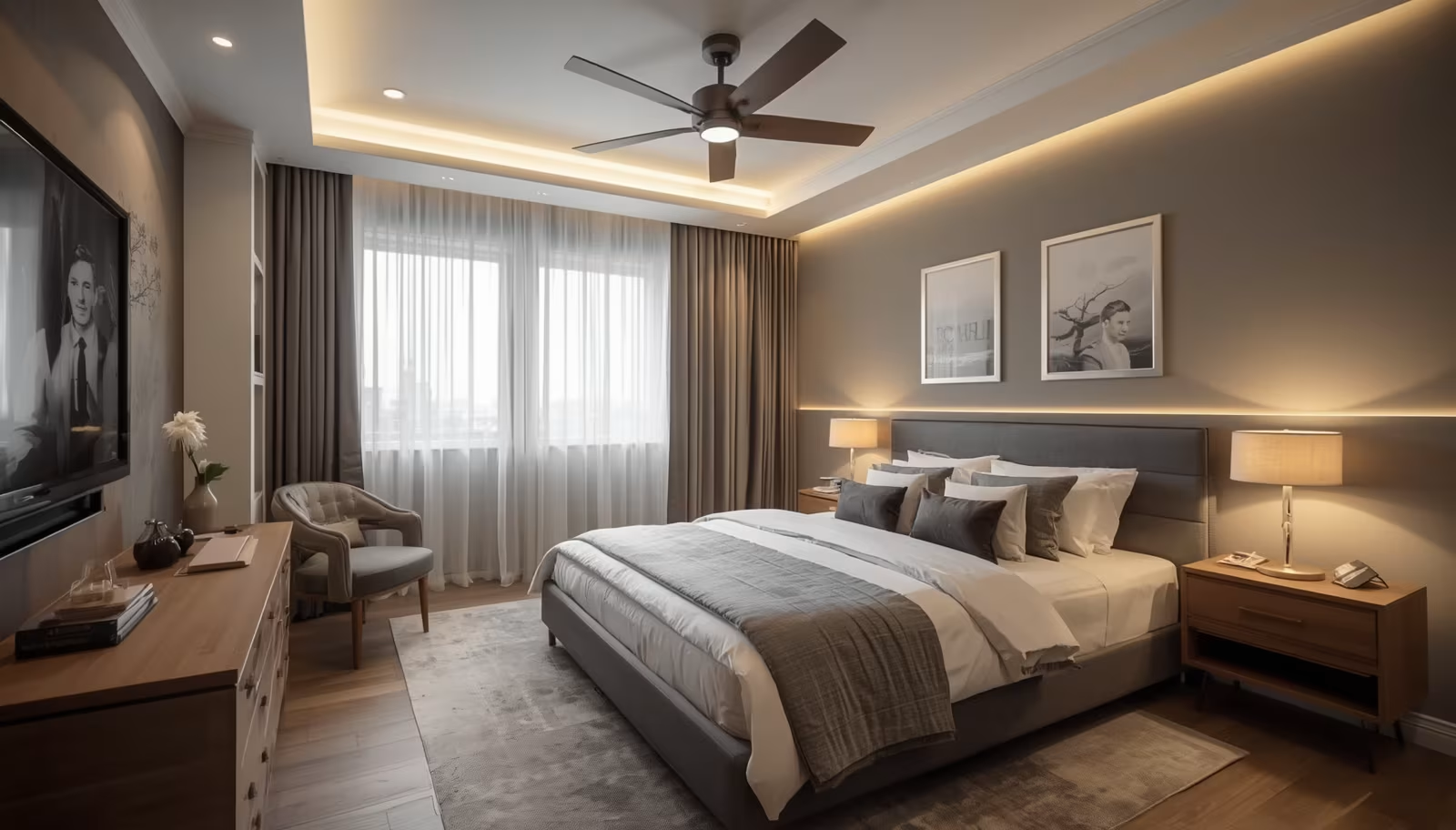
Selecting a version with a dyed cotton canvas border, such as charcoal gray or deep navy, frames the seating area beautifully. The dark border acts as a visual shield, drawing attention away from minor dirt or pet hair that accumulates between weekly vacuuming sessions.
- Opt for a total thickness of less than 0.3 inches to ensure easy door clearance.
- Choose stitched cotton borders to prevent the outer edges from fraying over time.
- Position the entire seating arrangement completely inside the framed border lines.
+------------------------------------------+
|             Dark Cotton Border           |
|  +------------------------------------+  |
|  |                                    |  |
|  |        Sofa Front Legs Here        |  |
|  |                                    |  |
|  +------------------------------------+  |
+------------------------------------------+
A family in Ohio tracking their living room wear noted that the tightly woven boucle style lasted three years longer than loose braided alternatives. The tighter weave also stops small toy pieces from getting lost inside the deep crevices of the carpet fibers.
4. Round Weaves for Compact Conversational Zones
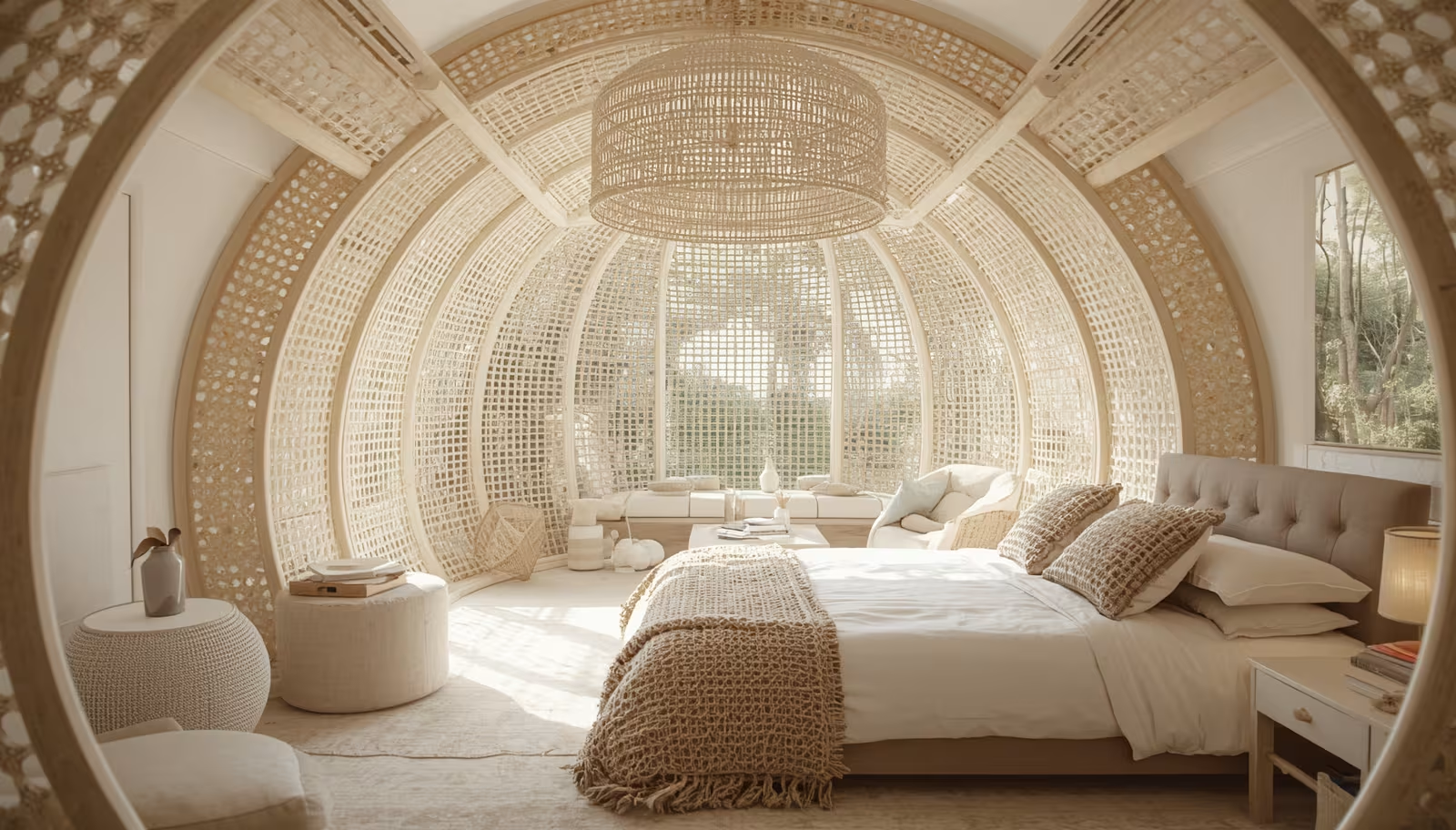
Small living spaces or apartments often feel cramped when you force a traditional rectangular carpet into the room. A large round woven piece breaks up the harsh linear lines of small walls and square furniture. Brands like Safavieh produce excellent eight-foot round options that center beautifully under circular coffee tables or between two opposing armchairs.
- Place a round carpet in the exact center of a square room to maximize floor visibility.
- Ensure the curves extend past the front edges of all surrounding chairs.
- Pair the circular shape with round wooden accent tables to mirror the design geometry.
This layout naturally pulls people inward, creating an intimate setting for conversation or board games. It also prevents the room from feeling small, because seeing more of the floor corners tricks the human eye into perceiving a wider room.
Color Matching Strategies with Natural Fibers
5. Bleached Fibers for Coastal and Light Themes
Many people assume all plant-fiber floor coverings come in a dark, tan color. However, bleached options provide a creamy, soft ivory alternative that fits light-filled coastal interiors or modern farmhouse spaces. The Serena & Lily neutral collection utilizes these lighter tones to match white slipcovered sofas and light oak furniture.
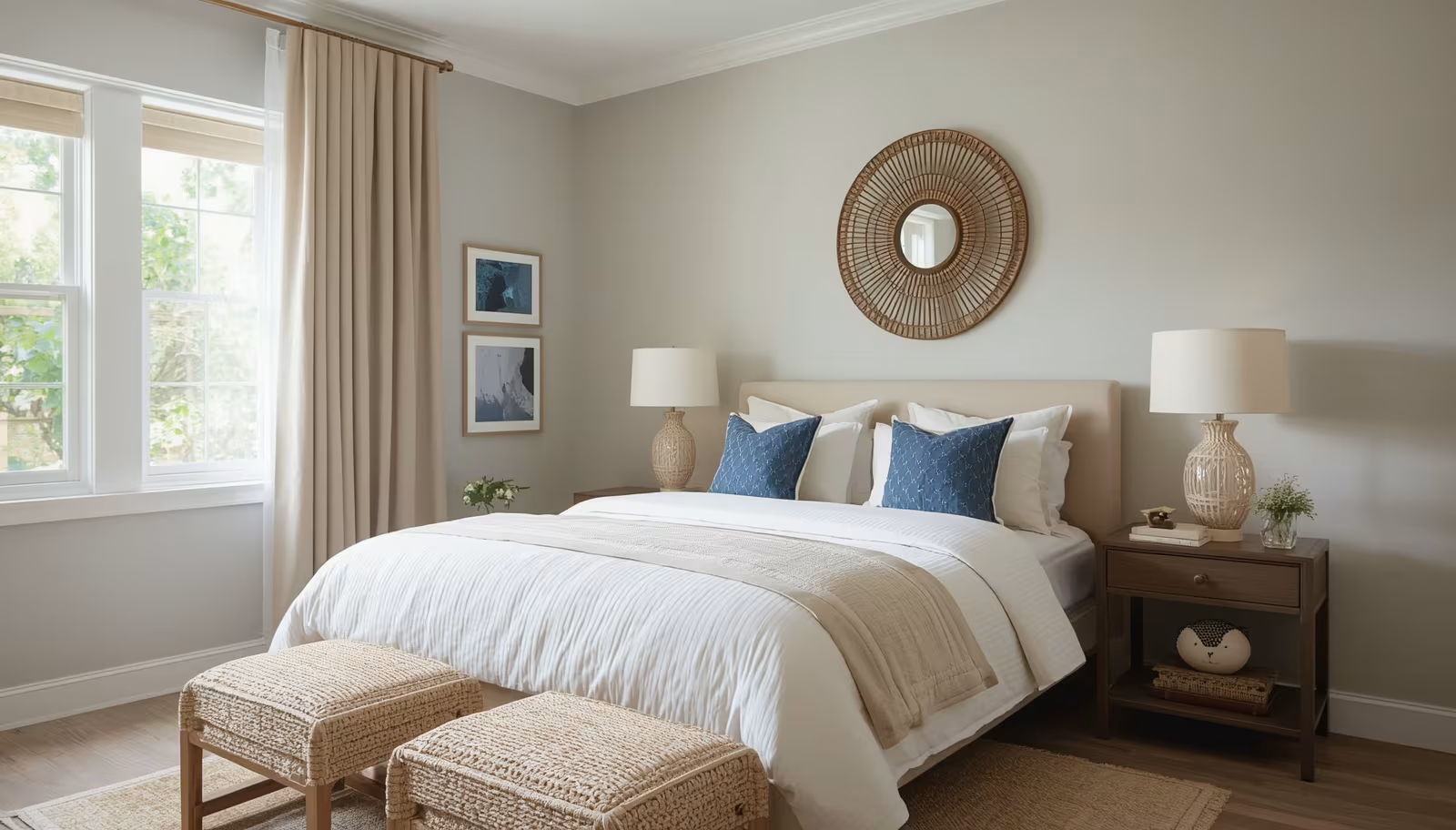
- Match bleached fibers with soft pastel cushions, linen drapes, and driftwood accents.
- Avoid putting these light pieces in entryways where muddy shoes will leave marks.
- Use a high-quality rug pad underneath to stop light dust from shifting onto dark floors.
Using a bleached piece lightens up dark basement family rooms or spaces with limited window placement. The soft cream tone reflects ambient light from lamps, making the entire room appear brighter during evening hours.
6. Black-Toned Accents for Industrial Frames
If your living room features black iron window frames, exposed brick, or dark leather seating, a standard tan carpet might look out of place. Opt for a natural piece that weaves black-dyed threads through the tan plant fibers. This mix bridges the gap between raw organic textures and cold industrial elements, a style frequently used by designer Amber Lewis.
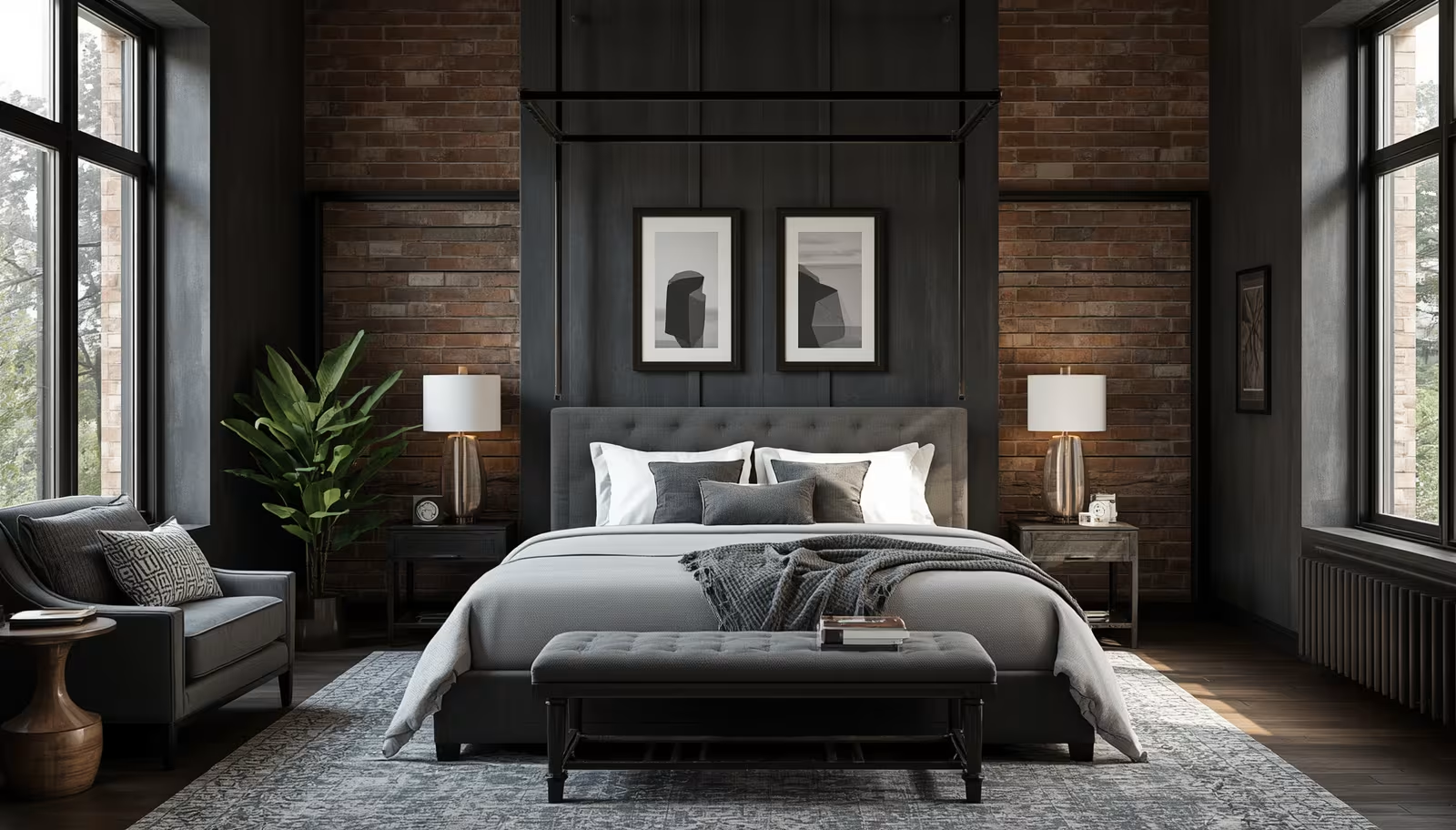
- Coordinate the dark fibers with matte black hardware, floor lamps, and metal side tables.
- Select a medium-thick weave to maintain texture against smooth leather cushions.
- Vacuum regularly using a suction-only setting to keep the dark fibers crisp and vivid.
This contrast grounds the room and keeps the industrial elements from looking too clinical or harsh. The black tones mask dark lint, making it a stellar option for homes with dark-furred pets.
Spatial Scaling and Furniture Placement Methods
7. The All-Legs-On Boardroom Layout
This setup requires a massive carpet, typically a 10×14 foot size, where every single piece of furniture sits entirely on top of the woven surface. This layout works best in expansive formal living rooms where the seating group sits in the center of the space, away from the walls. Target offers oversized options through their Threshold line that accomplish this look without exceeding moderate budgets.
- Maintain at least six inches of carpet extending behind the back cushions of the sofa.
- Center the main light fixture or chandelier directly over the middle of the layout.
- Keep walkways completely clear of the carpet edges to prevent uneven walking surfaces.
======================================================
||  [Sofa]           [Coffee Table]       [Chair]   || <-- All furniture
||                                                  ||     legs sit inside
||==================================================||     the carpet edge
When furniture sits completely on the carpet, it prevents individual pieces from sliding around when people sit down. This arrangement creates a unified zone inside an open-concept layout.
8. Floating Central Textures for Sectionals
Large L-shaped sectionals can present a challenge for standard carpet sizing. If you buy a piece that is too small, it looks like a tiny mat swallowed by the massive sofa. A floating layout uses an 8×10 foot carpet tucked neatly into the inner L-shape of the couch, holding just the coffee table and perhaps a light accent stool.
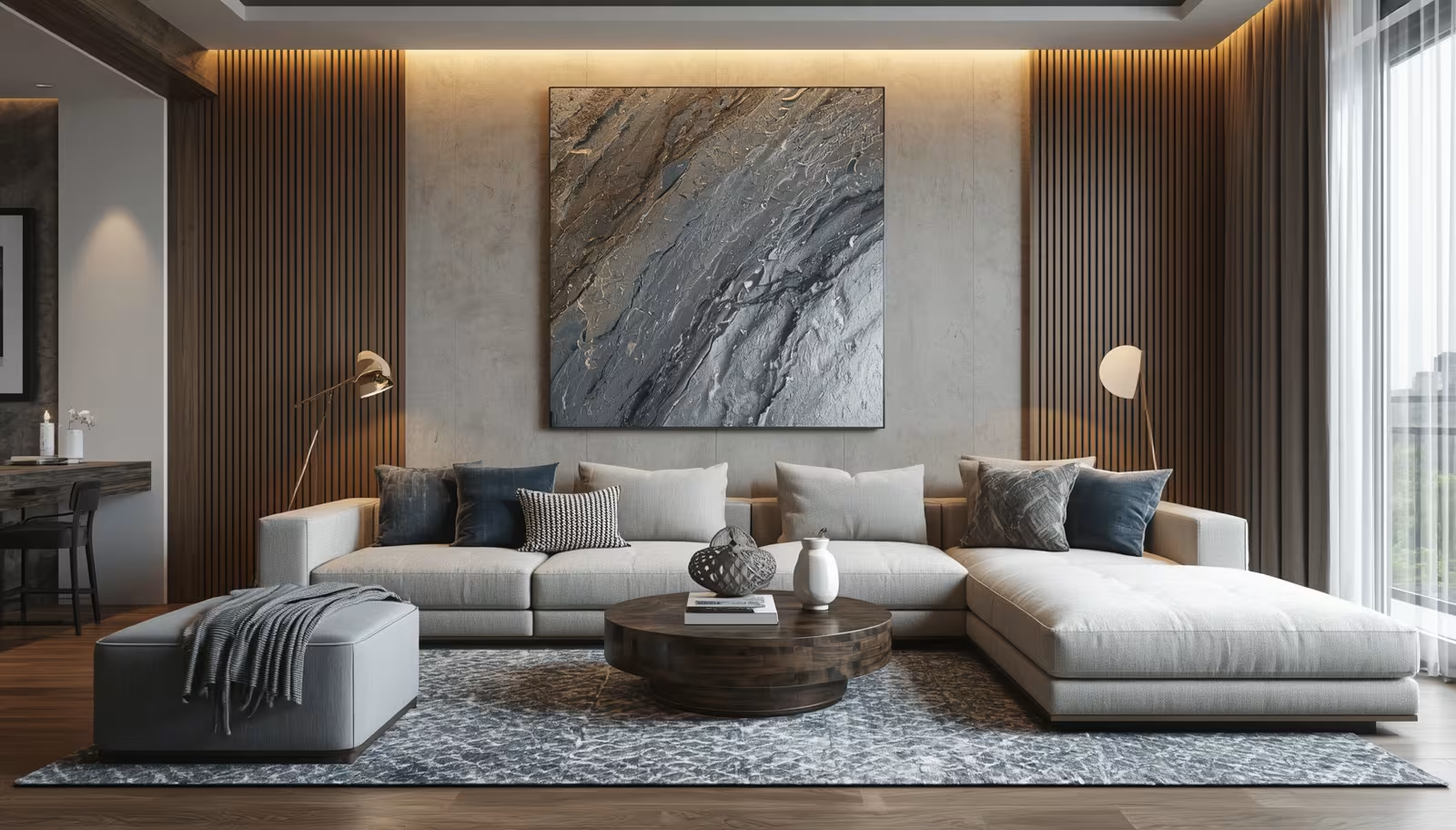
- Align the long edge of the carpet with the longest section of your sectional sofa.
- Leave a clear four-inch gap of exposed flooring between the couch base and the carpet edge.
- Use heavy stone or solid wood coffee tables to pin the middle of the carpet down securely.
This arrangement highlights the shape of the sectional without overcrowding the floor space. It also keeps the outer walkways clear, making it easier to clean the room and vacuum high-traffic paths.
Functional Adaptations for Comfort
9. Minimalist East Asian and Scandinavian Mix
This design choice blends the simplicity of Scandinavian utility with organic elements. Choose a flat, non-braided weave made from fine plant material mixed with soft paper twine or cotton threads. This hybrid texture looks clean and fits well with low-profile, minimalist furniture frames from brands like Ruggable.
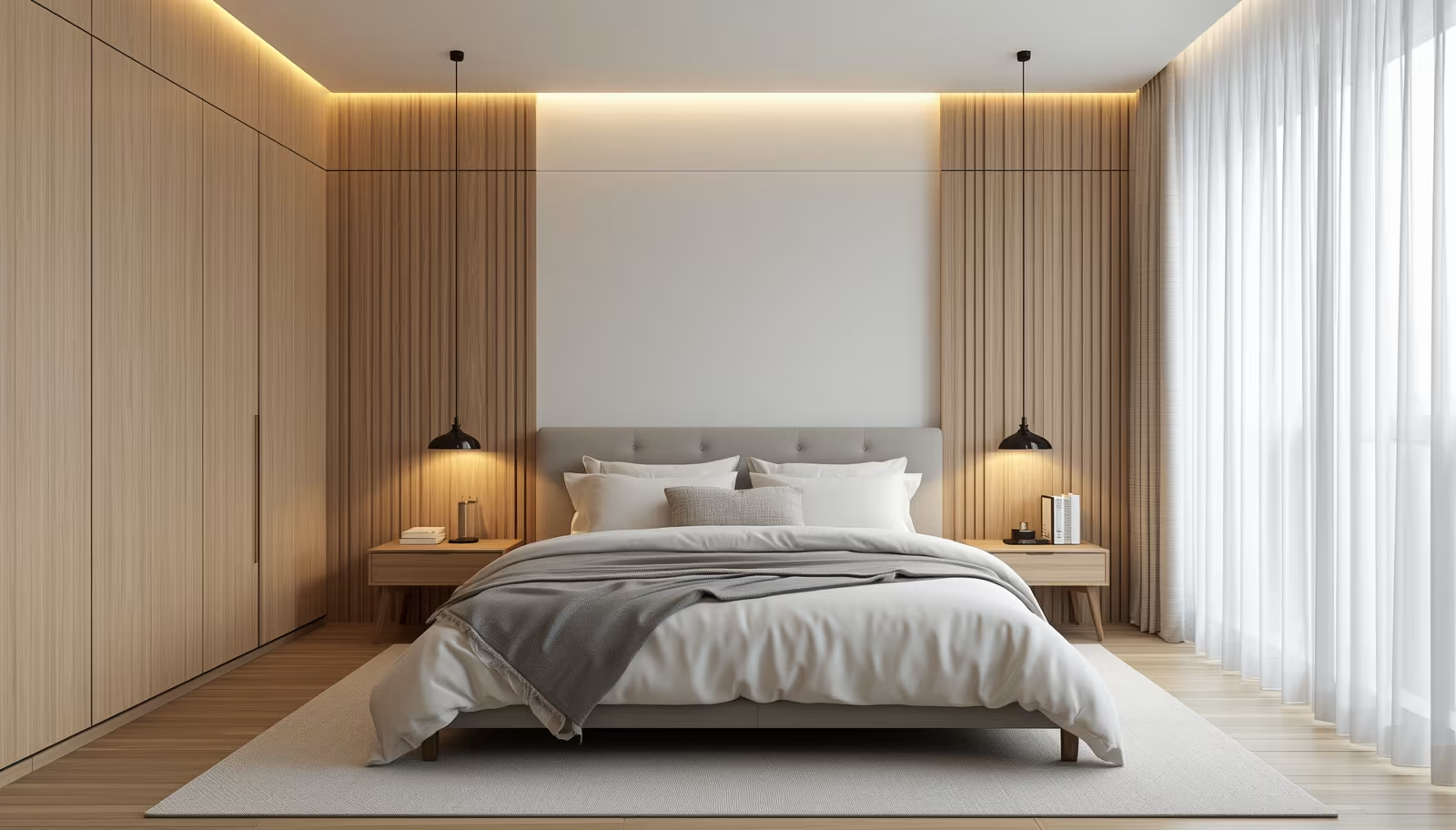
- Stick to a muted color palette consisting of grays, soft tans, and muted greens.
- Keep the surface free of clutter, allowing the natural weave pattern to shine.
- Pair with large indoor plants like a Fiddle Leaf Fig to complement the organic theme.
The smooth surface makes it easy to move lightweight furniture around when hosting guests. It offers an ideal option for people who love minimalist spaces but still want a touch of texture to prevent the room from looking sterile.
10. Earthy Textures with Statement Vintage Pieces
If you own a bold, colorful antique sofa or a bright statement chair, finding a matching carpet can be difficult. A raw, unbleached chunky plant-fiber carpet serves as a neutral canvas that highlights your antique items without competing for attention. This approach mimics the classic relaxed style popularized by home designers like Joanna Gaines.
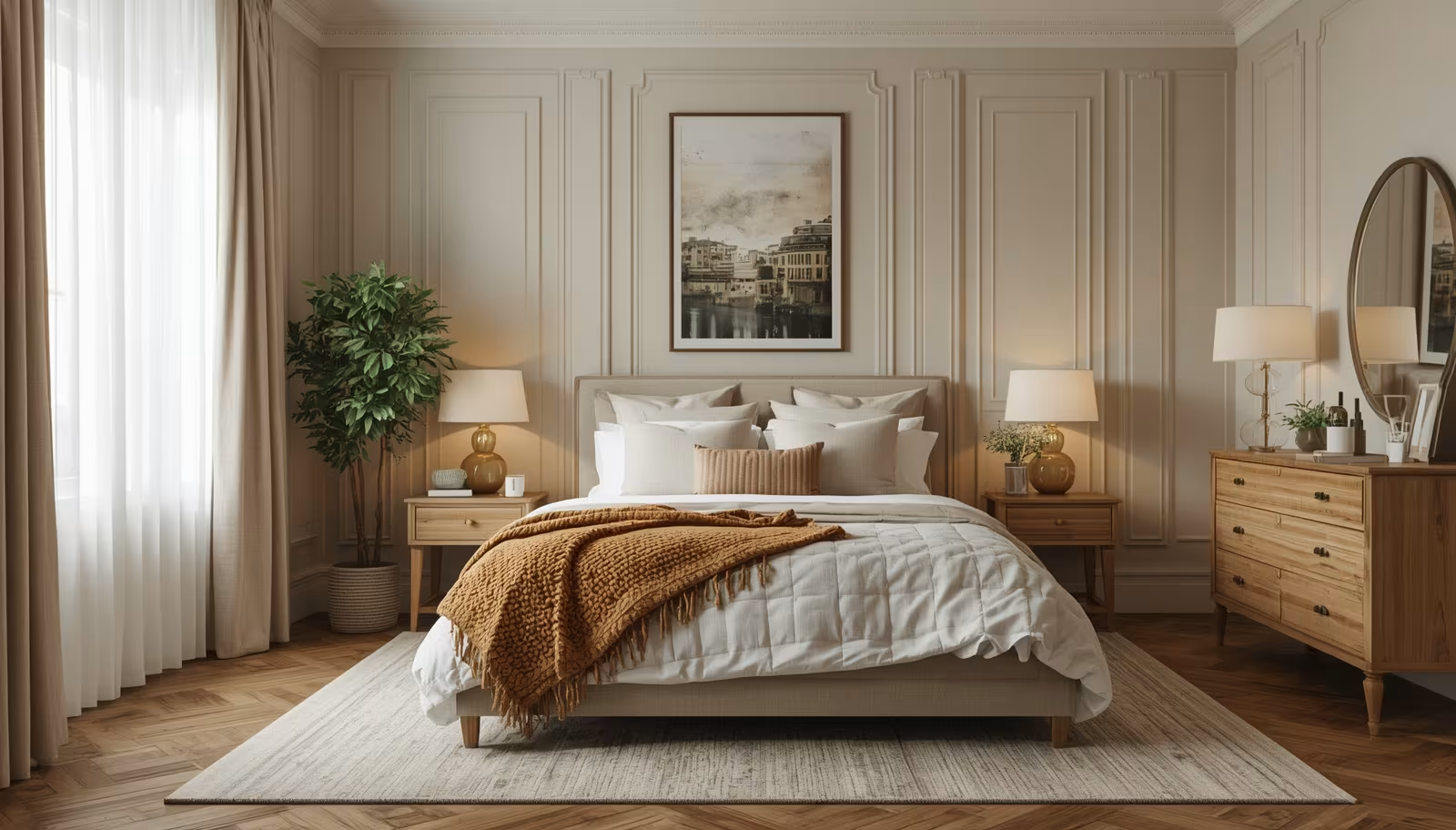
- Place the boldest piece of furniture directly in the center of the natural weave.
- Pull accent colors from your vintage item and use them in small decorative pillows.
- Ensure the natural fibers are thick enough to balance the heavy visual weight of older furniture.
The organic tan background softens bright jewel tones like emerald green, ruby red, or deep sapphire blue. This enables you to display unique, colorful furniture pieces while keeping the overall room vibe calm and collected.
Wrap Up
Selecting the right natural fiber carpet layout transforms your living room into an organized, warm environment. By choosing the appropriate size, weave thickness, and furniture arrangement, you avoid common issues like shedding and premature wear. Whether you layer a soft wool rug on top or use a low-profile boucle weave for high-traffic zones, these natural options provide a long-lasting and timeless foundation for your home.
FAQs Section
How do you stop a jute rug from shedding in the living room?
Regular vacuuming with a suction-only setting, avoiding the brush roller or beater bar, minimizes fiber shedding. Placing a high-quality felt rug pad underneath also limits friction against the floorboards, extending the life of the fibers.
Can you clean liquid spills on a natural plant fiber carpet?
You must blot liquid spills immediately with a clean, dry white cotton cloth without rubbing the fibers. Never use harsh chemical cleaners or excessive water, as moisture stains natural plant materials easily and can cause warping.
What is the average lifespan of a jute rug in a high-traffic space?
A well-maintained, tightly woven plant-fiber carpet generally lasts between four to seven years in a busy living area. Lower-profile boucle weaves tend to outlast thick, chunky braided options because they resist fraying and catching.
Disclaimer
This content shared by Fall Rugs is solely for research and informational purposes. Fall Rugs is not a professional interior design or home renovation consultancy, and the information provided should not be considered professional advice for home improvement or decor. All ideas and suggestions are based on current trends and general knowledge in the home decor industry.