
TL;DR
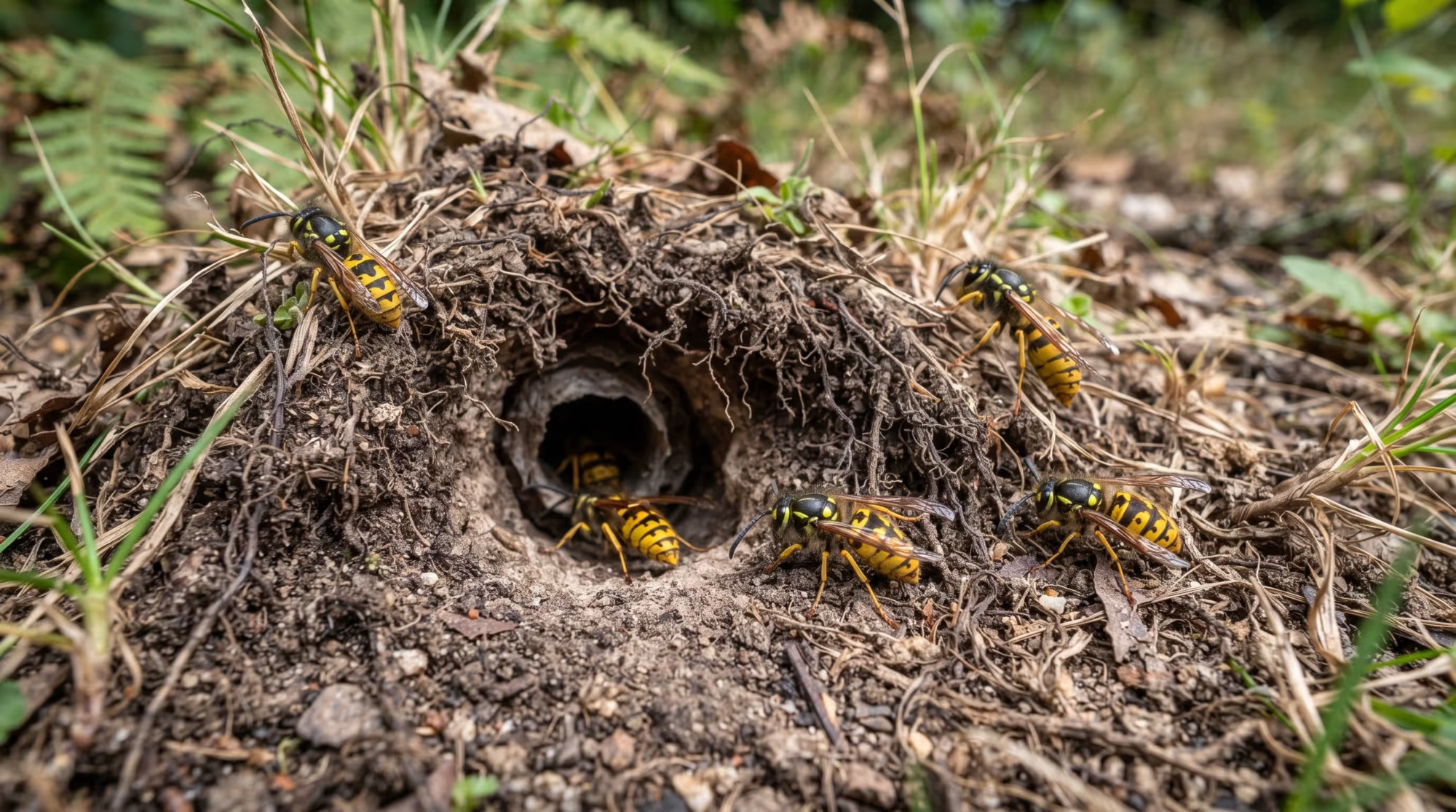
Yellow jackets frequently build underground nests by expanding abandoned rodent burrows or soil cavities. These hidden colonies hold thousands of defensive wasps that attack when disturbed by lawnmowers or foot traffic. Safe elimination requires targeted treatments applied late at night during peak active months.
Introduction
Have you ever stepped onto a patch of lawn only to encounter a sudden swarm of aggressive stinging insects? Yellow jackets build extensive subterranean colonies, converting hidden soil gaps into massive nests during warm months. Homeowners often mistake these aggressive insects for honeybees, leading to dangerous encounters during routine yard maintenance. Understanding their nesting habits, physical traits, and territorial triggers helps you spot hidden burrows early and address them safely before populations surge.
Soil Burrows and Structural Characteristics of In-Ground Nests
Yellow jackets select concealed underground cavities that offer insulation, moisture control, and protection from predators like skunks and raccoons. Fertile queens emerge from winter hibernation around April, search for old chipmunk burrows or root voids, and build initial brood chambers. They chew wood fiber, mix it with saliva, and form a papery carton that expands rapidly through summer.
Underground Yellow Jacket Nest Layout
┌───────────────────────────────────────────────┐
│              Turfgrass / Lawn Surface         │
└──────────────────┬────────────────────────────┘
                   │  Small Entry Hole (1-2 inches)
                   ▼
┌───────────────────────────────────────────────┐
│             Entrance Tunnel                   │
└──────────────────┬────────────────────────────┘
                   │
                   ▼
┌───────────────────────────────────────────────┐
│        Multilayered Paper Comb Nest           │
│   (Suspended paper tiers inside soil cavity)  │
└───────────────────────────────────────────────┘
- Entry Point Dimensions: The surface opening usually measures one to two inches across, often obscured by grass blades, mulch, or decorative stones.
- Internal Expansion: Worker wasps excavate surrounding soil as the colony grows, creating cavities that reach the size of a football by August.
- Colony Population: Mature underground nests support between 1,000 and 5,000 active workers during peak late-summer months.
- Paper Construction: Wasps construct paper comb tiers using weathered wood scraped from fences, decks, and tree bark.
In 2023, an suburban homeowner in Atlanta, Georgia, mistook a ground entry hole for a harmless solitary bee nest. After running a riding lawnmower over the spot, the vibration triggered hundreds of workers to swarm, resulting in multiple painful stings. Spotting these small soil openings early prevents accidental disturbances during summer outdoor activities.
Distinguishing Ground Wasps from Beneficial Native Bees
Accurate identification prevents the accidental destruction of beneficial pollinators like bumblebees or mining bees. Yellow jackets belong to the genus Vespula, featuring hairless, sleek bodies with bright yellow and black bands. Their tight waist structure and rapid, jagged flight patterns contrast sharply with fuzzy, robust bees.
| Insect Type | Physical Appearance | Nesting Style | Aggression Level |
| Yellow Jacket (Vespula) | Hairless, distinct waist, yellow and black bands | Underground cavities, wall voids, paper structures | Highly defensive; stings repeatedly without losing stinger |
| Bumblebee (Bombus) | Fuzzy, thick body, yellow, black, or orange hairs | Small ground cavities, abandoned bird nests | Low defense; defends only when directly crushed |
| Mining Bee (Andrenidae) | Small, slightly hairy, muted brown or black tones | Individual soil burrows with tiny soil mounds | Non-defensive; solitary habit with no group defense |
Honeybees possess barbed stingers that remain in human skin after a single sting, killing the bee. Yellow jackets carry smooth stingers, allowing individual workers to sting multiple times in rapid succession. Recognizing these physical distinctions helps you select appropriate pest management methods while protecting local ecosystem pollinators.
Key Visual Identifiers
Inspect flying insects near ground openings from a safe distance of at least fifteen feet. Look for hairless yellow and black abdomens, folded wings at rest, and quick sideways flight adjustments before entry.
Behavioral Indicators
Yellow jackets fly directly in and out of a single hole in continuous streams during daylight hours. Solitary ground bees construct multiple small dirt mounds across lawns rather than using one centralized entrance.
Triggers, Defensive Behaviors, and Sting Prevention
Underground nests pose distinct safety risks because turf grass obscures entry holes. Ground vibrations from lawnmowers, string trimmers, or heavy footsteps travel directly into the brood chamber. Defensive guards interpret these vibrations as incoming predators and launch coordinated group counterattacks within seconds.
- Vibration Sensitivity: Engines from equipment like Toro mowers trigger full colony alarm responses faster than visual threats.
- Alarm Pheromones: A single stinging worker releases chemical signals that mark the victim, directing other wasps to attack the exact same target.
- Late-Summer Hostility: Aggression peaks during September as natural nectar sources decline and colonies focus resources on rearing new queens.
- Attractant Sources: Open soda cans, sweet fruit, meat scraps, and unsealed garbage bins draw foraging workers into outdoor seating areas.
Entomologists at state university extension offices consistently document spikes in sting incidents during late August. As natural prey insects diminish, yellow jacket diets shift toward human foods, increasing encounters in public parks and backyards. Keeping food covered and avoiding loud lawn machinery near suspicious turf activity minimizes sting encounters.
Removal Strategies and Pest Control Protocols
Eliminating an established subterranean colony requires precise timing, proper protective gear, and targeted chemical application. Attempting to flood nests with garden hoses or pouring gasoline into burrows creates severe safety hazards and environmental contamination. Gasoline ruins surrounding soil, risks fire, and rarely penetrates the deep paper combs where the queen resides.
Standard Underground Insecticide Treatment Process
┌────────────────────────────────────────────────────────┐
│ 1. Locate Nest Opening During Daylight Hours           │
└──────────────────────────┬─────────────────────────┘
                           │
                           ▼
┌────────────────────────────────────────────────────────┐
│ 2. Wait Until Nightfall (Wait for Wasps to Return)     │
└──────────────────────────┬─────────────────────────┘
                           │
                           ▼
┌────────────────────────────────────────────────────────┐
│ 3. Apply Dust or Foam Directly into Entry Tunnel       │
└──────────────────────────┬─────────────────────────┘
                           │
                           ▼
┌────────────────────────────────────────────────────────┐
│ 4. Monitor Entry Site for 48 Hours Before Sealing      │
└────────────────────────────────────────────────────────┘
Professional exterminators using brands like Spectracide or Bayer Advanced apply insecticidal dusts containing deltamethrin or pyrethrin directly into the burrow. Dust formulations outperform liquid sprays because returning foragers pick up dust particles on their legs, tracking toxic compounds deep into the brood chamber.
- Locate the Hole: Mark the exact entrance position during daylight hours using a bright flag placed several feet away.
- Timing Application: Wait until two hours after dark when all foraging workers return inside and colony activity settles down.
- Application Method: Direct an dust applicator into the tunnel mouth, coat the opening thoroughly, and leave the hole unblocked so returning wasps carry the product inside.
- Follow-Up Inspection: Check the site forty-eight hours later during peak sunlight hours to verify that flight activity has ceased completely.
If you suspect severe sting allergies or encounter large nests near home foundations, hire certified pest control operators. Professional technicians possess heavy-duty protective suits and specialized power dusters to neutralize high-risk colonies safely.
Seasonal Life Cycle and Winter Nest Collapse
Understanding the annual cycle of yellow jackets helps homeowners plan control efforts and prevent recurring spring infestations. In autumn, colonies produce fertile males and new queens, which mate before frost arrives. Cold weather kills worker populations, leaving only fertilized queens to survive winter hidden under tree bark or inside leaf litter.
- Spring Establishment: Fertilized queens wake during warm spring days, select new nesting sites, and rear the first brood of worker larvae alone.
- Summer Population Surge: Sterile female workers take over foraging, comb expansion, and defense, allowing queen wasps to focus entirely on egg production.
- Autumn Colony Decline: Original queens die in late autumn, workers disperse, and frost clears out remaining nest inhabitants.
- Winter Abandonment: Old paper nests decompose naturally underground over winter; queens never reuse old nests the following spring.
Property owners often ask whether empty winter burrows require excavation. Leaving old nests alone poses no harm because decaying paper combs attract soil microbes that break down the organic material naturally. Filling abandoned soil holes with topsoil prevents other pests, like yellow mice or solitary wasps, from reoccupying the cavity next season.
Wrap Up
Yellow jackets build underground nests in abandoned burrows, turning everyday yard work into a safety hazard if disturbed. Identifying their hairless bodies, straight entrance flight lines, and aggressive defense mechanisms helps distinguish them from beneficial native bees. Treating active entry holes late at night with targeted insecticidal dusts ensures safe elimination without endangering nearby pollinators. Taking proactive steps to identify and manage underground burrows protects your household throughout peak outdoor seasons.
FAQs Section
How can I locate an underground yellow jacket nest safely?
Observe your lawn from a safe distance during warm daylight hours to spot wasps flying continuously along the same low path. Trace their trajectory back to a single ground entrance, then mark the location using a bright lawn flag placed a few feet away.
Will yellow jackets reuse the same underground nest next year?
No, yellow jacket colonies die off during late autumn frosts, and surviving fertile queens start fresh nests in new locations every spring. Old underground paper comb structures disintegrate naturally in soil over winter and are never reoccupied.
What should I do immediately if I disturb a ground nest while mowing?
Drop your equipment, cover your face with your arms, and run indoors or into a shielded area immediately in a straight line. Do not swat at the insects or jump into pools, as yellow jackets wait above water surfaces and mark targets with alarm pheromones.