
TL;DR
Drain flies look fuzzy and usually stay near sinks, showers, or floor drains. Fruit flies have smoother bodies and gather around ripe produce, recycling, alcohol, and food waste.
Removing either pest requires finding and cleaning its breeding source. Sprays and traps may kill adults, but they rarely stop the next generation.
Introduction
Small flies around a kitchen or bathroom can look almost identical at first glance. Yet confusing drain flies with fruit flies often leads to wasted cleaning, failed traps, and another wave of insects within days.
The difference between drain flies and fruit flies comes down to body shape, flight pattern, breeding material, and location. Once those clues become visible, finding the source takes less guesswork. This distinction matters in homes, cafés, hotels, offices, hospitals, and food storage areas where sanitation affects both comfort and hygiene.
Drain Flies and Fruit Flies Have Different Physical Features
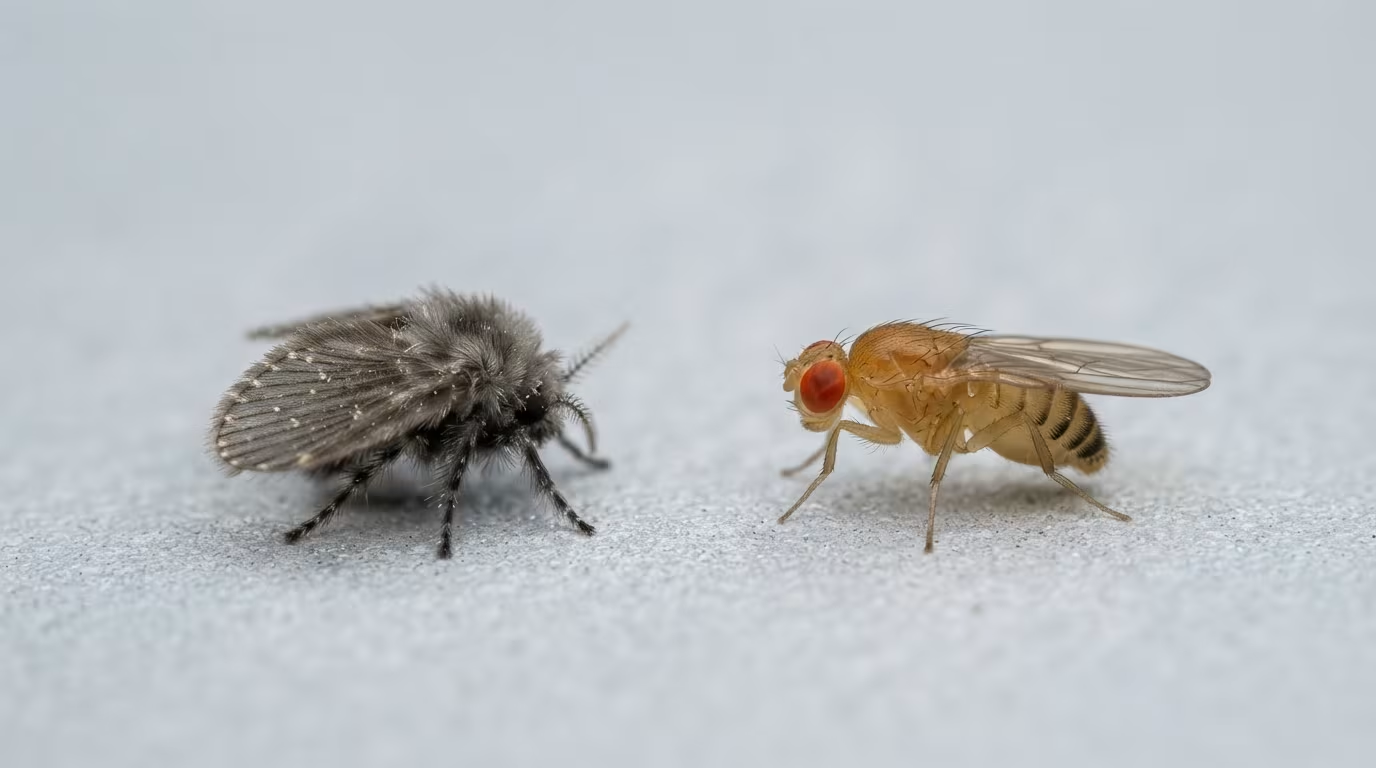
Drain flies belong to the Psychodidae family and are often called moth flies because their bodies and wings appear hairy. Most adults measure about 2 to 5 millimetres long. Their broad wings rest over the body like a tiny roof or heart shape. Grey, brown, and dusty black are common colours, especially under warm bathroom lighting.
Fruit flies belong to the Drosophilidae family. The common laboratory species, Drosophila melanogaster, has a tan or yellow-brown body with dark bands across the abdomen. Many fruit flies have noticeable red eyes, though some species have darker eyes. Their smooth, narrow wings extend behind the body rather than forming the rounded outline seen on drain flies.
Visual Clues Worth Checking
- Body texture: Drain flies look furry or powdery. Fruit flies look smooth and slightly shiny.
- Wing shape: Drain fly wings appear broad and rounded. Fruit fly wings look clear, narrow, and longer.
- Eye colour: Many common fruit flies have bright red eyes. Drain flies have dark eyes that rarely stand out.
- Resting position: Drain flies often sit flat on walls. Fruit flies remain active around food and containers.
- Size: Both can measure close to one-eighth of an inch, so size alone won’t identify them.
An Apple iPhone camera with macro mode can reveal the difference when the insect stays still. Photographing a fly resting beside a sink often shows the fuzzy wing edges of a drain fly. A fruit fly photographed near bananas will usually show a slimmer abdomen and larger compound eyes.
Their Flight Patterns Reveal Where They Came From
Drain flies are weak fliers. They usually make short, hopping movements from a drain to a nearby wall, mirror, cabinet, or shower curtain. Many remain within a few feet of the breeding site. People often notice them after sunset because adults become more active during evening and nighttime hours.
Fruit flies move faster and cover more space. They hover around produce bowls, rubbish bins, beer bottles, wine glasses, compost containers, and sticky spills. Air movement from a ceiling fan or open door may carry them across a room, yet they soon return to fermenting material that releases attractive odours.
Behavioural Differences Around the Home
- Drain flies often appear inside bathtubs, near basement drains, or beside rarely used sinks.
- Fruit flies circle bananas, peaches, tomatoes, onions, and potatoes as they begin to ferment.
- Drain flies land for long periods and may look almost motionless on tiled walls.
- Fruit flies dart away when a hand approaches, then return within seconds.
- Both insects may appear near a sink when food waste and drain biofilm exist together.
A renter in Phoenix noticed tiny flies on the wall beside a guest bathroom shower. Apple cider vinegar traps caught almost nothing, which ruled against a typical fruit fly problem. Clear tape placed over the shower drain captured fuzzy adults overnight. The unused drain contained wet organic film, giving drain fly larvae a quiet breeding area.
Breeding Sources Provide the Strongest Identification Clue
Drain flies lay eggs in moist, decaying organic matter. The larvae feed inside the gelatinous biofilm that forms along drain walls, P-traps, sewage lines, sump pits, septic systems, and poorly cleaned floor drains. Standing water alone does not support them for long. They need wet material containing bacteria, fungi, hair, grease, soap residue, or sewage.
Fruit flies breed in fermenting plant matter and sugary residues. A cracked grape, forgotten potato, wet mop head, recycling bin, juice spill, or open wine bottle can support eggs and larvae. Warm kitchens speed up their development. Under favourable indoor conditions, a new generation may mature in little more than a week.
Common Breeding Locations
- Drain flies: Shower drains, sink overflows, floor drains, sewage leaks, condensation pans, and dirty waste pipes.
- Fruit flies: Produce bowls, compost caddies, recycling containers, rubbish bins, beverage dispensers, and food spills.
- Shared areas: Garbage disposals, bar drains, mop sinks, and poorly maintained commercial kitchens.
- Hidden sources: Rotting onions in cupboards, residue beneath appliances, and leaking pipes inside wall cavities.
A Rubbermaid recycling bin containing unrinsed juice bottles can support fruit flies even when the kitchen counters look clean. An InSinkErator garbage disposal may attract either species when food residue and slime coat its inner surfaces. The insect’s appearance and movement must be considered beside the material found at the site.
Two Basic Tests Can Confirm the Pest
A clear tape test can confirm whether flies are emerging from a drain. Place several strips of Scotch transparent tape across the opening with the sticky side facing downward. Leave small gaps for airflow and keep the drain unused overnight. Drain flies emerging from the pipe may become stuck to the tape by morning.
A vinegar trap gives stronger clues when fruit flies are present. Pour apple cider vinegar into a Ball mason jar or small glass, then add one drop of Dawn dish soap. The vinegar attracts adults through its fermentation smell, while the soap breaks the liquid’s surface tension. This trap catches adults but does not remove eggs or larvae.
How to Read the Results
- Several fuzzy flies on drain tape point toward a breeding site inside that drain.
- Repeated catches in a vinegar trap support a fruit fly identification.
- No catches may mean the source sits elsewhere, including a second drain or hidden food spill.
- Flies near houseplants may be fungus gnats, which have longer legs and darker, mosquito-like bodies.
- Flies emerging from sewage should prompt an inspection for broken pipes or failed seals.
Testing several locations at once gives a clearer answer in large homes, restaurants, and hotel kitchens. Label each trap with its room and placement time. A single drain may produce adults while nearby traps remain empty, revealing the exact area that needs cleaning rather than treating every pipe with chemicals.
Removing Drain Flies Requires Scrubbing the Biofilm
Hot water, bleach, and ordinary drain opener may kill some organisms without removing the film attached to pipe walls. Drain fly larvae can remain inside that layer. A long, stiff drain brush works better because it physically loosens hair, sludge, soap, and grease from the sides of the pipe and around the P-trap.
After brushing, an enzyme or bacterial drain gel can digest remaining organic residue. Products from brands such as Green Gobbler are designed for this purpose, though label directions vary. A basic drain brush often costs about $5 to $15 in U.S. hardware stores, while enzyme gels commonly range from $10 to $25. Retailer and regional pricing may differ.
Drain Fly Removal Tasks
- Remove the drain cover and pull out visible hair or sludge.
- Scrub the drain walls several inches below the opening.
- Clean sink overflows, disposal guards, and removable stoppers.
- Apply an enzyme drain product for the full label period.
- Repeat the tape test after cleaning to check for continued activity.
Avoid mixing bleach with vinegar, ammonia, drain opener, or other household chemicals. Such combinations can release toxic gases or cause dangerous reactions. Persistent flies after thorough cleaning may signal a damaged sewage pipe, blocked trap, leaking wax seal, or hidden wastewater problem that needs a licensed plumber.
Fruit Fly Control Starts With Fermenting Food and Residue
Fruit fly control works fastest when every food source receives attention on the same day. Discard spoiled produce, refrigerate ripe fruit, rinse bottles and cans, wash the compost container, and clean beneath appliances. Potatoes and onions stored in dark cupboards deserve close inspection because one decaying item can support many larvae.
Traps reduce the visible adults while sanitation breaks the breeding cycle. OXO compost caddies, beverage machines, café syrup pumps, and reusable cleaning cloths can hold small amounts of sugary liquid. The surface may look dry while residue remains beneath a lid, rubber seal, drip tray, or bin liner.
Fruit Fly Removal Tasks
- Store ripe fruit in the refrigerator until activity stops.
- Empty and wash rubbish, recycling, and compost bins.
- Rinse beer, juice, soda, and wine containers before storage.
- Clean spills around coffee machines, taps, and kitchen appliances.
- Replace vinegar traps daily until catches remain at zero.
A small Manchester café once treated its floor drains repeatedly while fruit flies kept returning near the espresso counter. Staff later found fermented syrup beneath a removable bottle rack and liquid inside the recycling bin. Cleaning both areas stopped new activity because the drains were never the main breeding source.
Prevention Depends on Moisture and Food Management
Drain fly prevention centres on removing organic buildup and fixing excess moisture. Weekly brushing may be useful in busy restaurant drains, while household drains may need less frequent cleaning. Run water into rarely used sinks and showers to maintain the P-trap seal. Repair leaking pipes and clean condensation trays before slime develops.
Fruit fly prevention relies on produce checks, sealed waste storage, and prompt spill removal. Homeowners, tenants, office managers, bar staff, and commercial kitchen teams often miss recycling residue. A bottle with a teaspoon of beer or juice can smell far stronger to a fruit fly than a clean fruit bowl across the room.
Signs That Professional Support Is Needed
- Flies continue emerging after two weeks of source removal and cleaning.
- Adults appear from wall gaps, sewage areas, or several drains at once.
- A foul odour suggests a dry trap, pipe break, or wastewater leak.
- Infestations affect food preparation areas that require formal pest records.
- Larvae appear in sewage, sump water, or inaccessible plumbing.
Companies such as Orkin and Terminix commonly inspect breeding sources before applying treatment, while plumbers handle structural drain faults. A basic pest-control visit in many U.S. markets may start near $100, though complex commercial or plumbing cases cost more. Cleaning alone cannot repair a cracked sewage pipe or failed toilet seal.
Wrap Up
Drain flies and fruit flies may share the same room, but they come from different materials. Fuzzy wings, weak movement, and drain activity point toward drain flies. Smooth bodies, fast hovering, and fermented food point toward fruit flies.
Traps can confirm the insect and reduce adult numbers, yet source removal decides whether the problem ends. Scrub drain biofilm for drain flies and remove fermenting food or drink residue for fruit flies. When sewage odours, leaks, or repeated activity remain, bring in a qualified pest professional or plumber.
FAQs Section
Can fruit flies come from drains?
Fruit flies can breed in drains when food particles, sugary liquid, yeast, or fermenting residue collect inside them. Their presence near a sink does not automatically mean they are drain flies.
Will bleach kill drain flies?
Bleach may kill some adults or larvae, but it often passes through the pipe without removing the organic film where larvae feed. Physical scrubbing followed by a suitable enzyme cleaner usually targets the source more directly.
Why do drain flies keep coming back?
Drain flies return when eggs, larvae, or biofilm remain inside a drain or hidden wastewater area. Repeated activity can also point to an untreated floor drain, leaking pipe, dirty P-trap, sump pit, or sewage fault.