
TL;DR
Wet acrylic paint comes out with dish soap, warm water, and a butter knife scrape before it sets. Dried paint needs rubbing alcohol or hand sanitizer to break the polymer bond first. Speed and fabric type decide whether the shirt survives or joins the rag pile.
Introduction
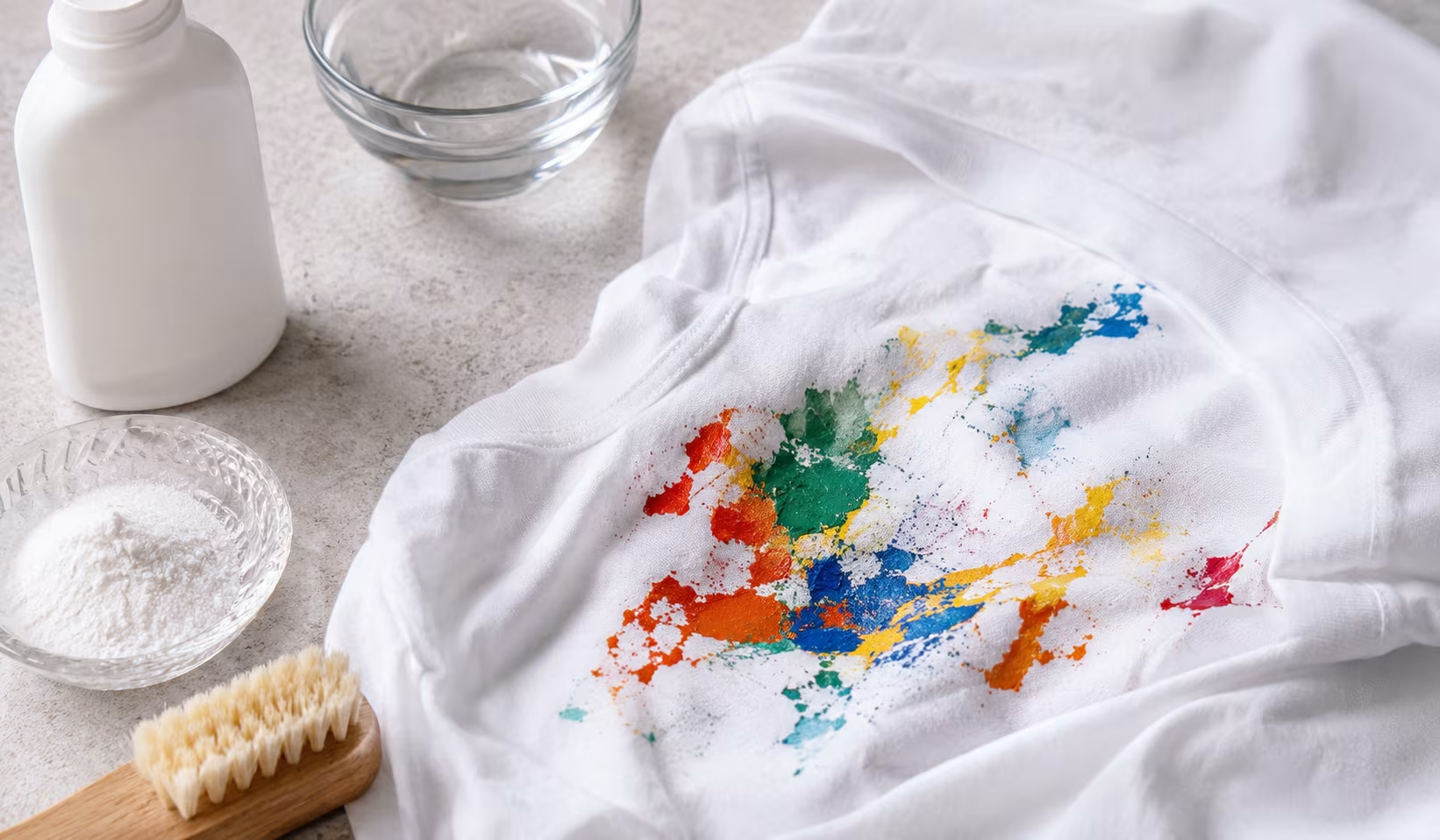
A dropped brush, a toddler’s art project, a wall trim job gone sideways. Acrylic paint on clothing ruins more shirts than any other craft accident, mostly because it dries into a flexible plastic film within twenty to thirty minutes. Cotton reacts differently than polyester, and a stain treated at minute five behaves nothing like the same stain treated at hour five. This piece walks through what actually lifts acrylic paint, what fabrics tolerate the process, and where people usually go wrong.
Why Acrylic Paint Is Harder to Remove Than People Expect
Acrylic paint is a polymer emulsion, not a dye. Brands like Liquitex, Golden, and Apple Barrel all suspend pigment in an acrylic polymer that cures into a water-resistant plastic once it dries. That’s different from something like watercolor or washable marker, which sits on top of fibers rather than bonding into them.
- Wet paint is still water-soluble for roughly 15 to 30 minutes depending on room humidity
- Once cured, the polymer locks pigment between fabric fibers instead of on the surface
- Heat from a dryer or iron sets the stain permanently, turning a fixable spot into a lost garment
- Thicker craft paints (like the kind sold at Michaels or Jo-Ann Fabrics) cure faster than thinned artist-grade paint
A common mistake: tossing a paint-stained shirt in the hamper and running a normal wash cycle before checking the tag. Warm water in a washing machine can finish curing the paint exactly like a kiln finishes ceramic glaze.
The Fabric Factor
Denim, canvas, and heavy cotton hold up well to scrubbing and alcohol treatments. Delicate knits, silk blends, and anything labeled dry-clean-only need a much gentler hand, since aggressive rubbing can pill or tear the weave before the paint even lifts.
Treating Wet Acrylic Paint (The First 30 Minutes Matter Most)
Wet paint removal is the easiest scenario, and it’s forgiving even for beginners.
- Scrape off excess paint with a dull butter knife or spoon edge, working from the outer edge inward so the stain doesn’t spread
- Run the back of the fabric under cool water, never hot, to push paint out rather than deeper in
- Work a few drops of dish soap (Dawn is the standard choice among costume and mural painters) directly into the stain and rub fabric against fabric
- Rinse and repeat until water runs clear, then check the stain in daylight before drying
A muralist working on a Brooklyn brownstone job in 2023 described using this exact method mid-shift, rinsing sleeves under a garden hose between coats because waiting until the end of the day meant the paint had already cured past saving.
Removing Dried and Set-In Acrylic Paint
Dried paint needs a solvent that softens the polymer film without damaging fibers. Isopropyl alcohol, sold in most pharmacies at 70% or 91% concentration, is the standard fix.
- Place the stained area over a folded towel, paint side down
- Dab rubbing alcohol onto the back of the fabric with a cotton ball or old toothbrush
- Let it sit for two to three minutes so the alcohol can penetrate the polymer
- Scrape gently from the back with a dull blade, checking progress every thirty seconds
- Repeat the alcohol dab and scrape cycle until the paint flakes away in small pieces
Hand sanitizer works as a backup when rubbing alcohol isn’t available, since most formulas run 60% to 70% alcohol by volume. Hairspray, an older trick still repeated online, is less reliable today because most modern formulas have swapped out the high-alcohol content that made it effective in the 1990s.
When the Stain Won’t Budge
For paint that’s been through a dryer cycle, a stronger approach sometimes helps: acetone-based nail polish remover on a hidden seam test first, since acetone can dissolve synthetic fibers like acetate and some rayon blends outright. Test on an inside hem before touching the visible stain.
- Never mix ammonia-based cleaners with alcohol treatments in an enclosed laundry room
- Avoid boiling water on painted denim, since heat can set any pigment left behind
- Skip fabric softener sheets during the treatment wash, since they can seal in leftover residue
- Cotton and canvas tolerate repeated alcohol dabbing better than rayon or silk
Product Options That Actually Help
A few commercial products consistently show up in stain removal guides and craft forums for good reason.
- Goo Gone works on paint drips the way it works on adhesive residue, breaking down the polymer without bleaching color from most cotton blends
- OxiClean paste, left on overnight before a normal wash, helps with faint ghosting left after the bulk of the paint is scraped away
- Shout or Tide to Go pens are useful for small drips caught early, especially on the go at a school event or paint night
- A soft-bristle toothbrush, not a stiff scrub brush, keeps fiber damage low while still working paint out of the weave
Someone repainting a nursery in Austin last spring ruined a favorite flannel shirt by scrubbing dried paint with a stiff wire brush meant for grout. The fabric frayed before the paint fully lifted, a reminder that pressure matters as much as the product.
Wrap Up
Acrylic paint responds best to speed: wet paint lifts with dish soap and cool water, while dried paint needs alcohol to break down the polymer before any scraping happens. Fabric type changes the plan, since denim tolerates far more scrubbing than silk or rayon ever will. Test any solvent on a hidden seam first, and skip the dryer until the stain is fully gone.
FAQs
Does vinegar remove acrylic paint from clothes?
Vinegar can loosen very fresh, thin paint layers but doesn’t break down cured polymer the way rubbing alcohol does, so it works better as a rinse aid than a primary treatment.
Can dried acrylic paint ever be fully removed?
Yes, in most cases, especially on cotton and denim, though heavily set stains that went through a hot dryer cycle sometimes leave a faint shadow even after alcohol treatment.
Is acrylic paint permanent on clothes once it dries?
Not automatically, but running the stained item through a heated wash or dryer cycle before treating it can make the paint far closer to permanent.
Disclaimer
This content shared by Fall Rugs is solely for research and informational purposes. Fall Rugs is not a professional interior design or home renovation consultancy, and the information provided should not be considered professional advice for home improvement or decor. All ideas and suggestions are based on current trends and general knowledge in the home decor industry.