
TL;DR
Most curtains can be cleaned at home using a gentle washing machine cycle, hand washing in cold water, or steaming while hanging. Always check the manufacturer care label first to prevent shrinkage, color bleeding, or fabric damage. Heavy drapes with structured linings or delicate materials like silk usually require professional dry cleaning.
Introduction
Do your window treatments look dusty, dull, or slightly discolored? Over months of hanging, curtains act like giant filters, trapping airborne dust, pet dander, pollen, and cooking grease. While they do not need weekly washing, giving them a thorough clean once or twice a year keeps your indoor air fresher and extends the life of the fabric. This guide walks you through the safest methods to refresh your curtains at home without causing shrinkage or damage.
Know Your Fabric Before Choosing a Method
Different textiles react uniquely to water, heat, and agitation. Silk, linen, cotton, polyester, and velvet all require distinct cleaning strategies to avoid permanent ruin. Identifying your material prevents costly mistakes like warping the header tape or melting synthetic fibers.
- Linen and Cotton: These natural fibers shrink easily in warm or hot water. Brands like Pottery Barn often recommend dry cleaning for lined linen panels, but unlined cotton can typically handle a cold, delicate machine cycle.
- Polyester and Synthetics: Highly durable and easy to clean, polyester panels from retailers like West Elm wash beautifully in standard home machines. They dry quickly and resist wrinkling compared to natural fibers.
- Velvet and Chenille: Heavy, plush fabrics are highly sensitive to water marks and piling. While some modern washable velvets exist, traditional velvet drapery needs professional dry cleaning to keep the pile looking rich and uniform.
- Sheer Fabrics and Lace: Delicate sheers, including popular IKEA lace panels, require a protective mesh laundry bag and a very gentle spin cycle to prevent snagging on the washing machine drum.
In 2024, a textile care study highlighted that over seventy percent of consumer curtain damage occurs during the drying phase rather than the wash. High heat in a standard dryer can warp the internal buckram stiffeners inside pinch-pleat headers, rendering the curtains unusable.
The Step-by-Step Machine Washing Process
For machine-washable fabrics, prep work is the secret to a successful clean. Skipping basic preparation steps can lead to torn fabric, rusted grommets, or ruined washing machine drums.
- Remove All Hardware: Take down the panels and remove all metal hooks, rings, pins, and plastic clips. Leftover metal hardware can snag the fabric during the cycle or damage your washer drum.
- Shake and Vacuum: Take the panels outside for a vigorous shake to remove loose surface dust. Alternatively, use the upholstery brush attachment on a Dyson vacuum cleaner to sweep down the fabric from top to bottom before washing.
- Load Evenly: Wash curtains in pairs to keep your washing machine balanced. Heavy cotton or canvas panels get very heavy when wet, which can trigger an unbalanced load error on modern front-loading machines.
- Choose the Right Settings: Use cold water, a mild liquid detergent, and the delicate or wool cycle. Avoid powder detergents, which can leave white, powdery streaks on dark curtain fabrics.
A common mistake is using fabric softener on window treatments. Softener leaves a thin, waxy coating on the fibers that actually attracts dust and pet hair faster once the curtains are rehung. Skip the softener and stick to a gentle, clear liquid soap.
Hand Washing Techniques for Delicate Sheers
If you have delicate lace panels or vintage drapes, hand washing is the safest home method. It gives you total control over the water temperature and the amount of agitation the fibers experience.
- Use a Clean Basin: Clean your bathtub or a large utility sink thoroughly to remove any soap scum or bleach residue before filling it with lukewarm or cold water.
- Dissolve the Soap First: Add a teaspoon of gentle liquid soap, such as Woolite, to the water and mix it completely before submersing the curtains.
- Gently Squeeze, Never Wring: Submerge the panels and gently squeeze the soapy water through the fabric. Avoid scrubbing, twisting, or wringing, which can distort the weave and cause permanent wrinkles.
- Rinse Thoroughly: Drain the soapy water and fill the basin with clean, cold water. Press the fabric down repeatedly to release the soap, repeating the rinse process until the water runs completely clear.
To remove excess water after hand washing, lay the wet curtain flat on a clean, dry white towel. Roll the towel up loosely with the curtain inside to absorb the bulk of the moisture, then unroll and hang the curtain to air dry.
In-Place Refreshing and Steam Cleaning
If taking down heavy drapes feels too exhausting, or if you fear ruining structured pleats, you can clean your curtains while they remain on the rod. This approach is ideal for regular maintenance between deep washes.
- Weekly Dusting: Use a long-handled static duster or a vacuum with an upholstery tool to clean the top pleats and the back of the curtains, where dust settles most heavily.
- Odor Elimination: Spritz the panels lightly with a fabric refreshing spray like Febreze, or make a DIY mix of water and a few drops of lavender essential oil in a fine-mist spray bottle.
- Steam Wrinkles Away: Use a handheld garment steamer, such as a Rowenta steamer, starting from the top of the panel and working your way down. The steam relaxes wrinkles and kills dust mites without saturating the fabric.
- Spot Cleaning: Treat small stains, like pet paw prints or dirt near the hem, using a damp microfiber cloth and a drop of dish soap. Always test a hidden spot near the back hem first to ensure the dye does not bleed.
Be cautious when steaming synthetic fabrics. Holding the steamer nozzle too close to polyester or acrylic panels can melt the synthetic fibers, leaving a shiny, ruined patch on your window display. Maintain a distance of three to four inches.
Wrap Up
Safely cleaning your curtains keeps your home looking polished and improves indoor air quality. By identifying your fabric type, removing all hardware, and opting for cold water and gentle cycles, you can achieve professional-looking results at home. When in doubt, trust the manufacturer care label or consult a professional cleaner to keep your favorite drapes looking beautiful for years to same.
FAQs Section
Can you put curtains in the dryer?
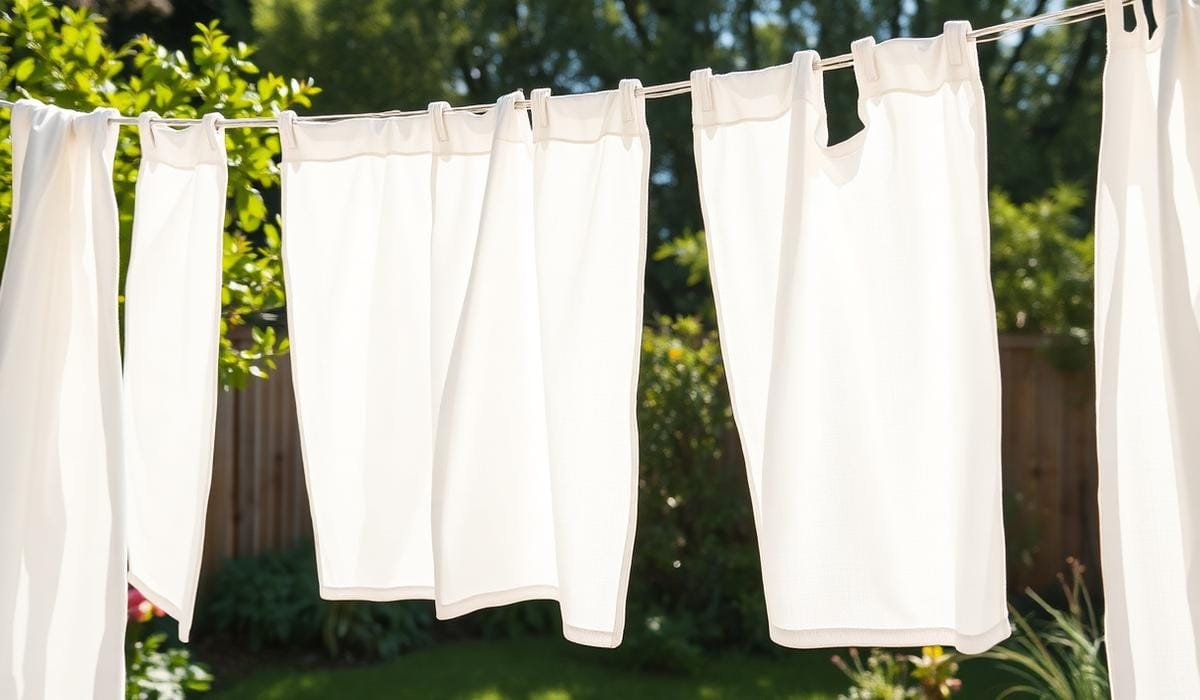
It is safest to air dry curtains by hanging them back on their rods while slightly damp, which allows natural gravity to pull out any wrinkles. If you must use a dryer, select the lowest heat setting or air-fluff cycle, and remove them while they are still slightly damp to prevent shrinkage.
How often should you wash your curtains?
For most homes, washing or deep cleaning curtains once or twice a year is sufficient to manage dust and allergens. If you live in a home with shedding pets, active smokers, or family members with severe dust allergies, consider cleaning them every three to four months.
What should you do if curtains have no care label?
If a care label is missing, perform a spot test on a small, hidden corner of the fabric using cold water and mild soap. If the color bleeds, the fabric shrinks, or the texture changes, skip the washing machine entirely and take the panels to a professional dry cleaner.