
TL;DR
Thermoplastic Rubber backing is a flexible, synthetic polymer applied to the underside of modern rugs to prevent dangerous skidding. This specialized material provides immediate floor grip without staining or degrading expensive underlying hardwood finishes. It enables lightweight textiles to survive regular residential machine washing cycles without cracking, peeling, or flaking over time.
Introduction
Are you tired of hallway runners bunching up every time a pet speeds around the corner? Traditional non-slip solutions frequently leave sticky chemical residues behind or crumble into fine white dust after a single laundering attempt. Modern rug manufacturing relies on a specialized material innovation known as Thermoplastic Rubber to eliminate these common stability headaches permanently. Homeowners secure a durable, machine-safe grip system that preserves floor surfaces while simplifying weekly home maintenance routines.
The Molecular Structure and Material Science of Synthetic Backings
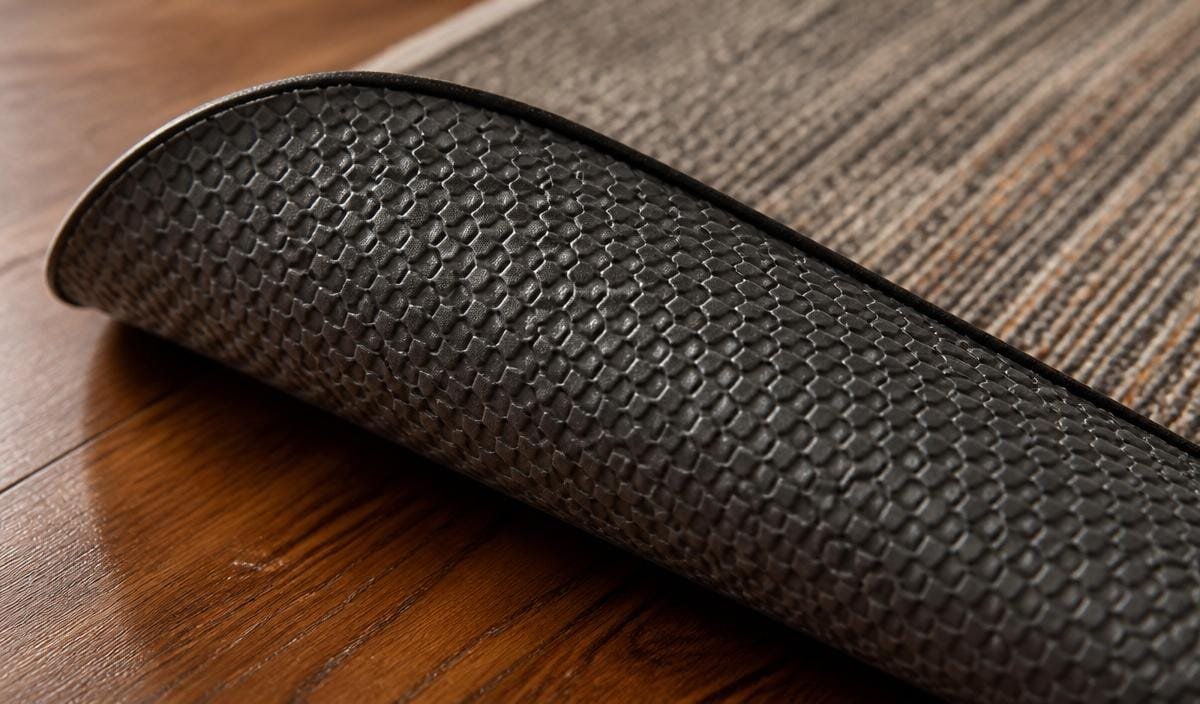
Rug manufacturers use Thermoplastic Rubber to bridge the structural gap between rigid plastics and cured rubber compounds. This synthetic polymer undergoes precise melt processing injection techniques during modern textile fabrication. The liquefied compound bonds directly into the reverse side of polyester or nylon face fibers, creating a unified product that naturally resists edge fraying. Industrial application machinery distributes a thin, even layer across the entire textile reverse surface, maintaining strict quality parameters.
Residential interior designers specify this material because it completely avoids traditional chemical vulcanization processes. Older manufacturing methods rely on sulfur curing agents that release strong, offensive odors inside confined living spaces. This modern polymer alternative completely eliminates offensive off-gassing issues, ensuring a neutral olfactory profile immediately after product unboxing. The backing maintains high structural flexibility across changing indoor climates, refusing to harden during freezing winters or turn sticky during humid summer weeks.
- Production facilities melt the raw compound between 150 and 180 degrees Celsius for optimal textile penetration.
- Material formulations completely avoid heavy metal stabilizers, phthalate plasticizers, and common natural latex allergens.
- Standard application profiles maintain a low vertical clearance measuring exactly 1.5 millimeters in thickness.
- High polymer elasticity allows thousands of repeated fold movements without displaying signs of structural failure.
An excellent real-world example exists within the current Ruggable flatwoven product catalog. Their product development teams use a lightweight thermoplastic coating to ensure the decorative top cover stays perfectly flat against the lower grip pad system.
Performance Metrics in High Traffic Zones and Surface Floor Safety
Hardwood floor preservation represents a major financial concern for property owners managing busy household entryways. Cheap polyvinyl chloride underlayments frequently trap ambient moisture or leach oily plasticizer chemicals directly into modern polyurethane wood sealants. This chemical migration causes permanent, dark yellow discoloration marks on expensive white oak or maple planks. Thermoplastic coatings create a chemically inert shield that refuses to react with floor stains, protecting your initial property investment.
The synthetic compound achieves slip resistance through high surface friction rather than temporary adhesive glues. When active children or heavy pets apply rapid lateral force to the rug surface, the polymer matrix absorbs the kinetic energy. This immediate structural stabilization stops the fabric from wrinkling, eliminating dangerous tripping hazards near kitchen islands and heavy glass doors. Buyers bypass the need to purchase separate secondary padding products, reducing total room decoration outlays significantly.
- The high friction coefficient delivers excellent traction on polished porcelain tile, luxury vinyl plank, and sealed concrete.
- Total product weight additions remain low, keeping a standard five by seven foot accent rug manageable during moving days.
- Zero adhesive residues transfer to floor surfaces when lifting the textile from sunlit living room areas.
- Microscopic surface texturing prevents dark moisture pockets that encourage under-rug fungal growth in humid climates.
Sarah Jenkins, an independent interior stylist working out of Chicago, utilized these specialized runners throughout a busy residential mudroom project. The chosen floor coverings remained completely stationary for twelve months despite constant exposure to heavy winter boots and melting snow.
Laundering Durability and Residential Appliance Maintenance Realities
Cleaning large area rugs historically required expensive professional dry cleaning pick-up services. Modern washable rugs featuring integrated synthetic bases change this dynamic by tolerating direct residential appliance washing. The backing layer withstands repeated exposure to water saturation, laundry detergents, and high-speed centrifugal spinning forces without separating from the decorative face yarn. This extreme water resilience keeps high-use kitchen mats perfectly sanitary throughout messy winter cooking seasons.
Homeowners must respect specific maintenance boundaries to prevent premature polymer breakdown during cleaning cycles. Excessive thermal exposure serves as the primary destroyer of synthetic rubber compounds over time. Washing rugs in cold water on a gentle cycle settings preserves the structural bond of the underlying polymer base. Air drying the textile on an outdoor clothesline or utilizing a zero-heat tumble dryer setting prevents the backing from warping out of square.
- Standard residential washing drums easily accommodate these lightweight products up to eight by ten feet in size.
- Water temperature selections remaining below thirty degrees Celsius prevent structural polymer warping across long cycles.
- Eliminating chlorine bleach products from the wash cycle stops the backing from becoming brittle and peeling.
- Typical drying periods range between four and six hours when hung horizontally away from direct afternoon sunlight.
Consider a practical scenario from a busy suburban home in Seattle. A homeowner laundered an affordable IKEA entry mat featuring a synthetic rubber base twelve times over a single calendar year. By avoiding hot commercial dryer cycles entirely, the backing retained its factory shape and floor-gripping properties without showing signs of edge flaking.
Comparing Industrial Backing Compounds for Household Settings
Evaluating floor covering options at major retailers like West Elm or Pottery Barn requires a clear understanding of backing ingredients. Natural latex rubber provides great initial traction but degrades rapidly when exposed to standard ultraviolet light passing through window glass. This natural material breaks down into a messy white powder after three years of steady solar exposure. Polyvinyl chloride options deliver low manufacturing costs but carry heavy environmental manufacturing footprints and ongoing chemical off-gassing issues.
Thermoplastic polymer compounds easily outperform these older traditions by offering complete post-consumer recyclability. When a floor covering finally reaches the end of its functional operational lifespan, processing facilities melt the backing down to manufacture new consumer goods. This sustainable production loop reduces regional landfill waste while drawing less total manufacturing energy than raw rubber refinement demands. Smart shoppers receive a durable product that balances immediate household performance with long-term environmental awareness.
- Synthetic elastomer coatings last twice as long as traditional natural latex options under identical room conditions.
- The material remains completely free of industrial odors compared to chemical-heavy polyvinyl chloride alternatives.
- Total factory production energy demands drop by twenty percent compared to vulcanized rubber processing sequences.
- Discoloration hazards drop to zero on modern light-colored luxury vinyl tile installations sensitive to chemical burning.
Data from international flooring manufacturer groups indicates that synthetic elastomer backings reduced retail product discoloration complaints by forty percent over a five year period. Major showroom brands are actively replacing older latex stock models to lower product return rates.
Sourcing Strategies and Budget Allocation for Residential Buyers
Buying new floor coverings requires balancing initial purchase prices against long-term product durability. Rugs manufactured with integrated synthetic rubber bases generally command a small price premium over unbacked raw textiles. A standard kitchen runner might retail for seventy dollars with a high-grade polymer backing compared to fifty dollars for an unbacked alternative. This initial price difference disappears when calculating the retail cost of buying a separate high-quality non-slip pad.
Shoppers should inspect the rug underside closely before completing a purchase at the retail counter. High-quality backing applications show a consistent, smooth texture devoid of air bubbles, thin spots, or chemical voids. The perimeter edges must display tight integration with the primary serging yarn to prevent corner curling after washing cycles. Investing in a properly applied polymer layer ensures the textile remains safe, flat, and functional through multiple years of heavy family activities.
- Premium backed hallway runners generally cost between sixty and one hundred and fifty dollars depending on size.
- Integrated non-skid designs save buyers twenty to thirty dollars by eliminating separate underlayment pad requirements.
- Average operational lifespans reach five to seven years when adhering to recommended cold-water maintenance protocols.
- Manufacturer warranty protections frequently span twelve months against premature structural separation or delamination faults.
A strict cost analysis of a residential dining room renovation using a Pottery Barn indoor-outdoor piece confirms these structural savings. Bonding the non-skid material directly onto the textile eliminated the need for custom-cut felt pads, dropping room setup time to under five minutes.
Wrap Up
Thermoplastic Rubber backing provides a reliable material answer for modern homes demanding clean, safe, and stable floor coverings. The synthetic polymer compound shields expensive hardwood finishes from permanent chemical staining while surviving the harsh physical environment of household washing machines. Selecting this advanced backing option means investing in long-term family safety, simplified stain cleanup, and floor finish preservation. Prioritizing quality backing construction ensures your accent rugs remain exactly where you place them for years to come.
FAQs Section
Can you put a rug with TPR backing in the dryer?
You can place these rugs into a clothes dryer only when selecting a zero-heat or air-fluff operational setting. High thermal settings melt or distort the synthetic polymer layer, destroying the non-slip floor grip permanently.
Does TPR backing ruin hardwood floors?
No, this advanced polymer is chemically inert and lacks the oily plasticizer chemicals found in low-grade vinyl mats. It will not yellow, stain, or fuse to modern polyurethane hardwood protective finishes over time.
How long does a TPR backed rug last?
With consistent cold-water washing and flat air-drying routines, these modern rugs reliably maintain their structure for five to seven years. Avoid utilizing harsh chemical bleaches or fabric softeners to maximize the functional lifespan of the polymer layer.