

TL;DR
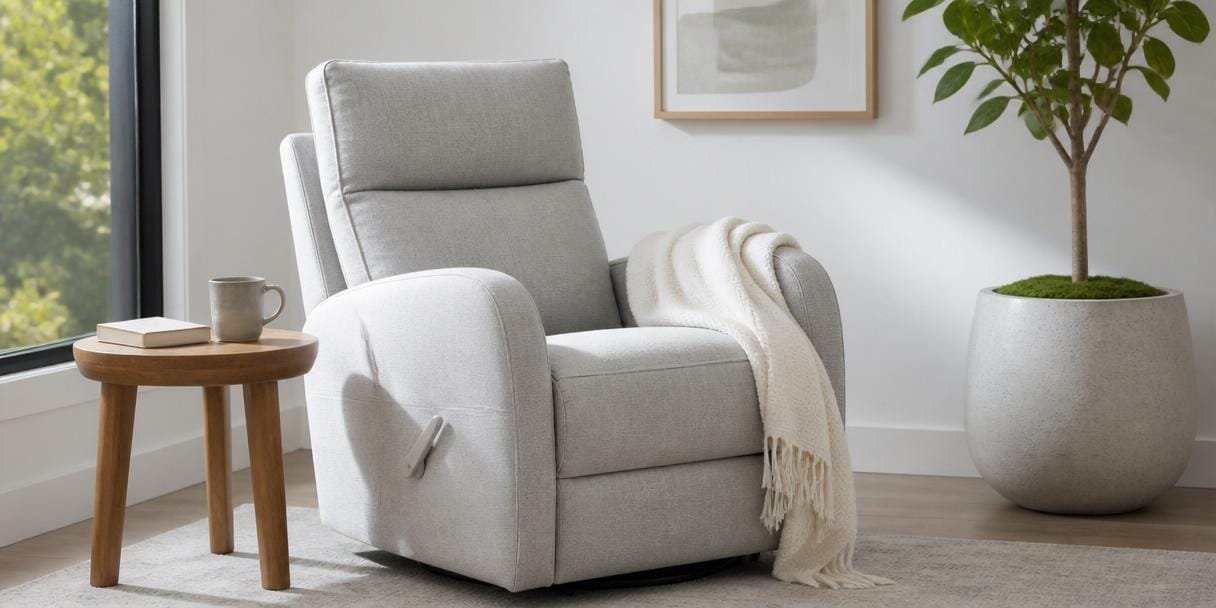
A wall recliner, also known as a wall hugger, uses a specialized track mechanism that slides the entire seat forward as it reclines. This unique engineering allows the chair to sit just four to six inches from a wall without hitting it. Homeowners choose these models to maximize square footage in tight rooms, apartments, and recreational vehicles.
Introduction
Are you trying to fit comfortable seating into a small living room without blocking your walking paths? Standard reclining chairs require up to fifteen inches of clearance behind the backrest to tilt open fully, which wastes valuable floor space. A wall recliner solves this specific problem through an engineered shifting base. This guide breaks down the design mechanics, highlights the practical advantages and disadvantages, and explains exactly how to choose the right model for your home layout.
Decoding the Mechanism of a Wall Hugger
Traditional reclining armchairs operate on a fixed pivot point. When you pull the lever or push back, the top half of the chair arcs backward and downward, demanding a massive empty zone behind the piece. If you place a standard chair too close to drywall, the headrest will scrape, dent, or puncture the surface during use. This design flaw forced furniture manufacturers to rethink how frames interact with small spaces.
A wall recliner changes the geometry of relaxation by using a gliding steel track system. When you activate the reclining function, the entire seat cushion and armrest assembly moves forward away from the wall while the backrest lowers into the newly created space. The footprint of the chair shifts forward into the room rather than expanding backward. Because of this specialized forward-gliding motion, you can position the back of the chair within a few inches of your wall.
As seen in the engineering layout above, the chair transitions through its reclining phases by sliding its base outward. The distance between the topmost point of the backrest and the wall stays virtually identical whether the footrest is down or fully extended. This precise mechanical design ensures your paint and drywall remain completely protected from friction damage.
Space Requirements
Most standard models from brands like La-Z-Boy or Ashley Furniture need a mere four to six inches of rear clearance. Some high-end zero-wall designs cut this requirement down to just two inches. In contrast, standard traditional recliners require twelve to eighteen inches of dead space behind them to achieve a full tilt.
Track Engineering
The core of this furniture piece is a heavy-duty steel alloy track assembly hidden inside the wooden base frame. Industrial rivets and nylon rollers guide the chair body along an inclined path. When weight is applied to the backrest, the mechanical advantage shifts the seating pocket outward on the horizontal plane.
Clear Benefits of Wall-Saving Designs
The most obvious reason to buy a wall-saving chair is the preservation of floor space. Homeowners living in urban apartments, tiny homes, or suburban townhomes often deal with shallow living rooms where every square inch matters. By eliminating the empty dead zone behind the furniture, you open up the center of the room for coffee tables, foot traffic, or play areas.
Layout flexibility is another major asset of these specialized frames. You can place these chairs directly in front of large windows, architectural columns, or built-in bookshelves without rendering those features useless. Designers frequently use them in pairs flanking a media console, keeping the seating line uniform and tidy against the perimeter of the room.
- Maximizes usable square footage by removing the traditional twelve-inch rear buffer zone.
- Keeps room layouts looking organized and tight since furniture lines up evenly with walls.
- Protects expensive interior paint, wallpaper, and drywall from accidental scuffs and tears.
- Provides excellent ergonomic lumbar support because the seating bucket shifts to maintain optimal body angles.
- Allows easier cleaning access since dust bunnies cannot accumulate in a massive hidden gap behind the chair.
Consider a real-world home upgrade in a tight space. A homeowner in a compact Boston condo swapped a traditional leather armchair for a West Elm wall-hugging model. The old setup required pushing the chair into the middle of the room, blocking the walkway to the balcony. The new forward-sliding design allowed the chair to sit flat against the back wall, instantly widening the main traffic lane by over a foot.
Potential Drawbacks and Engineering Trade-Offs
While space-saving chairs offer great utility, they come with specific engineering limitations. The primary trade-off involves the depth of the recline. Because the frame focuses on forward movement, many wall huggers cannot achieve a completely flat, horizontal sleeping position. If you use your living room chair as an occasional guest bed, a standard lay-flat model might serve you better.
The forward-shifting motion also alters how the chair occupies the room when it is in use. When you fully extend the footrest, the front of the chair pushes significantly further into your living space than a standard chair would. This means you must leave ample room in front of the chair to avoid crashing into coffee tables, area rugs, or media stands.
- Limited maximum recline angles prevent users from achieving a true flat sleeping posture.
- Increased front-end extension requires keeping a clear five-foot zone in front of the chair base.
- Higher mechanical complexity means more moving parts that could eventually squeak or require lubrication.
- Elevated retail costs due to the heavier steel tracks and specialized manufacturing steps.
- Weight distribution changes during extension can make some lightweight models feel slightly unstable if you lean forward quickly.
Mechanical wear is a real factor over long periods. A family in Chicago reported that their heavily used motorized wall hugger developed a minor click after three years of constant cycling. Because the entire weight of the occupant moves across horizontal rails, these mechanisms experience higher shear stress than standard static pivots. Buying a model with a solid lifetime warranty on the mechanism mitigates this risk.
Ideal Use Cases and Room Environments
Certain environments are perfect matches for wall-hugging furniture. Recreational vehicles and travel trailers represent the ultimate use case. RV interiors are notoriously narrow, often measuring less than eight feet across. Installing a standard reclining chair is impossible in these spaces without blocking the center aisle, making a tight wall-hugging frame the industry standard for custom camper van conversions.
Nursery spaces also benefit immensely from this design. New parents need a comfortable, supportive chair for late-night feedings but rarely have massive bedrooms to spare. Placing a compact nursery glider or wall recliner right next to the crib or changing table ensures comfort without creating a cramped, hazardous footprint during dark evening hours.
+-------------------+-------------------------+-------------------------+
| Environment       | Space Constraint        | Why Wall Recliner Wins  |
+-------------------+-------------------------+-------------------------+
| Motorhomes / RVs  | Extreme narrow aisles   | Fits tight slide-outs   |
| Studio Apartments | Combined sleep/live zone| Frees up center floor   |
| Small Nurseries   | Crib & dresser crowding | Places safely near walls|
| Home Theaters     | Row-by-row tiering      | Minimizes row depth     |
+-------------------+-------------------------+-------------------------+
Home theater design is another field where these chairs shine. When you build multi-tiered stadium seating for a media room, you want to fit as many rows as possible. Using standard chairs means expanding the depth of each platform to prevent the front row from getting hit by the back row. Choosing wall-hugging theater seats allows you to pack rows closer together, increasing total seating capacity without sacrificing legroom.
Comparing Key Options Before You Shop
When shopping at retailers like Pottery Barn, IKEA, or Wayfair, you will encounter two main control styles: manual and power-operated. Manual wall recliners use an internal pull-cord or an external side lever to release the footrest latch. These models are generally lighter, cheaper, and do not require placement near an electrical outlet. However, they offer fewer incremental position options.
Power wall recliners use electric motors controlled by a side switch, button panel, or remote control. These systems allow you to stop the recline at any exact angle, providing custom comfort for your back and legs. Many modern electric versions also feature built-in USB charging ports for phones and tablets. The main downside is the dependence on a wall plug, though some brands offer rechargeable lithium-ion battery packs to solve this placement issue.
Material Selection
Fabric choices range from heavy performance polyesters to top-grain leathers. If you have pets or young children, performance fabrics resist stains and clean up easily with mild soap. Leather offers unmatched durability and classic style but commands a much higher price tag and requires annual conditioning to prevent cracking.
Frame Construction
Look for frames built from kiln-dried hardwood or furniture-grade plywood rather than cheap particleboard. The steel mechanism should be secured with heavy t-nuts and bolts rather than simple wood screws. A sturdy frame prevents the chair from warping or leaning over years of daily forward-and-back transitions.
Wrap Up
A wall recliner is a smart, practical solution for modern homes where square footage comes at a premium. By sliding forward on a track rather than tilting backward, these chairs provide deep relaxation without damaging your walls or eating up valuable floor space. While they cost a bit more and cannot lie completely flat, their space-saving benefits make them an excellent investment for apartments, home theaters, and tight living spaces.
FAQs Section
Do wall recliners lay completely flat for sleeping?
Most standard wall recliners cannot lay completely flat because their tracking systems prioritize forward movement over deep backward tilting. If you require a true horizontal sleeping surface, you should look for specialized lay-flat recliners, though these will require significantly more clearance behind the frame.
How much space does a wall hugger recliner need from the wall?
A typical wall hugger recliner requires only four to six inches of clearance between the back of the headrest and the wall to operate safely. Some specialized zero-clearance models can sit as close as two inches without touching the wall during full extension.
Can you put an area rug under a wall recliner?
Yes, you can place an area rug under a wall recliner, but you must ensure the rug is flat and low-pile. Because the base mechanism moves forward, a thick shag rug can get caught in the moving steel tracks, causing mechanical jams or fabric tears.