
TL;DR
Authentic boho African furniture pairs hand-carved wood, often Ashanti-style stools, mudcloth-patterned cushions and woven rattan, with neutral, sun-bleached interiors. Buyers should check wood species, joinery quality and whether a piece is truly African-sourced or just African-inspired, since most retail “boho African” furniture actually uses Indonesian mango wood or Indian sheesham.
Introduction
Why does a single carved stool from Ghana cost three times more than a similar-looking piece at a big box store? The answer sits in the wood, the hands that shaped it, and the supply chain behind it. This piece walks through what artisan wood furniture in boho African style actually means, which materials hold up, which brands are worth a look, and where shoppers waste money on pieces that fade or crack within a year.
The Wood Species Behind Authentic African Craftsmanship
Real African-made furniture leans on a short list of dense, climate-tolerant woods. Iroko, sapele and African mahogany from the Khaya genus dominate workshops in Ghana, Nigeria and Cameroon because they resist termites and humidity swings without heavy chemical treatment. Wenge, darker and heavier, shows up in higher-end accent tables and stools sold through galleries like Southern Guild in Cape Town.
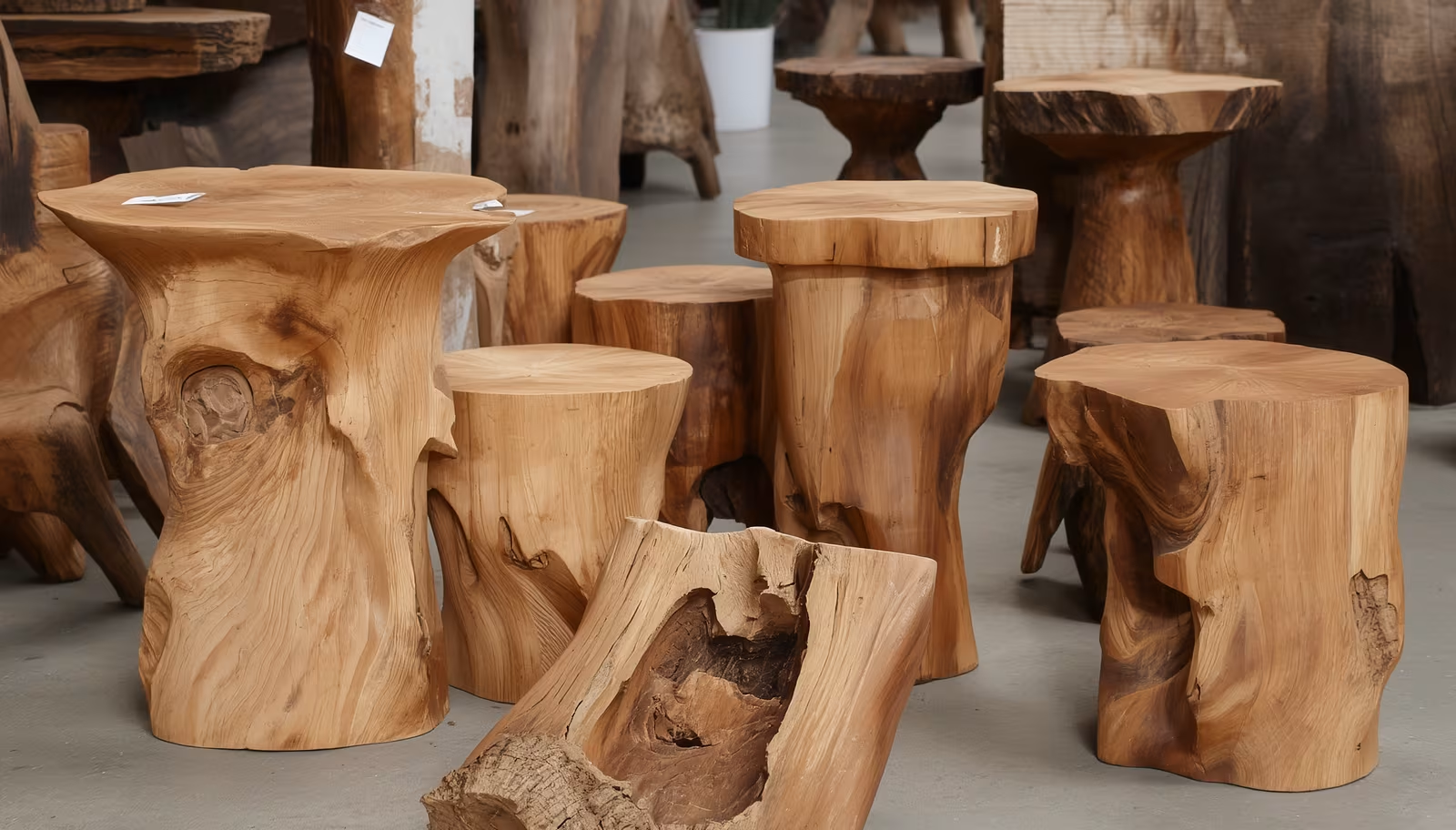
Most furniture labeled “African boho” on sites like West Elm or Pottery Barn never touches African soil. It’s carved from Indonesian mango wood or Indian sheesham, both softer and cheaper to ship. That’s not automatically a flaw; mango wood takes stain well and costs roughly 40 to 60 percent less than true iroko. The problem comes when retailers blur the line and shoppers pay premium prices for a piece that’s geographically misleading.
Some smaller importers, including Tribal Decor House and a handful of Etsy workshops based in Accra and Lagos, ship verified iroko and sapele pieces directly. Buyers paying $300 or more for a stool should ask for the wood species in writing before checkout.
Sustainability matters too. Iroko harvested without FSC certification has contributed to deforestation pressure in parts of Ghana and the Ivory Coast over the past two decades. Workshops certified under the Forest Stewardship Council, or those using reclaimed timber from old construction beams, cost slightly more but reduce the environmental cost behind a single stool.
A carver in Kumasi explained to a buyer last year that reclaimed mahogany beams from demolished colonial-era buildings now supply nearly a third of his workshop’s stock, a pattern showing up across several West African furniture towns.
- Iroko and sapele: dense, rot-resistant, common in West African workshops
- Wenge: dark, heavy, used in gallery-grade accent pieces
- Mango wood and sheesham: lighter, cheaper, often mislabeled as “African style”
- Teak: occasionally used in East African coastal furniture, more water-resistant
Carving Techniques and Cultural Motifs That Define the Look
The Ashanti stool from Ghana remains the most copied silhouette in the entire boho furniture category. Traditionally carved from a single block with no joinery, it carries a curved seat and a solid base meant to represent stability within a household. Designer Justina Blakeney, founder of the Jungalow brand, has repeatedly pulled this exact silhouette into mass-market collections sold through Living Spaces and her own online shop.
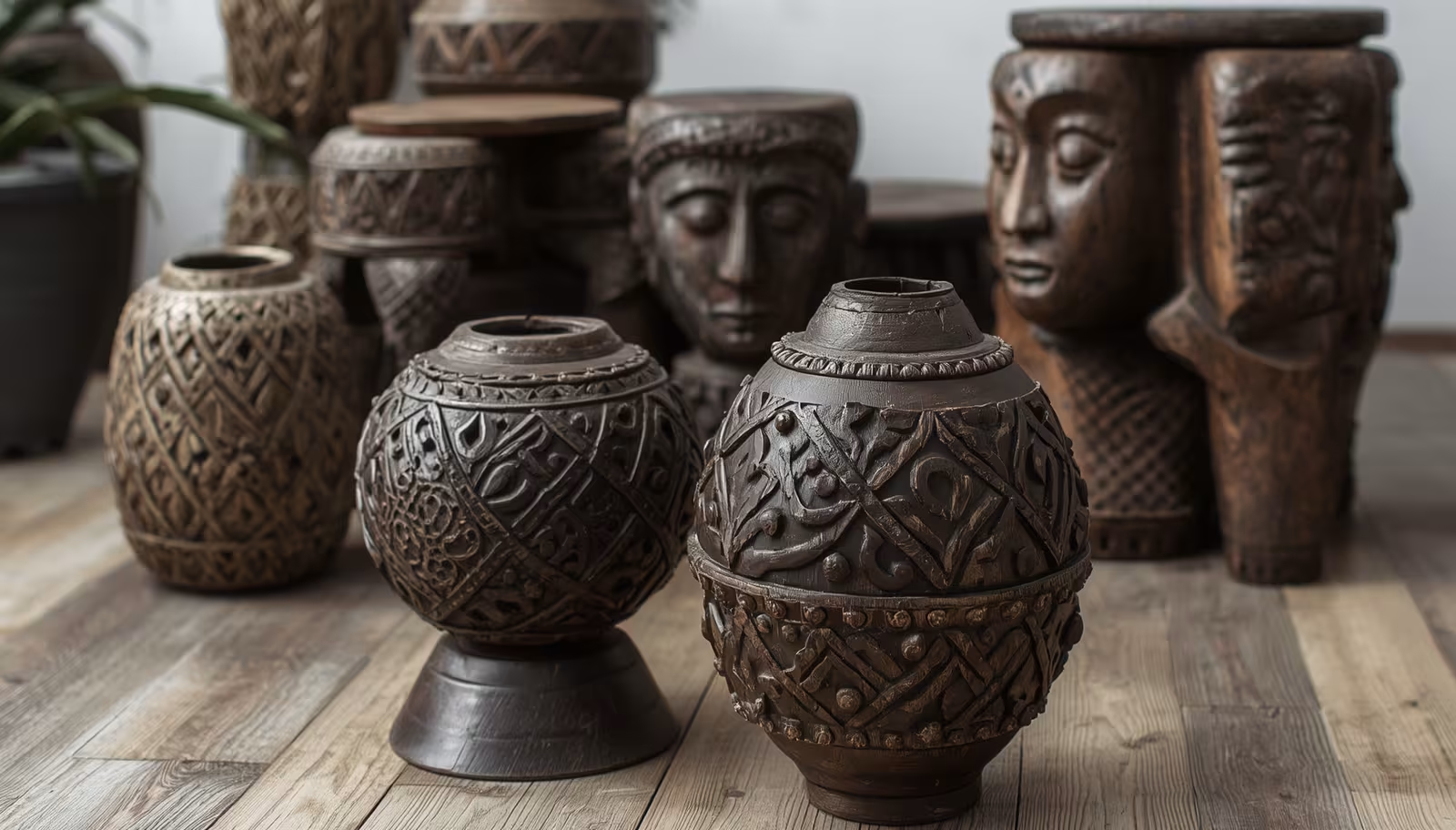
Ndebele geometric patterns from South Africa and Kuba cloth motifs from the Democratic Republic of Congo also appear, usually painted or burned onto flat surfaces like cabinet doors and tabletop edges rather than carved. Pyrography, the technique of burning patterns into wood with a heated tool, lets workshops add detail without the labor cost of deep relief carving, which keeps retail prices closer to $150 to $400 for mid-size pieces.
A reader named Daniel in Portland bought a carved console marketed as “tribal African” only to find the motifs were a generic geometric print with no cultural reference point at all. He returned it and bought a piece from a Ghanaian-run workshop instead, paying about 25 percent more but receiving documentation on the motif’s origin. That kind of due diligence separates collectors from casual decorators.
- Ashanti stool silhouette: single-block carving, no joinery, symbolic curved seat
- Ndebele geometric patterns: bold color blocks, often painted rather than carved
- Kuba cloth motifs: woven textile patterns translated onto flat wood surfaces
- Pyrography: burned detail work, faster and cheaper than deep relief carving
Adinkra Symbols and What They Actually Mean
Adinkra symbols, originating with the Akan people of Ghana, carry specific meanings rather than decorative flourish alone. The Gye Nyame symbol, representing the supremacy of a higher power, and Sankofa, representing learning from the past, show up carved into cabinet panels and stool legs across both authentic and imitation furniture lines.
Buyers who recognize these symbols can spot when a brand applies them accurately versus when a pattern is invented to look vaguely African without any real cultural root, a distinction that matters for shoppers who care about provenance over aesthetics alone.
Styling Boho African Furniture with Textiles and Color
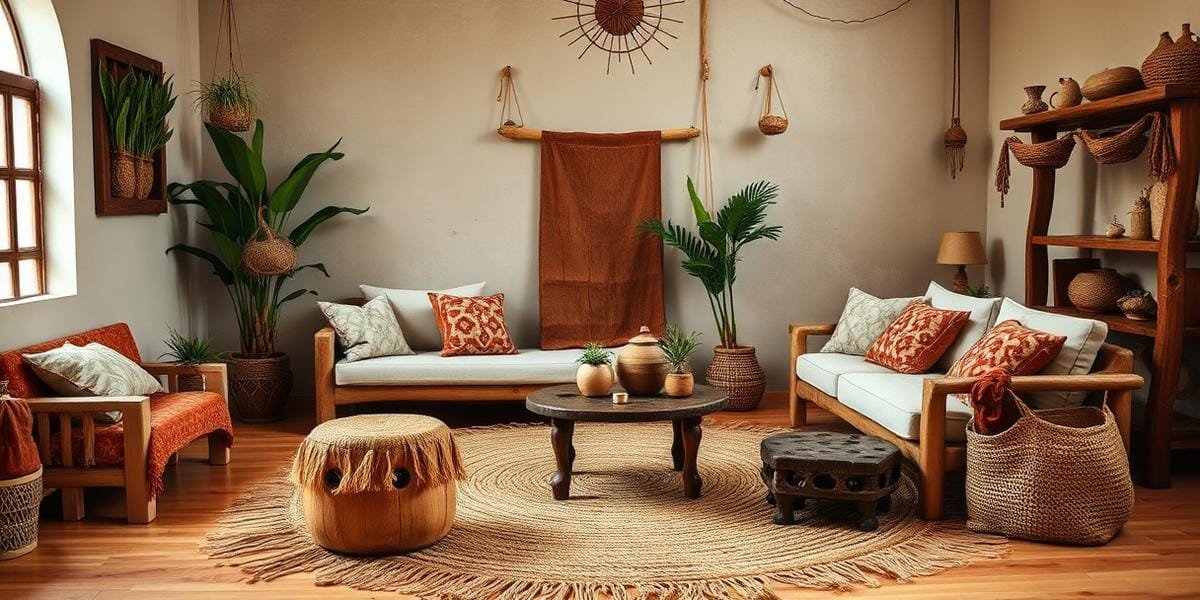
Furniture this textured needs restraint everywhere else in the room. Designers working in this style typically pair carved wood pieces with neutral linen, raw cotton or jute rugs from brands like Ruggable, since busy patterned floors compete with carved surfaces instead of supporting them. Ini Archibong, the Nigerian-Swiss designer known for his work with Hermès and Cassina, has spoken about letting negative space carry as much weight as the carved form itself.
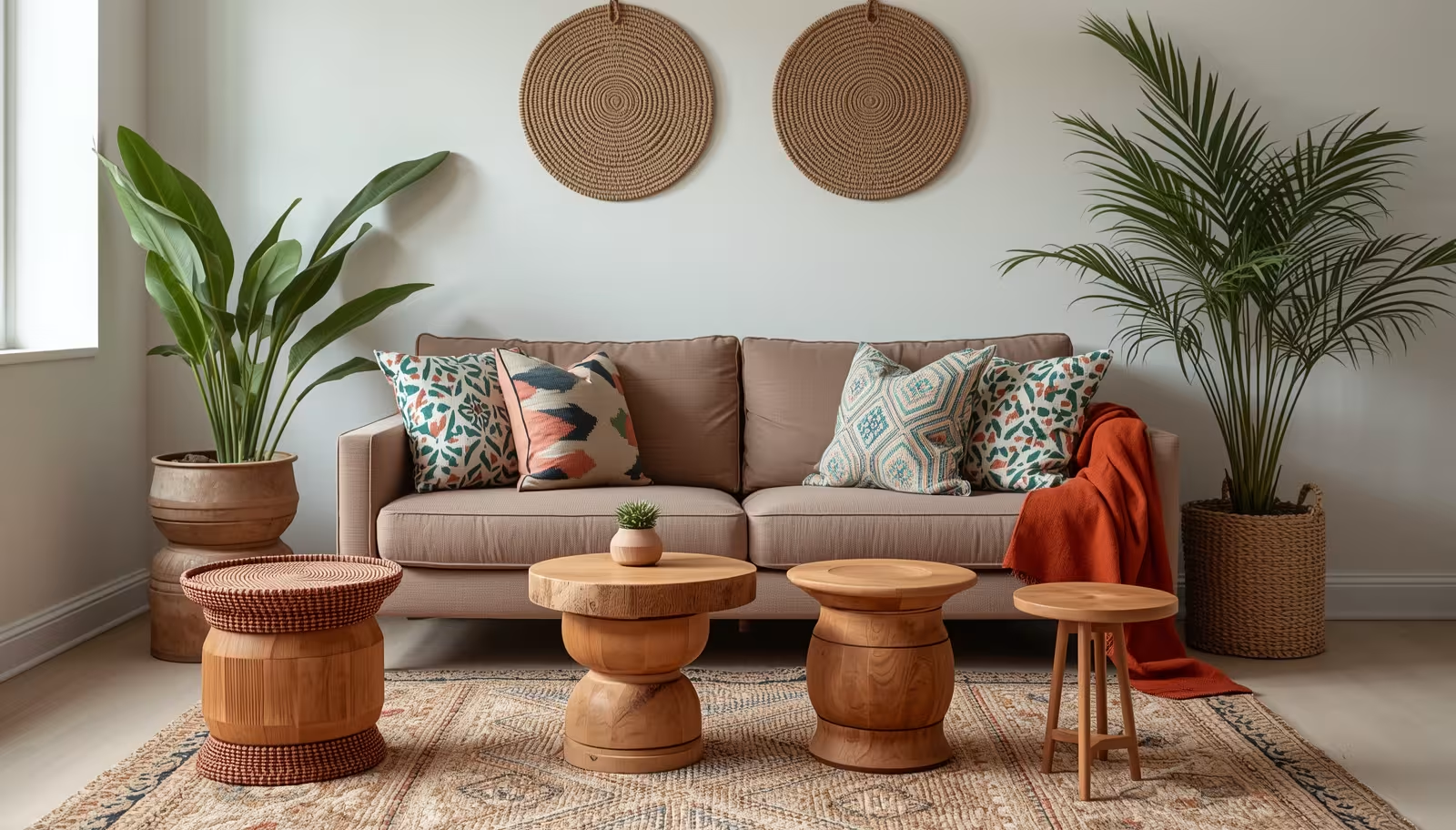
Color tends to stay earthy: terracotta, sand, deep ochre and charcoal. A single mudcloth-print cushion or a Kuba-pattern throw adds the cultural texture without overwhelming the wood grain. Layering three or more patterned textiles in one seating area is the most common mistake, and it flattens the visual hierarchy a good carved piece is built to create.
- Neutral jute or cotton rugs to let carved wood stand out
- One patterned textile accent per seating zone, not three or four
- Earthy palette: terracotta, ochre, sand, charcoal
- Brass or clay accessories pair better than chrome or polished steel
Lighting changes how carved detail reads in a room. Woven rattan pendant shades, sold widely through Anthropologie and Serena & Lily, throw dappled shadow patterns across carved surfaces at night, deepening the texture that flat overhead light flattens out. A warm bulb around 2700K reads closer to natural firelight, which suits the earthy palette far better than a cool white LED.
Where This Furniture Fits Best in a Home
Carved stools and low tables work best as accent pieces rather than primary seating, since most traditional designs prioritize symbolism over ergonomic comfort. A living room corner, an entryway, or a reading nook suits a single Ashanti-style stool far better than a full dining set built entirely from carved African motifs, which can read as costume rather than design.
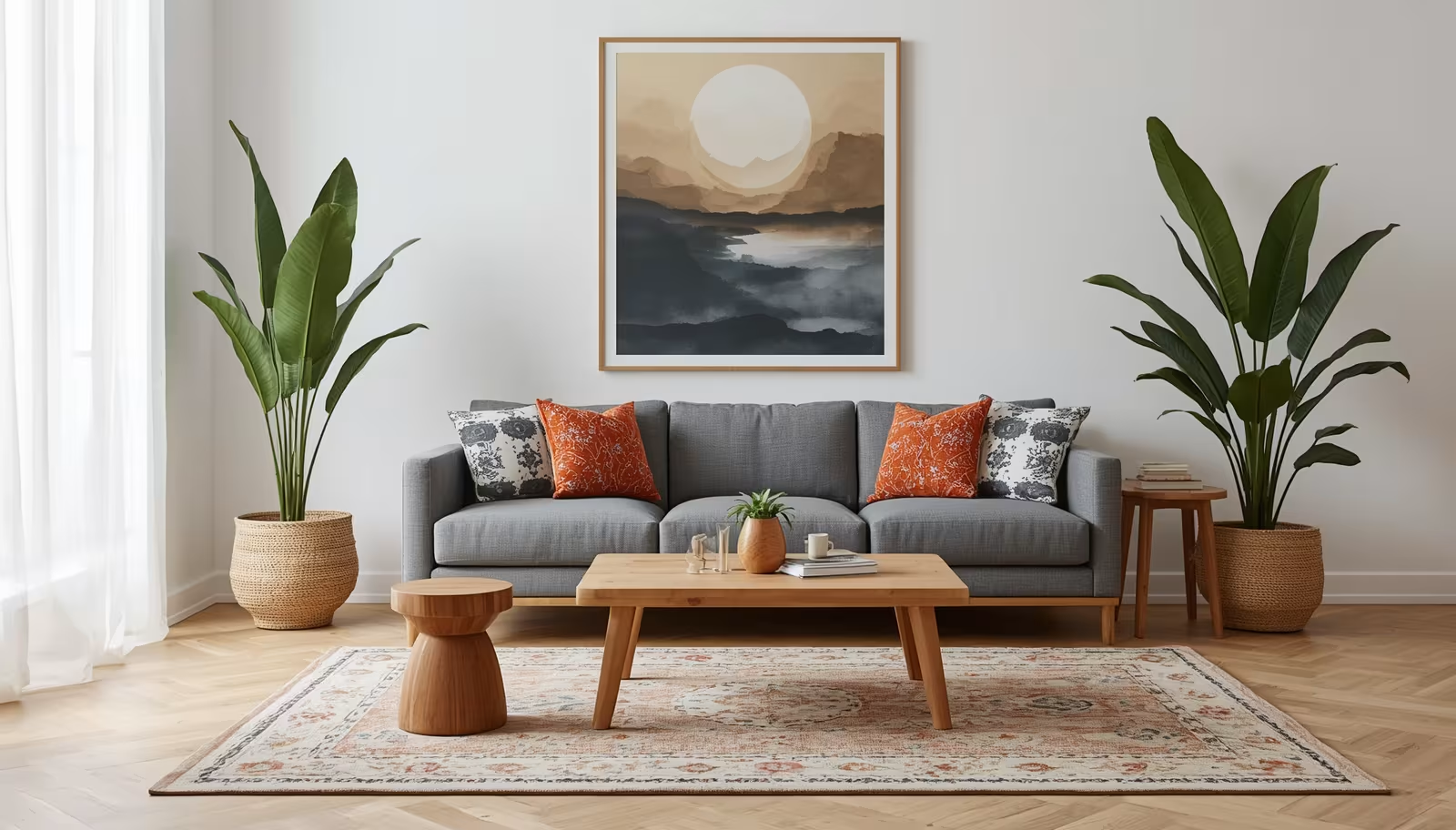
Apartments in humid coastal cities face a specific risk: dense hardwoods like iroko handle moisture well, but softer mango wood pieces can warp within two years near open windows or beach-facing balconies. A buyer in Miami reported cracking in a $220 mango wood side table after one rainy season, while a similar iroko piece from a different seller showed no damage after three years in the same climate.
- Entryways and reading nooks suit single carved accent pieces well
- Avoid an entire room of carved motifs; it reads as theme decor, not design
- Coastal or humid climates need iroko, teak or sealed hardwoods over raw mango wood
- Pair one statement piece with simpler, modern furniture from IKEA or CB2
Studio apartments present a different challenge than houses, since floor space rarely allows for both a dining set and lounge seating in carved wood. A renter in Brooklyn solved this by choosing a single carved bench that doubles as a coffee table and extra seating during gatherings, rather than buying separate carved pieces for each function. That kind of dual-purpose thinking keeps a small room from feeling cluttered while still showing off the woodwork.
Cost, Care and Buying Smart
Genuine hand-carved African hardwood pieces typically start around $180 for a small stool and climb past $1,200 for gallery-grade consoles or dining tables. Mass-market mango wood versions run $60 to $250. The price gap reflects labor hours, since a single Ashanti stool can take a skilled carver eight to twelve hours by hand, compared to a few minutes on a CNC router for mass-produced lookalikes.
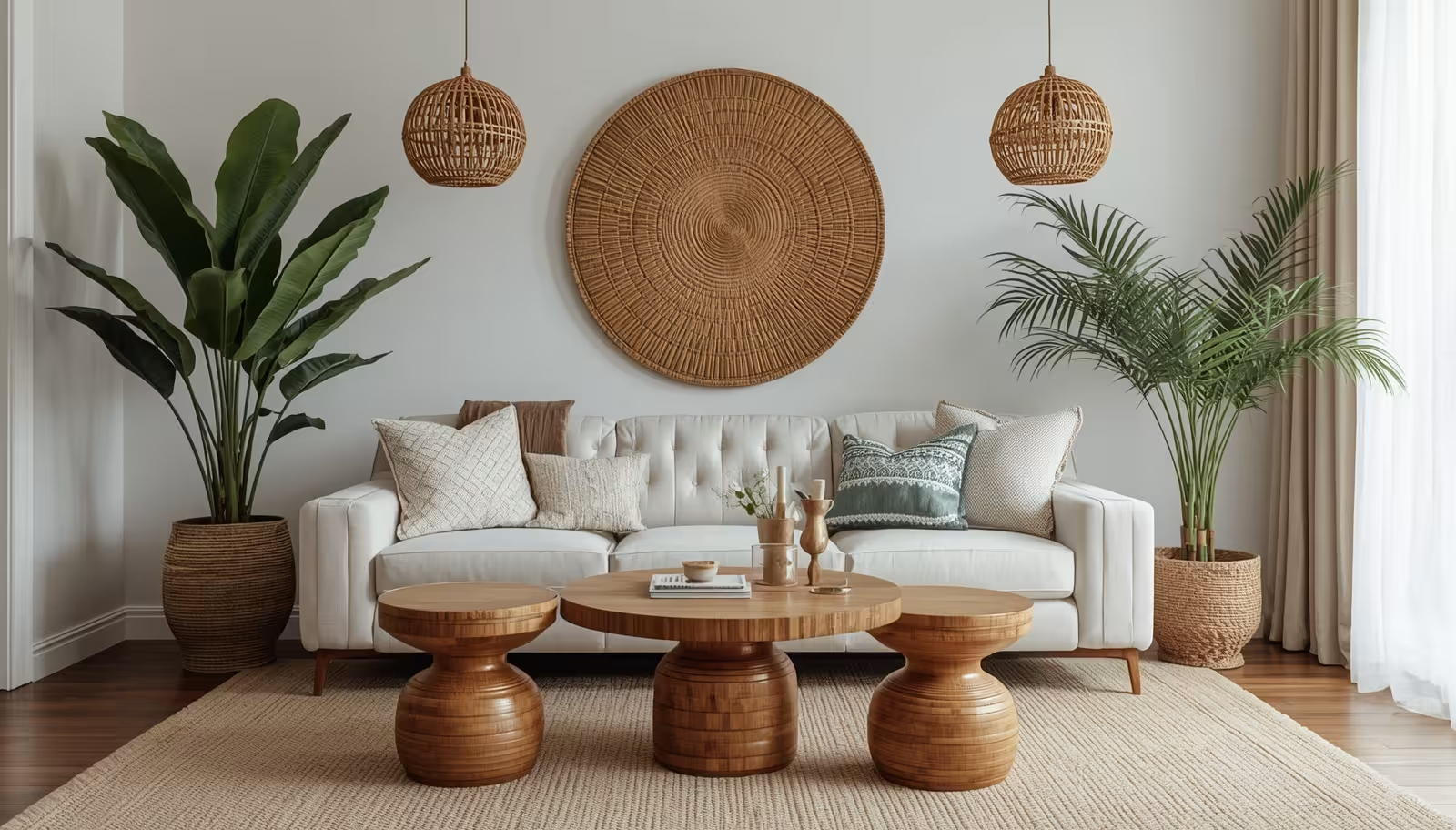
Care stays simple but matters. Wipe with a dry or barely damp cloth, avoid direct sun exposure that bleaches carved detail unevenly, and oil dense hardwoods once or twice a year with a food-safe wood oil to prevent surface cracking. Skipping oiling for two or three years is the single biggest reason carved stools develop hairline splits along the grain.
- $180 to $1,200+ for verified hand-carved hardwood pieces
- $60 to $250 for mass-market mango wood or sheesham versions
- Annual or biannual oiling prevents grain cracking in dry climates
- Avoid placing pieces in direct, prolonged sunlight near south-facing windows
A well-maintained hardwood piece, oiled regularly and kept out of direct sun, can last 20 years or longer, often outliving several rounds of cheaper furniture replaced every five to seven years. Few small workshops offer formal warranties, so buyers should photograph the piece and keep the receipt as proof of purchase, since most disputes over cracking or warping happen within the first twelve months of ownership.
Wrap Up
Boho African furniture earns its place in a room through wood density, carving technique and honest sourcing, not just the look of carved patterns. Buyers who ask about wood species and origin before purchasing avoid the most common disappointments: warping, cracking and culturally generic motifs sold at premium prices. A single well-made piece, oiled twice a year and styled against a calm, neutral backdrop, outlasts and outperforms a room full of cheaper lookalikes.
FAQs
What wood is used in authentic African boho furniture?
Iroko, sapele and African mahogany are the most common hardwoods in genuinely African-made pieces, while mass-market versions often substitute Indonesian mango wood or Indian sheesham.
How do you tell real African carved furniture from imitations?
Ask the seller for the wood species and country of origin in writing, and look for asymmetry and tool marks typical of hand carving rather than the uniform finish of machine-cut pieces.
Is boho African furniture durable for everyday use?
Dense hardwoods like iroko and wenge hold up well to daily use and humidity, while softer mango wood pieces need drier indoor conditions and occasional oiling to avoid warping or cracking.
Disclaimer
This content shared by Fall Rugs is solely for research and informational purposes. Fall Rugs is not a professional interior design or home renovation consultancy, and the information provided should not be considered professional advice for home improvement or decor. All ideas and suggestions are based on current trends and general knowledge in the home decor industry.