

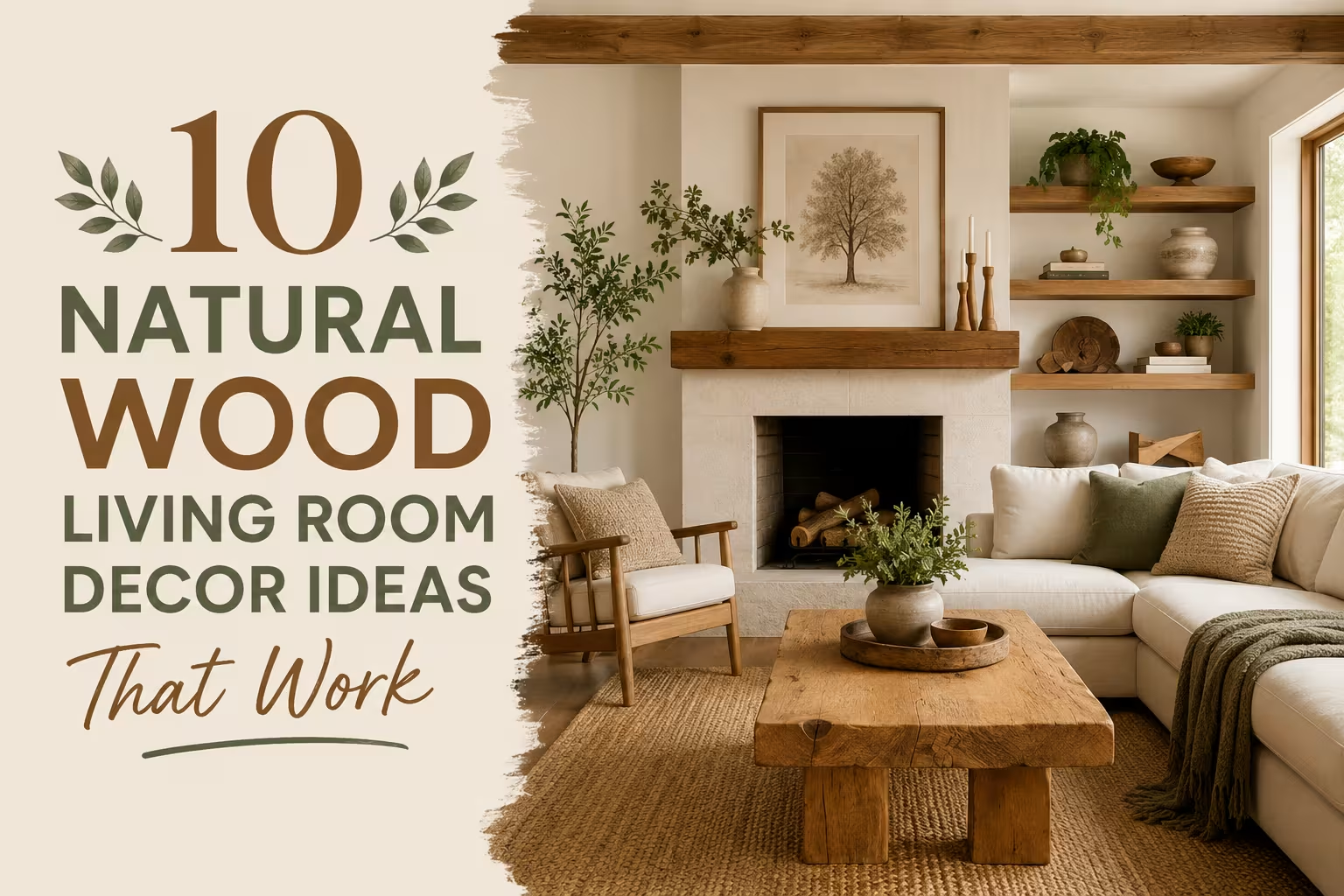
TL;DR
Natural wood decor brings warmth, texture, and a sense of calm to living rooms that paint and fabric alone can’t deliver. From walnut shelving and oak coffee tables to reclaimed accent walls and rattan side tables, wood elements work across modern, bohemian, Scandinavian, and transitional interiors. The goal is layering different wood tones, grains, and finishes so the space feels curated, not staged.
Introduction
What makes a living room feel genuinely liveable rather than just decorated? Most designers will point to texture first, and within texture, nothing performs quite like natural wood. It adds depth without visual noise, warmth without heaviness, and character without trying too hard. Whether you’re styling a compact apartment in Karachi or a sprawling mid-century home in Portland, Oregon, wood decor ideas anchor a room in a way that synthetic materials rarely do.
This article walks through ten specific, practical ideas, each grounded in how real rooms actually get styled.
1. Anchor the Room With a Solid Wood Coffee Table
A coffee table sits at the physical and visual center of most living rooms, which makes it the single highest-impact wood piece you can invest in. Solid oak and walnut dominate this category for good reason: both offer tight grain patterns, natural oils that resist everyday wear, and a warmth that photographs and ages well.
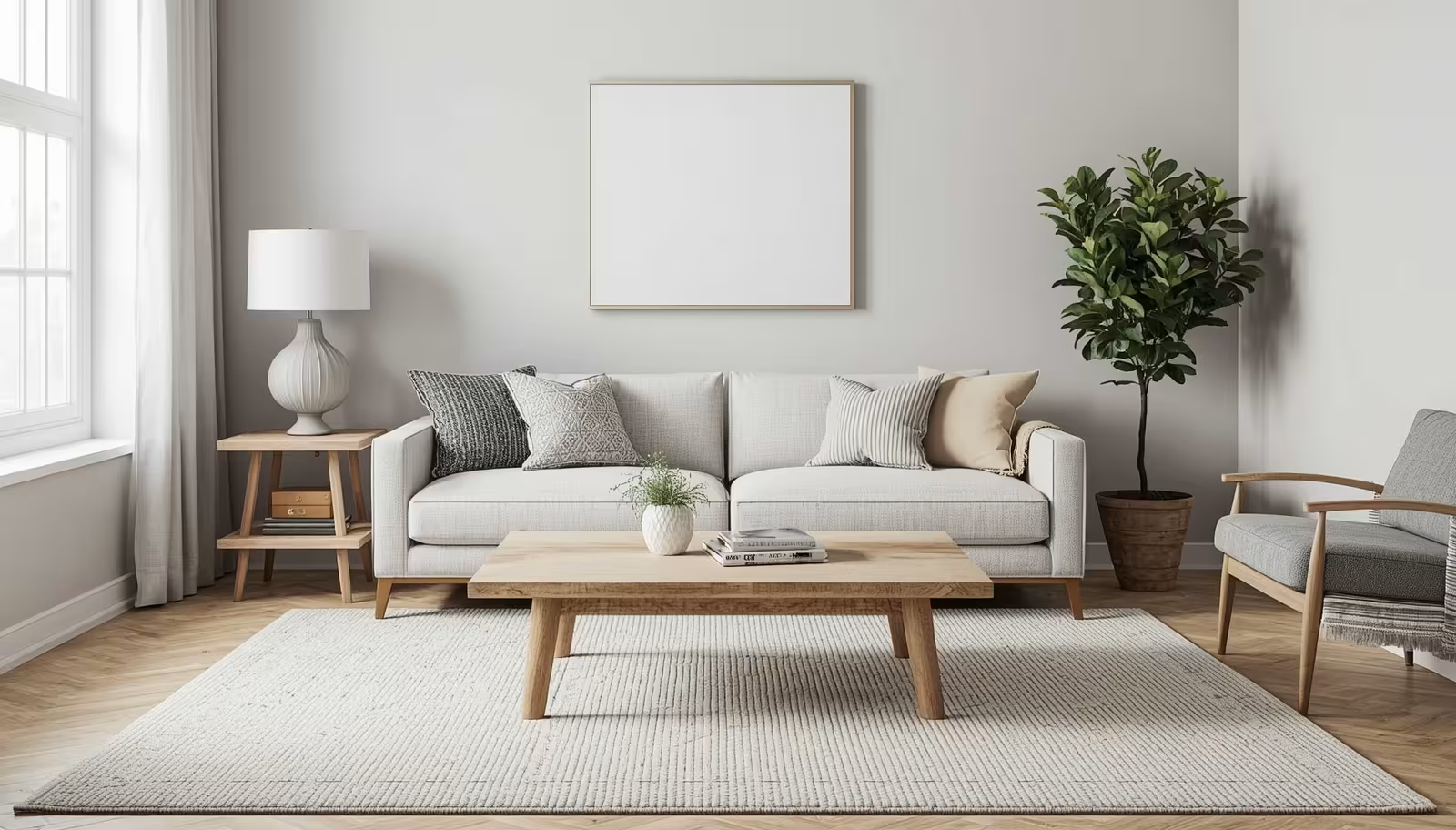
West Elm’s Anton Solid Wood Coffee Table in acorn finish, for example, brought walnut-look tones into mainstream living rooms around 2019 and remains a reference point for how medium-warm wood reads against grey or cream sofas.
The proportions matter as much as the material. A table that sits 16 to 18 inches high works with most standard sofas and sectionals. Go wider rather than taller in open-plan rooms, ideally 48 to 60 inches across, so the piece doesn’t feel lost in the space. Pair it with a jute or wool area rug underneath to ground it visually and separate it from hard flooring.
One common mistake is choosing a table with heavy trestle legs in a small room. The visual weight overwhelms the floor plan. In rooms under 200 square feet, look for tapered or splayed legs, which keep the silhouette light while still delivering the warmth of solid wood.
2. Layer in a Reclaimed Wood Accent Wall
Reclaimed wood accent walls peaked in popularity around 2014 to 2016 but have evolved significantly since then. The shiplap-every-surface trend gave way to something more restrained: a single textured wall in the 8 to 12 foot range, using boards with visible grain variation, nail holes, and slight tonal inconsistency. That patina is the point. It signals age and authenticity in a way that new pine painted brown simply cannot.
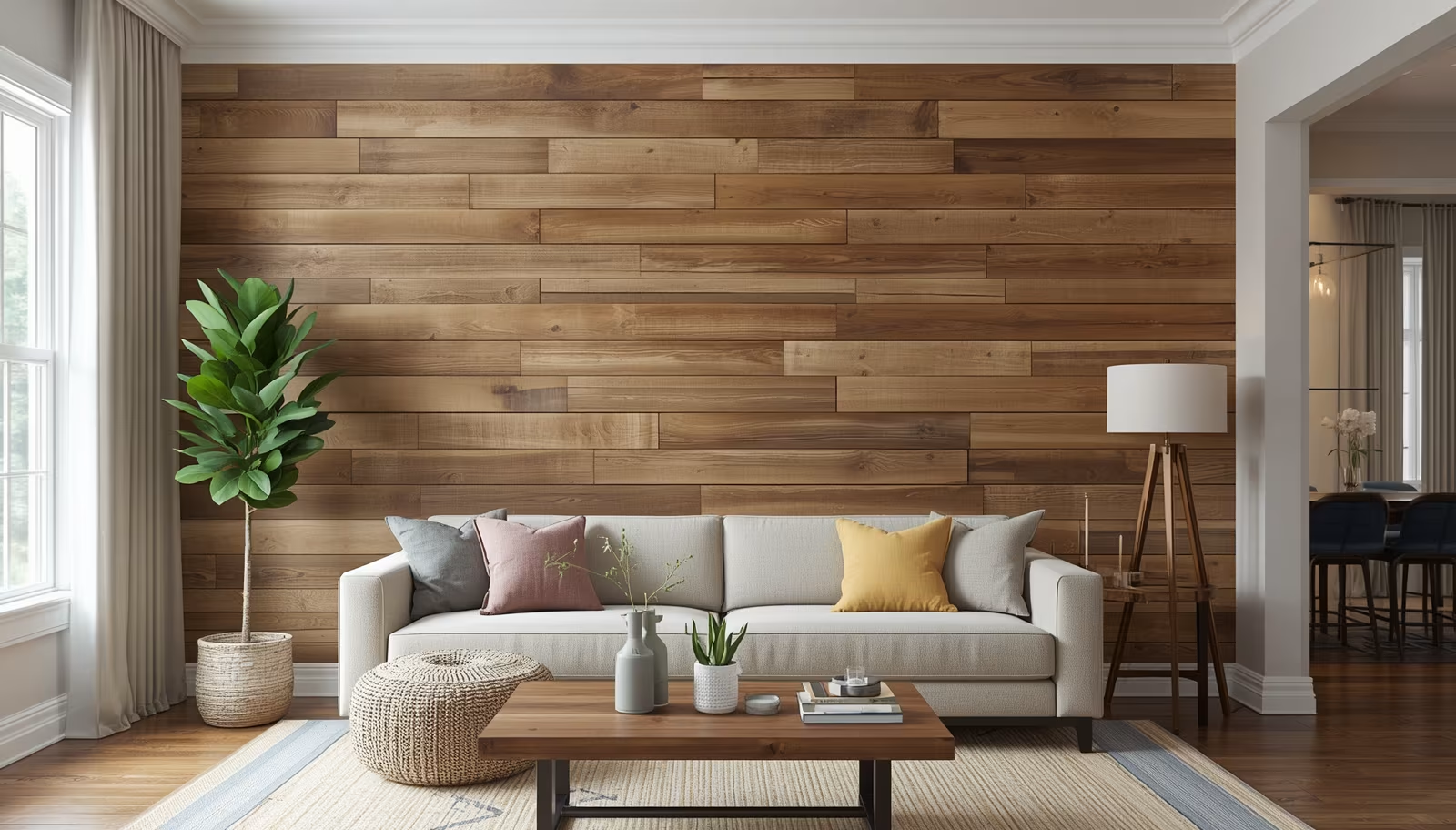
Design studios like Stikwood, based in Las Vegas, Nevada, produce peel-and-stick reclaimed wood panels that work without professional installation. A full accent wall in their Weathered Oak finish costs between $400 and $700 depending on square footage, which puts it within reach for most mid-budget renovations. For higher-end projects, salvaged barn wood sourced from structures in the American Midwest or rural France carries its own regional story.
Position the accent wall behind a sofa or TV console rather than on an entrance wall. The room reads better when the textured surface sits at the far end, drawing the eye into the space. Keep the three surrounding walls in warm white or linen tones to let the wood breathe.
3. Add Open Floating Shelves in White Oak or Ash
Floating shelves do double duty in a wood-forward living room: they introduce horizontal wood planes at eye level and give you a surface to style with books, ceramics, and plants. White oak and ash both offer pale, blonde-toned grain that reads as contemporary rather than rustic, making them versatile across Scandinavian, minimalist, and transitional interiors.
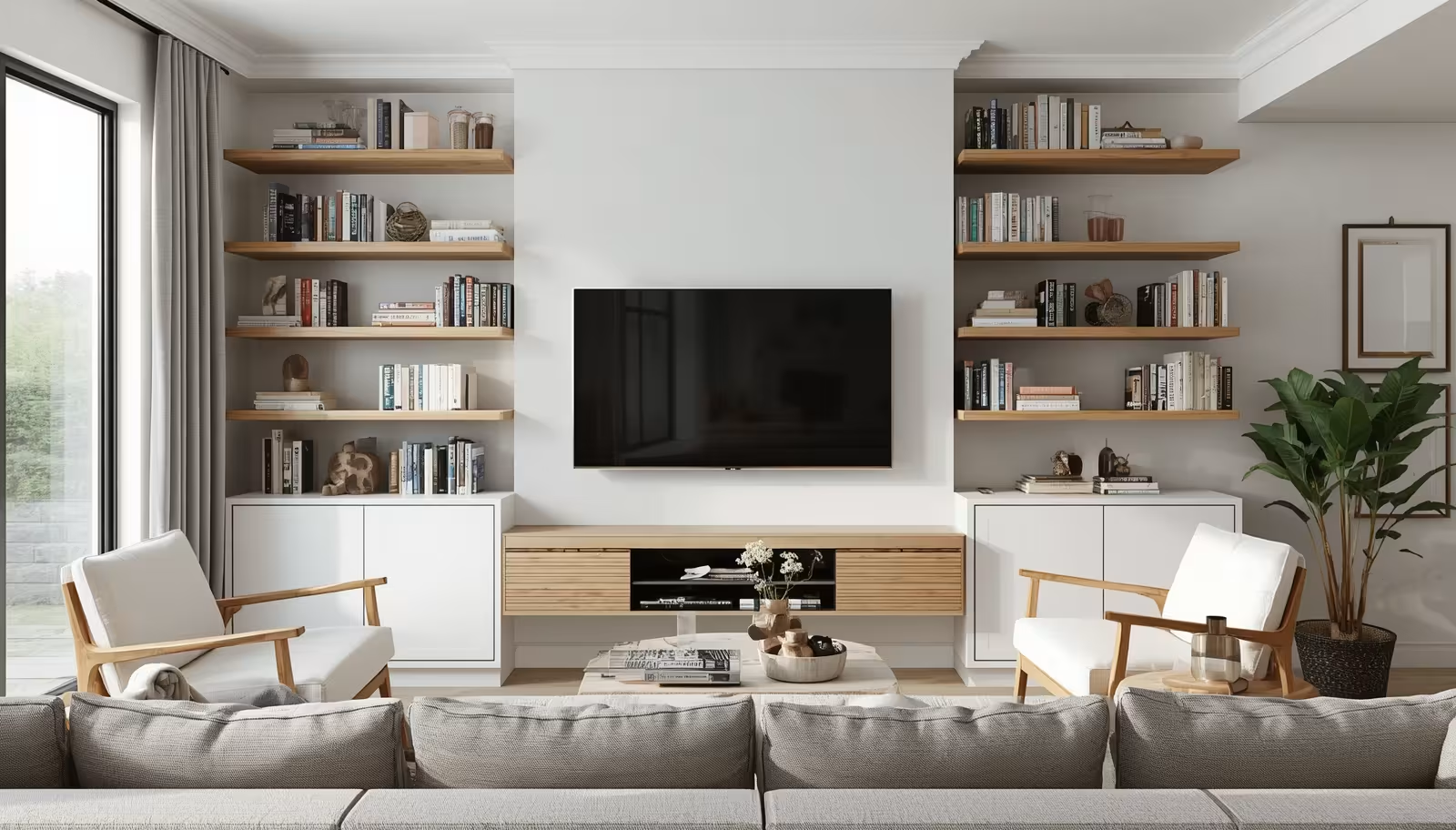
IKEA’s BERGSHULT shelf in white stained oak veneer costs under $50 per unit and has become one of the most widely installed floating shelves in residential interiors globally, precisely because the finish is neutral enough to work with most wall colours. For a more bespoke look, custom shelves in solid ash from a local millwork shop run between $80 and $200 per shelf depending on depth and bracket style.
Styling matters enormously here. A common mistake is lining shelves with too many small objects of similar height, which creates visual noise. The stronger approach uses groups of three: one tall object like a vase or candlestick, one medium piece like a stacked book set, and one low decorative item. Vary the textures across the group, mixing matte ceramics, woven baskets, and trailing plants.
4. Bring in a rattan or woven side chair.
Natural wood decor doesn’t stop at timber. Rattan, bamboo, and woven cane are botanical materials that read as part of the same natural family. A rattan occasional chair or side chair next to a sofa introduces a lighter, more organic texture that prevents a room from feeling too uniformly hard.
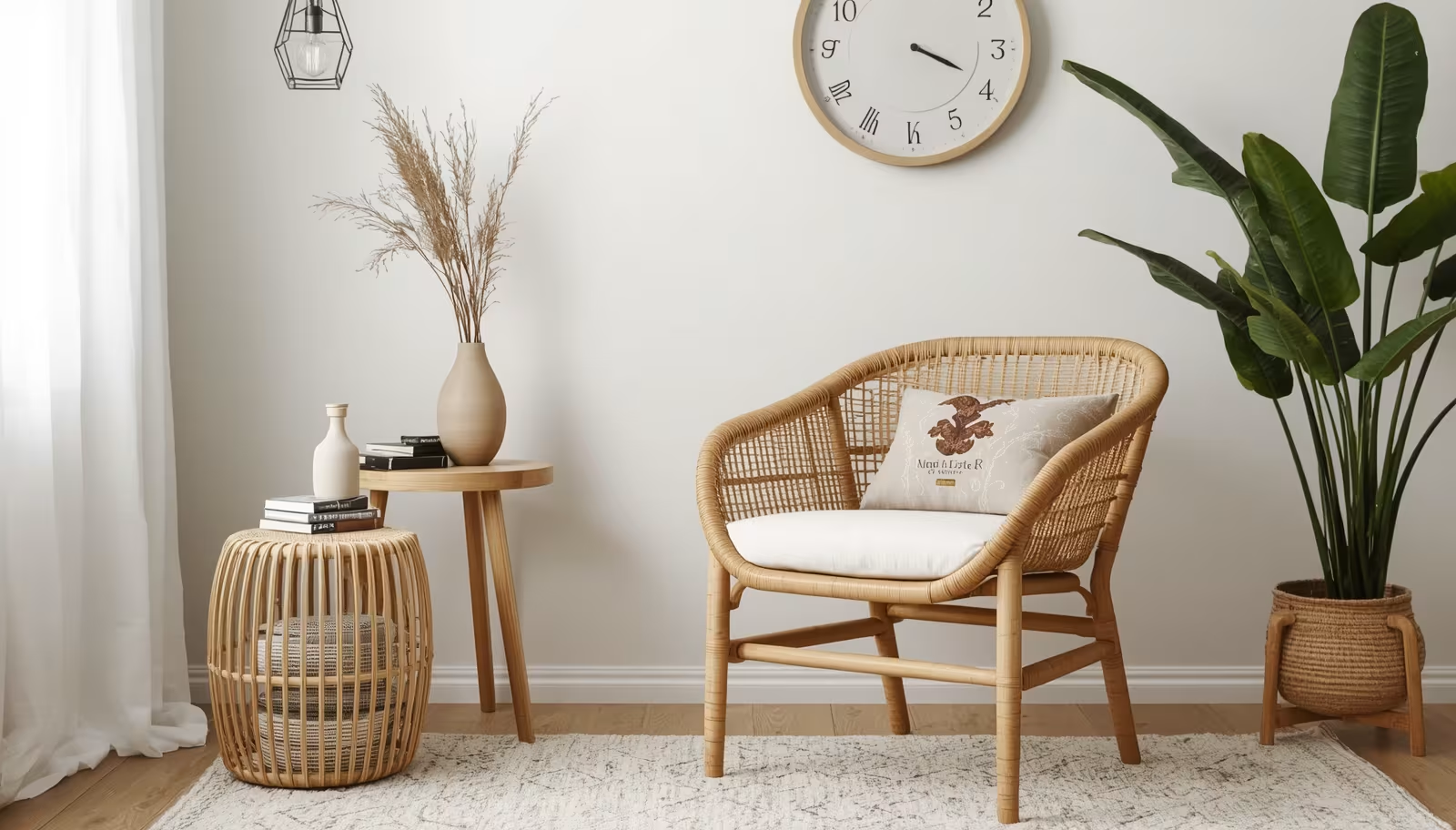
Justina Blakeney, the Los Angeles-based designer behind the Jungalow brand, has been one of the most visible advocates for mixing rattan furniture with painted walls and patterned textiles since around 2015. Her approach demonstrates that rattan doesn’t belong only in boho or tropical interiors. Against a warm sage or deep terracotta wall, a natural rattan chair with a linen cushion reads as sophisticated and grounded simultaneously.
Pottery Barn’s Seagrass Round Chair, priced around $699 as of recent seasons, and World Market’s Papasan Chair with a natural wood base are both widely available examples in the $200 to $700 price range. The key spec to check is the frame material: look for kiln-dried hardwood frames rather than pine, which warps more readily in humid climates.
5. Style a Console Table Behind the Sofa
Floating a sofa in the middle of a living room creates a common dead zone behind it. A narrow wood console table fills that gap with both function and visual structure. The standard depth runs between 12 and 16 inches, which is shallow enough to leave walkable floor space while still supporting lamps, trays, and decorative objects.
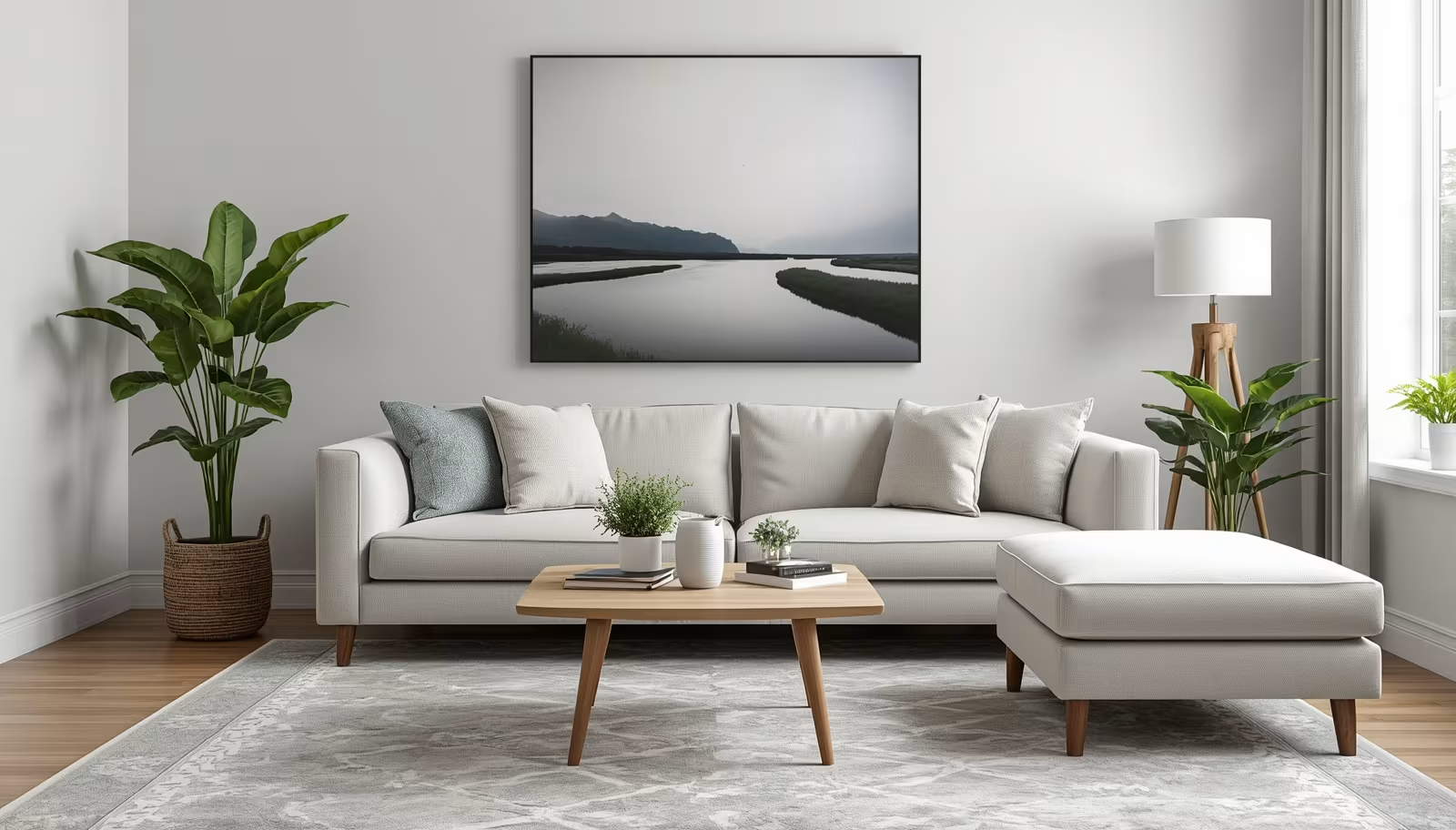
Solid acacia, mango wood, and mindi are the materials most commonly used at the mid-market price point, roughly $250 to $600. Acacia in particular has become a mainstay in the global home goods market because it grows quickly, takes stain well, and displays strong, swirling grain patterns that photograph distinctively. CB2’s Corten Wood Console and similar pieces from Article have brought this format into modern and transitional living rooms with clean-lined metal bases and natural wood tops.
Keep the styling on a console table intentional and asymmetric. A pair of matching lamps flanking a centred vase reads as hotel lobby rather than ‘home’. Instead, try one lamp offset to the left, a stack of art books in the middle, and a low trailing plant on the right. That asymmetry creates visual movement.
6. Introduce Wood Through Picture Frames and Art Displays
Picture frames are an underrated wood element. A gallery wall of thin walnut or dark oak frames on a white wall delivers wood tone and art simultaneously without requiring any furniture investment. The consistency of the frame material pulls a diverse mix of prints and photography into a cohesive arrangement.
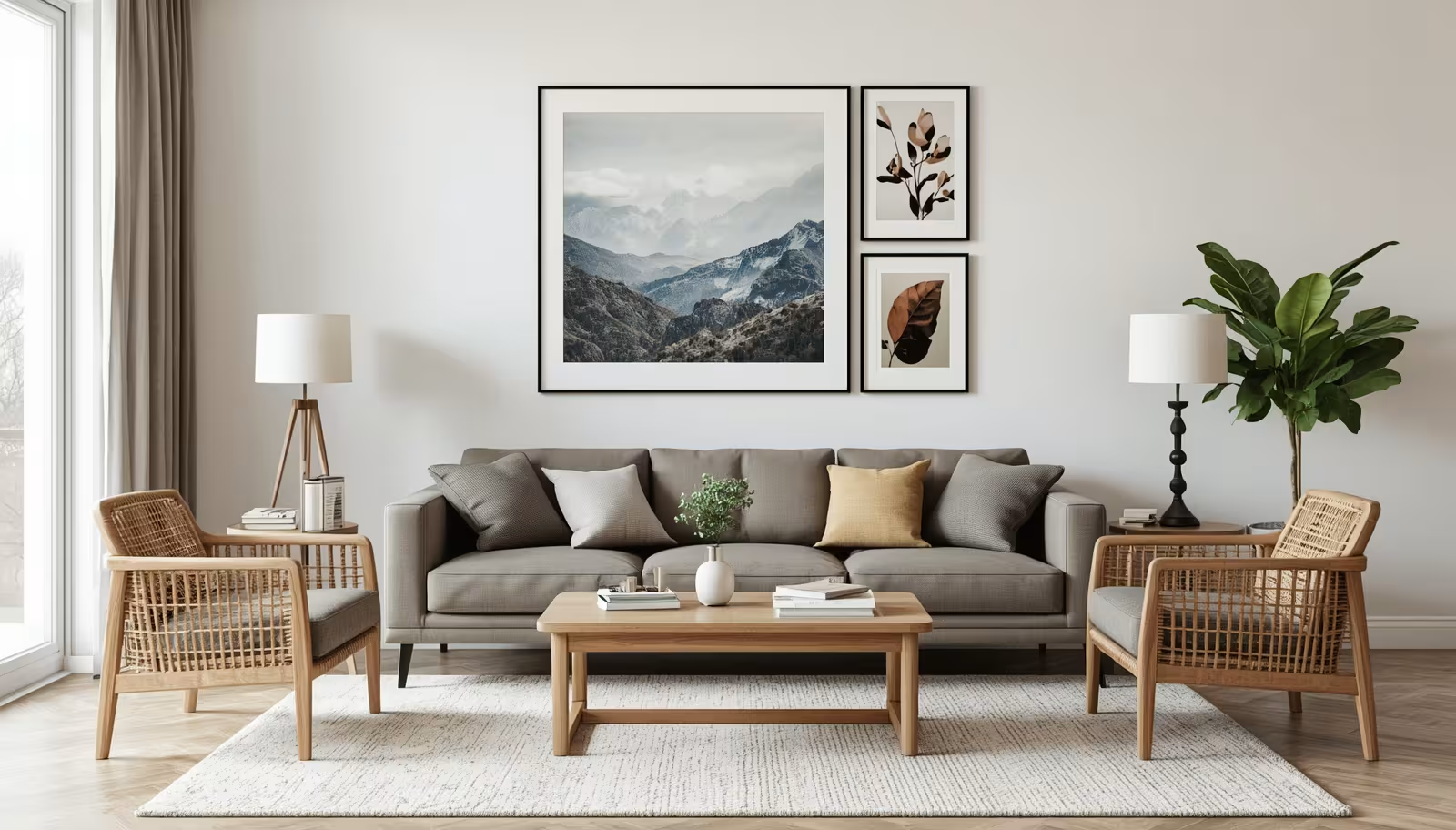
Gallery walls work best when planned on the floor before hanging. Lay out all frames, establish the rough overall shape of the grouping (a horizontal rectangle reads more modern; an irregular cluster reads more personal and lived-in), then measure and mark the wall. The distance between frames should stay consistent, typically 2 to 3 inches, to avoid the grouping looking scattered.
Framebridge, the Washington D.C.-based custom framing service, offers solid wood frames in walnut, maple, and cherry that ship flat and arrive ready to hang. Their Irvine frame in walnut finish is a popular choice for photography-heavy gallery walls. For budget-conscious setups, IKEA’s HOVSTA frame in dark brown ash-patterned veneer sells for under $15 and creates a convincingly solid-wood look at a fraction of the cost.
When to Mix Frame Finishes
Mixing wood-toned frames with matte black or brushed brass frames can work, but the ratio matters. Keep at least 60 to 70 per cent of the frames in one consistent material or finish. When the ratio tips past 50/50, the wall starts to look like a sample board rather than a curated display.
7. Use a Live-Edge Wood Shelf or Slab as a Statement Piece
Live-edge wood, where the natural outer edge of the tree slab is preserved and incorporated into the finished piece, adds a sculptural quality that no manufactured furniture can replicate. A single live-edge shelf above a fireplace or a live-edge console table against an entry wall brings the unpredictability of nature directly into an interior.
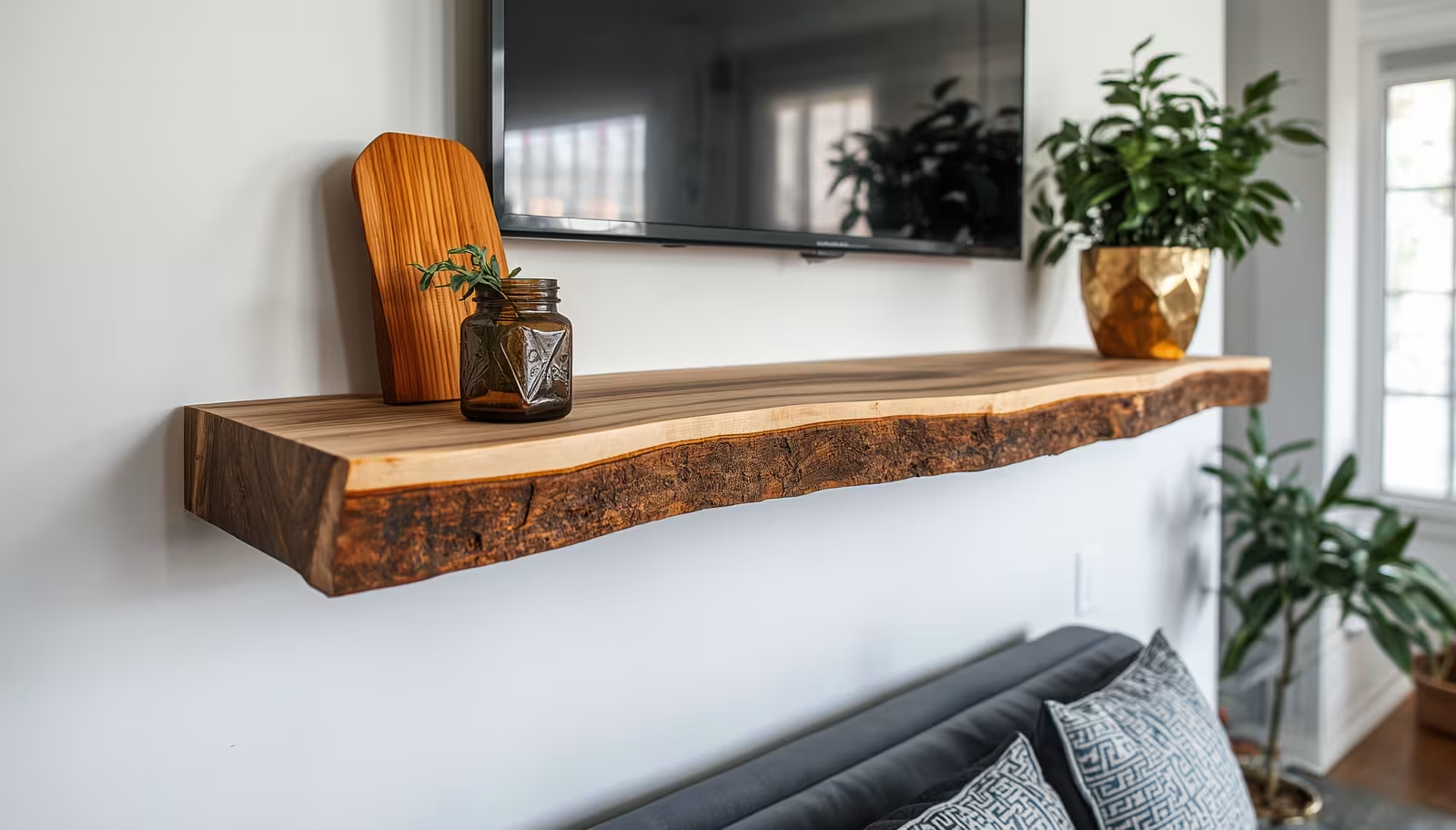
Black walnut is the most sought-after species for live-edge work in North American interiors, with a distinctive chocolate-brown heartwood that contrasts against the pale sapwood along the edges. A live-edge walnut slab shelf in the 48-inch range typically costs $300 to $800 from regional woodworkers. Etsy has become a major marketplace for these pieces, with makers in Oregon, British Columbia, and North Carolina listing custom-sized options.
The wood finish on live-edge pieces is critical. A matte or satin hardwax oil finish, like those from Rubio Monocoat, a Belgian brand, preserves the natural grain and colour without the plasticky sheen of polyurethane. It also makes maintenance easier: a light annual re-oiling keeps the piece looking fresh rather than dated.
Pairing Live-Edge With Modern Furniture
The most common pairing mistake is placing a live-edge piece in a room filled exclusively with rustic or farmhouse furniture. The contrast is actually the point. A live-edge walnut shelf looks most striking above a minimalist linear sofa in charcoal fabric, or next to clean-lined steel shelving. The contrast between the raw organic edge and the man-made precision around it creates the tension that makes the piece memorable.
8. Incorporate a Wood-Based Floor Lamp
A floor lamp with a wood base or a bamboo shade structure extends the natural material palette vertically into the upper third of the room, where most decor decisions stop. This is a subtle but meaningful move: it keeps the eye moving through the full height of the space rather than pooling at furniture level.
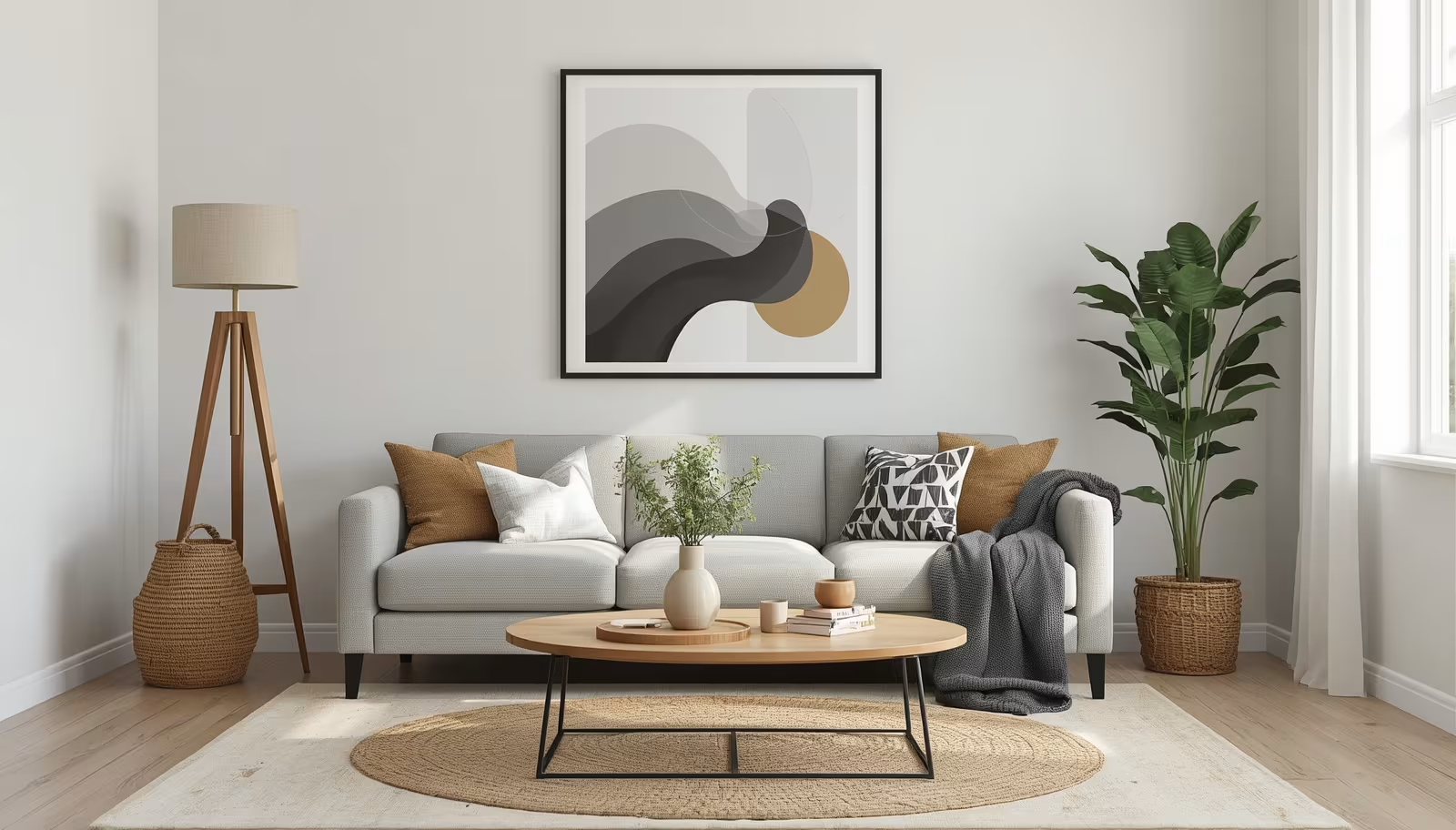
Muuto, the Danish design brand founded in Copenhagen in 2006, produces the Leaf Floor Lamp with an oak stem that has become one of the more recognisable wood-integrated lighting designs in contemporary interiors. It retails around $650. For a lower price point, West Elm’s Sculptural Wood Floor Lamp and similar designs from Article’s lighting range bring the same concept in at $150 to $300.
The bulb choice matters as much as the lamp design. Natural wood tones read warmest under 2700K to 3000K colour temperature bulbs. Higher colour temperatures, 4000K and above, push the wood toward grey and strip out the amber warmth that makes the material appealing.
9. Layer Wood Tones Rather Than Match Them
One of the most persistent myths in home decorating is that all wood tones in a room must match. They don’t. In fact, rooms where every wood element is the same species and finish tend to look like showroom floors rather than lived-in homes. The better approach layers two or three distinct tones: a dark walnut coffee table, medium-toned oak shelves, and a light ash side table, for example.
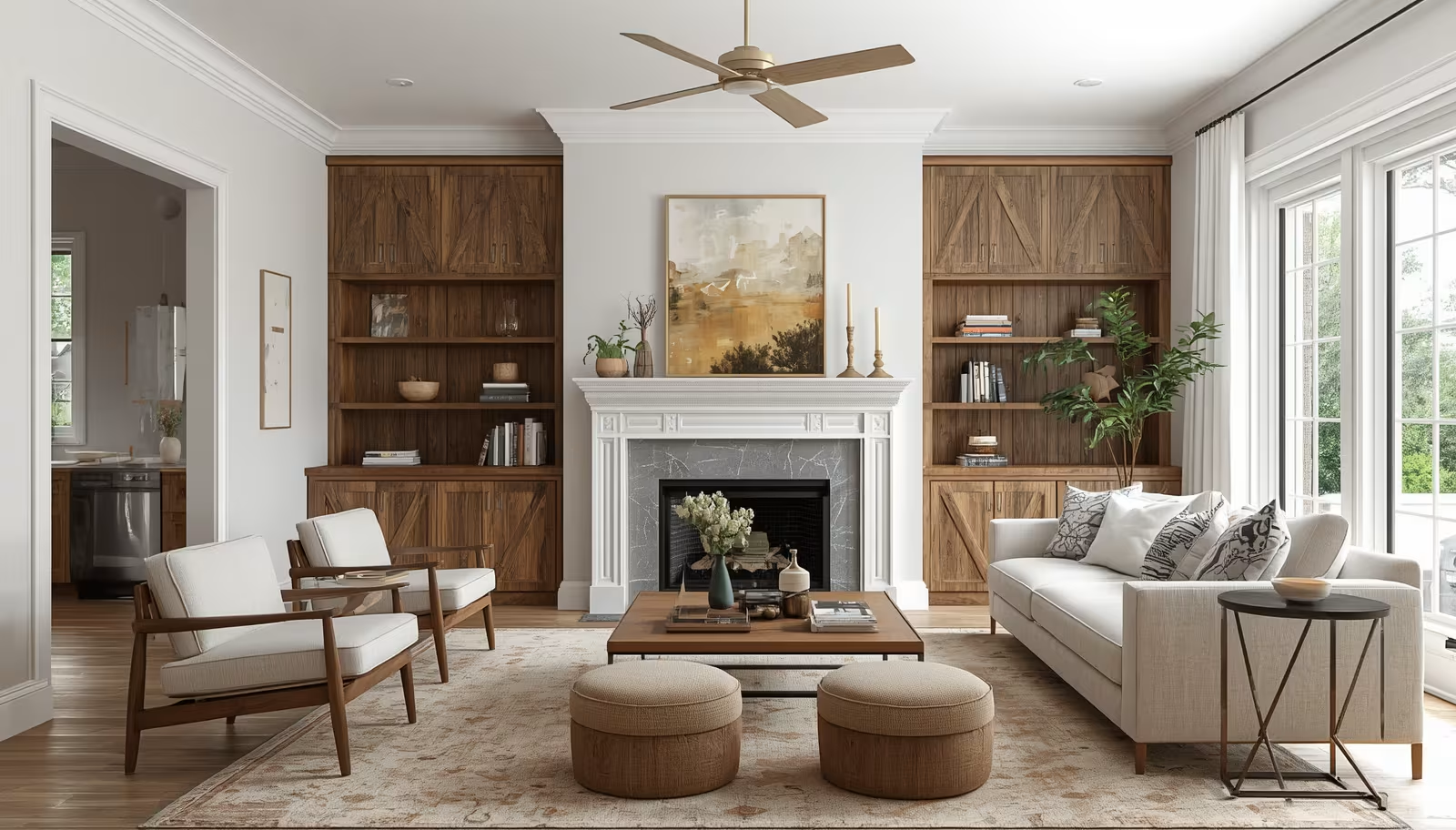
The principle that makes mixed wood tones work is contrast managed by undertone. All three tones should share either a warm (yellow-orange) or cool (grey-brown) undertone. Mixing a warm honey oak with a cool grey-washed pine looks discordant because their undertones conflict. Within the same undertone family, though, a wide range of lightness and darkness reads as intentional layering rather than mismatching.
Interior designer Amber Lewis, based in Los Angeles, has built a substantial following on exactly this principle. Her projects routinely layer wide-plank white oak floors with walnut furniture and natural rattan accents, and the overall effect reads as relaxed and cohesive rather than chaotic. The key observation from her work: the floors are always the lightest wood element, furniture mid-toned, and decorative accents the darkest or most textured.
10. Add Wooden Decorative Objects for Texture at Close Range
Not every wood element needs to be a large piece of furniture. Small wooden objects placed at close range, on a coffee table, shelf, or side table, add texture and warmth in the areas where people actually look and reach. A turned wood bowl from a craftsperson in Vermont, a set of nesting boxes in lacquered mango wood, or a sculptural figure carved from driftwood all deliver natural material presence without requiring significant space or budget.
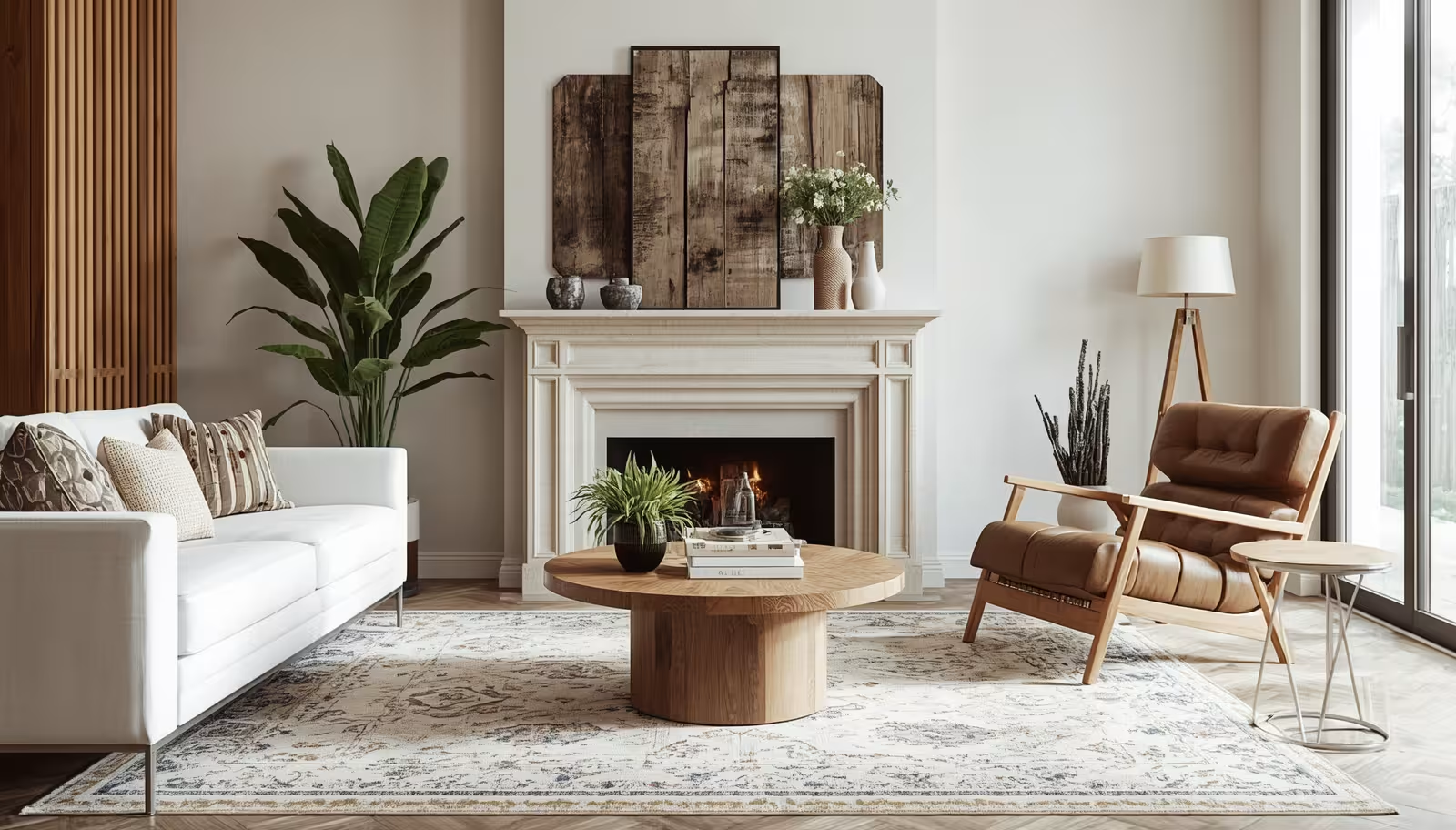
Hawkins New York and Fredericks and Mae, both Brooklyn-based home goods brands, have built strong identities around this category of small decorative wood objects. Their inventory of hand-turned bowls, wooden candleholders, and carved animals typically runs $25 to $150 per piece and updates seasonally. At a larger scale, design retail brands like Crate and Barrel regularly refresh their decorative accents with small solid wood objects that work across multiple interior styles.
The styling discipline here is restraint. Three purposefully chosen wood objects on a coffee table, each different in form but related in material, reads as considered. Twelve objects of varying types reads as cluttered. Less wood, placed with intention, delivers more impact.
Wrap Up
Natural wood in a living room isn’t a trend that arrives and departs. It’s a material language that connects interior spaces to the physical world outside them, and that connection is part of why rooms with real wood feel calmer and more restorative than those without it.
Start with one anchor piece, whether a coffee table, a floating shelf, or an accent wall, and build outward from there. Layer tones rather than matching them, mix wood with rattan and textile for contrast, and let the grain do the visual work. The rooms that feel most satisfying aren’t the ones with the most wood. They’re the ones where wood was chosen and placed with a clear sense of purpose.
FAQs
Can you mix different wood tones in a living room?
Yes, and it often looks better than matching. Keep wood tones within the same warm or cool undertone family and vary the lightness level between pieces for a layered, collected effect.
What type of wood is best for living room furniture?
Solid oak and walnut are the most durable and visually versatile options. Oak suits contemporary and Scandinavian interiors; walnut works well in mid-century, transitional, and modern spaces.
How do I style natural wood shelves without making them look cluttered?
Group objects in sets of three with varied heights, limit the number of very small items, and leave some shelf space empty. Negative space is what makes a styled shelf look intentional rather than overcrowded.
Disclaimer
This content shared by Fall Rugs is solely for research and informational purposes. Fall Rugs is not a professional interior design or home renovation consultancy, and the information provided should not be considered professional advice for home improvement or decor. All ideas and suggestions are based on current trends and general knowledge in the home decor industry.