

TL;DR
Displaying African tribal print framed art requires balancing bold geometric patterns with neutral backgrounds to avoid visual clutter. Success lies in choosing museum-quality framing materials and matching the historical context of the artwork to your existing interior design style.
Introduction
Why do some rooms with bold cultural art feel like curated museums while others feel chaotic? The difference rests on how you scale, frame, and position these expressive pieces against your everyday living space. Incorporating historic patterns into contemporary homes offers an instant injection of texture and narrative depth. You will master the art of selecting authentic motifs, pairing them with modern furniture brands, and building a cohesive gallery wall that honors the source material.
Understanding the Roots of Tribal Geometric Motifs
Every line, chevron, and zig-zag in traditional African design carries a specific community story, familial status, or environmental observation. Kuban textiles from the Democratic Republic of Congo utilize raffia fibers to create complex, maze-like patchworks that mid-century masters studied closely.
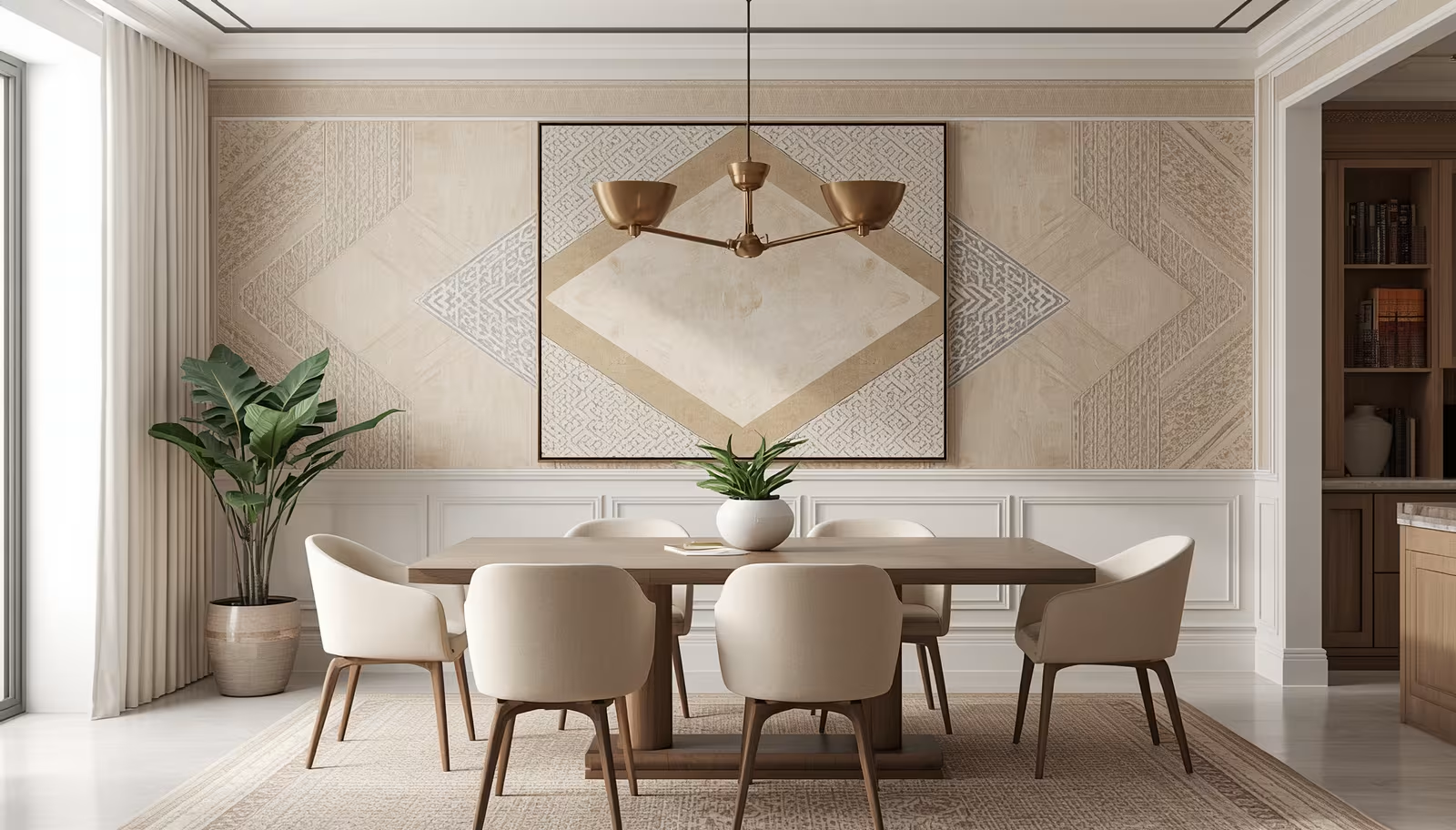
Meanwhile, Ghanaian Kente patterns rely on precise color codes, where gold represents wealth and green symbolizes spiritual growth. Recognizing these distinctions prevents homeowners from treating these deeply historical assets as mere decorative space-fillers.
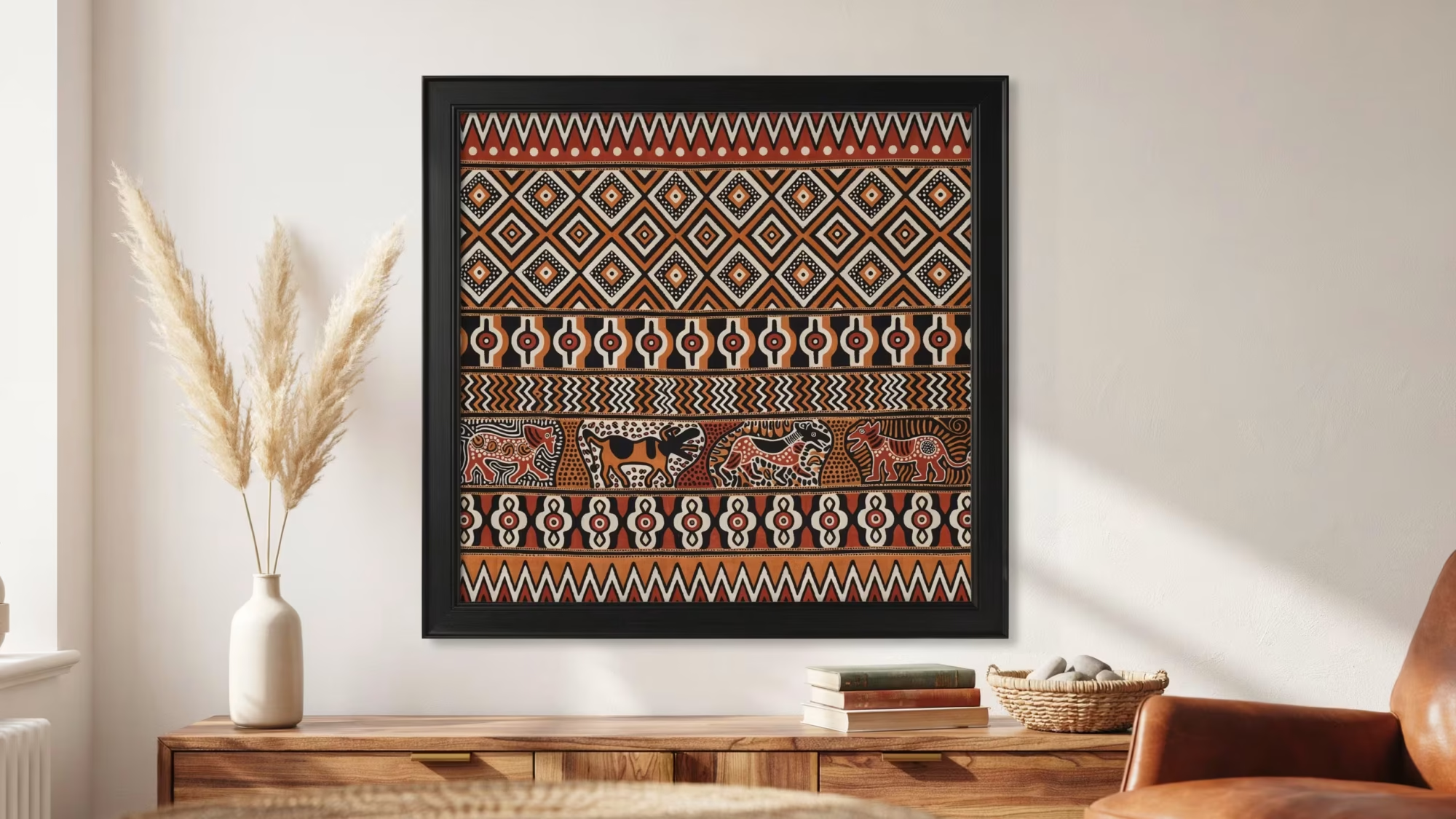
When sourcing prints inspired by these traditions, look for crisp digital reproductions that capture the tactile nature of the original woven grasses or hand-dyed mud cloths. For instance, Mali mud cloth motifs, locally known as Bogolanfini, use fermented mud to create white or cream patterns on dark backgrounds. These minimalist, high-contrast graphics fit seamlessly into clean Nordic or industrial layouts without causing color clashes.
- Kuban raffia designs feature asymmetrical grids that break up the rigidity of standard linear living rooms.
- Ghanaian Kente prints bring vibrant primary colors that work best as singular focal points over a fireplace or credenza.
- Malian Bogolanfini prints offer monochromatic simplicity, perfect for minimalist apartments or minimalist bedrooms.
A notable example of this integration involves New York interior designer AphroChic, founded by Jeanine Hays and Bryan Mason. They paired oversized framed Bogolanfini prints with sleek, low-profile leather sofas in a Brooklyn brownstone renovation in 2022. The contrast between the rugged, ancient geometry and the smooth, contemporary leather instantly elevated the room’s visual sophistication.
Selecting the Right Framing Materials and Matte Borders
The frame you select acts as the bridge between the historical artwork and your room’s architectural style. Standard plastic frames from big-box retailers often cheapen the appearance of intricate graphic prints. Instead, opt for solid hardwoods like walnut, oak, or ash to complement the organic origins of the textile patterns. A thin, matte black metal frame can also provide a sharp, gallery-grade edge that pushes a traditional motif into the twenty-first century.
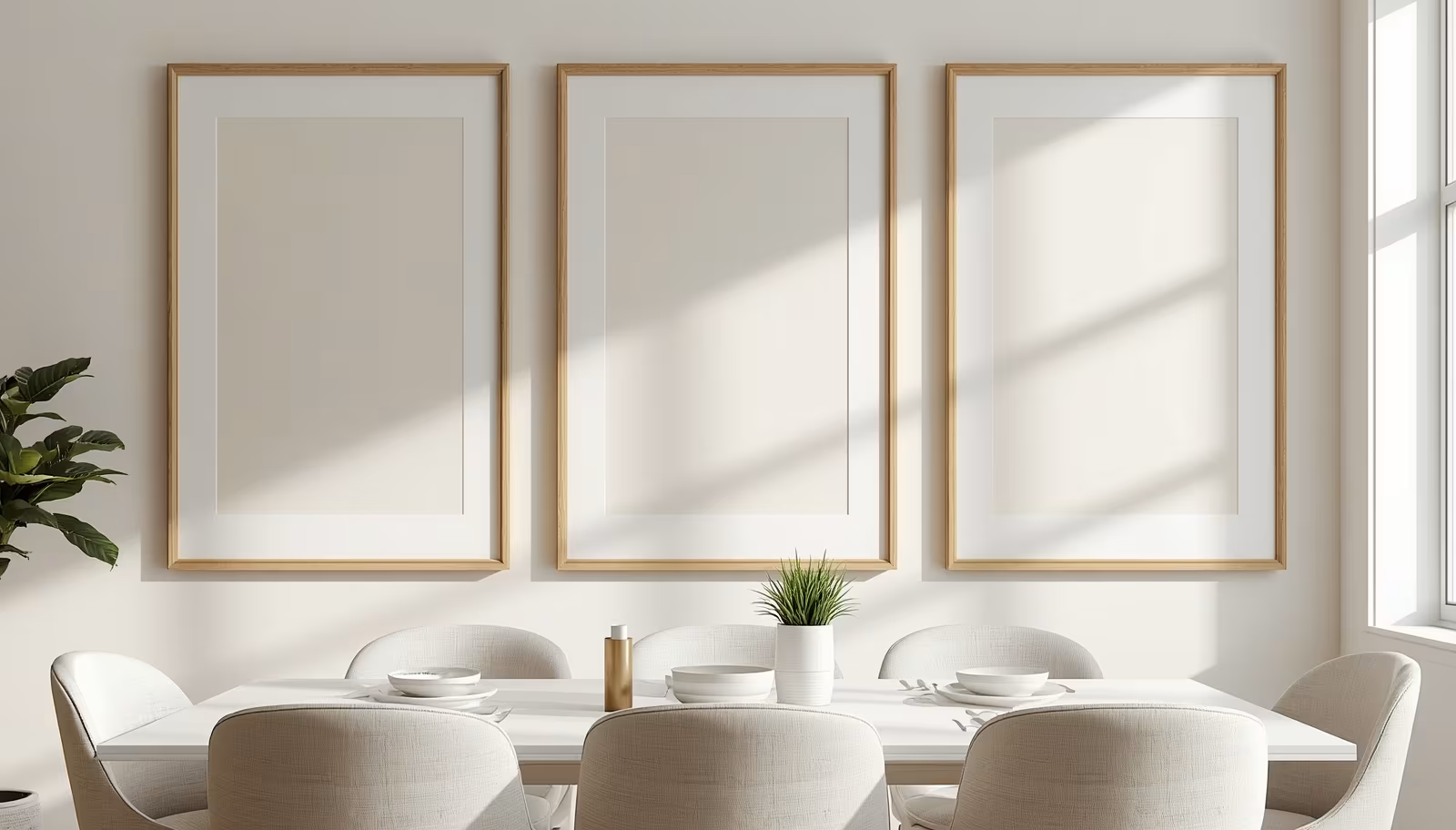
Matte boards play a critical role in giving the eye a place to rest when viewing complex geometric designs. A generous white or off-white border measuring three to four inches wide separates the busy print from your wall paint. Acid-free, archival matting preserves the print quality over time, preventing yellowing around the edges from humidity or sunlight exposure.
- Solid walnut frames ground bright red and yellow prints, tying them into mid-century modern credenzas.
- Matte black metal frames pull out the dark lines within mud cloth patterns for a highly contemporary look.
- Extra-wide four-inch museum matting tames high-energy patterns, making them readable from across a room.
Consider a recent project by Los Angeles staging firm Vesta Home, where decorators used large-scale African geometric prints to sell a Beverly Hills estate. They selected three matching abstract black-and-white graphic prints, encased them in natural light oak frames with deep white mats, and hung them in a row. The natural wood texture matched the European oak floors perfectly, creating a sense of luxury and deliberate architectural intent.
Balancing Bold Patterns with Current Furniture Trends
A common mistake involves placing high-contrast cultural prints in a room already saturated with competing patterns. If your sofa features a heavy floral or plaid upholstery, an intricate tribal print will fight for dominance. Instead, position these expressive framed pieces above solid-colored furniture from brands like West Elm, Pottery Barn, or IKEA. A charcoal grey fabric sofa or a camel leather couch serves as an ideal neutral anchor for vibrant wall accents.
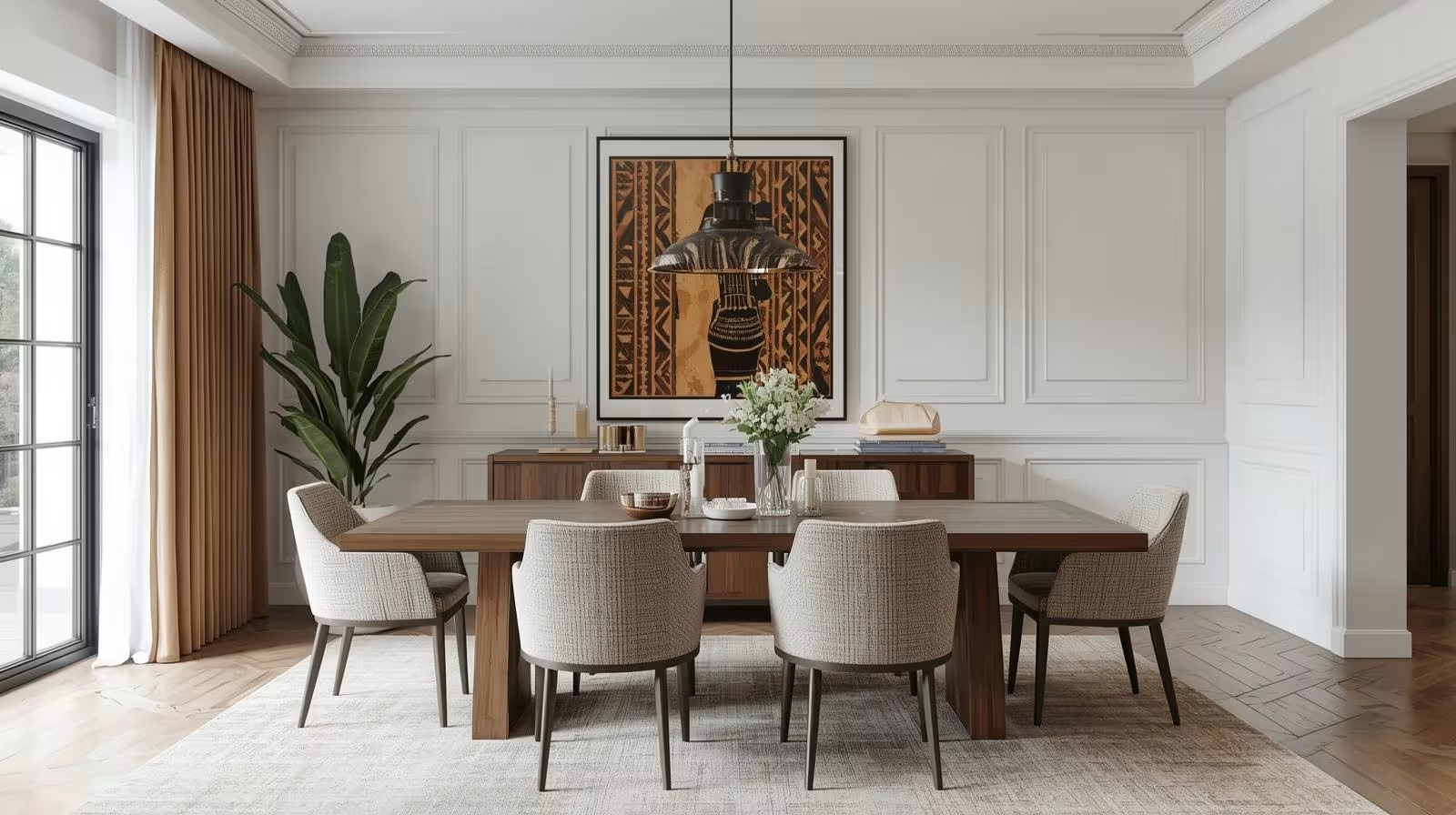
Lighting also influences how these framed pieces interact with your furniture layout. Direct sunlight causes glare on standard frame glass, obscuring the delicate details of the print. Utilize non-reflective museum glass or position your artwork on a wall adjacent to windows rather than directly opposite them. Track lighting fitted with warm LED bulbs can highlight the deep earth tones common in these historical prints during evening hours.
- Place vibrant, multicolored prints above neutral cream or beige performance fabric sofas to ground the space.
- Hang monochromatic geometric prints near metallic floor lamps from brands like CB2 to create a subtle urban aesthetic.
- Avoid pairing busy graphic art with patterned wallpaper, sticking instead to matte paint finishes like linen or soft white.
During a 2024 design showcase in Chicago, an exhibition space featured a salvaged wood dining table beneath a massive, five-foot-tall framed print of Yoruba beaded textile art. The surrounding walls were painted in a muted terracotta hue, and the chairs were simple black wire structures. This layout allowed the complex pattern of the artwork to dominate the room without overwhelming the diners.
Designing a Culturally Rich Gallery Wall
Creating a gallery wall with tribal prints requires a careful mix of scale, media, and texture to look authentic rather than manufactured. Mixing framed paper prints with actual three-dimensional objects, such as hand-woven baskets or carved timber plates, adds depth. Keep the spacing between your frames consistent, aiming for two to three inches of separation to maintain an ordered appearance.
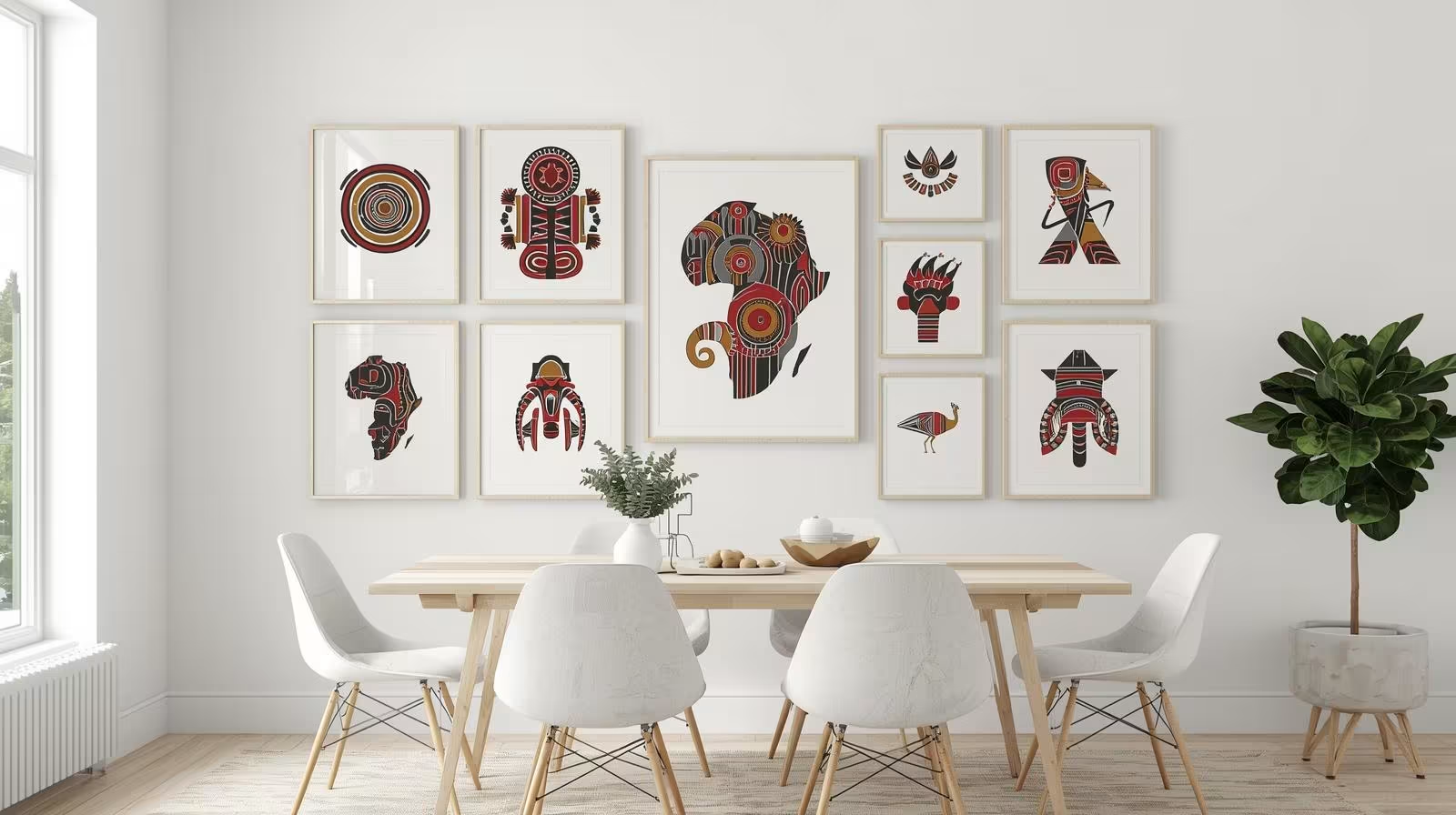
Start your layout by placing the largest, most visually heavy framed print slightly off-center to serve as your anchor piece. Work outward with smaller frames, perhaps mixing in black-and-white photography of African landscapes or modernist architectural sketches. This variation prevents the collection from looking like a retail showroom display and makes it feel like a personal travel collection gathered over decades.
- Use a central anchor piece measuring at least 24 by 36 inches to ground your entire gallery layout.
- Incorporate three-dimensional elements like Tonga baskets alongside your flat framed prints for textural contrast.
- Maintain a unified frame color across different print styles to bind the eclectic collection together visually.
A real-world example of this approach is visible in the public lounge of the boutique hotel Singita Kwitonda Lodge in Rwanda. The design team mixed large framed archival prints of regional textiles with actual antique woven screens and contemporary ironwork. By keeping the frames uniform in a dark charcoal finish, the wall felt unified despite housing artifacts from different eras and materials.
Wrap Up
Incorporating African tribal print framed art into your home offers a powerful way to celebrate global design history while upgrading your wall aesthetic. By selecting high-quality wood frames, using wide matting, and keeping your surrounding furniture neutral, you ensure the artwork remains the star of the room. Balance remains the ultimate goal, allowing these ancient geometric stories to breathe and speak clearly within modern spaces.
FAQs Section
How do I choose the right size print for a blank wall above my sofa?
Your framed artwork should span roughly two-thirds to three-quarters of the total width of the sofa to look balanced. Hanging a tiny print over a massive sectional creates a disjointed look, while an oversized frame will make the seating area feel cramped.
Can I mix different tribal prints from different regions in the same room?
Yes, you can mix regions if you maintain a cohesive color palette or use identical frame styles to unify the space. Pairing a Malian mud cloth print with a Congolese Kuba design works well when both utilize black, cream, or earth-toned frames.
What wall paint colors work best behind high-contrast African art prints?
Neutral backdrops like warm alabaster, muted sage green, deep charcoal, or soft terracotta allow the intricate patterns to stand out. Avoid bright primary wall colors that compete with the pigments used within the artwork itself.
Disclaimer
This content shared by Fall Rugs is solely for research and informational purposes. Fall Rugs is not a professional interior design or home renovation consultancy, and the information provided should not be considered professional advice for home improvement or decor. All ideas and suggestions are based on current trends and general knowledge in the home decor industry.