
TL;DR
Cultivating the pink daisy flower requires precise soil drainage, strategic sunlight exposure, and timely deadheading to ensure continuous seasonal blooming. Integrating these resilient perennials into modern landscapes enhances biodiversity while providing versatile options for container gardening and floral design. Success relies on understanding specific varietal needs from soil chemistry to spatial arrangement.
Introduction
Why does the pink daisy flower continue to capture the imagination of modern landscape designers and casual backyard gardeners alike? This resilient bloom offers more than just a cheerful splash of color; it represents a versatile, structurally sound choice for complex garden ecosystems. Cultivating these flowers successfully demands an understanding of soil mechanics, moisture levels, and companion planting strategies. Readers will gain deep insights into selecting the right varieties, managing common cultivation pitfalls, and using professional arrangement techniques to elevate their outdoor spaces.
Understanding the Botanical Blueprint of the Pink Daisy Flower
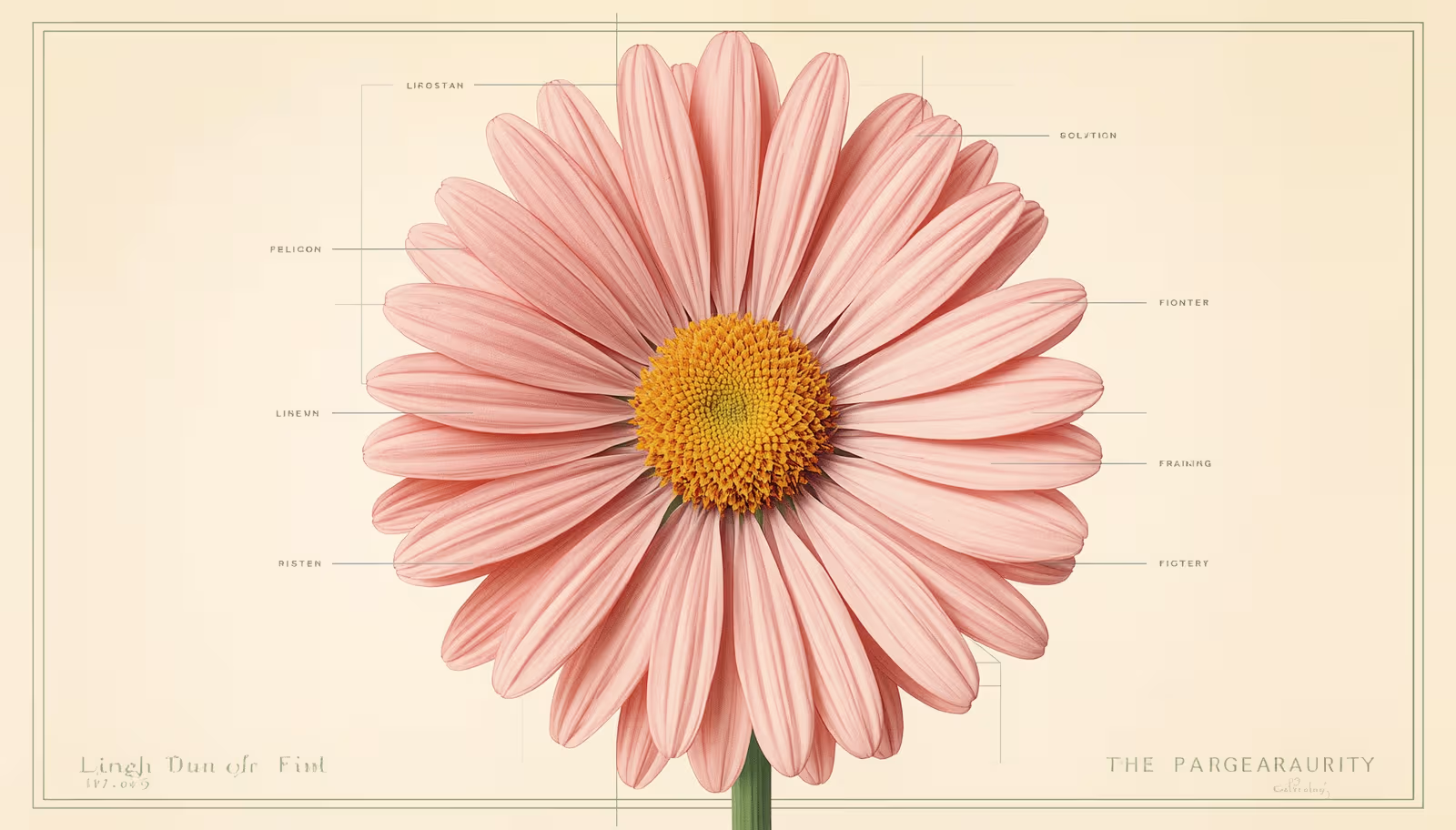
The pink daisy flower belongs to the vast Asteraceae family, a lineage shared with sunflowers and chrysanthemums. What look like individual petals are actually ray florets surrounding a central disc of tiny fertile flowers. This unique anatomy makes the bloom incredibly attractive to native pollinators, including bumblebees and monarch butterflies. Cultivators must recognize that different species under the daisy umbrella require distinct environmental conditions to thrive over multiple seasons.
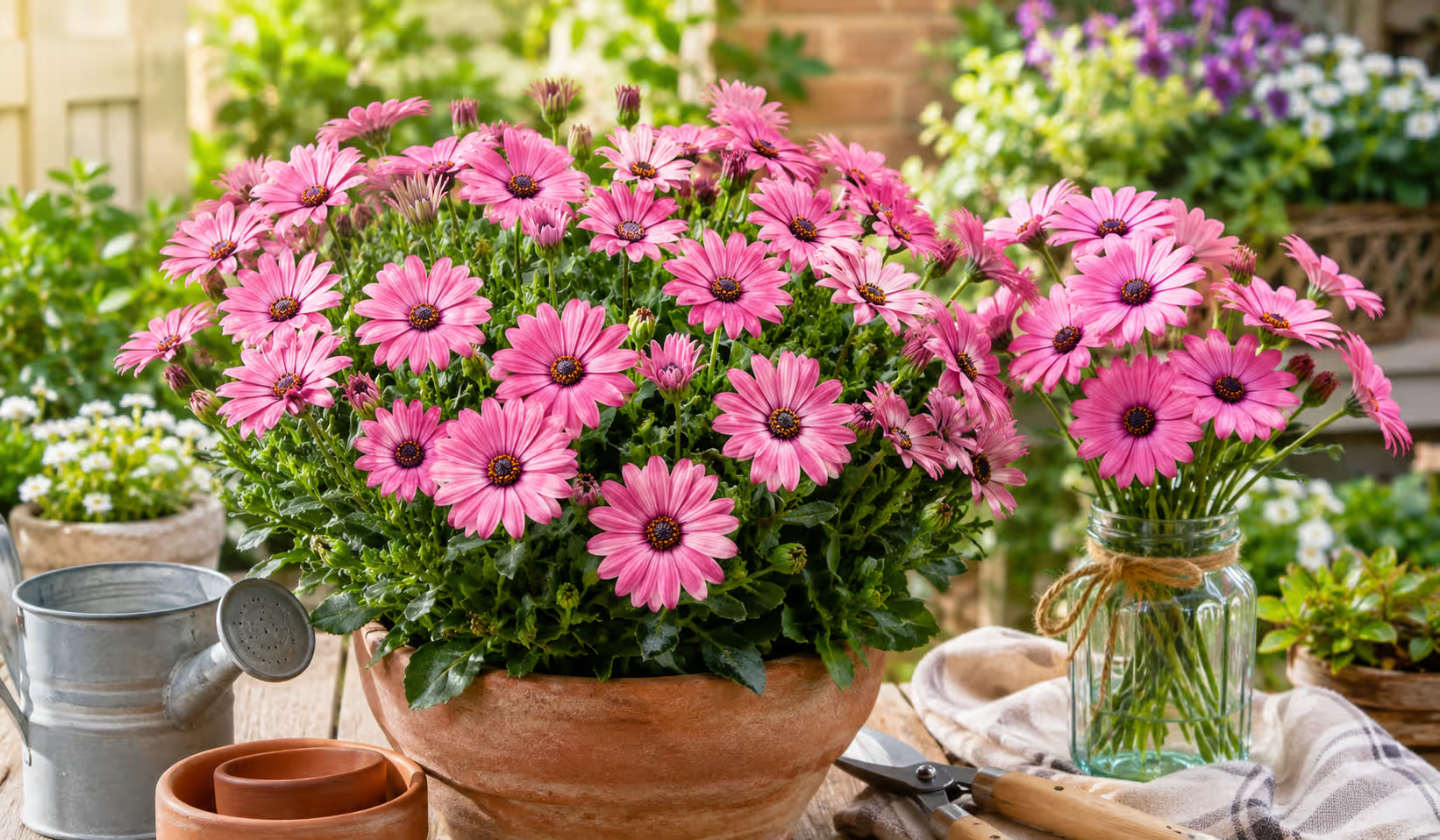
The true English daisy, known botanically as Bellis perennis, prefers cooler maritime climates and often behaves as a biennial or short-lived perennial. On the other hand, the bold African daisy or the striking pink Gerbera daisy demand warmer temperatures and higher light intensity to reach full structural maturity. Knowing which species fits your hardiness zone prevents the frustration of stunted growth or premature root rot.
Experienced horticulturists often monitor soil temperatures before planting these varieties in early spring. While Bellis perennis can tolerate a light morning frost in cities like Seattle or Vancouver, Gerbera varieties will suffer cellular damage if temperatures drop below fifty degrees Fahrenheit. Matching the specific botanical needs of your chosen variety to your regional microclimate forms the foundation of a successful growing season.
Soil Mechanics and Irrigation Strategies for Longevity
A common misstep in maintaining the pink daisy flower involves overwatering in heavy clay soils. These plants possess a fibrous root system that suffocates quickly when trapped in standing water. Professional landscapers routinely amend native garden beds with coarse sand, organic compost, and perlite to create a porous matrix that allows water to drain freely while retaining essential micronutrients.
Irrigation should follow a deep but infrequent schedule rather than daily shallow misting. Delivering water directly to the base of the plant early in the morning allows the foliage to dry before the midday sun intensifies. Wet leaves during warm summer nights create a prime environment for powdery mildew, a fungal infection that slows down photosynthesis and weakens the overall structure of the plant.
Managing pH and Nutrient Profiles
Achieving the perfect soil environment means aiming for a slightly acidic to neutral pH range between 6.0 and 7.0. Utilizing a simple test kit helps determine if your soil requires agricultural lime to raise the pH or sulfur to lower it. Applying a balanced, slow-release fertilizer during the early leaf-development stage provides the nitrogen needed for strong stems and the phosphorus required for abundant bud formation.
Mulching for Root Protection
Applying a two-inch layer of shredded cedar or pine bark around the root zone helps regulate soil temperatures during intense July heatwaves. This practice conserves moisture and suppresses aggressive weeds that compete for valuable soil nutrients. Keep the mulch a few inches away from the crown of the plant to prevent localized rot.
Landscape Integration and Companion Planting Principles
Designing a garden layout with the pink daisy flower requires careful attention to height stratification and color theory. Taller varieties like the pink Pyrethrum daisy serve as excellent mid-border anchors, creating a soft backdrop for low-growing sedums or annual alyssum. Mixing textures prevents the landscape from looking flat or mono-tonal during the peak of summer.
In corporate garden installations and high-end residential designs, experts often pair pink daisies with blue-toned foliage plants like lavender, Salvia, or various ornamental grasses. The cool blue tones contrast naturally with the warm pink hues, making the daisy petals pop visually. This layout also supports a wider variety of beneficial insects, creating a self-sustaining pest management loop.
A notable case involved an urban renewal project in Portland where landscape architects replaced failing turf lawns with layered perennial beds. By mixing pink Gerbera daisies with purple coneflowers and native fescue grasses, the team cut municipal water consumption by forty percent while establishing a thriving sanctuary for local honeybees. The project demonstrated how utilitarian ecological goals can align perfectly with striking visual aesthetics.
Professional Styling and Floral Arrangement Techniques
Bringing the beauty of the pink daisy flower indoors requires a systematic approach to harvesting and conditioning the stems. Cut the flowers in the early morning when the moisture content inside the plant tissue is at its highest level. Use sterilized pruning shears to make a sharp, forty-five-degree angle cut, which prevents the stem from resting flat against the bottom of the vase and restricting water intake.
Interior designers frequently use brands like West Elm or Pottery Barn to source minimalist ceramic vases that complement the rustic charm of daisy arrangements. Stripping away any foliage that sits below the water line prevents bacterial blooms that cause premature wilting. Adding a drop of citrus juice and a teaspoon of sugar to the water mimics the natural nourishment the flower receives from its root system.
Creating Visual Balance in Centerpieces
When building an arrangement, use the rule of thirds to establish a clean focal point. Position the largest pink daisy blooms near the rim of the container to ground the design, then use smaller buds and filler greenery like eucalyptus to add height and movement. This technique ensures the arrangement looks balanced from every viewing angle.
Enhancing Modern Living Spaces
A single pink daisy placed inside a clear glass vessel brings a crisp, organic element to Scandinavian-style interiors. The bright pop of color breaks up the monotony of neutral gray and white color palettes common in modern apartments. This understated approach highlights the geometric perfection of the daisy flower head without overwhelming the room.
Winterization and Seasonal Transition Maintenance
As autumn temperatures cool the soil, the lifecycle of the pink daisy flower shifts from active blooming to root preservation. For perennial varieties like Bellis perennis, cutting the spent flower stalks down to the basal foliage encourages the plant to store carbohydrates in its root system. This energy reserve is critical for surviving freezing winter conditions and pushing out new growth the following spring.
In colder northern climates, adding an extra layer of straw or clean leaves over the crown provides necessary insulation against severe frost heaving. Frost heaving occurs when the soil repeatedly freezes and thaws, pushing the plant roots out of the ground and exposing them to drying winter winds. Taking these preventative measures ensures your garden returns with full vigor when the spring thaw begins.
Container-grown pink daisies, especially delicate Gerbera varieties, should be moved indoors before the first hard freeze hits your region. Place them in a cool, bright room or a sunporch where temperatures hover around fifty degrees Fahrenheit. Reduce watering significantly during this dormant phase, allowing the soil to dry out almost completely between light waterings to prevent root death.
Wrap Up
Cultivating the pink daisy flower rewards the gardener with reliable color, robust plant health, and a bustling ecosystem of local pollinators. Success depends on selecting the right variety for your climate, ensuring immaculate soil drainage, and applying smart design principles in both outdoor beds and indoor arrangements. By implementing these expert strategies, your garden will showcase vibrant, long-lasting blooms season after season.
FAQs Section
How much sunlight does a pink daisy flower need to bloom successfully?
Most varieties require at least six hours of direct sunlight daily to produce abundant, vibrant blossoms. Insufficient light leads to sparse flowering and weak, leggy stems that easily flop over.
Why are the leaves on my pink daisy turning yellow at the base?
Yellowing lower leaves typically indicate overwatering or poorly draining soil, which starves the roots of oxygen. Check the soil moisture level and reduce your watering frequency to let the root zone dry out.
How often should I deadhead my pink daisy plants during the summer?
Removing spent blooms once a week encourages the plant to redirect its energy into developing new flower buds rather than producing seeds. This simple maintenance routine extends the flowering period significantly.
Disclaimer
This content shared by Fall Rugs is solely for research and informational purposes. Fall Rugs is not a professional interior design or home renovation consultancy, and the information provided should not be considered professional advice for home improvement or decor. All ideas and suggestions are based on current trends and general knowledge in the home decor industry.