
TL;DR
Combining purple and yellow blossoms utilizes complementary colour theory to maximize visual impact in landscape design. Selecting a mix of perennial and annual varieties ensures continuous seasonal transitions and supports local pollinators. Strategic placement based on soil drainage and sunlight exposure prevents common cultivation errors.
Introduction
Achieving balance in a landscape requires understanding how different hues interact under natural sunlight. Using contrasting floral pairings creates dynamic visual energy that draws the eye across a garden bed. This discussion explores the practical application of placing violet and golden tones together to establish depth, structure, and year-round interest. Readers will gain actionable insights into plant selection, soil preparation, and spatial arrangement for residential gardens.
The Science of Complementary Colors in Horticultural Design
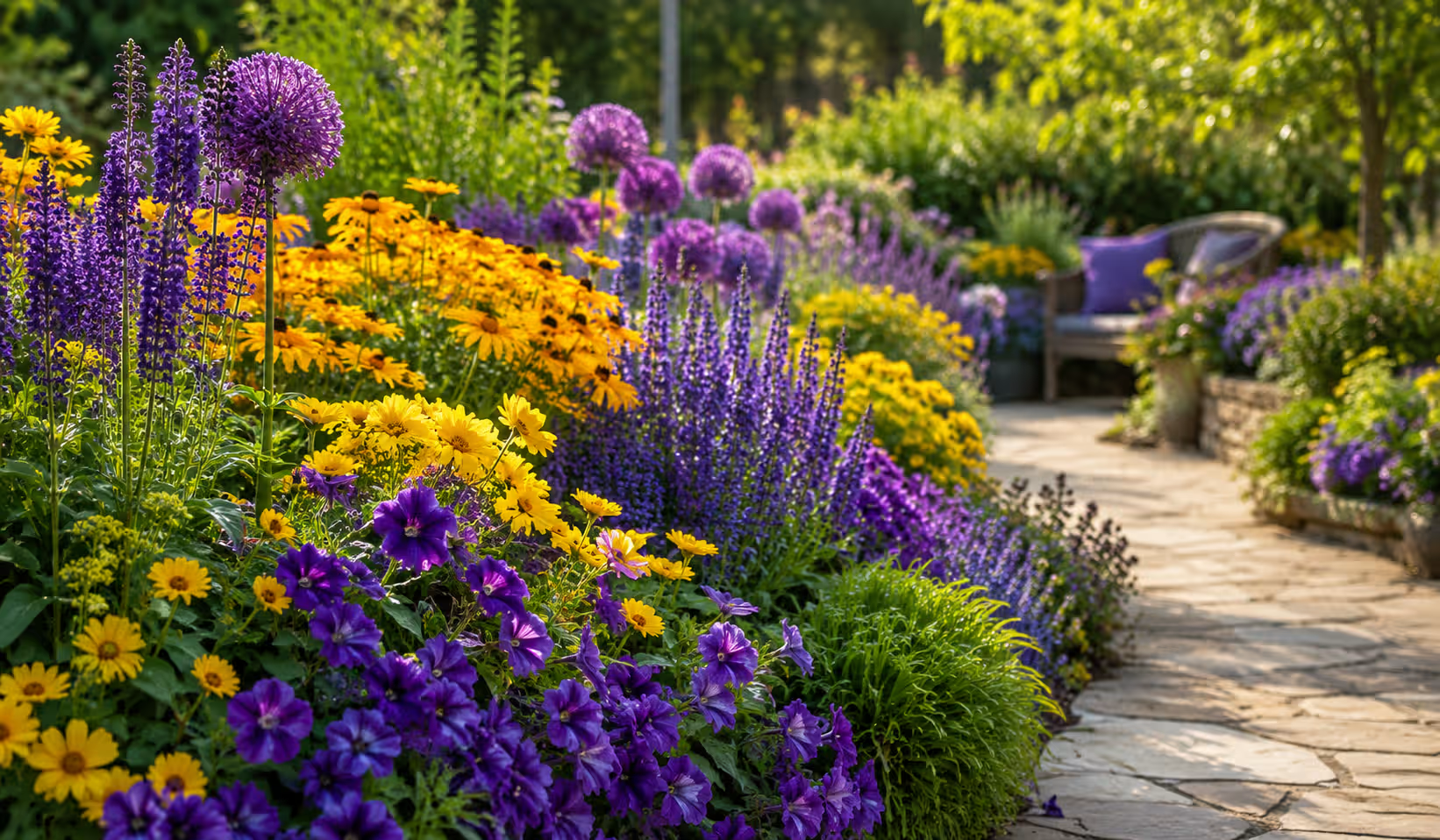
Opposite placement on the traditional color wheel means that violet and gold naturally intensify one another when positioned side by side. Human eyes process these specific wavelengths by perceiving the yellow as brighter and the purple as deeper than they would appear in isolation. Professional landscape architects frequently use this optical relationship to make small garden plots appear more expansive.
Visual Architecture and Depth Perception
Darker tones like plum, lavender, and amethyst tend to recede into the background, especially during the late afternoon hours. Goldenrod, lemon, and amber hues advance toward the viewer, creating an illusion of multi-dimensional space within a flat border. Experienced designers place the darker specimens toward the rear of a planting bed and the brighter blossoms near the front to manipulate spatial perception effectively.
Managing Sunlight and Color Washout
Midday sun often flattens pastel shades, making pale lavender look washed out and faint yellow appear white. Selecting deeply saturated cultivars prevents this loss of visual impact during peak daylight hours. Planting near structural backdrops like dark green cedar hedges or brick walls provides necessary contrast that anchors the entire color scheme.
Early Season Combinations for Spring Borders
Spring offers the first opportunity to implement this striking color palette as the ground thaws. Early flowering bulbs and cold-tolerant annuals provide immediate relief from winter dullness. Selecting species that share identical soil and light requirements simplifies early season maintenance chores.
Spring Bulb Integration
Planting Dutch iris varieties such as Purple Sensation alongside yellow daffodils like King Alfred creates a reliable April display. The bulbs require well-drained soil during their dormant summer period to prevent rot. Homeowners often place these bulbs beneath deciduous trees where sunlight is abundant before the canopy leafs out completely.
Cold Tolerant Annuals
Pansies and violas from the Delta series thrive in chilly spring temperatures that cause other bedding plants to stall. Combining deep violet pansies with lemon-yellow violas creates dense ground cover that suppresses early weed growth. These varieties perform exceptionally well in containers placed near entryways where visitors can appreciate the intricate facial markings of the blossoms.
Midsummer Perennials for Sustained Visual Impact
Summer demands resilient plants that withstand intense heat while maintaining their floral display. Utilizing hardy perennials reduces the need for annual replanting and establishes a permanent garden skeleton. Grouping these plants in odd-numbered clusters replicates natural growth patterns rather than stiff, artificial lines.
Drought Resilient Pairings
Meadow sage like Caradonna produces tall spikes of deep violet that stand perfectly upright without staking. Pairing this with yellow yarrow, specifically the Coronation Gold cultivar, creates a texturally diverse presentation. Both species possess deep root systems that tolerate dry spells once their root networks establish themselves in the landscape.
Textural Contrast in the Border
Spiky floral structures contrast beautifully with flat, disc-shaped blossoms to keep the eye moving. Echinacea paradoxa offers unique yellow petals surrounding a dark cone, which looks striking next to the rounded clusters of purple alliums. This structural variation prevents the high-contrast color scheme from becoming visually monotonous over the summer months.
Late Season Transitions into Autumn
As summer fades, the garden requires species that peak during cooler autumn days. Late-season options often feature richer, more burnished tones that mirror the changing foliage. Maintaining this color contrast until the first hard frost supports migrating insects and late-season pollinators.
Aster and Helenium Combinations
New England asters provide dense mounds of purple blossoms just as golden autumn light hits the garden. Planting them behind Helenium autumnale, commonly known as sneezeweed, introduces warm yellow tones that handle the crisp October nights. Both plants prefer moist, organic soil and benefit from a thick layer of shredded hardwood mulch.
Managing Tall Varieties
Late-season perennials often reach heights exceeding four feet, making them susceptible to wind damage. Experienced gardeners cut these plants back by half in late May to encourage bushier growth and prevent flopping. This pruning technique delays flowering slightly but results in a sturdier plant that requires no mechanical support.
Soil Maintenance and Cultivation Strategies
Vibrant color production relies heavily on the nutritional profile and physical structure of the soil. Plants struggling for nutrients often exhibit faded foliage and sparse, dull blossoms. Testing soil pH and amending the planting area ensures that both color groups receive proper nourishment.
Nutrient Management for Vivid Blooms
Phosphorus plays a critical role in flower development and overall root health. Applying bone meal or a balanced organic fertilizer in early spring encourages prolific bud formation. Avoiding excessive nitrogen application is vital, as too much nitrogen stimulates lush green leaves at the expense of floral displays.
Irrigation and Drainage Solutions
Most species within this color palette require steady moisture but fail in soggy, waterlogged earth. Installing drip irrigation lines delivers water directly to the root zone, reducing evaporation and preventing fungal diseases on the foliage. Adding composted leaf mold improves clay soil drainage while increasing the water-holding capacity of sandy plots.
Case Studies in Practical Garden Layouts
Examining successful designs reveals how these principles operate in real-world residential settings. Varied sunlight levels and existing structures require flexible approaches to plant placement. Two specific scenarios demonstrate how to adapt the color scheme to differing environmental limitations.
The Sunny Suburban Border
A residential project in Ohio utilized a south-facing fence line to create a high-contrast perennial border. The designer installed purple coneflowers and yellow black-eyed Susans in alternating drifts rather than strict checkerboard patterns. This layout allowed the plants to intermingle naturally, mimicking a native prairie landscape while maintaining a clean aesthetic.
The Partially Shaded Pathway
A shaded walkway in Oregon required a different approach due to limited direct sunlight. The gardening team selected yellow hostas like Dancing Queen and paired them with purple-flowering hellebores. This combination brightened the dark path during early spring and provided attractive foliage contrast throughout the remainder of the growing season.
Wrap Up
Implementing a purple and yellow color scheme elevates the visual appeal of any landscape through deliberate contrast. Selecting a mix of bulbs, annuals, and perennials ensures that the display remains active from early spring through late autumn. Proper attention to soil preparation, spatial arrangement, and moisture control guarantees a healthy, long-lasting garden feature.
FAQs Section
Which purple and yellow flowers bloom at the exact same time in early spring?
Grape hyacinths and yellow crocus varieties emerge concurrently during the earliest days of spring. They both prefer sunny locations with sharply draining soil to prevent bulb decay.
How do I prevent my summer yellow perennials from overpowering the purple varieties?
Choose purple plants with upright, structural growth habits like salvia to compete with spreading yellow plants like yarrow. Grouping the purple specimens in larger clusters also helps maintain visual equilibrium.
Can I achieve a purple and yellow theme in a completely shaded garden plot?
Yes, utilizing yellow-variegated hostas alongside purple corydalis or amethyst-hued astilbe works well in full shade. These species thrive without direct sunlight while providing excellent texture and color contrast.
Disclaimer
This content shared by Fall Rugs is solely for research and informational purposes. Fall Rugs is not a professional interior design or home renovation consultancy, and the information provided should not be considered professional advice for home improvement or decor. All ideas and suggestions are based on current trends and general knowledge in the home decor industry.