
TL;DR
A sectional sofa works well when its shape, scale, fabric, and traffic flow match the room rather than just the showroom floor. The right choice depends on layout, household habits, cushion quality, and how the sofa will age under daily use.
Introduction
A sectional sofa can make a living room feel settled, generous, and social, or it can swallow the space before the coffee table even arrives. That difference rarely comes from style alone. It comes from measurements, seating depth, arm height, fabric choice, and how people actually move through the room. This guide explains how to choose a sectional that feels comfortable on day one and still makes sense years later.
What a Sectional Sofa Really Does for a Room
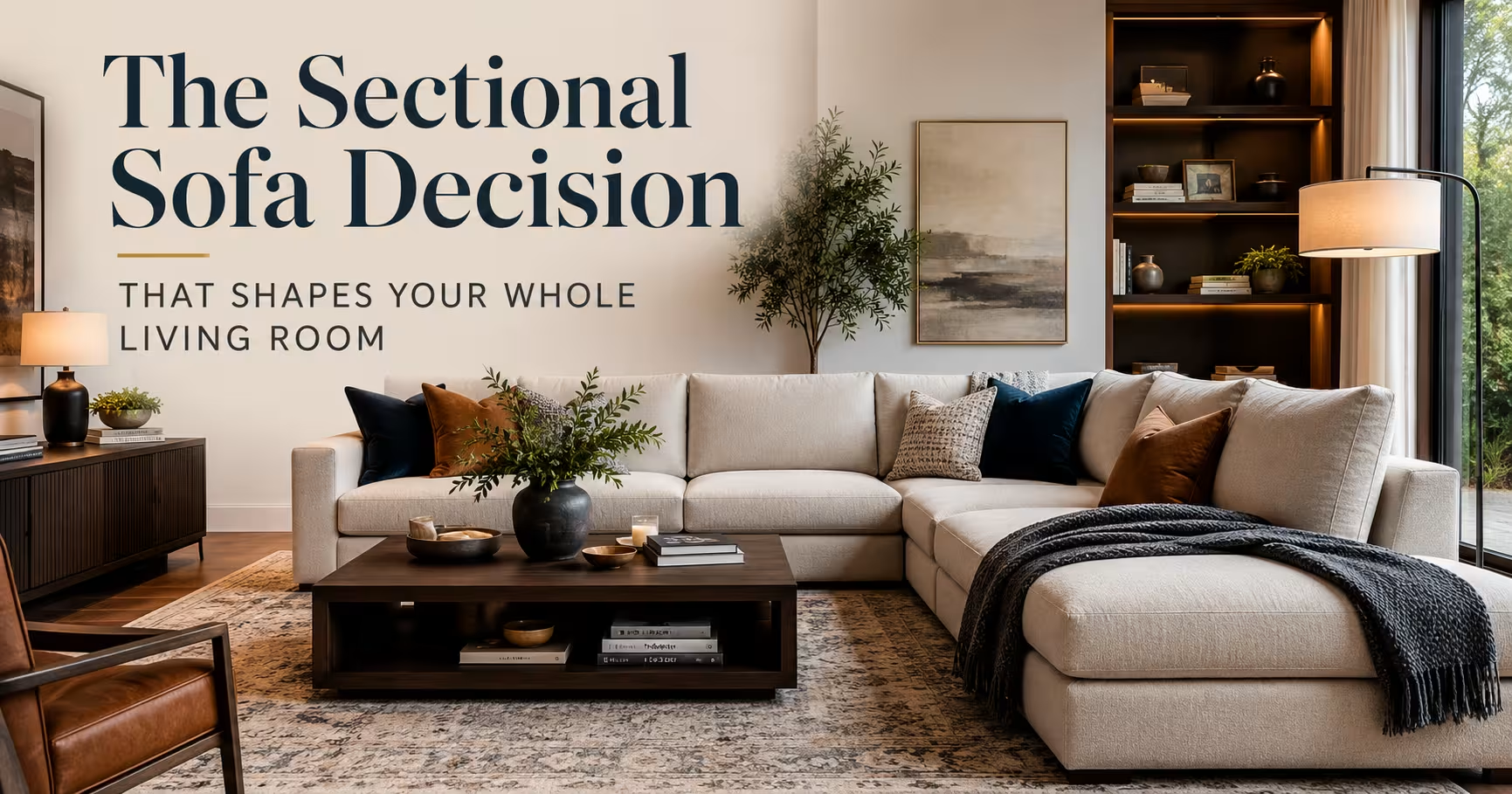
A sectional sofa is more than a large couch with extra seats. It creates zones. In an open-plan apartment in Lahore, London, or Chicago, an L-shaped sectional can quietly mark where the living area begins without using a wall or screen. In a smaller room, the same piece can either save space or block every natural walking path.
The appeal comes from its built-in structure. A chaise sectional invites lounging, a U-shaped sectional supports conversation, and a modular sofa adapts when the room changes. I’ve seen families replace two mismatched sofas with one sectional and gain a cleaner layout, but I’ve also seen buyers regret a beautiful piece because the return sat on the wrong side.
Sectional Shapes and the Rooms They Suit
An L-shaped sectional is the most common choice because it gives strong seating capacity without filling all four sides of the room. It works well against a wall, in a corner, or floating in a larger space with the back acting as a soft divider. The return can sit on the left or right, so orientation matters before purchase.
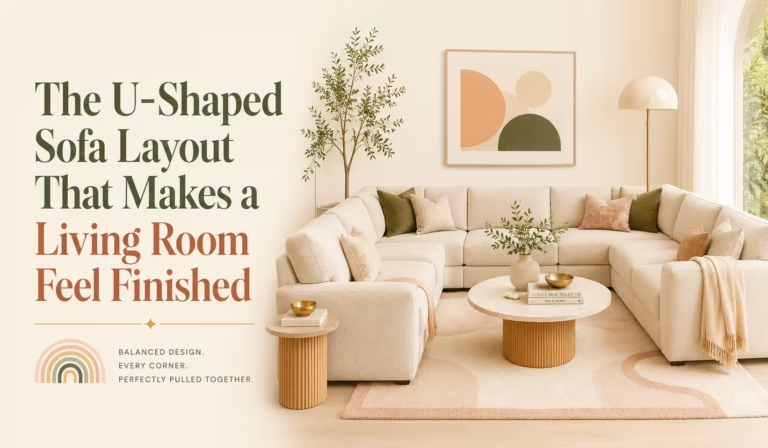
A chaise sectional suits people who lounge more than they host. It gives one person a long stretch of comfort without needing an ottoman. A U-shaped sectional fits media rooms and large family spaces because it brings everyone toward the center. The tradeoff is footprint. It needs breathing room, especially around doors, windows, and TV consoles.
Modular Sectionals and Changing Homes
A modular sectional uses separate units that connect or sit together as a set. Brands such as IKEA, West Elm, Burrow, Lovesac, and Article have made modular seating more common because renters and growing families want furniture that can move with them. The value isn’t just flexibility. Individual modules can sometimes be replaced when one piece wears out.
The risk sits in connection quality and cushion consistency. Some modular sofas drift apart on smooth flooring, while others feel less unified than a fixed-frame sectional. In editorial shoots, modular pieces photograph well from above, but daily use tells the truth. Good connectors, stable bases, and matching cushion fill matter more than a clever catalog layout.
Measuring Before You Fall in Love With a Sofa
The first mistake happens before anyone talks about fabric. People measure the wall but forget the room. A sectional needs space for walking, side tables, doors, curtains, lamps, and the swing of a recliner if it has one. A sofa that technically fits can still feel wrong when knees hit the coffee table every evening.
A practical living room usually needs clear paths around the seating. Doorways, staircases, elevators, and tight turns also count. I once watched a client reject a perfect-looking sectional after measuring the apartment, only to realize the delivery team couldn’t turn it through the hallway. The replacement had removable legs and shorter modules, and it looked better because it arrived without drama.
Scale, Depth, and Visual Weight
Seat depth changes how a sectional feels. Deep seats suit tall users and relaxed lounging, but they can make shorter guests sit awkwardly unless pillows fill the gap. Shallow seats support conversation and upright posture, which works well in formal living rooms. Neither option wins by default. The room’s purpose decides.
Visual weight matters too. A low-profile sectional with slim legs feels lighter than a skirted sofa that touches the floor. Dark leather can look rich but heavier in a compact room. Pale boucle or linen-blend fabric can open the space visually, though it may demand more cleaning in homes with children, pets, or frequent guests.
Fabric, Leather, and the Reality of Daily Use
Fabric sectionals offer warmth, color choice, and a softer look. Performance fabrics have become popular because they resist many stains better than traditional upholstery. Polyester blends, acrylic-based fabrics, and tightly woven textures often suit busy homes. Cotton and linen feel natural but can wrinkle, fade, or stain faster unless the weave and treatment support everyday use.
Leather sectionals age differently. Full-grain and top-grain leather can develop character, while bonded leather often breaks down sooner because it uses scraps and synthetic backing. A leather sectional can be a smart long-term purchase, but only when the buyer accepts scratches, patina, and temperature changes. In hot rooms, leather may feel sticky without good airflow.
Pets, Children, and Cleaning Habits
A family with a golden retriever needs a different sectional than a single professional who travels often. Tight-weave fabric usually handles claws better than loose loops, which can snag. Medium tones hide lint, crumbs, and minor marks better than stark white or jet black. Removable cushion covers help, but only if the fabric can tolerate regular cleaning.
A Karachi homeowner, Sara, chose a pale cream sectional for a formal lounge and loved it for six months. Then weekend guests, tea spills, and dust made maintenance exhausting. She later moved that piece to a quieter room and bought a textured taupe sectional for the family area. The second sofa looked less dramatic in photos but worked better in real life.
Comfort Comes From Construction, Not Just Softness
A showroom sit can mislead. Soft cushions feel inviting for five minutes, then collapse under daily weight if the foam density is poor. Better sectionals balance support and comfort through frame strength, suspension, foam quality, and cushion fill. Kiln-dried hardwood frames tend to resist warping better than soft, damp, or poorly joined wood.
Suspension also matters. Sinuous springs are common and can perform well when made from strong steel and installed properly. Eight-way hand-tied springs carry a luxury reputation, though price and craftsmanship vary. Foam wrapped in fiber gives a clean shape, while feather blends feel relaxed but need regular fluffing. Comfort has a maintenance cost.
The Sit Test That Reveals More Than Style
A good sit test lasts longer than a quick perch. Sit in your usual position, lean back, turn sideways, stretch your legs, and stand up again. Notice whether the cushion rebounds or keeps a hollow. Check arm height for reading, phone use, or resting a drink nearby. Small discomforts become daily irritations.
Test the corner seat too. Some sectionals create an awkward wedge where nobody wants to sit. On U-shaped designs, the center can feel trapped if the coffee table sits too close. A sofa should support real habits, not a staged posture. People don’t live like catalog models, and the furniture shouldn’t demand that they do.
Layout Choices That Make a Sectional Feel Built-In
A sectional works best when the surrounding pieces respect its shape. A round coffee table softens an L-shaped sofa and improves movement around corners. A rectangular table works with longer straight runs but needs enough clearance. Area rugs should connect the seating zone, not float like a small island under the table.
Lighting completes the layout. A floor lamp behind the chaise creates a reading corner, while sconces can free up side-table space in tighter rooms. TV placement should meet the natural sightline from the main seats. If half the sectional forces people to twist their necks, the layout is serving the room photo rather than the people.
Sectionals in Open-Plan Living Areas
Open-plan rooms need quiet boundaries. A sectional can separate the living space from the dining table without blocking light. The back of the sofa becomes a line that tells people where the seating zone begins. A console table behind it can hold lamps, books, plants, or baskets while making the back view feel intentional.
The mistake is pushing every piece against a wall when the room has enough width to float the sectional. Floating furniture can make a large room feel warmer and more human. It also improves conversation because people face each other instead of staring across a wide blank center. The sectional becomes architecture without construction.
Style, Color, and Long-Term Taste
Neutral sectionals dominate for good reason. Gray, beige, cream, camel, olive, charcoal, and taupe adapt to rugs, art, cushions, and wall colors. A bold sectional can look spectacular, especially in velvet or a saturated fabric, but it asks for commitment. Reupholstery costs often make trend-driven color choices feel expensive later.
Texture carries more lasting value than novelty. A clean-lined sectional in a durable woven fabric can move from minimalist to traditional depending on styling. Mid-century legs, track arms, rolled arms, and low Italian-inspired profiles each send a different message. Choose the architectural language of the sofa before choosing cushions and throws.
Buying Online Versus In-Store
Buying online gives wider choice, clearer comparison, and often better pricing. It also adds risk because scale, softness, and fabric hand are hard to judge from photos. Room-view tools help, but they can’t tell you whether the seat feels supportive or whether the fabric catches lint. Swatches are worth requesting when available.
In-store buying lets you test comfort and inspect stitching, seams, legs, and cushion recovery. The downside is limited floor models and sales pressure. A smart buyer uses both paths. Research dimensions and materials online, then test comparable pieces in person. If ordering remotely, read return rules closely, especially for custom upholstery and large-item delivery fees.
Cost, Value, and the Mistakes That Waste Money
Sectional sofa pricing can range from budget-friendly flat-pack designs to custom luxury pieces costing several thousand dollars. Price alone doesn’t prove quality. A mid-range sectional with a sturdy frame, replaceable legs, and durable fabric can outlast a more expensive sofa chosen for brand prestige or a fashionable silhouette.
The most expensive mistake is buying for the wrong room. A designer in Dubai shared a case where a client ordered a massive U-shaped sectional for a narrow media room. It seated many people on paper, but the door clipped the corner and the TV felt too close. Replacing it with a slimmer L-shaped sectional improved comfort and made the room feel larger.
Wrap Up
A sectional sofa succeeds when it fits the room, supports real habits, and uses materials suited to daily life. Shape, orientation, cushion depth, fabric, and construction all carry more weight than a showroom photo. Measure the full space, think through traffic flow, and choose comfort that will age well. The right sectional doesn’t just fill a room; it gives the room a working center.
FAQs Section
What is the difference between a sectional sofa and a regular sofa?
A regular sofa is usually one straight seating piece, while a sectional sofa combines two or more connected sections such as a chaise, corner unit, or return. Sectionals create more layout options and often define a living area more strongly.
Is a sectional sofa good for a small living room?
A sectional can work in a small living room if the scale, orientation, and depth fit the space. A compact L-shaped sectional may use a corner better than a sofa-and-chair setup, but oversized arms or a long chaise can make the room feel cramped.
Which sectional sofa fabric is easiest to maintain?
Performance fabric, microfiber, and tightly woven synthetic blends are often easier to maintain than loose linen or delicate velvet. Medium-toned textured fabrics usually hide everyday marks better than very light or very dark upholstery.
Disclaimer
This content shared by Fall Rugs is solely for research and informational purposes. Fall Rugs is not a professional interior design or home renovation consultancy, and the information provided should not be considered professional advice for home improvement or decor. All ideas and suggestions are based on current trends and general knowledge in the home decor industry.