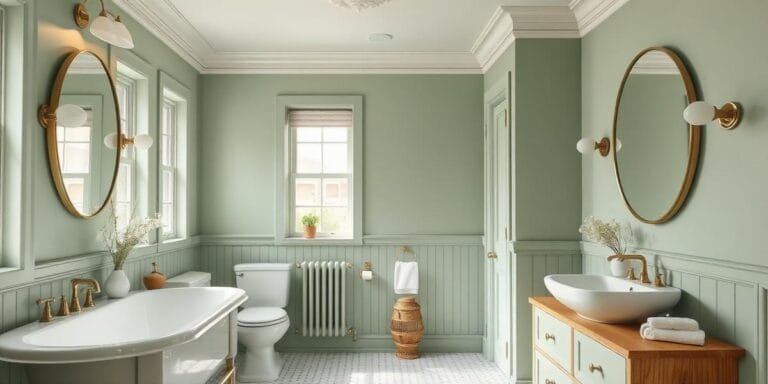

TL;DR
Transforming a standard bathroom into a dedicated wellness space requires a strategic shift from basic utility to sensory-focused design. Success relies on balancing moisture-resistant natural materials, zonal layouts that separate dry and wet areas, and lighting that respects human circadian rhythms. Prioritizing these physical and visual elements alters how a home environment supports daily stress recovery.
Introduction
Does your current bathroom truly help you unwind after a demanding day, or does it feel like a cluttered room of mere utility? Most residential spaces focus strictly on function, completely missing the profound psychological benefits of a restorative environment. Transitioning to a wellness-focused layout means looking closely at how light, texture, and sound influence your nervous system. You will discover the practical construction choices, material realities, and spatial configurations needed to establish an authentic spa experience at home.
The Architecture of Calm in Limited Spaces
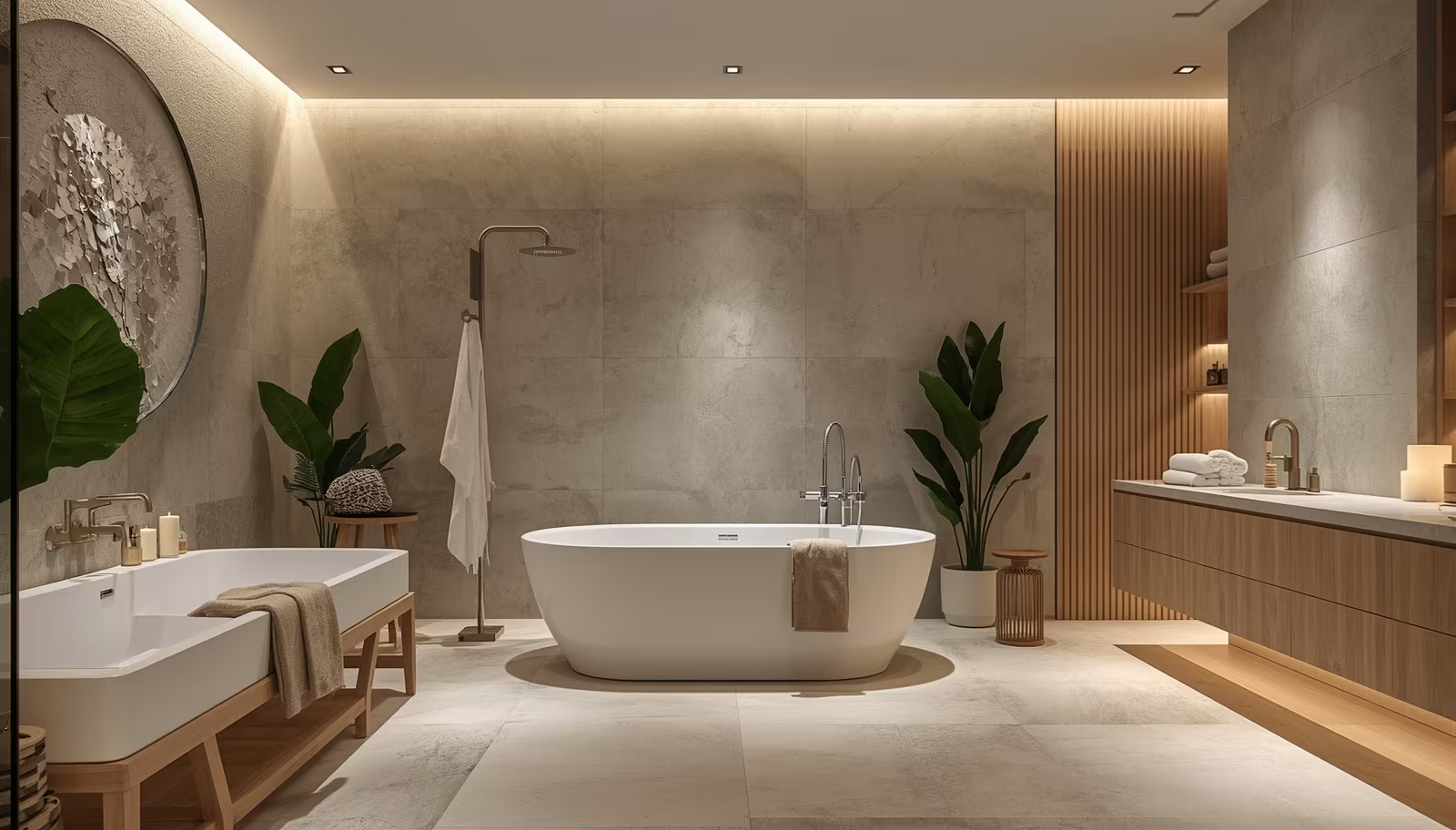
Standard residential layouts often compress plumbing fixtures together, creating a chaotic visual landscape that prevents mental relaxation. A sophisticated design resolves this friction by establishing distinct zones based on moisture levels and functional transitions. Designers call this the wet-room methodology, where wet activities like soaking and showering live behind a unified glass barrier, leaving the vanity area completely dry. This physical separation prevents water tracking, keeps humidity contained, and creates an immediate sense of order when walking through the door.
When a master bath remodel in a drafty Pacific Northwest home faced persistent layout challenges, the builders resolved the cramped feel by grouping a freestanding volcanic limestone tub and an open shower drain into a single enclosed wet zone. This choice eliminated the need for multiple swinging glass doors that constantly interrupted the room. The remaining floor space allowed for a wide, uncluttered custom oak vanity with deep drawers to hide all personal items out of sight. Separating these zones immediately lowered the ambient humidity in the dressing area and made the room feel twice its actual size.
Mastering the Wet Zone Transition
Successful wet zones require meticulous floor grading to ensure water moves toward the linear drain without pooling near the dry transition line. A slope of one-quarter inch per foot protects the structural subfloor while keeping the shower floor comfortable underfoot. Placing a recessed tile-in drain along the back wall creates a flat surface, allowing you to use large-format porcelain tiles instead of traditional tiny mosaic squares. This design choice minimizes grout lines, which reduces visual clutter and simplifies regular cleaning.
Maximizing Small Bathroom Footprints
Smaller urban bathrooms can still achieve a spa-like atmosphere by prioritizing vertical space and floating elements. Wall-mounted toilets and floating vanities keep the floor continuous, giving the illusion of a larger room. Selecting a single tonal color palette for the walls and floor prevents the eye from stopping at structural boundaries, making compact dimensions feel expansive.
Selecting Restorative and Resilient Materials
Authentic wellness environments rely heavily on tactile honesty, which means choosing materials that feel substantial and safe to bare skin. Synthetic surfaces like glossy acrylic and cheap laminate reflect light harshly and feel cold, cheapening the overall experience. Incorporating natural stones like honed travertine, slate, or matte marble introduces organic textures that ground the room. These raw surfaces absorb sound waves rather than reflecting them, immediately dampening the harsh echoes common in standard tiled rooms.
+---------------------+-----------------------+-------------------------+
| Material Type       | Primary Wellness Benefit| Key Maintenance Reality |
+---------------------+-----------------------+-------------------------+
| Honed Travertine    | Tactile, slip-resistant| Requires annual sealing |
| Canadian Red Cedar  | Natural aromatherapy  | Must remain unsealed    |
| Volcanic Limestone  | High heat retention   | Heavy structural weight |
+---------------------+-----------------------+-------------------------+
A common mistake is fearing wood in wet environments, which often leads people to pick sterile, uninviting surfaces. Using responsibly sourced timber like Canadian red cedar or premium teak on ceiling panels or accent walls infuses the room with natural aromas that activate upon contact with hot steam. The natural oils within these wood species naturally resist rot and insects, provided the room maintains a properly calibrated exhaust system.
Balances in Stone and Porous Surfaces
Porous natural stones require explicit maintenance routines that you must understand before installation. Unsealed limestone looks beautiful but absorbs oils from body lotions and soaps, leading to permanent discoloration over time. Applying a high-grade, water-based penetrating sealer protects the stone without creating a shiny, fake plastic film on top. For high-traffic shower floors, selecting a honed finish over a polished one prevents dangerous slips when the surface is wet.
Longevity of Native Wood Elements
To keep wood accents from warping or developing mildew, you must maintain a consistent back-ventilation gap behind the planks during construction. Installing furring strips over the waterproof membrane ensures air circulates behind the cedar paneling, drying the wood completely between uses. This hidden air gap ensures the wood elements last for decades without requiring harsh chemical anti-fungal treatments.
Synchronizing Light and Circadian Rhythms
Harsh, overhead fluorescent lighting destroys relaxation by triggering cortisol production, the hormone tied directly to stress and alertness. A wellness-focused bathroom rejects central glare, using layered, indirect lighting that works in harmony with your biological clock instead. Soft, warm light sources positioned at eye level mimic the natural progression of sunset, signaling to your brain that it is time to wind down.
During a recent renovation project, a homeowner replaced their overhead recessed cans with dimmable LED strips tucked behind the vanity mirror and inside a recessed ceiling cove. These strips shifted automatically from a crisp cool white during morning routines to a rich amber hue in the evening. The homeowner reported an immediate improvement in their sleep quality, as their evening baths were no longer ruined by blinding light. This layout works because indirect light bounces off solid surfaces, scattering softly across the room and eliminating harsh shadows.
Engineering Indirect Illumination
Creating a successful cove lighting setup requires placing the LED channel at least two inches below the main ceiling line. This distance allows the light beam to spread evenly across the drywall surface, preventing hot spots or uneven lines of light. Using waterproof LED strips rated IP67 ensures moisture never short-circuits the diodes, preserving the installation for years.
                       [Ceiling Surface]
                              ^
                              |  (Diffused Light)
    +-------------------------+-------+
    |                                 |
    |   [LED Strip] -> * * * *        |
    +---------+-----------------------+
              |
              | (Cove Lip Blocks Direct View)
              v
Eliminating Task Light Shadows
Vanity lighting requires a balanced approach to ensure clear visibility without resorting to blinding glare. Placing vertical sconces on both sides of the mirror, rather than a single light bar directly overhead, casts an even light across your face. This placement eliminates the deep shadows beneath the eyes and chin, making morning grooming tasks comfortable and stress-free.
Enhancing Air Quality and Thermal Performance
True relaxation is impossible if the air feels stuffy or the floor chills your feet the moment you step out of the tub. Proper ventilation must work quietly in the background to remove excess moisture without making the room loud or drafty. Upgrading to a remote-mounted inline exhaust fan pulls air through a ceiling grille using a motor hidden far away in the attic. This layout drops the ambient bathroom noise down to a near-silent level, allowing you to focus on the soothing sound of water.
Integrating electric radiant floor heating underneath the floor tile changes how you use the room during colder seasons. Unlike central HVAC vents that blow dry air and dust around, radiant heat warms objects and feet directly through gentle infrared energy. This consistent warmth dries up stray water droplets on the floor quickly, which actively stops mold and mildew from growing in the grout lines.
Sizing Fan Capacity Correctly
An underpowered exhaust fan causes humidity to settle on walls, which ruins paint and fosters mold growth behind baseboards. A standard bathroom needs an exhaust system capable of moving one cubic foot of air per minute for every square foot of floor space. For rooms featuring steam showers or large soaking tubs, increasing that capacity by fifty percent ensures air changes out fast enough to protect your home.
Managing Thermal Underfloor Zones
Electric heating mats work best when split into independent, programmable zones that heat up only during your typical morning and evening routines. Embedding the heating cables inside a polymer-modified self-leveling underlayment ensures the tile layer warms up evenly without cold spots. This installation layer also serves as an uncoupling membrane, preventing seasonal subfloor movement from cracking your expensive tile work.
Wrap Up
Designing a wellness-oriented bathroom means moving past quick surface upgrades and focusing on deliberate structural choices. Separating wet and dry zones, selecting genuine natural materials, and using indirect lighting creates a reliable retreat from daily stress. Investing thought and care into these fundamental design elements ensures your bathroom serves your well-being for years to come.
FAQs Section
How do I prevent mold growth in a bathroom with wood paneling?
Ensure your ventilation fan is sized correctly for the room’s square footage and leave it running for twenty minutes after every shower. Additionally, install wood planks over a proper rain-screen framework with an active air gap behind the timber to allow total drying.
Can I install a heavy stone soaking tub on a standard wood-joist floor?
Heavy stone and volcanic limestone tubs usually require structural joist reinforcement beneath the subfloor to handle the combined weight of the material, water, and occupant. A structural engineer must evaluate the floor framing before delivery to prevent dangerous sagging or structural failure.
What is the best lighting color temperature for an evening spa experience?
The ideal color temperature for evening relaxation is between 2200K and 2700K, which provides a warm amber glow similar to candlelight. This range avoids the blue wavelengths that disrupt melatonin production, helping your body prepare naturally for restful sleep.
Disclaimer
This content shared by Fall Rugs is solely for research and informational purposes. Fall Rugs is not a professional interior design or home renovation consultancy, and the information provided should not be considered professional advice for home improvement or decor. All ideas and suggestions are based on current trends and general knowledge in the home decor industry.