
TL;DR
The right decorating style is not just about what looks attractive online. It comes from how you live, what your rooms need, and which colors, textures, furniture shapes, and rugs make your home feel natural rather than forced.
Introduction
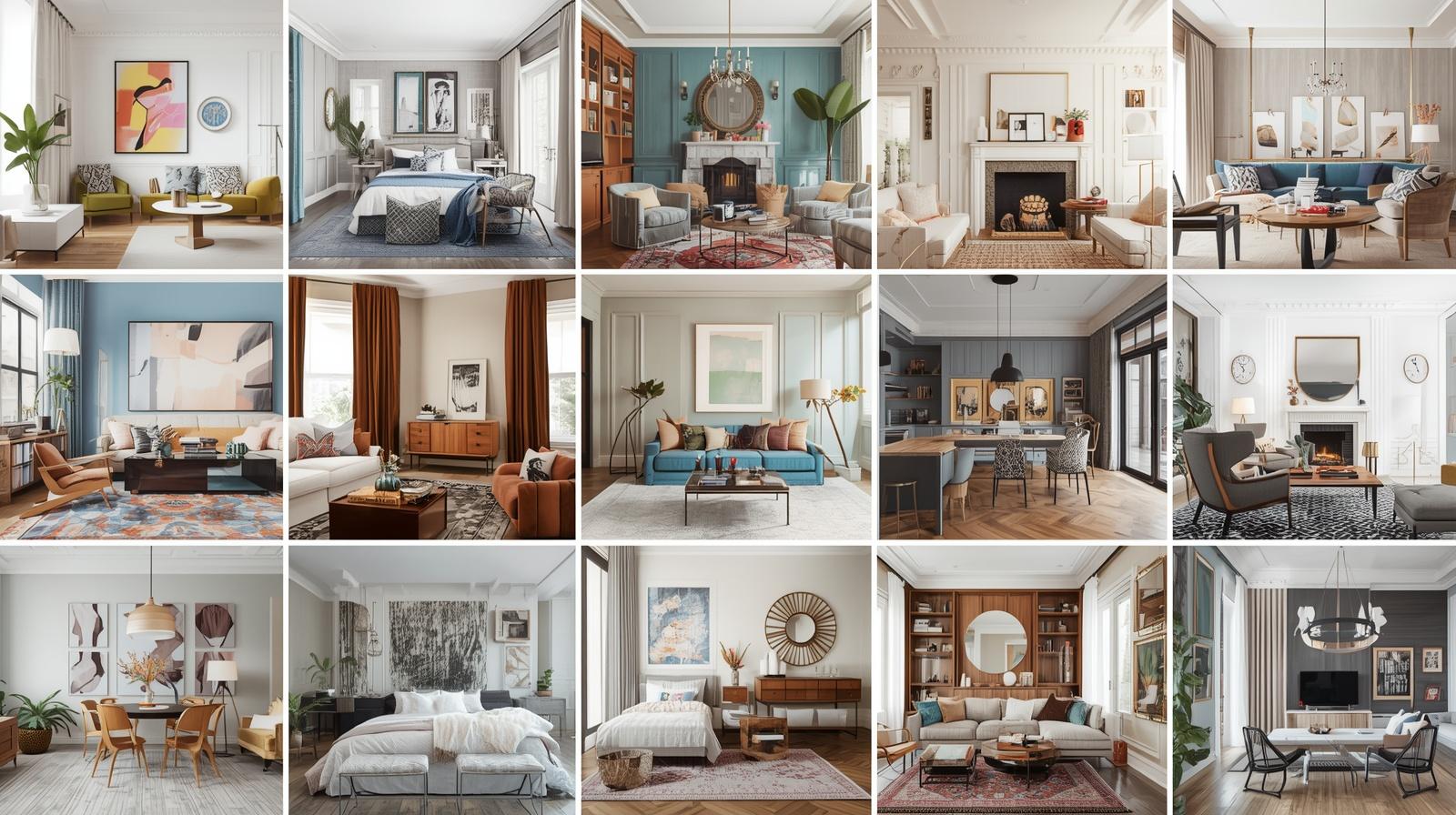
A room can look expensive and still feel wrong. That usually happens when the style fights the way people actually live in the space. Decorating works better when the furniture, lighting, textiles, wall color, and floor coverings all support the same mood. These 15 decorating styles will help you read your own taste more clearly and choose a direction that feels comfortable, practical, and personal.
1. Modern Style for Clean Lines and Calm Rooms
Modern decorating favors clarity. It often uses low-profile furniture, smooth surfaces, simple silhouettes, and a controlled color palette built around white, black, gray, beige, walnut, or soft earth tones. A modern room does not need to feel cold, though. The difference often comes from texture, such as a wool rug, linen sofa, matte ceramic lamp, or warm wood cabinet.
This style suits people who feel calmer when visual noise stays low. It works well in apartments, compact living rooms, and open-plan homes where too many decorative objects can make everything feel crowded. The style fails when it becomes too bare, so the strongest modern rooms still include human touches like books, art, plants, or a rug with quiet movement.
2. Minimalist Style for People Who Want Space to Breathe
Minimalist decor is often misunderstood as having almost nothing. In real homes, it means every piece has a clear purpose. The sofa feels right, the coffee table earns its place, the rug anchors the seating area, and storage hides the daily clutter that would otherwise interrupt the mood. Color usually stays restrained, but the materials must do more visual work.
Minimalism suits households that value order, light, and open space. A small bedroom with pale walls, a platform bed, two good lamps, and a soft neutral rug can feel larger than it is because the eye has fewer stops. The risk comes when minimalism ignores comfort. A room can be visually quiet and still feel inviting when the textiles are soft and the lighting has warmth.
3. Scandinavian Style for Bright, Friendly Simplicity
Scandinavian decorating blends function with gentle charm. It relies on pale woods, white walls, soft gray, cream, muted blue, warm beige, and natural textiles. The furniture usually feels light rather than heavy, with raised legs, clean edges, and practical shapes. Rugs often play a quiet but important role by softening wood floors and creating warmth during darker months.
This style works well for families and renters because it accepts real life better than strict minimalism. A Scandinavian living room can hold a basket of blankets, a wooden dining table, framed art, and a textured rug without feeling messy. Its weakness appears when every piece becomes too pale. Adding contrast through black frames, deeper wood, or a patterned floor textile gives the room shape.
4. Traditional Style for Timeless Rooms with Structure
Traditional decorating values balance, symmetry, and furniture with a sense of history. You often see rolled-arm sofas, carved wood tables, framed mirrors, classic lamps, layered curtains, and rugs with borders or floral patterns. The palette may include cream, navy, burgundy, forest green, gold, brown, and warm neutrals. It feels composed, not casual.
This style suits homes where people want rooms to feel established and graceful. A traditional dining room with a dark wood table, upholstered chairs, and a patterned rug can make even weekday meals feel more grounded. The style can become stiff if every piece looks too formal, so a few relaxed elements, such as a softer throw or updated artwork, keep it from feeling frozen in time.
5. Transitional Style for a Balanced, Livable Mix
Transitional decor sits between traditional and modern design. It keeps the comfort and structure of classic rooms but removes some of the heaviness. A transitional living room may have a tailored sofa, simple curtains, a warm wood console, clean-lined lamps, and a muted rug with a faded pattern. The result feels polished without becoming precious.
This style often works for couples or families with different tastes. One person may prefer classic furniture, while another wants cleaner lines. Transitional design gives both sides room. In publishing and home styling work, this is one of the most requested looks because it photographs well and ages slowly. It can fall flat when the palette becomes too safe, so small contrasts in texture matter.
6. Farmhouse Style for Warmth, Texture, and Everyday Comfort
Farmhouse decorating grew from practical country homes, but the current version usually blends rustic materials with relaxed comfort. Common elements include wood beams, painted cabinets, slipcovered sofas, apron-front sinks, woven baskets, vintage signs, and natural rugs. The palette often leans toward white, cream, tan, black, weathered wood, and soft sage.
A farmhouse room should feel collected, not staged. In one family home, a worn pine dining table looked far better after the owners replaced a glossy synthetic rug with a flatwoven neutral one. The room instantly felt less showroom-like and more honest. Farmhouse style fails when it becomes too themed, so use fewer slogans and more real materials.
7. Rustic Style for Natural Materials and Weathered Beauty
Rustic decorating celebrates texture from wood, stone, leather, iron, wool, clay, and jute. It works especially well in rooms with fireplaces, exposed beams, brick walls, or large windows facing trees or fields. The furniture tends to feel sturdy, and the color palette often includes brown, rust, charcoal, cream, moss, and deep red.
This style suits people who prefer a grounded, tactile home. A rustic room should not feel overly polished. Scratches, knots, uneven grain, and hand-finished surfaces give it character. The second-order effect is comfort through imperfection. Guests relax faster in a room that does not look fragile. Balance matters, though, because too much dark wood can make the space feel heavy.
8. Bohemian Style for Layered Rooms with Personality
Bohemian decor welcomes color, pattern, travel-inspired objects, plants, layered rugs, low seating, woven lighting, and mixed textiles. It rarely follows strict symmetry. The charm comes from a personal rhythm, where a vintage chair, handmade cushion, carved table, and patterned rug feel connected by mood rather than by matching sets.
This style suits creative people who enjoy collecting pieces over time. It can also work in small spaces because layered details create intimacy. The common mistake is confusing bohemian with clutter. The strongest bohemian rooms still have editing. They repeat a few colors, keep pathways clear, and use rugs to organize zones rather than letting every object compete for attention.
9. Coastal Style for Light, Air, and Relaxed Freshness
Coastal decorating draws from shorelines without turning the room into a souvenir shop. It uses light wood, linen, cotton, rattan, glass, white walls, sandy beige, soft blue, seafoam, and weathered finishes. Rugs tend to be natural, textured, or subtly striped. The mood feels open, breezy, and unfussy.
This style works beautifully in sunny rooms and homes that need a lighter visual touch. A coastal bedroom can feel restful with white bedding, pale oak side tables, woven shades, and a soft blue rug. The look becomes weak when it relies on anchors, shells, and literal beach signs. Better coastal decor suggests the coast through light, texture, and color restraint.
10. Industrial Style for Raw Edges and Urban Character
Industrial decor takes cues from warehouses, workshops, lofts, and old factories. It often includes metal shelving, leather seating, exposed brick, concrete, black-framed windows, reclaimed wood, and visible hardware. The color palette tends to stay moody with charcoal, brown, black, rust, gray, and warm tan.
This style fits open layouts and rooms with architectural bones. A low leather sofa on a large distressed rug can soften the hard edges without losing the industrial mood. The style fails when every surface feels cold. Real industrial rooms need warmth from textiles, warm bulbs, art, and wood tones. Otherwise, the room starts to feel more like a set than a home.
11. Mid-Century Modern Style for Shape, Color, and Retro Ease
Mid-century modern decor focuses on furniture shapes from the middle of the twentieth century. Tapered legs, walnut finishes, curved chairs, clean case goods, geometric rugs, and sculptural lighting are common. Colors may include mustard, olive, teal, orange, brown, cream, and black, often used in measured doses.
This style suits people who like character without visual clutter. A mid-century living room can feel lively with a walnut media unit, slim sofa, arc lamp, and patterned rug. The trick is not turning the room into a time capsule. Pairing vintage-inspired pieces with current textiles, plain walls, and practical storage helps the style feel fresh rather than nostalgic for its own sake.
12. Japandi Style for Quiet Warmth and Careful Editing
Japandi blends Japanese restraint with Scandinavian warmth. It values natural materials, low furniture, soft neutrals, handmade textures, and uncluttered rooms. You may see oak, ash, bamboo, linen, clay, stone, paper lighting, and rugs with subtle texture. The palette usually includes cream, taupe, black, warm gray, muted brown, and soft green.
This style suits people who want calm without sterility. It asks for fewer pieces, but better choices. A Japandi room benefits from negative space, where the empty areas feel intentional rather than unfinished. It can fail when copied too literally from staged images. Real homes need storage, durable fabrics, and surfaces that handle daily use.
13. Eclectic Style for Confident Mixing That Still Feels Intentional
Eclectic decorating mixes periods, colors, shapes, and materials. It might place a modern sofa beside a vintage cabinet, a traditional rug under a glass table, and contemporary art above an antique bench. The style looks free, but good eclectic rooms often follow hidden rules through repeated colors, similar wood tones, or a shared level of visual weight.
This style suits people with strong personal taste and patience. A client once kept buying single pieces she loved, but her living room felt scattered. The fix was not replacing everything. We repeated warm red from her rug in two cushions and one artwork, then removed three small tables. Suddenly, the room looked collected instead of confused.
14. Contemporary Style for Current Comfort Without Chasing Trends
Contemporary decor reflects what feels current now, but it changes more easily than modern style. It often uses rounded furniture, soft neutrals, sculptural lighting, textured walls, mixed metals, large-scale art, and rugs with abstract or organic patterns. The mood feels updated, calm, and comfortable.
This style suits people who like a fresh home but do not want dramatic themes. The challenge is avoiding trend fatigue. Curved sofas, boucle chairs, and stone tables may look beautiful, but a room needs contrast and practicality. A contemporary space lasts longer when the expensive pieces stay simple and trend-led details appear through cushions, lamps, artwork, or rugs.
15. Cottage Style for Charm, Softness, and Personal History
Cottage decorating feels gentle, layered, and lived in. It often includes painted wood, floral fabrics, checked patterns, skirted furniture, vintage artwork, open shelves, braided or patterned rugs, and soft colors such as cream, blush, sage, butter yellow, dusty blue, and warm white. The mood is cozy rather than polished.
This style suits smaller homes, older houses, bedrooms, reading corners, and spaces where comfort matters more than sharp design statements. Cottage rooms work because they invite use. The danger comes from excess sweetness. Add grounding through natural wood, iron, plain linen, or a rug with deeper tones so the space feels charming but not overly delicate.
How to Choose the Decorating Style That Actually Fits
The fastest way to find your match is to study what you already keep. Look at the furniture you never want to replace, the colors you wear often, the rooms where you naturally spend time, and the textures you reach for without thinking. Your home usually leaves clues before you name the style.
Lifestyle matters as much as taste. A white minimalist room may look perfect until a busy family, two pets, and weekend guests use it every day. A bohemian room may feel exciting until the dusting becomes exhausting. The right decorating style supports your habits instead of asking you to become a different person.
Why Rugs Often Decide Whether a Style Works
Rugs connect furniture, color, comfort, and movement in one design choice. A room can have good furniture and still feel unfinished if the rug is too small, too shiny, too thin, or out of rhythm with the rest of the decor. In many rooms, the rug is the bridge between the floor and the furniture.
Fall rugs can also shift the emotional temperature of a space without major renovation. A warm-toned patterned rug can make a modern room feel more welcoming. A flatwoven natural rug can relax a farmhouse dining area. A faded traditional rug can give a contemporary living room depth. The right floor textile does not just decorate the room, it changes how the room behaves.
Wrap Up:
Decorating styles work best when they reflect real habits, not just saved photos. Modern, farmhouse, bohemian, coastal, traditional, Japandi, and every other style has its own strengths, but the right match depends on comfort, maintenance, light, space, and personality. Start with the mood you want, then choose furniture, color, lighting, and rugs that support it. A home feels finished when every choice looks good and lives well.
FAQs Section:
What decorating style is easiest to start with?
Transitional style is often the easiest because it blends classic comfort with cleaner modern lines. It gives enough structure to guide choices without forcing every piece into a strict theme.
Can I mix different decorating styles in one home?
Yes, mixed styles can look natural when you repeat colors, materials, or shapes from room to room. The goal is connection, not perfect matching.
How do I know which rug fits my decorating style?
Look at the room’s color, furniture weight, and mood first. A patterned rug adds character, a natural rug adds texture, and a soft neutral rug creates calm without pulling attention from the rest of the space.
Disclaimer:
This content shared by Fall Rugs is solely for research and informational purposes. Fall Rugs is not a professional interior design or home renovation consultancy, and the information provided should not be considered professional advice for home improvement or decor. All ideas and suggestions are based on current trends and general knowledge in the home decor industry.