
TL;DR
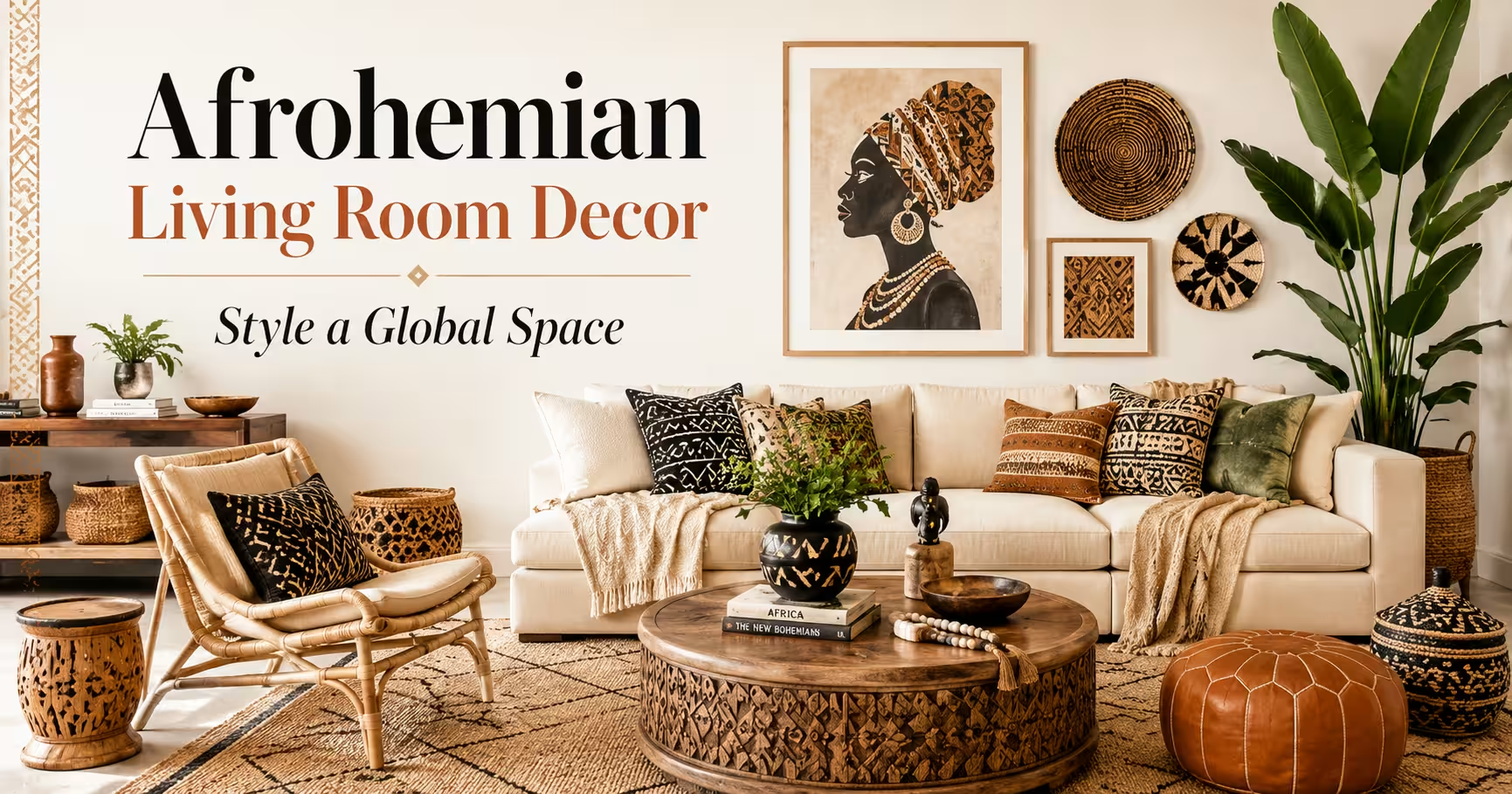
Afrohemian decor fuses the rich, textured heritage of African diaspora craftsmanship with the relaxed, layered ethos of bohemian interior styling. Achieving this balance requires pairing bold cultural anchors like vintage mudcloth or custom furniture with earthy, neutral bases to keep the room feeling intentional and open. The final space honours historical artistry while maintaining a highly functional, comfortable environment for modern daily living.
Introduction
Creating a home that feels deeply personal and visually captivating often involves looking beyond mass-produced retail trends. Fusing historical narrative with relaxed, organic styling offers a blueprint for spaces that feel both curated and incredibly comfortable.
This approach blends the structural artistry of traditional African craftsmanship with the free-spirited, plant-filled warmth of bohemian styling. Readers will discover how to select authentic textiles, balance competing textures, and arrange global eclectic furniture to build a cohesive living area.
Sourcing Authentic African Diaspora Textiles
Textiles serve as the literal fabric of this design philosophy, carrying centuries of storytelling through weave patterns and dyeing techniques. Incorporating authentic hand-woven fabrics changes the energy of a room, lifting it from a standard showroom aesthetic into something with true historical weight.
Designers frequently source genuine Malian mudcloth, known traditionally as bògòlanfini, which uses fermented mud to create intricate geometric patterns on cotton strips. Striking the right balance means using these highly graphic pieces as focal points, perhaps draped over a neutral linen armchair or mounted as framed wall art.
An equally compelling option is incorporating Ghanaian Kente cloth or hand-dyed Yoruba indigo batiks from Nigeria. Because these fabrics possess intense visual presence, a common misstep involves crowding them together, which leads to visual exhaustion.
Experienced decorators use a solid, grounding backdrop to give each textile room to breathe. For example, placing a vibrant indigo throw across a crisp white cotton slipcovered sofa allows the deep blue tones to pop without overwhelming the surrounding space.
Focusing on the tactile quality of the materials ensures the room retains its relaxed, livable character. Combining coarse, hand-spun cottons with smoother elements like washed silk or flat-weave wool rugs builds an inviting sensory experience. This layered textile approach establishes the foundational warmth necessary for any successful shared living environment.
The Art of Pattern Mixing without Chaos
Mixing diverse cultural prints requires a shared color story to prevent the room from looking like a disorganized marketplace. Select one dominant hue, such as a deep terracotta or warm ochre, and ensure it appears across different fabric patterns throughout the space. Varying the scale of the prints is equally vital, so pair a large-scale geometric mudcloth print with a smaller, subtle repeating motif on secondary accent pillows.
Caring for Hand-Woven Heritage Fabrics
Vintage and handmade textiles require specialized maintenance to preserve their natural dyes and delicate fibers. Hand-washing in cold water with mild, pH-neutral detergents or opting for specialized dry cleaning prevents colors from bleeding. Keeping these fabrics out of direct, intense sunlight prevents premature fading, ensuring the deep tones remain vibrant for years.
Selecting Global Eclectic Furniture Anchors
The structural foundation of the space relies on a thoughtful mix of clean-lined modern furniture and expressive, sculptural accent pieces. A common layout trap is buying a matching three-piece living room set, which completely kills the collected, globetrotting vibe essential to this aesthetic. Instead, pair a substantial, clean-lined foundation piece like a tan leather sofa from West Elm with distinct, hand-carved wooden furniture.
Incorporating functional art objects brings immediate authenticity and architectural interest to the seating arrangement. Consider integrating sculptural wooden seating like the fluid, heritage-inspired designs of contemporary artist Jomo Tariku. Alternatively, traditional Ethiopian Jimma stools or Senegalese woven basket side tables introduce organic shapes that contrast beautifully with sharp, modern architectural lines.
The interplay between heavy, grounded furniture and lighter, leggy pieces keeps the living room feeling airy and spacious. A dense, low-slung sectional balances beautifully when placed near a lightweight wicker accent chair or a slender blackened-steel floor lamp. This deliberate contrast ensures that the room feels curated over time rather than styled in a single afternoon.
Balancing Wood Tones Across the Room
Using multiple wood types can create unintended friction if the underlying undertones clash drastically. Aim to match the visual weight and undertone of your woods, combining warm-toned species like teak, iroko, and walnut rather than mixing ash blonde with deep red mahogany. A consistent matte or oiled finish across different wood pieces helps unify their appearance beautifully.
Integrating Contemporary Metals with Natural Materials
Introducing subtle metal accents prevents the organic elements from looking overly rustic or dated. Sleek matte black iron hardware, brushed brass light fixtures, or a minimalist steel coffee table frame add a sharp modern edge. These industrial touches provide a necessary frame that highlights the natural beauty of the surrounding wood and fiber elements.
Curating Layered Textures and Organic Greenery
A true global eclectic room relies on tactile depth to create warmth, utilizing materials that beg to be touched. Layering floor coverings is an excellent method to introduce this depth while defining specific functional zones within an open floor plan. Start with a large, durable base layer such as a natural jute or sisal rug that extends to the outer edges of the seating arrangement.
On top of this neutral foundation, layer a plush, patterned wool rug, such as a Moroccan Beni Ourain or a graphic flat-weave geometric kilim from Ruggable. This technique provides immediate physical comfort underfoot while breaking up large expanses of hardwood or tile flooring. The contrast between the rough, braided sisal and the soft wool pile instantly establishes a cozy, lived-in atmosphere.
To complete the organic ecosystem of the room, integrate diverse plant life placed at varying vertical heights throughout the space. Position a tall, structural fiddle-leaf fig or a bird of paradise plant in an unlacquered terracotta floor pot from Pottery Barn to draw the eye upward. Hang trailing velvet-leaf philodendrons from macramé planters in the corners, and place small, textured succulents on floating oak shelving to soften sharp wall angles.
Choosing the Right Pots for Botanical Accents
The containers housing your plants are just as influential as the greenery itself when styling a cohesive space. Select hand-coiled ceramic pots, distressed clay vessels, or woven seagrass baskets lined with plastic to maintain the earthy theme. Avoid glossy, brightly glazed plastics that break the organic illusion and distract from the natural foliage.
Managing Visual Weight in Small Spaces
In compact living rooms, heavy layers can quickly make the walls feel like they are closing in on the inhabitants. Mitigate this by choosing furniture with raised legs to expose more floor space, and use sheer linen window treatments that allow natural light to filter through. Focus the heaviest textures below eye level to keep the upper half of the room feeling light and unrestricted.
Designing a Cohesive Palette with Earthy Undertones
Color binds all these disparate global and modern elements into a single, harmonious design statement. Rather than relying on stark gallery white, paint the walls a soft, warm neutral like Alabaster by Sherwin-Williams or a gentle bone ivory. This subtle warmth creates a gallery-like backdrop that enhances art and textiles without casting cold, blue shadows.
Build your accent palette from nature, drawing directly from clay, mineral, and botanical tones found across the African continent. Rich sienna, burnt umber, deep forest green, and muted mustard yellow function beautifully as unifying threads throughout the space. Apply these colors intentionally through ceramic vases, throw blankets, and matte-finish accent walls to guide the eye smoothly across the room.
The secret to keeping a deeply saturated palette from feeling muddy lies in the strategic use of high-contrast punctuation points. Introduce crisp black accents through frame borders, light tracks, or sculptural iron hardware to ground the drifting earth tones. This dark contrast sharpens the focus of the room, ensuring that every curated object stands out distinctly against its surroundings.
Testing Paint Colors in Varied Lighting Conditions
Earthy paint pigments shift dramatically depending on the direction of natural light entering the windows. East-facing rooms benefit from warmer undertones to counteract cool morning light, while south-facing spaces can handle deeper, desaturated mineral tones. Always paint large test swatches on multiple walls and observe them at morning, noon, and night before committing.
Utilizing Matte and Flat Finishes for Authentic Depth
Glossy paint finishes can create harsh reflections that detract from the relaxed, organic comfort of a global home. Choose flat, matte, or lime-wash wall finishes to create a soft, velvety texture that absorbs light beautifully. This lack of reflection highlights the subtle variations in handcrafted decor and emphasizes architectural silhouettes.
Framing Wall Art and Heritage Artifacts
The items displayed on your walls should tell a cohesive story of global artistry while respecting the cultural origins of each piece. Grouping diverse objects into a structured gallery wall creates an engaging focal point above a fireplace or media console. Combine framed monochromatic photography of architectural landscapes with physical objects like shallow, hand-woven Binga baskets from Zimbabwe.
When displaying traditional masks, status caps, or ceremonial textiles, utilize museum-quality mounting techniques to show appropriate reverence for the craft. Floating a delicate textile inside a deep wooden shadowbox protects the fibers from dust while transforming the fabric into an official art installation. Avoid using cheap adhesive strips or crude pins, which can permanently tear or degrade historic threads.
Vary the scale of your wall displays to keep the room from feeling monotonous or overly cluttered with small trinkets. Pair one massive, statement-making canvas or textile print with a small, intimate grouping of three framed sketches on the opposite wall. This asymmetry creates dynamic visual tension, encouraging guests to move through the room and explore the details closely.
Sourcing Art Ethically and Supporting Creators
Prioritize purchasing contemporary art and traditional crafts directly from indigenous artisans, reputable co-ops, or fair-trade foundations. Researching the cultural significance of patterns ensures your home decor celebrates the living history of the creators rather than exploiting it. Supporting artists directly preserves traditional crafting techniques for future generations.
Selecting the Right Framing Materials
Unifying a diverse collection of wall art requires a consistent approach to frames and matting. Use clean, unadorned solid wood frames in oak, walnut, or black finish, matched with wide, acid-free white mats. This professional framing style elevates simple sketches or textiles, giving the entire collection a cohesive, museum-grade appearance.
Wrap Up
Building a thoughtful living area requires balancing bold cultural artifacts with clean, modern design elements to create longevity. By centering the room around authentic diaspora textiles, unique wooden furniture anchors, and layered natural fibers, the space becomes both inspiring and deeply restful. Avoid rushing the process, and allow the environment to grow organically as unique pieces are discovered over time. The most successful rooms are those that reflect a genuine appreciation for global craftsmanship while serving the functional needs of everyday life.
FAQs Section
How do I prevent my eclectic living room from looking overly cluttered?
Keep the floor plan open by choosing a few substantial furniture pieces rather than many small items, and leave plenty of empty white space on your walls. Group smaller decorative objects together on trays or shelves to create organized visual chapters instead of scattering them randomly across every surface.
Can I mix modern minimalist furniture with traditional African decor?
A sleek, neutral sofa or a minimalist metal coffee table provides the perfect quiet backdrop that allows highly detailed hand-carved wood and graphic textiles to stand out. The clean lines of modern design frame the organic textures of heritage pieces beautifully, keeping the space current.
Where can I find authentic, ethically sourced African home decor?
Look for certified fair-trade organizations, artisan cooperatives, and non-profit design groups that work directly with weavers and woodworkers across the African continent. Purchasing from these transparent sources ensures fair compensation goes directly to the creators while guaranteeing the authenticity of the craftsmanship.
Disclaimer
This content shared by Fall Rugs is solely for research and informational purposes. Fall Rugs is not a professional interior design or home renovation consultancy, and the information provided should not be considered professional advice for home improvement or decor. All ideas and suggestions are based on current trends and general knowledge in the home decor industry.