
TL;DR
A vaulted ceiling is a ceiling that rises above the standard flat height, creating a greater sense of space, light, and architectural interest. Different styles suit different homes, budgets, and structural conditions. The best choice balances aesthetics, energy performance, room size, and long-term practicality.
Introduction
Why do some rooms feel dramatically larger the moment you walk inside them? The answer often has less to do with floor space and more to do with what happens overhead. A vaulted ceiling changes the shape of a room by extending upward, creating openness that standard ceilings rarely achieve.
Homeowners often focus on flooring, furniture, and wall colors first. Yet ceiling design can influence how natural light moves through a space, how sound behaves, and even how valuable a property feels. A closer look at vaulted ceilings reveals why they remain one of the most sought-after architectural features in residential design.
What Defines a Vaulted Ceiling?
A vaulted ceiling is any ceiling that extends upward from the walls toward a higher central point rather than remaining flat and level. The design traces its roots to historic European architecture, where churches and cathedrals used dramatic ceiling heights to create visual grandeur and improve structural strength.
Modern residential construction adopted the concept in a more practical form. Today, vaulted ceilings appear in living rooms, great rooms, kitchens, bedrooms, and entryways. They create volume without increasing a home’s footprint, making rooms feel larger than their actual square footage.
The term is often used broadly, but not every raised ceiling qualifies as the same design. A tray ceiling, for example, adds height through recessed sections while maintaining a mostly flat structure. A true vaulted ceiling introduces an angled or arched form that changes the room’s geometry.
The Architectural Origins Behind Vaulted Ceilings
Long before modern homes embraced open-concept layouts, builders used vaulted structures to span wide spaces without extensive interior supports. Many famous European landmarks showcase this technique, including the Notre-Dame Cathedral and Westminster Abbey.
The Gothic period pushed vaulted construction further through ribbed and pointed arches. These innovations allowed builders to reach impressive heights while distributing structural loads more efficiently. The result was architecture that felt both lighter and more expansive.
Residential design borrowed these visual qualities over time. By the late twentieth century, vaulted ceilings became common in suburban developments across North America, particularly in custom homes where spacious interiors were a major selling point.
Popular Types of Vaulted Ceilings
Cathedral Ceilings
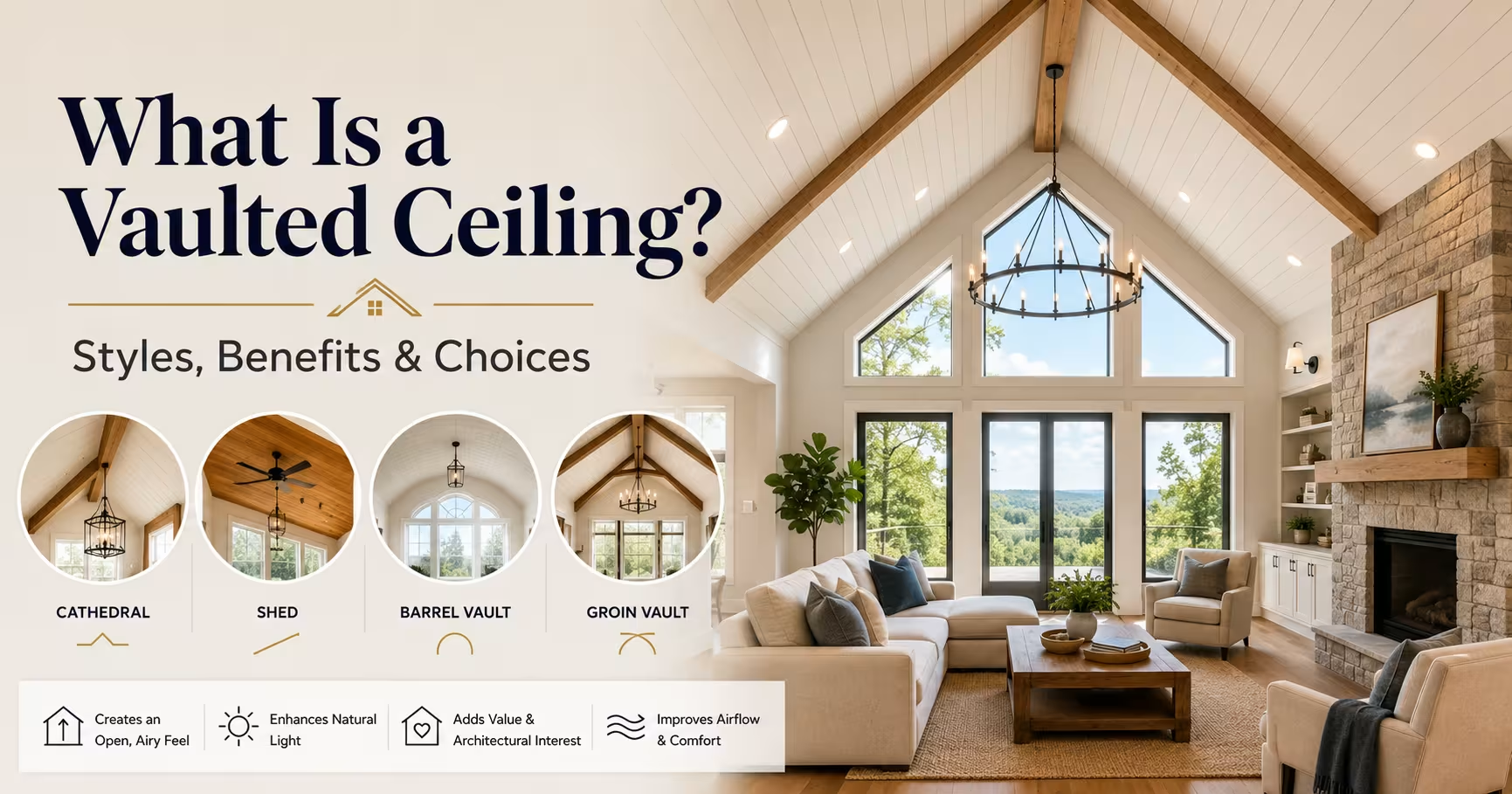
A cathedral ceiling follows the slope of the roof, with two equally angled sides meeting at a central ridge. This style creates a dramatic triangular profile and remains one of the most recognizable vaulted designs.
Many mountain homes and contemporary residences favor cathedral ceilings because they expose the roofline in a visually striking way. Large windows often accompany the design, allowing sunlight to travel deeper into interior spaces.
Barrel Vault Ceilings
A barrel vault forms a continuous curved surface resembling the inside of a tunnel. Rather than sharp angles, the ceiling creates a smooth arch that softens a room’s appearance.
This design appears frequently in Mediterranean, Spanish Colonial, and luxury contemporary homes. The curvature introduces elegance while maintaining the spacious feeling associated with vaulted construction.
Groin and Rib Vaults
Groin vaults occur when two barrel vaults intersect. Rib vaults add visible structural ribs that emphasize geometry and craftsmanship. While these styles are less common in standard residential construction, they remain influential in luxury architecture.
High-end custom homes occasionally incorporate simplified versions of these historical forms. The result blends classical inspiration with modern building techniques.
How Vaulted Ceilings Affect Space Perception
Human perception responds strongly to vertical dimensions. A room with a standard eight-foot ceiling feels fundamentally different from one that rises to fifteen or twenty feet. The eye naturally travels upward, making the entire space appear more generous.
Interior designers often use vaulted ceilings to compensate for modest floor plans. A relatively compact living area can feel significantly larger when vertical volume increases. This psychological effect explains why many buyers instantly notice and appreciate elevated ceilings during property tours.
Natural light amplifies the effect. Higher ceilings accommodate larger windows and clerestory openings, allowing daylight to spread across walls and floors more effectively. The interaction between height and illumination creates an atmosphere that feels open rather than confined.
The Advantages Homeowners Appreciate Most
The strongest appeal of vaulted ceilings lies in their ability to transform ordinary rooms into memorable spaces. Even simple furnishings can appear more sophisticated when framed by dramatic architectural lines.
Property value often benefits as well. Real estate professionals frequently highlight vaulted ceilings in listings because buyers associate them with custom design and premium construction. While location and layout remain primary value drivers, ceiling architecture contributes meaningfully to perceived quality.
Another advantage involves design flexibility. Exposed wood beams, statement chandeliers, oversized artwork, and tall shelving become viable design elements in rooms with increased vertical space. These features help create interiors with distinctive personality rather than a standard builder-grade appearance.
The Challenges Many Homeowners Overlook
Vaulted ceilings are not universally beneficial. Increased room volume affects heating and cooling performance because warm air naturally rises. In colder climates, this can create temperature differences between occupied living areas and the upper portions of the room.
Maintenance also becomes more complicated. Replacing light fixtures, cleaning ceiling fans, repainting surfaces, or changing high windows often requires specialized equipment or professional assistance.
Acoustics present another consideration. Larger vertical spaces can produce echoes and sound reflection. Without rugs, upholstered furniture, curtains, or acoustic treatments, conversations and entertainment systems may sound less controlled than they would in rooms with standard ceiling heights.
Choosing the Right Vaulted Ceiling for Your Home
The best vaulted ceiling complements the home’s architecture rather than competing with it. A sleek contemporary residence may benefit from clean angular lines, while a farmhouse-inspired home often looks more natural with exposed timber beams and softer detailing.
Roof structure plays a major role in determining feasible options. New construction offers far more flexibility than remodeling projects because framing can be designed around the ceiling concept from the beginning. Renovations often face structural limitations that affect cost and design possibilities.
Room proportions matter as much as ceiling height. Extremely high ceilings in small rooms can feel disproportionate rather than impressive. Successful designs maintain visual balance between floor area, wall dimensions, and vertical volume.
Real-World Design Scenarios
A custom home outside Austin featured a large open-plan living area connected to the kitchen and dining room. The owners initially planned a standard flat ceiling. After revising the design to include a cathedral vault with exposed wood beams, natural light reached farther into the interior, reducing daytime reliance on artificial lighting while creating a stronger visual centerpiece.
Another project involved a renovated bungalow in Portland. The homeowners wanted dramatic height but faced structural constraints. Rather than forcing a full cathedral design, architects introduced a modest vaulted ceiling with carefully positioned skylights. The solution preserved budget flexibility while delivering much of the spacious feeling they wanted.
Projects like these reveal a common lesson. The most successful vaulted ceilings are rarely the tallest. They are the ones designed around the home’s structure, climate, and daily living patterns.
Materials and Finishes That Shape the Final Look
Material selection has a significant influence on how a vaulted ceiling feels. Painted drywall creates a clean, contemporary appearance that works well in minimalist interiors. Light colors enhance brightness and make height feel even more pronounced.
Wood introduces warmth and texture. Cedar, pine, oak, and reclaimed timber beams remain popular because they balance large vertical spaces with natural character. Many modern farmhouse designs rely heavily on this contrast between height and organic materials.
Metal accents, exposed trusses, and architectural lighting can further define the ceiling’s personality. The most successful combinations create visual interest without overwhelming the room beneath them.
Energy Efficiency Considerations
Energy performance deserves attention before committing to any vaulted design. Larger air volumes require thoughtful insulation and ventilation strategies. Poorly insulated vaulted ceilings can lead to heat loss during winter and excessive heat gain during summer.
Modern construction methods have improved performance significantly. Advanced insulation systems, high-performance roofing materials, and energy-efficient windows help mitigate many traditional concerns associated with large ceiling volumes.
Ceiling fans often play an important supporting role. By circulating air more effectively, they help reduce temperature stratification and improve year-round comfort. Homes that integrate these features during the planning stage typically experience fewer energy-related surprises after construction.
Vaulted Ceilings in Contemporary Interior Design
Current design trends favor openness, natural light, and architectural authenticity. Vaulted ceilings align naturally with all three priorities. They create opportunities for dramatic glazing, exposed structural elements, and cleaner visual lines.
Designers increasingly pair vaulted ceilings with neutral palettes, oversized windows, and organic materials. The approach emphasizes spatial quality rather than decorative excess. The ceiling becomes part of the architecture itself rather than merely a surface above the room.
This shift reflects a broader preference for homes that feel calm and spacious. While trends change, the appeal of height, light, and volume has remained remarkably consistent across decades of residential design.
Wrap Up
A vaulted ceiling does much more than raise a room’s height. It changes how space feels, how light behaves, and how architecture communicates character. Different styles offer distinct advantages, from the dramatic symmetry of cathedral ceilings to the softer elegance of barrel vaults.
The strongest results come from matching the ceiling design to the home’s structure, proportions, climate, and lifestyle needs. When planned thoughtfully, a vaulted ceiling becomes a defining architectural feature that continues to add visual value long after construction is complete.
FAQs Section
What is the difference between a vaulted ceiling and a cathedral ceiling?
A cathedral ceiling is a specific type of vaulted ceiling that follows the roof’s slope and meets at a central ridge. Vaulted ceiling is the broader category that includes several ceiling styles.
Do vaulted ceilings increase home value?
They often improve buyer perception and can contribute to higher market appeal. The impact varies based on location, home quality, and overall architectural design.
Are vaulted ceilings more expensive to build?
Yes, they typically require additional framing, insulation, finishing work, and specialized construction planning. Costs vary according to ceiling style, materials, and structural complexity.
Disclaimer
This content shared by Fall Rugs is solely for research and informational purposes. Fall Rugs is not a professional interior design or home renovation consultancy, and the information provided should not be considered professional advice for home improvement or decor. All ideas and suggestions are based on current trends and general knowledge in the home decor industry.