

TL;DR
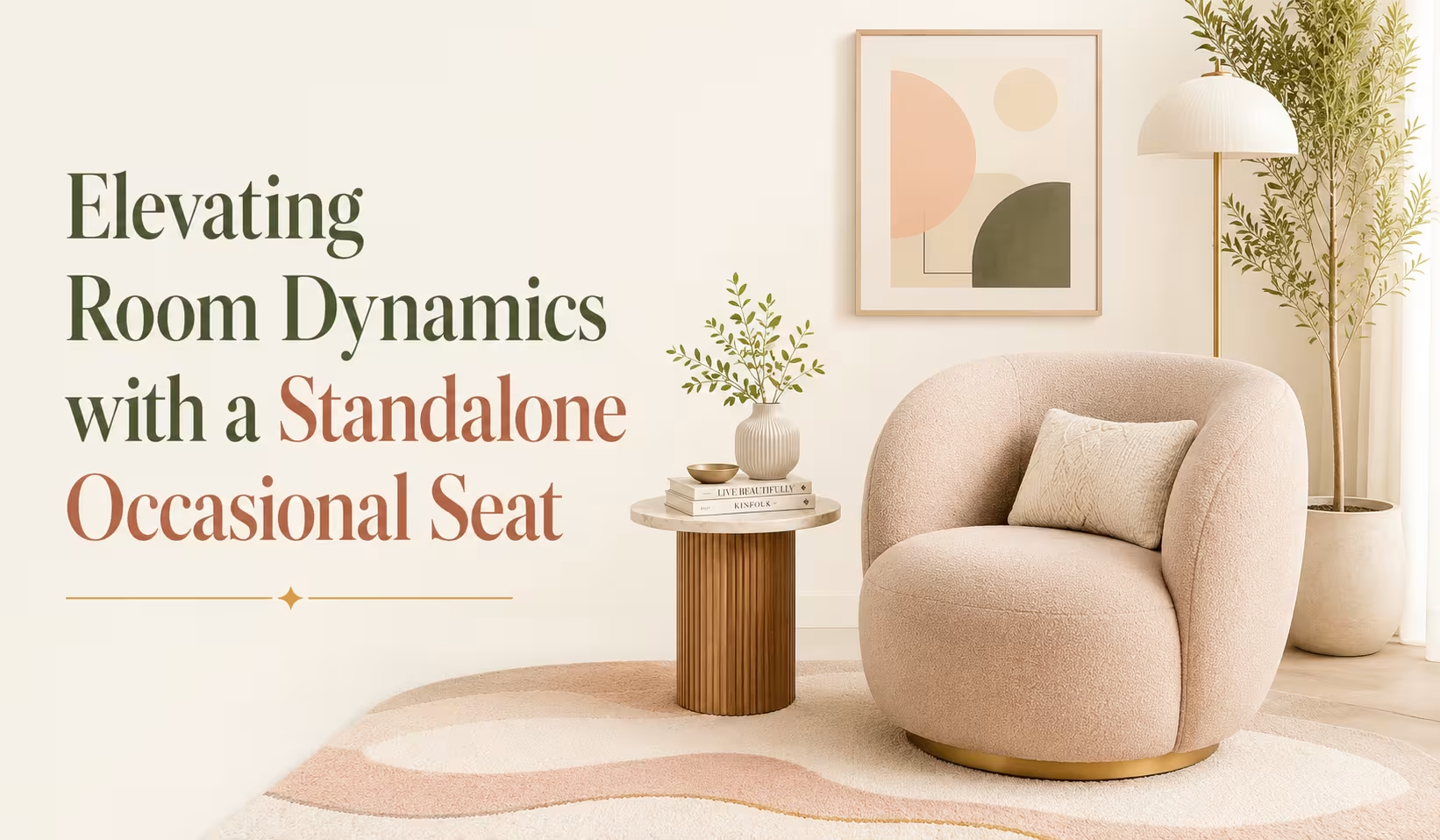
A single accent chair sofa serves as a vital focal point that balances room proportions and establishes distinct functional zones. Successful placement requires precise scaling against existing furniture and strategic positioning to optimize natural traffic lanes. Choosing materials with contrasting textures ensures the piece provides visual depth without cluttering the floor plan.
Introduction
Does your living room feel slightly incomplete despite having a comfortable primary couch? Many homeowners struggle to bridge the gap between open floor space and cozy, functional seating arrangements. Introducing a single accent chair sofa solves this spatial puzzle by adding both personality and utility to underutilized corners. This analysis covers the essential design principles, placement strategies, and scaling techniques needed to integrate a standalone seat into your current layout.
The Architectural Purpose of Standalone Armchairs
A single accent chair sofa acts as a visual anchor that breaks the monotony of standard linear furniture arrangements. Standard living rooms often suffer from an overabundance of horizontal lines caused by long couches and media consoles. By introducing a distinct silhouette, a solitary chair creates an appealing vertical counterpoint that draws the eye upward. This structural contrast changes how light and shadow interact within the room, making the entire space feel more dynamic.
Experienced decorators view these individual seats as tools for defining spatial boundaries without building physical walls. In open-concept floor plans, a strategically angled armchair signals where the conversational zone ends and the hallway begins. The piece establishes an conversational pocket that invites interaction while maintaining an airy feel. Choosing a design with exposed wooden legs allows light to pass underneath, which preserves the illusion of spaciousness in tighter quarters.
Master Class in Scale and Proportional Balance
Mismatched furniture scale represents the most common error in residential interior design. A massive sectional sofa easily swallows a delicate, thin-framed slipper chair, making the smaller piece look like an afterthought. Conversely, an oversized wingback chair can crowd a low-profile contemporary couch and disrupt the sightlines of the room. Achieving balance requires matching the seat height, arm height, and overall visual weight of the new chair with your primary seating.
Consider a recent project involving a historic brownstone apartment in Boston. The homeowner paired a deep, plush Chesterfield sofa with a diminutive, retro mid-century modern chair found at a flea market. The discrepancy in seat height made face-to-face conversation awkward and visually fractured the room. Replacing the vintage find with a substantial upholstered club chair possessing a similar seat depth instantly unified the seating group.
Measuring Pitch and Depth for Comfort
Seat pitch refers to the angle of the seat cushion relative to the floor, which directly influences how a person sits. Lounge-focused chairs feature a deeper backward slope that encourages relaxation, making them ideal for media rooms or libraries. For main living areas where conversation is the primary activity, select a chair with a flatter pitch to support upright posture.
Aligning Cushion Profiles with Existing Couches
The visual profile of the seat cushion needs to mirror or intentionally complement your main sofa. If your primary couch features crisp, tailored T-cushions, a chair with a matching boxed cushion style creates clean continuity. Mixing a highly structured, tight-back chair with a loose, slouchy down-filled sofa often looks chaotic rather than curated.
Maximizing Traffic Flow and Spatial Geometry
Room flow dictates how naturally residents and guests navigate around furniture pieces without bumping into corners. A single accent chair sofa should never block the primary pathway between doorways or obstruct access to windows. Leaving a minimum of thirty inches of clearance around the chair ensures comfortable movement throughout the day. Angling the chair at forty-five degrees toward the center of the room creates an open, welcoming posture that invites people to sit.
Spatial geometry also involves thinking about the negative space surrounding the furniture. Positioning a reading chair too close to a main traffic lane causes the occupant to feel exposed and unsettled. Tucking the chair slightly outside the main flow, perhaps near a bookshelf, establishes a sense of security and quiet privacy. This subtle placement strategy transforms an empty corner into a purposeful retreat.
Textural Contrast Over Color Matching
Exact matching of your accent chair fabric to your primary sofa fabric often results in a flat, uninspired room design. True sophistication comes from layering textures that spark visual interest while staying within a cohesive color palette. If your main couch features smooth leather, consider an accent chair upholstered in a nubby bouclé or a rich, woven tweed. This contrast introduces tactile diversity that makes the room feel evolved over time rather than purchased from a single showroom floor.
A design studio in Seattle recently remodeled a coastal home using this exact methodology. The main living space featured a massive linen-covered sectional in a soft oatmeal shade. Instead of adding another linen piece, the team selected a single accent chair sofa wrapped in deep navy velvet with an exposed walnut frame. The juxtaposition of matte linen against luminous velvet gave the room immediate depth without disrupting the serene, monochromatic color scheme.
Selecting Fabrics for Longevity and Performance
High-traffic living spaces demand performance fabrics that resist staining, piling, and fading from UV exposure. Solution-dyed acrylics and treated polyesters offer incredible durability without sacrificing the soft hand-feel of natural fibers. For homes with pets or young children, tight flat-weaves prevent claw snags and allow for easy spot cleaning.
The Role of Exposed Wood and Metal Frameworks
The material used in the frame of the chair contributes significantly to the overall weight of the room. Matte black iron frames inject a industrial, contemporary edge that grounds airy spaces. Warm wood tones, such as white oak or walnut, soften the room and introduce an organic element that connects with outdoor views.
Creating Dedicated Functional Nooks
A single accent chair sofa possesses the unique ability to claim an awkward architectural niche and turn it into a destination. Spaces beneath staircases, wide hallway landings, or empty bedroom corners often sit vacant because homeowners lack inspiration. Placing a comfortable armchair in these spots instantly defines the area as a reading nook or a morning coffee station. The addition of a small accent table and a focused floor lamp completes the functional vignette.
In a recent suburban renovation, an awkward five-by-five-foot alcove near a bay window remained empty for years. The owners eventually placed a generous, high-backed swivel chair in the center of the alcove. This specific choice allowed the user to rotate toward the window for garden views or spin toward the room to face family members. The once-wasted square footage quickly became the most coveted seat in the entire house.
Harmonizing Accents and Companion Furniture
A standalone chair should never sit entirely isolated without supporting elements to ground it in the space. Pairing the chair with a small side table provides a necessary surface for drinks, books, or a small task lamp. The scale of this table should reach within two inches of the chair arm height for optimal ergonomics. A companion footstool or ottoman adds versatility, allowing the chair to function as a chaise lounge when needed.
Lighting plays an equally critical role in integrating the chair into the broader room environment. A dedicated floor lamp positioned just behind the shoulder of the chair eliminates harsh shadows and creates an inviting evening ambiance. Throw pillows and draped blankets offer a final opportunity to pull colors from the main sofa, tying the independent seating piece back into the collective design story.
Wrap Up
Selecting and placing a single accent chair sofa requires a thoughtful blend of spatial awareness, scale management, and textile curation. By prioritizing traffic flow and opting for rich textural contrast over perfect color matching, you create an inviting and balanced environment. Avoid the temptation to buy matching furniture sets, and instead focus on pieces that bring distinct structural shapes into your home. A well-chosen individual seat ultimately elevates the functionality and visual maturity of your living space.
FAQs Section
How do I choose the right size accent chair for a small living room?
Focus on the footprint and leg style of the chair rather than just the cushion width. Opt for chairs with slender, raised legs and low-profile arms to maximize visible floor space and maintain open sightlines.
Can an accent chair be a different style than the main sofa?
Mixing design eras creates a rich, collected aesthetic as long as the pieces share a similar visual weight and seat height. A modern geometric chair pairs beautifully with a traditional rolled-arm sofa when unified by a shared color palette.
Where should a single accent chair be placed in an open floor plan?
Position the chair at an angle to bridge the transition between different functional zones, such as the living area and the dining space. Ensure the back of the chair does not fully block natural walkways or views of external windows.
Disclaimer
This content shared by Fall Rugs is solely for research and informational purposes. Fall Rugs is not a professional interior design or home renovation consultancy, and the information provided should not be considered professional advice for home improvement or decor. All ideas and suggestions are based on current trends and general knowledge in the home decor industry.