

TL;DR
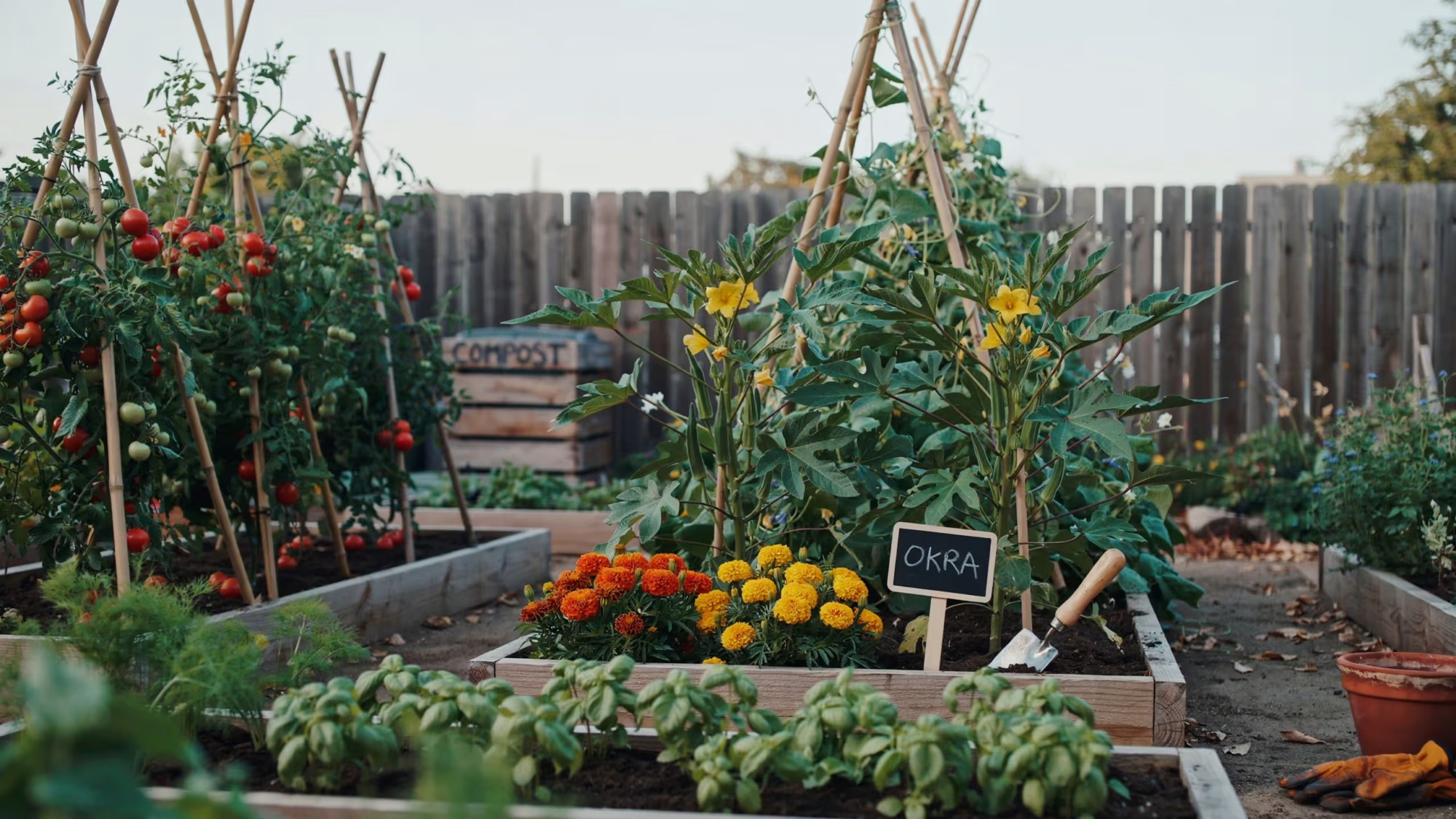
Placing the right companion plants alongside okra creates a natural shield against destructive pests and maximizes limited garden space. Tall okra stalks provide vital shade for low-growing herbs, while neighboring flowers draw away damaging aphids and root-knot nematodes. Strategic pairing optimizes soil nutrients and dramatically increases overall crop yields without chemical fertilizers.
Introduction
Why do some backyard garden plots yield massive buckets of crisp pods while neighboring patches struggle with yellowing leaves and pest infestations? The secret rarely lies in expensive fertilizers or chemical sprays. Success depends on the community of plants growing around your primary crops. Understanding how specific vegetables, flowers, and aromatic herbs interact with okra helps you build a self-sustaining ecosystem that thrives all season long.
Heavy Feeder Synergy and Soil Optimization
Okra requires substantial nitrogen and consistent moisture throughout the long summer growing season. Pairing okra with legumes like bush beans or black-eyed peas provides a natural nutrient boost. Legumes work with underground bacteria to pull nitrogen from the air and store it in the soil, making it accessible to the deep root systems of nearby okra plants.
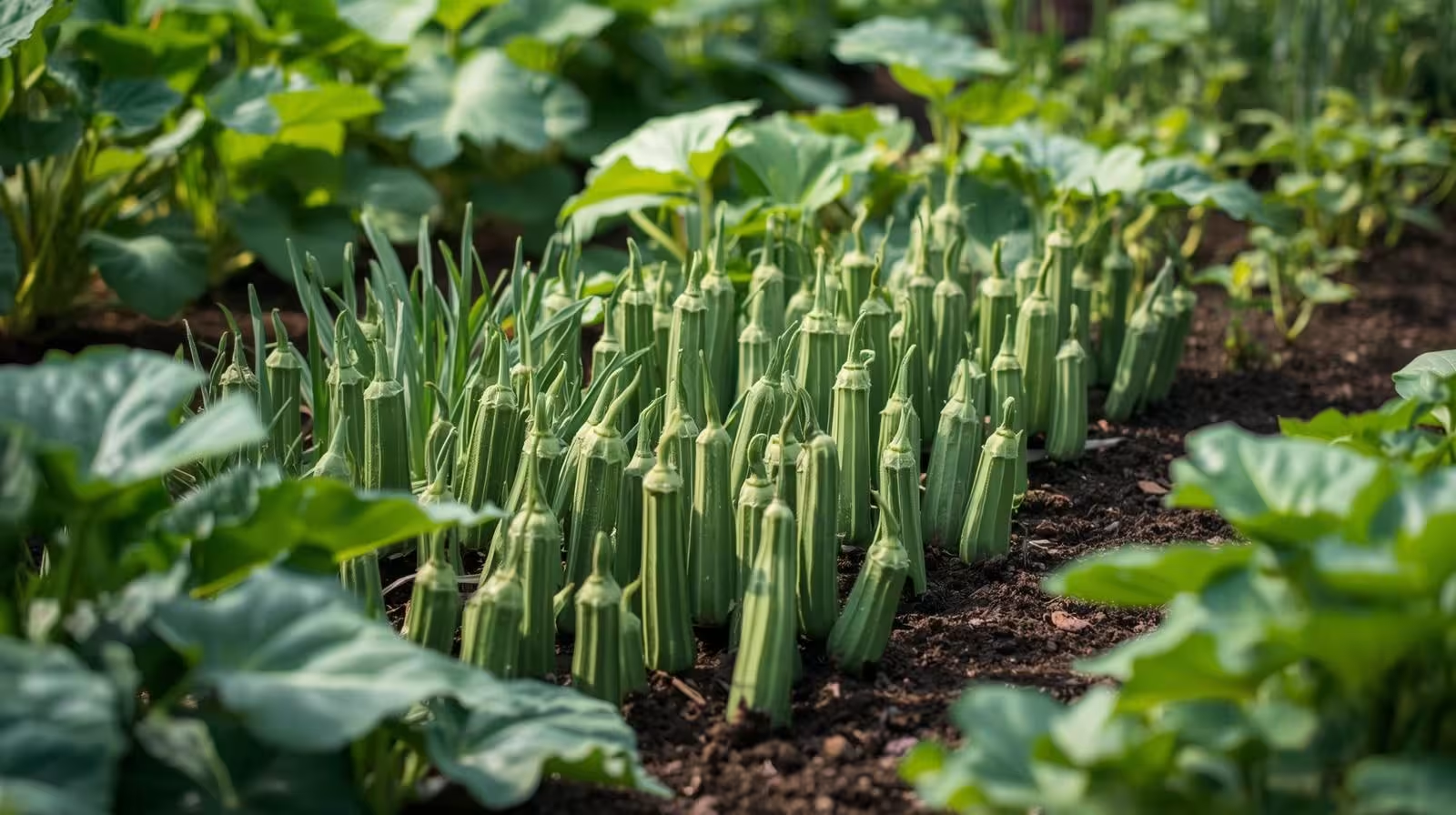
Moisture retention is another critical factor for optimal pod development. Large-leafed ground covers like sugar baby watermelons or black beauty zucchini act as a living mulch. These expansive leaves shade the soil surface, blocking intense afternoon sunlight and preventing water evaporation from the root zone.
Key Plant Combinations for Soil Health
- Bush beans fix nitrogen early in the spring to fuel rapid vegetative growth.
- Cowpeas provide excellent ground cover and add organic matter when tilled under.
- Pole beans can climb the sturdy, woody stalks of mature okra varieties like Clemson Spineless.
- Crimson clover serves as an ideal winter cover crop to prep the bed for spring planting.
During the 2024 growing season, a community garden project in Athens, Georgia, tested this layout by interplanting Clemson Spineless okra with standard bush beans. The plots utilizing this intercropping method produced 22% more pods by weight compared to the isolated control rows. Furthermore, the soil in the companion plots retained moisture for two additional days after heavy rainfall, reducing the need for municipal supplemental watering.
Natural Pest Management and Insect Trapping
Managing insect populations requires a multi-layered defense strategy rather than reactive spraying. Okra is particularly vulnerable to aphids, stink bugs, and flea beetles. French marigolds are a classic defensive flower that produces alpha-terthienyl, a chemical compound known to reduce harmful root-knot nematode populations in the soil.
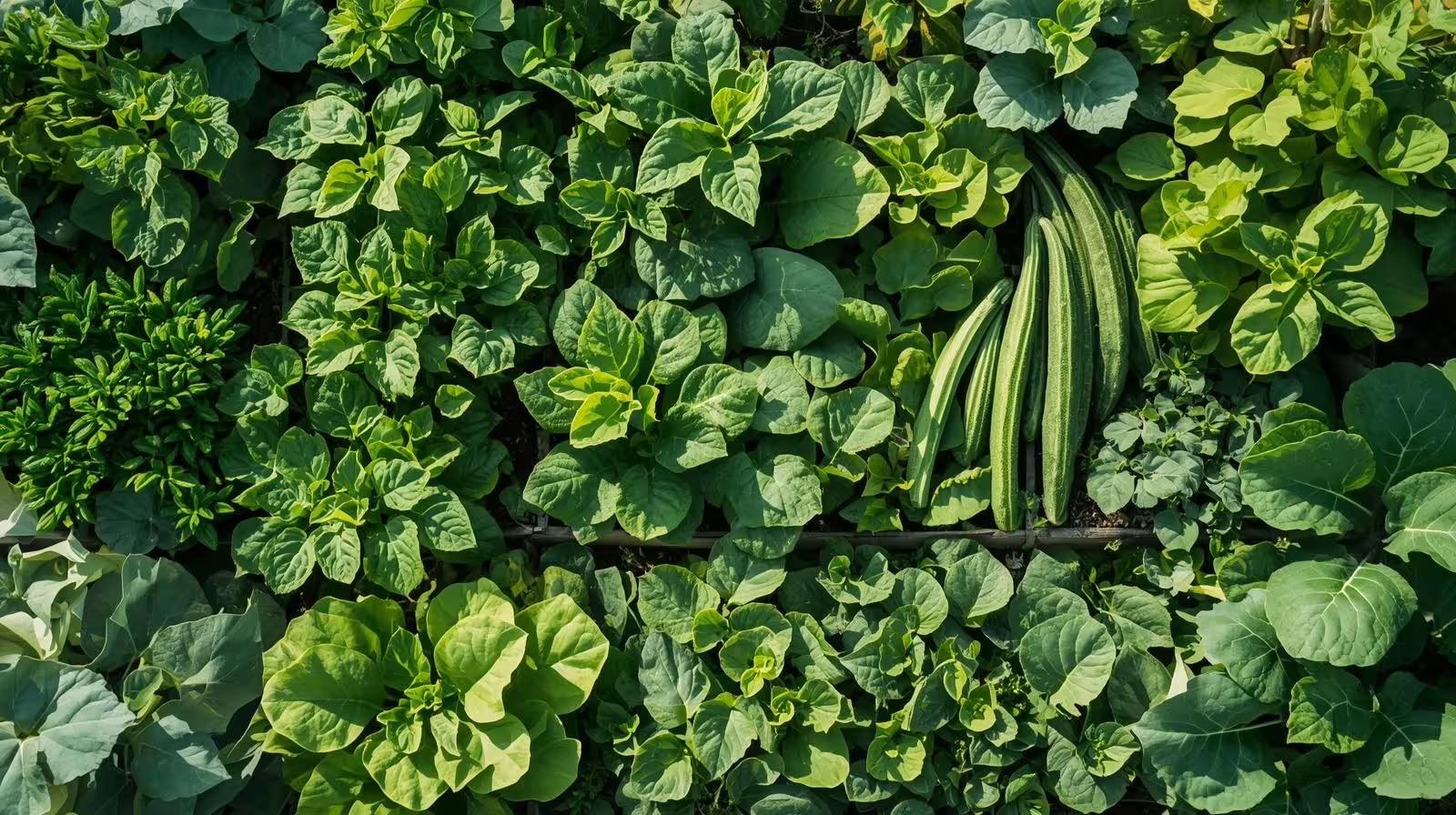
Sunflowers act as an excellent trap crop for heavy infestations. Stink bugs and leaf-footed bugs prefer the large, seed-rich heads of Mammoth sunflowers over the tough, fibrous pods of okra. By planting a perimeter of sunflowers, you draw these destructive insects away from your main food production area.
Strategic Insect Barriers
- French marigolds repel underground nematodes and mask the scent of nearby vegetables.
- Nasturtiums act as a sacrificial trap crop for hungry green aphids.
- Sweet alyssum forms a dense white carpet that attracts hoverflies, which are natural predators of thrips.
- White icicle radishes draw flea beetles away from young, fragile seedling leaves.
A market farm outside Austin, Texas, shifted away from organic pesticide applications by planting a three-foot border of mixed nasturtiums and Mammoth sunflowers around their half-acre okra patch. The farm manager observed that aphids swarmed the nasturtiums within three weeks, leaving the adjacent okra foliage completely clean. This natural barrier saved the farm roughly 450 dollars in organic spray inputs over the course of the summer.
Microclimate Creation and Spatial Efficiency
Okra grows into a tall, sun-loving canopy that can easily reach heights of six to eight feet. This vertical growth habit creates a unique microclimate beneath the stalks, offering filtered afternoon shade. Leafy greens like spinach, butterhead lettuce, and Swiss chard frequently bolt, turn bitter, or die when exposed to full, direct mid-summer sun.
Planting these delicate greens directly north of your okra rows protects them from the harshest solar radiation. This spatial arrangement allows you to harvest tender salad greens deep into July and August, long after traditional open-field lettuce crops have withered.
Space-Saving Companions
- Bloomsdale spinach thrives in the partial shade cast by mature stalks.
- Red Russian kale benefits from the windbreak provided by dense okra rows.
- Radishes utilize the shallow topsoil while okra roots grow deep into the subsoil.
- Cilantro remains productive longer before producing seeds when shielded from direct heat.
In a suburban backyard plot in Columbus, Ohio, a gardener maximized a small ten-by-ten foot raised bed by sowing loose-leaf lettuce seeds directly between established Star of David okra plants. While neighboring gardens saw their lettuce crop bolt by early June, this shaded setup extended the lettuce harvest by an extra six weeks. The dual-layer canopy system effectively doubled the caloric output of the single raised bed.
Herb Partnerships for Pollinator Attraction
High fruit set in okra requires consistent pollination from native bees, bumblebees, and honeybees. Flowering herbs are the most reliable tool for bringing these beneficial insects to your garden. Sweet basil and summer savory not only attract pollinators with their delicate flowers, but their intense essential oils also confuse flying pests searching for host plants.
Perennial herbs like garlic chives and regular chives offer long-term protection. The strong sulfur compounds emitted by alliums deter larger garden pests like rabbits and deer, which occasionally browse the tender tops of young okra plants.
Essential Herbs for Okra Beds
- Genovese basil improves overall growth vigor and attracts various wild bee species.
- Borage provides blue flowers rich in nectar for honeybees all summer long.
- Garlic chives act as a scent barrier against leaf-hoppers and aphids.
- Dill flowers attract parasitic wasps that hunt down destructive caterpillars.
An urban farm in Richmond, Virginia, integrated rows of Genovese basil and borage between their rows of heavy-yielding Burgundy okra. The farm noted a marked increase in native bumblebee activity within the field. This boost in pollinator visits resulted in a faster flower-to-pod conversion rate, allowing the farm to harvest tender three-inch pods every 48 hours instead of the usual three-day cycle.
Bad Neighbors to Avoid in the Garden Layout
Not all plants get along when placed in close proximity. Planting okra near heavy vines like standard field pumpkins or field corn can cause severe light competition. Field corn is an exceptionally heavy feeder that depletes the upper soil layers of nitrogen, leaving the okra stunted and unproductive.
Another critical mistake is planting okra near large solanaceous crops like beefsteak tomatoes or white potatoes. These species are highly susceptible to the same fungal pathogens, specifically verticillium wilt and fusarium wilt. If these diseases take hold in your tomato plants, they can quickly migrate through the soil and destroy your entire okra crop.
High-Risk Plant Pairings
- Field corn creates excessive shade and rapidly drains nitrogen reserves.
- Pumpkins form massive, aggressive vines that smother young okra seedlings.
- Tomatoes share a vulnerability to root-knot nematodes and destructive wilt fungi.
- Sweet potatoes compete directly for the same shallow root space and soil moisture.
A community garden layout in Shreveport, Louisiana, suffered a major crop failure when a volunteer planted a row of Celebrity tomatoes directly alongside a row of Clemson Spineless okra. By mid-July, fusarium wilt swept through the tomato plants and rapidly infected the okra roots. The disease caused complete defoliation, forcing the garden team to pull and destroy forty plants to prevent the fungus from overwintering in the soil structure.
Wrap Up
Successful companion planting turns a standard garden layout into an efficient, self-protecting ecosystem. By grouping nitrogen-fixing bush beans, shading ground covers, and pollinator-attracting herbs around your okra, you reduce manual labor and maximize space. Avoiding high-risk neighbors like tomatoes ensures your plants stay disease-free. Taking time to map out these relationships rewards you with a healthy, abundant harvest all summer long.
FAQs Section
Can I plant tomatoes and okra together in the same garden bed?
No, avoid placing tomatoes directly next to okra. Both plants are highly susceptible to identical soil-borne fungal diseases, such as verticillium wilt, and they frequently attract the same destructive root-knot nematodes.
How close should I plant marigolds to my okra stalks?
Plant French marigolds roughly twelve to eighteen inches away from the base of your okra plants. This spacing allows the flowers to repel aphids and nematodes without competing for root space.
Do climbing pole beans work well with tall okra varieties?
Yes, sturdy okra varieties can act as a natural trellis for pole beans, provided the okra is established first. Ensure the okra stalks are at least two feet tall before sowing the bean seeds so the vines do not overwhelm the young stalks.
Disclaimer
This content shared by Fall Rugs is solely for research and informational purposes. Fall Rugs is not a professional interior design or home renovation consultancy, and the information provided should not be considered professional advice for home improvement or decor. All ideas and suggestions are based on current trends and general knowledge in the home decor industry.