
TL;DR
The most fragrant roses combine old damask, tea, and myrrh notes with strong garden performance. Cultivars like Mister Lincoln, Gertrude Jekyll, and Jude the Obscure consistently top scent rankings. Choose by climate, bloom cycle, and the fragrance family you actually enjoy smelling.
Introduction
Ever walked past a garden and stopped because the air smelled like fresh raspberries and old perfume? That is almost always a rose. Scent in roses is not random. It comes from specific oils, parent breeding, weather, and time of day. This piece walks through ten roses gardeners across the United States, the United Kingdom, and Australia grow specifically for fragrance, and what to expect from each one in a real backyard.
1. Mister Lincoln, the Velvet Red Standard
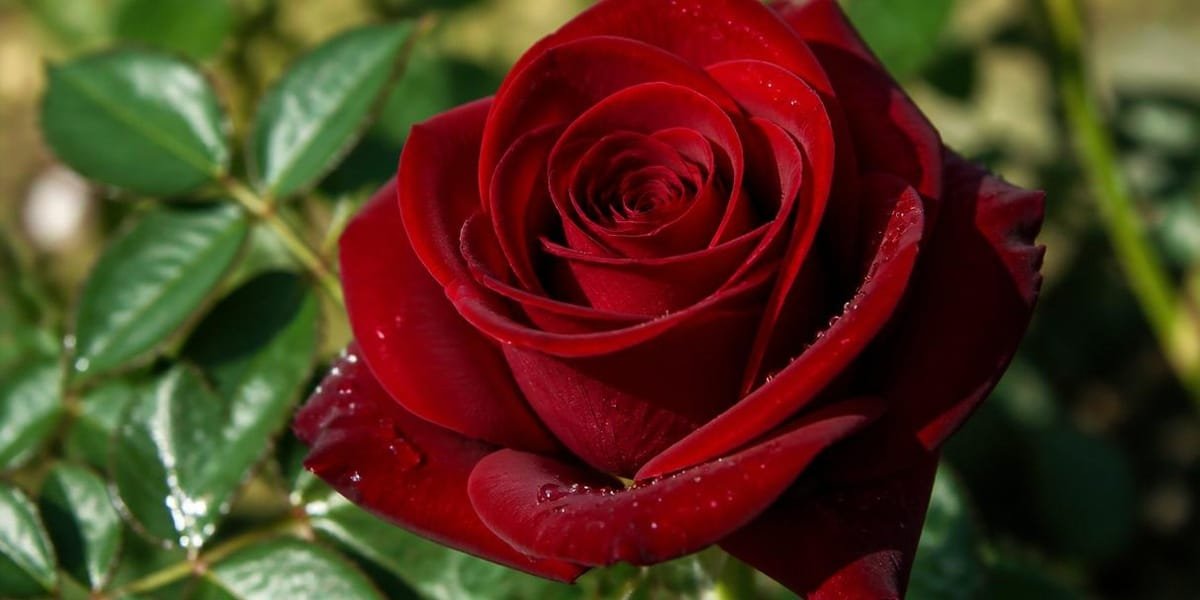
Bred by Swim and Weeks in 1964, Mister Lincoln is the hybrid tea most American rosarians name first when scent comes up. The blooms open deep crimson, hold for days in a vase, and throw a strong damask perfume that carries six feet across a patio on a warm June evening.
It performs best in USDA zones 5 through 9, in full sun, and rewards a yearly feeding of alfalfa meal at bud break. The canes grow tall, often four to six feet, so plant it at the back of a border or against a south-facing fence where wind will not snap the long stems.
2. Gertrude Jekyll, David Austin’s Pink Powerhouse
David Austin Roses released Gertrude Jekyll in 1986, and the Royal National Rose Society later named it the nation’s favorite rose in the United Kingdom. The pure rose-pink rosettes carry the textbook old rose scent, the kind perfumers in Grasse, France still use as a reference.
Gardeners in cooler climates often train it as a short climber, since canes stretch to eight feet against a warm wall. A homeowner in Portland, Oregon I spoke with last spring grows hers as a pillar rose, and the fragrance reaches the kitchen window across thirty feet of lawn.
3. Jude the Obscure, Fruit Salad in a Cup
Jude the Obscure smells like guava, white wine, and warm apricot. The chalice-shaped blooms hold the scent inside the cup, which means you have to lean in, and that is half the pleasure. It is a 1995 Austin variety, well suited to hot summers in Texas, southern Spain, and inland Australia.
- Best fragrance window: mid morning, before the sun burns off the oils
- Mature size: four feet tall, three feet wide
- Common issue: heavy blooms nod, so stake young plants for the first season
4. Double Delight, the Two-Tone Bicolor
Double Delight earned its World Federation of Rose Societies Hall of Fame spot in 1985 for good reason. The cream petals blush red where sunlight touches them, and the scent is sharp, spicy, almost like crushed clove and lemon zest together.
It struggles in humid coastal gardens because the petals mildew, but in dry zones like Phoenix, Arizona or the Languedoc region of France, it blooms repeatedly from May through October. A friend who runs a small cutting garden in Sonoma reports she sells out of Double Delight stems at the farmers market before any other variety.
5. Munstead Wood, Deep Plum and Blackberry
Munstead Wood, another Austin introduction from 2007, holds one of the darkest natural reds in modern roses. The fragrance reads as warm blackberry, damson plum, and a hint of leather. It won the Royal Horticultural Society Award of Garden Merit, which is not given lightly.
The shrub stays compact at three feet, which makes it useful in smaller urban yards or in a half-barrel container on a Brooklyn rooftop. Pair it with white catmint or silver artemisia to keep the dark blooms from disappearing into the foliage.
6. Sharifa Asma, the Quiet Stunner
Sharifa Asma is the rose I recommend to people who say they do not really like rose perfume. The scent is light, soft, white grape and mulberry, more cologne than potpourri. The blooms are pale blush, almost translucent at the edges, and catch the late afternoon sun like rice paper.
Where it thrives
It does well in zones 5 to 10, but the petals scorch above 95 degrees Fahrenheit, so afternoon shade in places like central California is wise. A morning sun, afternoon shade slot under a tall crepe myrtle is close to perfect.
7. Fragrant Cloud, Coral and Unmistakable
Bred by Mathias Tantau in Germany in 1963, Fragrant Cloud sits on nearly every all-time-best fragrance list compiled by rose societies. The coral-orange blooms throw a heavy classic damask scent that lingers indoors for days after cutting.
It is one of the more disease-prone hybrid teas, so a preventive spray rotation, or planting in zone 6 or warmer with good airflow, keeps blackspot in check. The trade is worth it. Few roses scent a small room as completely as three stems of Fragrant Cloud in a clear glass jar on the counter.
8. Lady Emma Hamilton, Tangerine and Pear
Lady Emma Hamilton, released by David Austin in 2005, carries one of the strongest fruit fragrances in the entire English Rose collection. Pear, grape, and citrus dominate, with a tangerine top note that surprises people who expect classic rose perfume.
The new growth emerges bronze, then ages to deep green, which gives the plant year-round interest beyond the blooms. It pairs naturally with blue salvia or Russian sage, both of which thrive in the same well-drained loam roses prefer.
9. Heritage, Honey and Lemon
Heritage is one of the gentler Austin roses, with shell-pink cupped blooms and a fragrance that reads as warm honey crossed with lemon peel. It was released in 1984 and remains popular with cottage garden designers because the form looks like an antique rose without the once-a-year bloom limitation.
- Bloom cycle: repeat flushes every six to seven weeks from late spring to first frost
- Average price at a reputable nursery: 35 to 55 US dollars for a bare-root plant
- Good companion: low boxwood hedging, which sets off the soft pink form
10. Boscobel, Myrrh and Raspberry
Boscobel rounds out the list because it solves a specific problem. Many strongly scented roses underperform in wet climates, but Boscobel shrugs off the Pacific Northwest rain and the Scottish drizzle while still producing salmon-pink rosettes with a clear myrrh and elderflower fragrance.
A gardener I met outside Edinburgh grows three Boscobel shrubs along a stone wall, and she swears she has not lost a single bloom to botrytis in five seasons. That kind of reliability in a fragrant rose is rare and worth planting for.
How Rose Fragrance Actually Works
Rose scent comes from volatile oils released from the petal surface, mainly geraniol, citronellol, and rose oxide. Warm air, around 70 to 75 degrees Fahrenheit, releases the most oil. Cool mornings hold scent close to the petal, hot afternoons burn it off quickly, and dry winds strip it away within minutes.
That is why two identical Mister Lincoln bushes can smell different on the same day in Sacramento and Seattle. Soil also matters. A 2018 trial at the Royal National Rose Society gardens showed that roses grown in heavier clay with annual compost produced measurably stronger fragrance than the same cultivars in sandy beds.
Wrap Up
The ten roses above are not the only fragrant ones, but they are the ones that consistently deliver scent year after year in real gardens. Match the cultivar to your climate, give it six hours of sun and decent drainage, and walk the garden in the morning when the oils are at their peak. A truly fragrant rose changes how you experience your own front yard.
FAQs
Which rose has the strongest smell?
Mister Lincoln and Fragrant Cloud are usually ranked as the strongest scented modern roses, with damask fragrance powerful enough to perfume an entire patio.
Why does my rose not smell like the description?
Fragrance peaks in warm, calm mornings and fades by afternoon. Smell the bloom between 8 and 11 am after a mild night, and the difference is usually dramatic.
Are David Austin roses more fragrant than hybrid teas?
Many Austin roses lean toward fruit and myrrh notes, while hybrid teas like Mister Lincoln hold classic damask. Neither is stronger by rule, the fragrance type is simply different.
Disclaimer
This content shared by Fall Rugs is solely for research and informational purposes. Fall Rugs is not a professional interior design or home renovation consultancy, and the information provided should not be considered professional advice for home improvement or decor. All ideas and suggestions are based on current trends and general knowledge in the home decor industry.