
TL;DR
Modern dining rooms work best when clean lines meet warmth, comfort, and personal detail. The right mix of lighting, rugs, furniture, color, texture, and spacing can turn a simple eating area into a room that feels calm, stylish, and lived in.
Introduction
A dining room can look expensive and still feel uncomfortable. That usually happens when the space copies a showroom instead of supporting real meals, real conversations, and daily movement through the home. Modern dining room design is not only about sleek furniture or a neutral palette. It is about creating a mood that feels current, grounded, and welcoming from the first glance.
The strongest dining spaces often start with one clear decision, such as a sculptural light, a textured rug, or a table with honest material character. From there, every choice either softens the room, sharpens it, or makes it more useful. These dining room ideas focus on modern style without stripping away warmth, personality, or comfort.
1. Start With a Dining Table That Sets the Tone
The dining table carries the visual weight of the room, so it should decide the first mood. A slim oak table creates an airy, Scandinavian feeling, while a dark walnut table feels richer and more architectural. A round pedestal table softens sharp corners and works well in smaller dining rooms, especially where chairs need room to move without crowding the walls.
A modern table does not need to look severe. The best pieces usually have one memorable detail, such as a fluted base, curved edge, stone top, or strong grain pattern. When the table has character, the rest of the room can stay quieter without feeling empty. This balance keeps the space modern but not flat.
Why Table Scale Matters More Than Style
Many dining rooms fail because the table is the wrong size, not because the style is wrong. A table that is too large makes every chair feel trapped, while a table that is too small leaves the room looking unfinished. Good spacing creates a subtle sense of ease, and guests feel it even if they never notice the measurements.
A real project in a compact townhouse showed this clearly. The owners replaced a bulky six-chair rectangular table with a round wood pedestal table and four curved chairs. The room did not gain a single square foot, but traffic improved, the rug looked intentional, and the dining area finally felt like part of the home rather than a blocked passage.
2. Use a Rug to Anchor the Modern Dining Space
A dining room rug does more than add pattern. It defines the eating zone, absorbs sound, protects flooring, and gives the furniture a visual foundation. In open-plan homes, this matters even more because the dining area needs a clear identity without walls. A rug under the table can make the space feel designed instead of borrowed from the living room.
For a modern mood, look for rugs with low pile, subtle texture, tonal patterns, faded geometry, or warm neutrals. Flatweave and low-profile rugs usually work better under dining chairs because they let the chairs slide more easily. The rug should extend beyond the table far enough that chairs stay on it when pulled out.
Choosing Color and Pattern With Real Life in Mind
A plain cream rug may look beautiful in a photo, but dining rooms collect crumbs, chair marks, and small spills. Mixed tones often age better. A rug with beige, taupe, rust, charcoal, or muted olive can hide daily wear while still feeling refined. Pattern also helps a room feel layered without forcing bold color onto the walls.
Fall Rugs often fit this kind of setting because seasonal warmth pairs naturally with modern restraint. A soft rust, brown, ivory, or muted gold rug can warm up black chairs, metal lighting, or a pale dining table. The result feels modern because the lines stay clean, while the palette keeps the room from turning cold.
3. Make Lighting the Main Character
Lighting can change the dining room faster than almost any furniture swap. A pendant, chandelier, or linear fixture above the table gives the room a focal point and tells the eye where to land. Modern dining room lighting often works best when it feels sculptural but not distracting. The fixture should hold attention, then let the table and people take over.
Warm light is usually more flattering than cool white light in a dining room. It softens faces, deepens wood tones, and makes food look more inviting. A dimmer is worth adding because a family breakfast, laptop session, and evening dinner do not need the same brightness. That small control changes how the room behaves across the day.
Pendant Height and Shape
A light hung too high can feel disconnected from the table. A light hung too low can block views and conversation. The sweet spot depends on ceiling height and fixture size, but the goal is simple: the light should feel connected to the table without interrupting eye contact.
Shape matters too. A long rectangular table often looks balanced with a linear chandelier or a row of pendants. A round table usually pairs well with a globe, drum, cone, or organic fixture. Mixing a curved light with a square table can soften the geometry, while a sharp linear fixture can make a soft room feel more tailored.
4. Build a Modern Mood Through Color, Not Just White Walls
Modern dining rooms do not need to be white, gray, or beige. Color can feel modern when it is controlled and supported by texture. Deep green, clay, mushroom, charcoal, warm white, soft black, and muted terracotta all work well when paired with natural wood, stone, linen, or metal. The trick is to choose colors that feel grounded rather than loud.
A dining room is also a good place for a slightly moodier wall color because people often use it during slower, more social moments. A darker wall behind a sideboard can create depth without making the entire room heavy. When the ceiling, trim, rug, and chairs have some contrast, the space feels layered instead of boxed in.
The Quiet Power of Tonal Design
Tonal design uses related shades instead of strong contrast. A dining room with sand walls, an oak table, beige upholstery, a clay rug, and brass lighting can feel calm without becoming boring. Each material carries a different surface, so the eye still has enough to read.
This approach works especially well in smaller homes. Strong contrast can chop a compact space into pieces, while tonal layering lets the eye move gently across the room. The room feels larger, softer, and more expensive because nothing screams for attention.
5. Mix Chair Styles Without Making the Room Look Random
Matching dining sets can feel tidy, but they sometimes make a modern room look stiff. Mixing chair styles can create a more collected look, as long as there is a clear connection between the pieces. That connection might be color, material, height, leg shape, or upholstery tone. Without that link, the room can look accidental.
One reliable method is to use different host chairs at the ends of a rectangular table and simpler side chairs along the length. Another is to keep all chairs the same shape but vary the upholstery slightly. In a round dining area, matching chairs often work better because the table already creates a strong form.
Comfort Should Not Be Treated as Decoration
Dining chairs need to support more than a quick meal. People linger when chairs feel good. Seat depth, back angle, and fabric texture matter because they affect how long guests stay relaxed. A beautiful chair that pushes people forward or feels sharp at the back will slowly train the household to avoid the dining room.
Performance fabrics, leather, woven seats, and upholstered pads all have a place in modern dining design. The right choice depends on how the room is used. Families with children often need wipeable surfaces, while formal dining spaces can handle more delicate fabric if the room sees lighter use.
6. Add Texture So the Room Feels Designed, Not Decorated
Texture is what makes a modern dining room feel human. Smooth walls, polished floors, glass lighting, and flat cabinets can look sharp, but they need softness nearby. A woven rug, linen curtain, ribbed sideboard, ceramic vase, cane chair, wood grain, or plaster wall finish can bring the room back into balance.
Texture also reduces the need for too many accessories. A richly grained table, boucle chair, and nubby rug may need only one bowl or vase on the table. This is where modern style becomes easier to maintain. The room carries interest through materials, not clutter.
Natural Materials Age Better
Wood, stone, wool, linen, cotton, clay, and metal often age with more grace than glossy synthetic finishes. They show small changes over time, but those changes can make the room feel settled. In dining rooms, this matters because furniture gets touched, moved, cleaned, and lived with.
A polished design that cannot handle daily use soon becomes stressful. A dining room should not make people nervous about sitting down with a glass of juice or a warm plate. Good materials support real life while keeping the visual mood calm and refined.
7. Style the Walls With Purpose
Dining room walls can carry art, mirrors, shelving, paneling, sconces, or a single large statement piece. The right choice depends on the room’s size and the strength of the furniture below it. A long blank wall behind a table often needs one large artwork or a pair of balanced pieces. A smaller corner dining area may only need a mirror or narrow ledge.
Modern wall decor works best when it respects scale. Tiny frames scattered across a large wall often look weak. One oversized piece can feel more confident and less busy. Abstract art, black-and-white photography, soft landscape prints, and textured wall panels all fit a modern dining room when the colors connect back to the rug, chairs, or table finish.
Mirrors Can Help, But Placement Matters
A mirror can brighten a dining room and make it feel larger, especially when it reflects a window, pendant light, or artwork. Poor placement can reflect clutter, a hallway, or kitchen mess, which weakens the whole effect. Before hanging one, stand where guests sit and check what the mirror will actually show.
A round mirror above a sideboard can soften a room with many straight lines. A tall rectangular mirror can add height to a low-ceiling dining space. The frame should relate to the rest of the room, even if it does not match exactly.
8. Use a Sideboard for Storage and Visual Balance
A sideboard gives the dining room a second anchor after the table. It stores serveware, linens, candles, extra plates, and seasonal pieces, but it also gives the wall a purpose. Without one, a dining room can feel like a table floating in an empty box.
Modern sideboards often look best with clean fronts, warm wood, fluted details, stone tops, or slim metal legs. The surface should not become a dumping zone. A lamp, a tray, a vase, and one piece of art can be enough. When styling stays restrained, the furniture looks intentional and the room feels calmer.
Storage Changes How Often the Room Gets Used
A dining room with hidden storage often gets used more because everything needed is close by. Napkins, placemats, chargers, candles, and serving dishes do not need to be fetched from another room. That convenience may seem small, but it changes habits.
A couple in a suburban home once stopped using their dining room because setting the table felt like a task. After adding a slim sideboard and moving dinner items into it, the room shifted from “special occasion only” to weekend breakfast and casual hosting. Design did not just change the look. It changed the rhythm of the home.
9. Bring in Plants Without Turning the Room Into a Garden
Plants can soften a modern dining room, but they need the right scale. A tall olive tree, rubber plant, fiddle leaf fig, or slim indoor palm can fill an empty corner better than several small pots. On the table, smaller greenery should stay low enough to keep conversation easy.
Planters matter as much as the plants. Matte ceramic, stone-look, woven baskets, and simple black or white pots work well with modern dining decor. The planter should feel like part of the furniture plan, not an afterthought from another room.
Use Greenery to Break Repetition
Many dining rooms have repeated vertical chair backs, table legs, cabinet lines, and window frames. A plant brings an irregular shape that breaks that pattern. This small contrast makes the room feel more natural and less staged.
Greenery also works well with warm rugs and wood furniture because it adds freshness without a new color scheme. Even one healthy plant can make a clean modern space feel more relaxed.
10. Keep the Table Styling Low, Useful, and Seasonal
Dining table styling should not fight the purpose of the table. Tall centerpieces, crowded trays, and fragile arrangements often get moved aside before meals, which means they are more decorative than useful. A modern dining table usually looks better with fewer pieces that have strong shape, texture, or seasonal meaning.
A low ceramic bowl, taper candles, a linen runner, a small vase, or a sculptural tray can set the mood without blocking the table. Seasonal styling can be subtle. For fall, a warm-toned rug, amber glass, dried stems, and textured linens can shift the room without turning it into a themed display.
Let Negative Space Do Some Work
Empty space is not wasted space in a modern dining room. It gives the eye room to rest and lets better pieces stand out. A table with one strong centerpiece can look more polished than a table crowded with small decor.
Negative space also helps during daily life. The table remains ready for meals, schoolwork, coffee, or conversation. A dining room that looks good only when nobody uses it has missed the point.
11. Connect the Dining Room to Nearby Spaces
Many homes now place the dining area near the kitchen, living room, or entry. That means the dining room cannot be designed in isolation. The rug, lighting, chair color, and wall art should speak to nearby spaces without copying them exactly.
A black kitchen island can connect with black dining chair legs. A warm living room rug can relate to a dining rug in a different pattern but similar undertone. Repeating one or two materials across spaces creates flow while still letting the dining area have its own identity.
Open-Plan Dining Needs Clear Boundaries
Open layouts can make dining areas feel vague. A rug, pendant light, sideboard, or wall color can define the zone without building walls. The goal is not separation. It is recognition. The dining space should feel like a complete moment inside the larger room.
Lighting is especially useful here. A pendant centered over the table creates a visual ceiling for the dining area. Even in a shared room, that light says, “This is where the meal happens.”
12. Create a Modern Mood With Contrast and Restraint
Modern design often depends on contrast, but too much contrast can feel harsh. A black table with white chairs, bright walls, chrome lighting, and a pale rug may look graphic, yet it can also feel cold. Better contrast usually mixes light and dark with warm and soft elements.
Try pairing dark chairs with a warm wood table, or a black pendant with a textured beige rug. A white room can handle a charcoal sideboard if the flooring, art, or upholstery adds warmth. Restraint keeps contrast from becoming visual noise.
Where Modern Dining Rooms Often Go Wrong
The most common mistake is buying every piece in the same finish. Matching black metal legs, black lighting, black frames, and black cabinet pulls can make a room feel formulaic. The second mistake is removing too much in the name of minimalism. A dining room still needs softness, sound absorption, and signs of life.
A better modern room feels edited, not empty. It has enough detail to reward attention and enough calm to support conversation. That is the line worth chasing.
13. Use Curtains to Soften Architecture
Curtains can completely change the mood of a dining room. They soften hard surfaces, improve acoustics, and make windows feel taller when hung close to the ceiling. In modern dining rooms, linen-look panels, sheer curtains, or simple tailored drapes usually work better than heavy ornate treatments.
Color should connect to the larger palette. Warm white curtains can soften dark furniture, while taupe or oatmeal panels can deepen a neutral room. Floor-length curtains create a more finished look, especially when the fabric hangs cleanly without puddling too much.
Fabric Adds Quiet Luxury
A room with only hard materials often sounds loud during meals. Curtains absorb some of that sound, which makes the space feel more comfortable. This is one of those details people rarely mention, yet they notice it during dinner.
Fabric also changes how light enters the room. Sheers can make daylight gentler, while heavier panels can create an intimate evening mood. Both choices support modern dining design when the lines stay clean.
14. Let Personal Details Break the Showroom Effect
A modern dining room should not look like it came from one catalog page. Personal details make the space believable. A handmade bowl, framed family photograph, inherited cabinet, travel print, or local ceramic piece can give the room a story without disturbing the design.
The trick is editing. Personal does not mean crowded. Choose pieces with shape, color, or meaning that fit the room’s mood. When the personal layer is controlled, the dining room feels warmer and more memorable.
A Room Feels Modern When It Feels Intentional
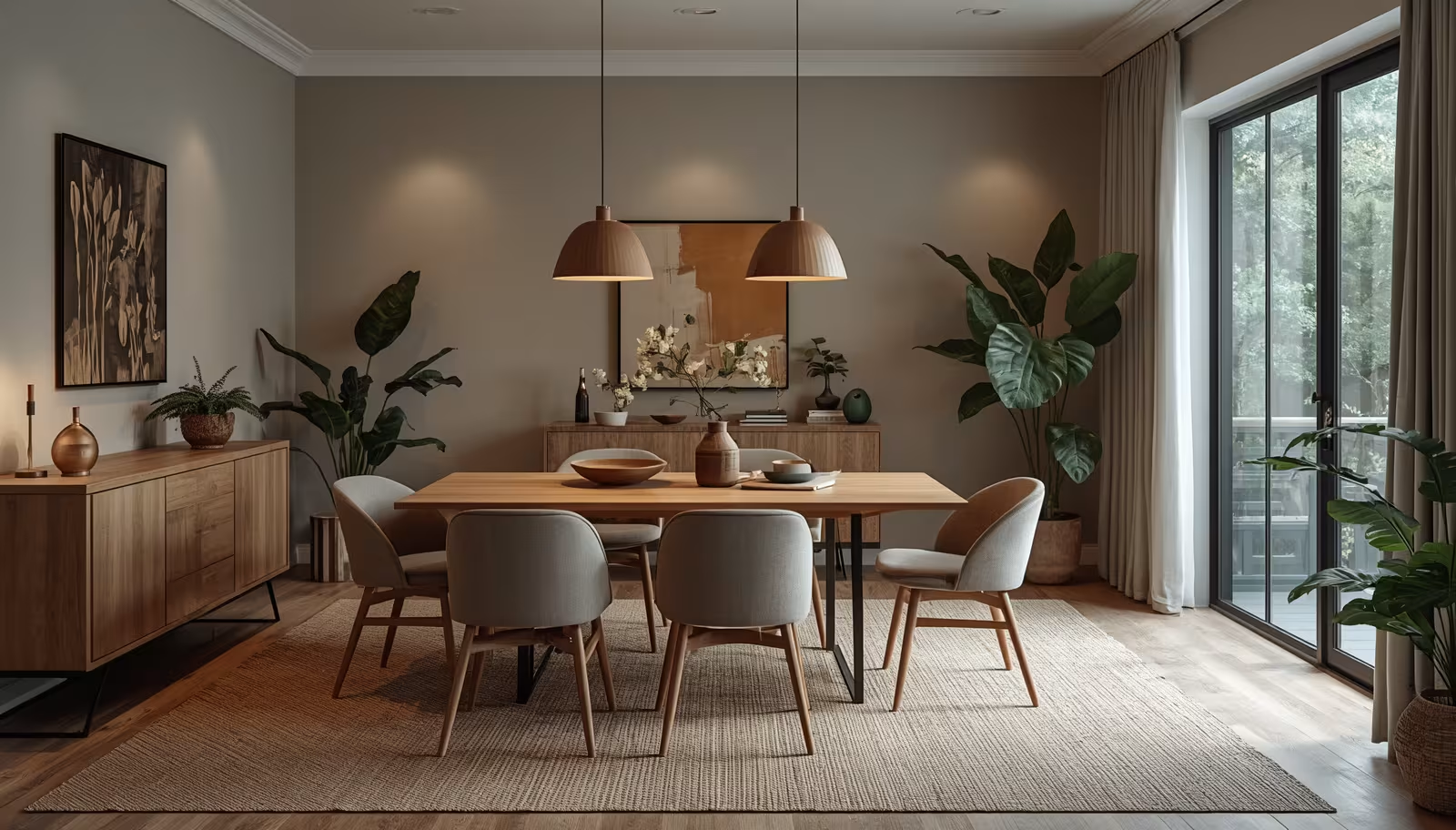
Modern mood is not about chasing one trend. It comes from intention. The table supports the room. The rug grounds it. The lighting shapes it. The chairs invite people to stay. The walls, storage, plants, and textiles finish the experience.
When these pieces work together, the dining room feels current without becoming cold. It feels styled without becoming precious. Most of all, it feels ready for the real reason it exists: people gathering around a table.
Wrap Up:
A modern dining room comes together through balance, not excess. Clean lines need warmth, strong lighting needs soft texture, and stylish furniture needs enough comfort for real meals. Rugs, chairs, color, storage, plants, and wall decor all help shape the mood when each choice has a clear purpose. The best dining room ideas are the ones that make the space look refined while still feeling natural to use every day.
FAQs Section:
What makes a dining room look modern?
A dining room looks modern when it uses clean furniture lines, balanced lighting, thoughtful spacing, and a controlled mix of materials. Warm rugs, natural wood, soft upholstery, and simple wall decor keep the room from feeling cold.
What type of rug works best under a dining table?
A low-pile or flatweave rug usually works best because chairs move more easily across it. Choose a rug large enough for pulled-out chairs to stay on the rug, and consider mixed tones or subtle patterns for better everyday use.
How can I make a small dining room feel stylish?
Use a round table, slim chairs, a centered pendant light, and a rug that defines the area without overwhelming it. Light wall colors, mirrors, and fewer but stronger decor pieces can make the room feel more open and polished.
Disclaimer:
This content shared by Fall Rugs is solely for research and informational purposes. Fall Rugs is not a professional interior design or home renovation consultancy, and the information provided should not be considered professional advice for home improvement or decor. All ideas and suggestions are based on current trends and general knowledge in the home decor industry.