

TL;DR
Bringing natural design elements into a house requires balancing raw textures with warm, neutral color palettes. Homeowners can build tranquil spaces by selecting sustainably sourced woods, organic linens, and handmade clay accents that stand the test of time. Focusing on authentic materials ensures a cohesive look that avoids common interior styling mistakes.
Introduction
Does your living space feel cold or disconnected from the natural world after a long day at the office? Many people find that modern minimalist styling can sometimes leave rooms feeling sterile and uninviting. This guide looks at practical ways to introduce warmth, tactile comfort, and rich grounding colors into your living environment. You will learn how to select the right materials, coordinate subtle color shifts, and pick furnishings that improve daily well-being.
1. Selecting Raw Solid Wood Centerpieces
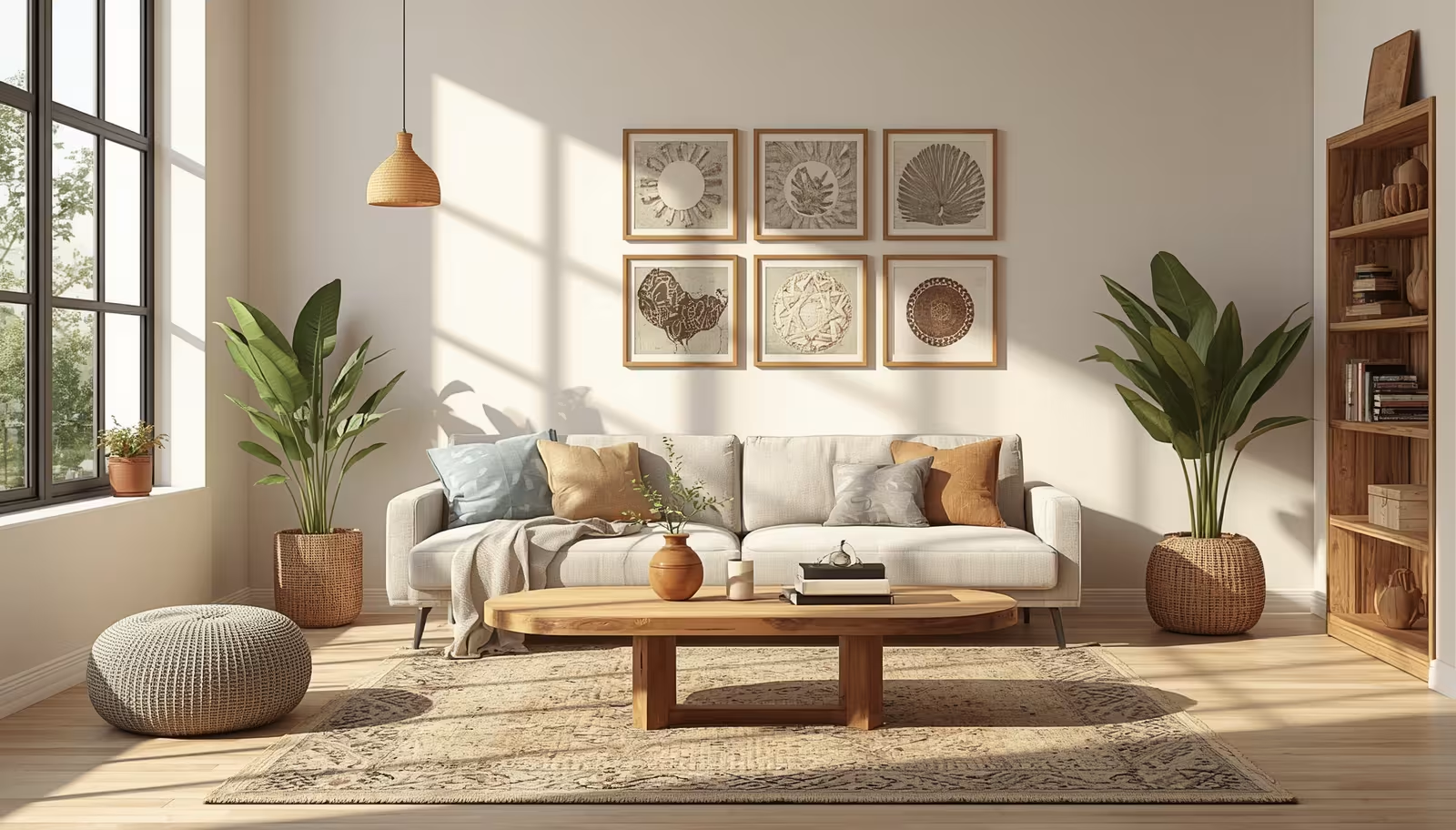
Using authentic wood furniture forms the foundation of any nature-inspired room. Unfinished or lightly sealed white oak, walnut, and ash wood display unique grain patterns that manufactured materials cannot replicate. These pieces age gracefully, developing a rich character over decades of daily use.
A common mistake is matching every wood tone exactly, which makes a room look flat and commercial. Interior designers frequently mix up to three distinct wood finishes to build visual depth. You can pair a deep walnut dining table with lighter oak chairs to create an inviting, gathered look.
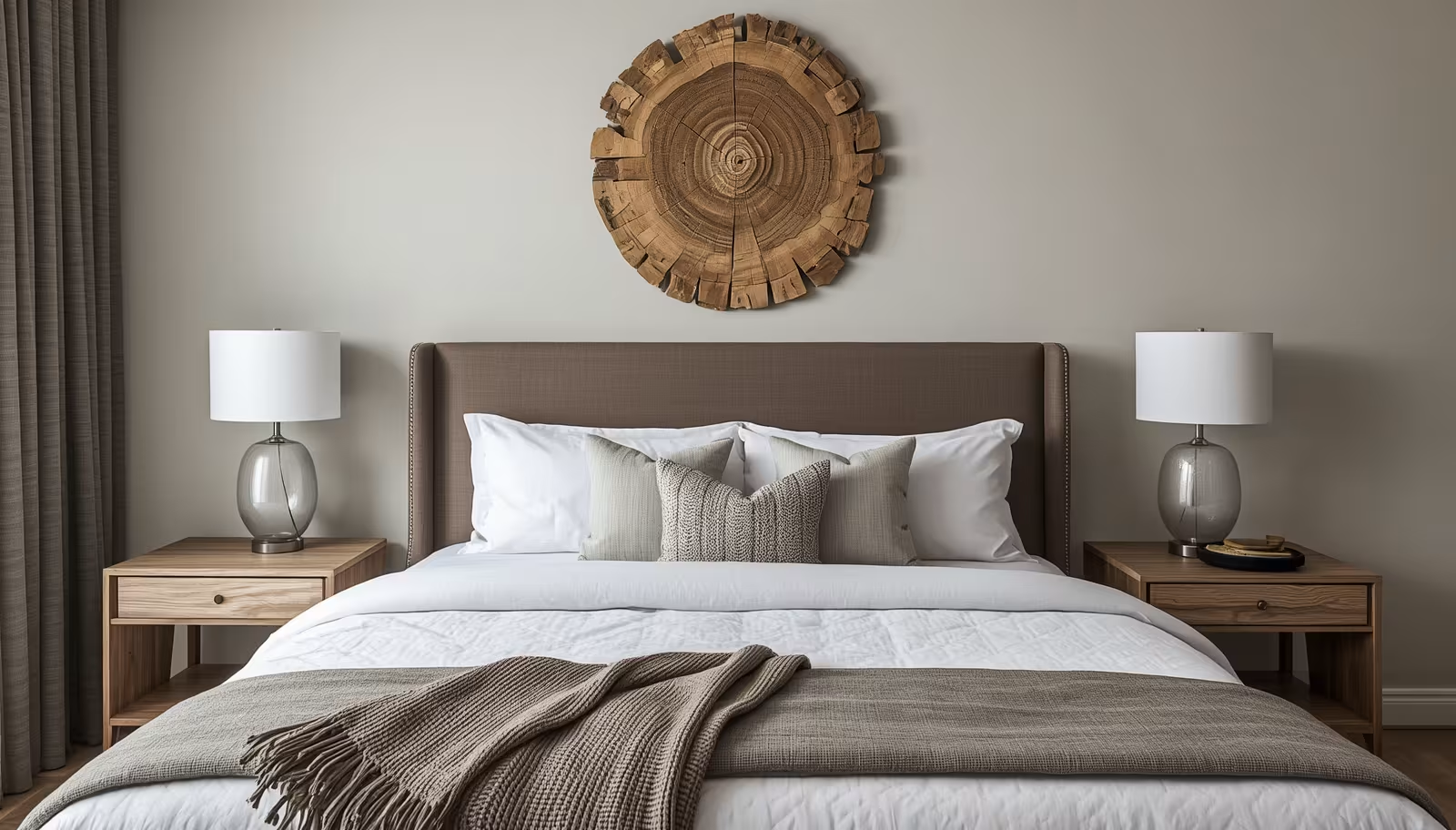
During a residential redesign in Chicago in 2023, a design team replaced a synthetic veneer coffee table with a live-edge reclaimed elm piece. The room instantly gained a sense of weight and history. For longevity, look for items finished with natural oils rather than thick polyurethane coatings.
- White oak offers durability and a light, expansive feel in small living rooms.
- Walnut provides deep, warm brown undertones that ground large, high-ceiling spaces.
- Reclaimed elm introduces distinct historical character through natural weathering and knots.
- Natural oil finishes protect the wood fibers while preserving the tactile texture of the grain.
2. Layering Organic Linen and Woven Textiles
Textiles soften the hard angles of a room and control acoustic reflections in open-plan homes. Pure linen woven from flax fibers offers an irregular texture that catches afternoon sunlight beautifully. Combining these fabrics with heavy cotton slub or jute rugs builds a tactile landscape that invites relaxation.
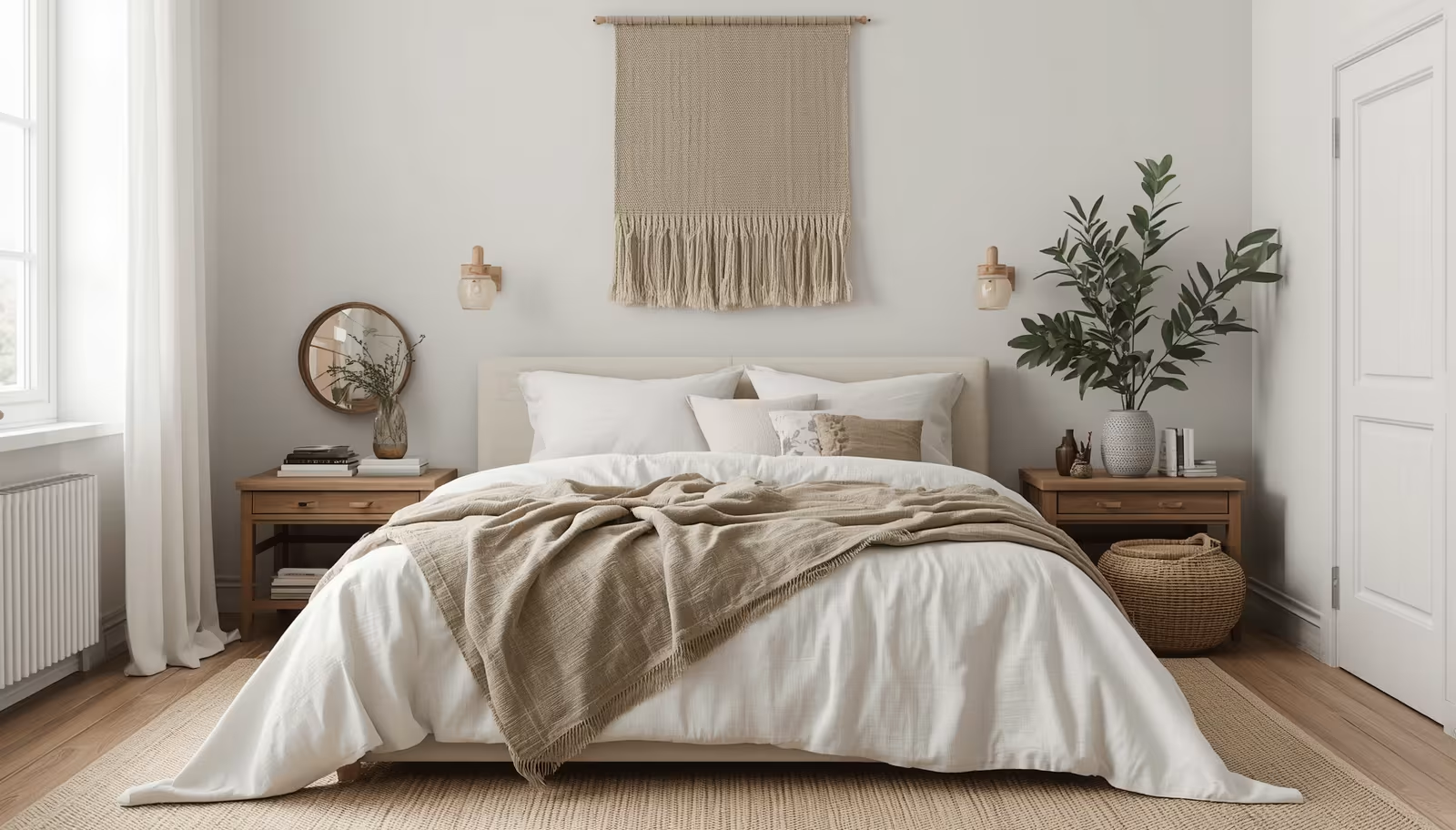
When selecting window treatments, lightweight linen drapes allow filtered daylight to enter while maintaining privacy. Avoid synthetic polyester blends, as they tend to have a unnatural sheen that disrupts the organic aesthetic. Brands like Pottery Barn offer linen collections that drape naturally without looking overly stiff or formal.
A homeowner in Seattle updated a sunroom by swapping polyester cushions for Belgian flax linen covers in terracotta and olive tones. The texture immediately softened the glare from the large windows. To keep these fabrics looking their best, wash them in cool water and air dry them to preserve the natural fiber strength.
- Belgian flax linen provides breathable comfort and a relaxed drape for sofas and windows.
- Jute and sisal rugs introduce coarse, grounding textures underfoot in high-traffic zones.
- Cotton slub weaving adds subtle ridges to throw pillows without relying on loud patterns.
- Terracotta, moss green, and ochre textile dyes bring outdoor colors indoors naturally.
3. Integrating Handmade Terracotta and Stoneware
Clay and stone items bring an ancient, artisanal quality into modern kitchens and living areas. Hand-thrown ceramic vases, matte stoneware plates, and unglazed terracotta planters show beautiful imperfections from the firing kiln. These small variations ensure that no two decorative objects look identical.
Placing a large stoneware vessel on an entryway console table creates an immediate focal point. You can display dried botanical branches like eucalyptus or pussy willow inside these vases to add height. Look for ceramics that feature subtle iron spotting or mottled glazes to maximize visual interest.
In 2024, an interior stylist working on a project in Santa Fe utilized oversized Spanish terracotta floor pots to fill empty corners in a minimalist living room. The warm clay tones balanced the cool concrete flooring perfectly. Be careful to use plastic liners inside unglazed pots to prevent water condensation from staining your hardwood floors.
- Unglazed terracotta pots offer warm, reddish-orange hues that age beautifully outdoors or indoors.
- Stoneware vessels with matte glazes provide a quiet, sculptural presence on open shelving.
- Iron-spotted ceramic finishes add micro-textures that catch the eye upon closer inspection.
- Dried botanicals provide a zero-maintenance way to introduce natural structure into tall vases.
4. Grounding Spaces with Ochre and Umber Wall Tones
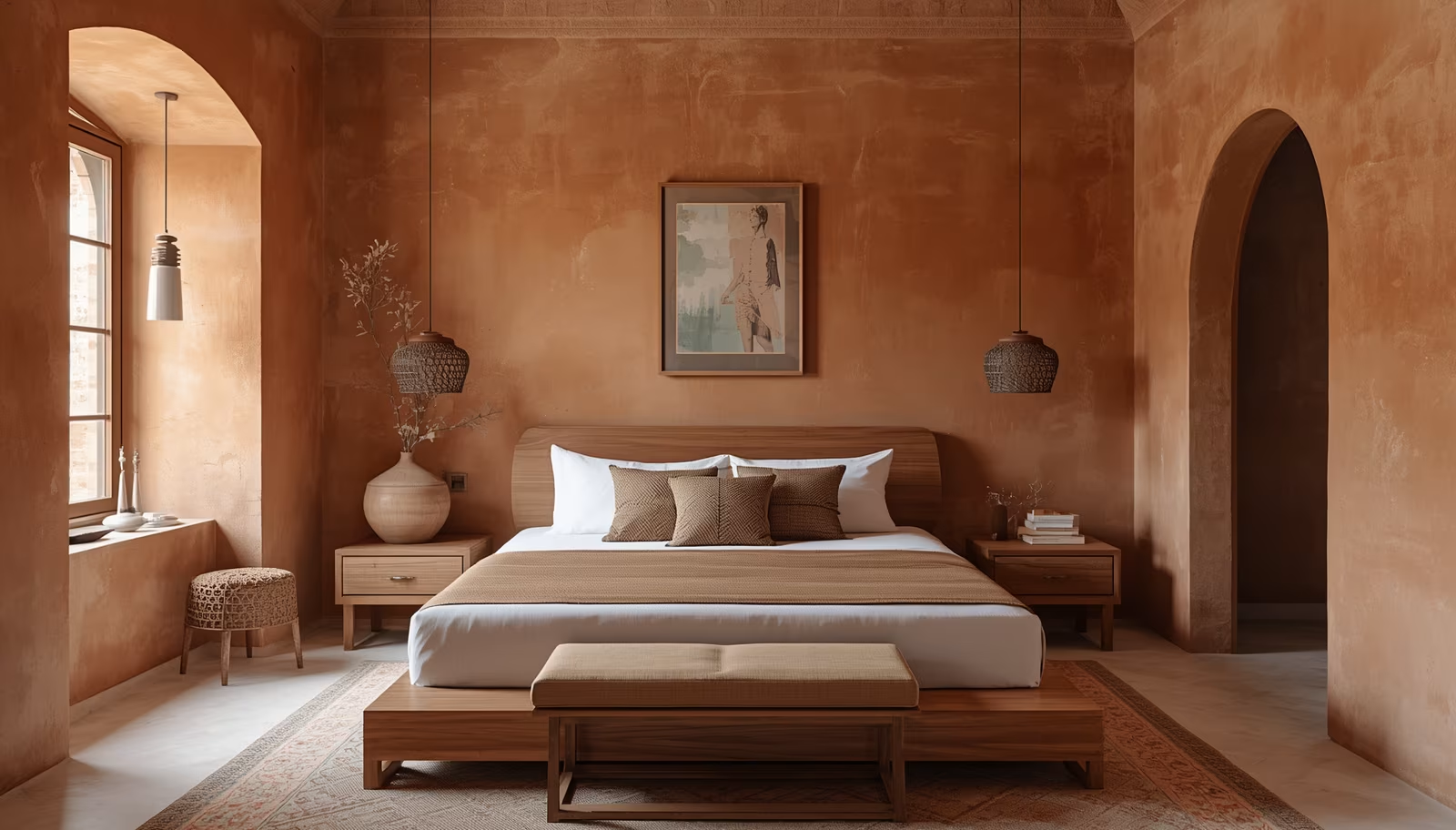
Paint choice sets the emotional tone for the entire home. Moving away from stark, clinical whites toward limestone, ochre, and raw umber creates a enveloping atmosphere. These colors shift beautifully throughout the day as the angle of natural light changes.
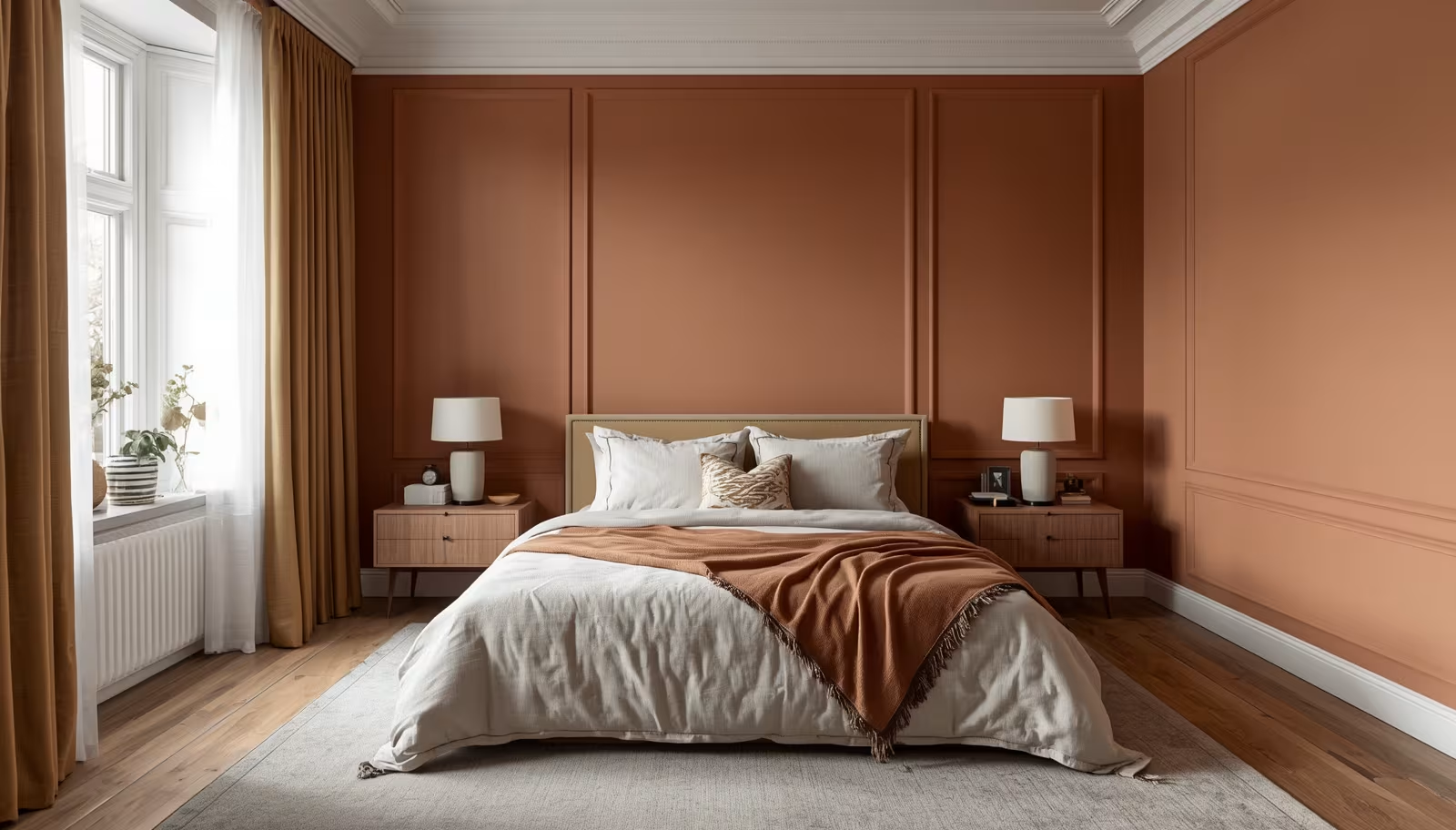
Lime wash paints and micro-cement wall finishes have grown popular because they add physical depth to flat drywall. The subtle swirling patterns of lime wash mimic the appearance of ancient stone villas. If you prefer standard matte paint, brands like Farrow & Ball offer deep earth pigments that absorb light rather than reflecting it harshly.
A historic home renovation in Savannah utilized a muted ochre lime wash in a north-facing library. The choice transformed a historically dark, chilly room into a cozy evening reading space. When applying these specialized wall coatings, use a wide block brush in random X-shaped patterns to achieve an authentic, non-repetitive texture.
- Lime wash paint creates breathable, velvety walls with natural color variations.
- Raw umber tones offer deep, sophisticated backdrops for gallery walls and artwork.
- Ochre pigments introduce a golden warmth that mimics late afternoon sunlight.
- Matte finishes minimize glare and hide minor imperfections in older drywall surfaces.
5. Incorporating Rattan and Bamboo Accents
Lightweight woven woods like rattan, bamboo, and cane bring an airy, tropical warmth to interior spaces. These fast-growing materials are highly sustainable and provide structural strength without adding visual bulk. A cane-backed accent chair or a woven rattan pendant light keeps a room feeling open and breezy.
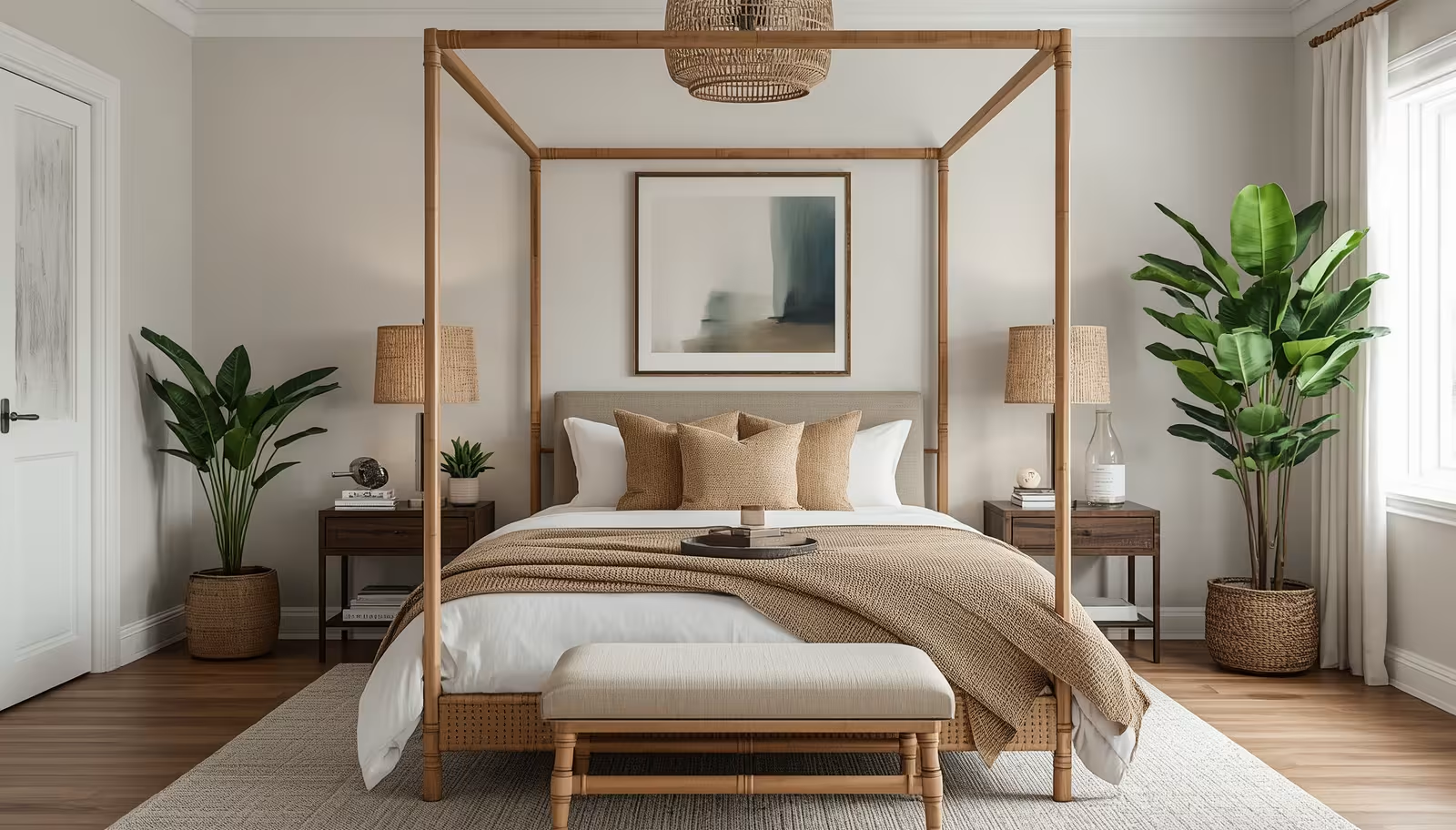
Using too much rattan can make a home look like a temporary beach cottage rather than a permanent residence. The secret lies in contrast. Pair a woven rattan storage basket from IKEA with a sleek, dark metal floor lamp to ground the material within a contemporary setting.
An apartment owner in Vancouver used a large bamboo pendant shade over a dining table to soften the harsh lines of a modern kitchen island. The woven pattern cast beautiful geometric shadows across the ceiling at night. Inspect handmade rattan items carefully for smooth bindings to ensure the material will not snag delicate clothing fabrics.
- Cane webbing adds a vintage mid-century modern appeal to cabinet doors and headboards.
- Rattan storage baskets offer a practical way to hide clutter while adding warmth to shelving.
- Bamboo light fixtures diffuse bright bulb glare into soft, patterned ambient illumination.
- Black metal accents provide the necessary modern contrast to keep woven woods looking sophisticated.
6. Decorating with Travertine and Matte Marble
Stone elements bring weight, permanence, and cooling textures to rooms that feature many soft fabrics. Travertine, with its signature pitted surface and creamy tan coloration, has become a preferred choice for coffee tables and side tables. Unlike polished white Carrara marble, matte tumbled stone feels less formal and more connected to the earth.
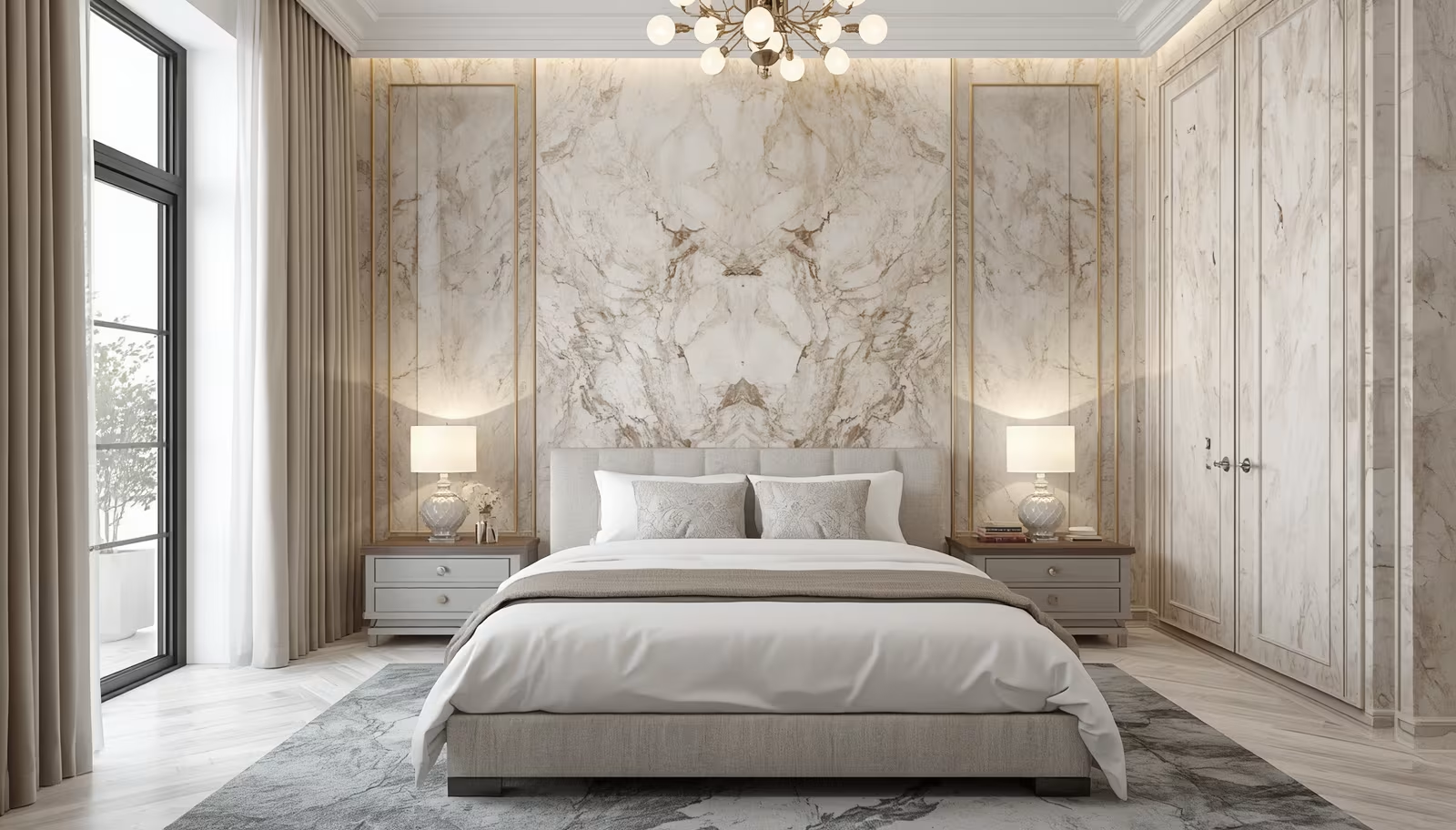
A small travertine side table placed next to a low-profile linen sofa offers an excellent spot for books or coffee. Leaving the natural holes unfilled preserves the geological history of the stone. If you worry about spills, look for honed finishes that have been treated with a penetrating, invisible sealer to resist stains.
A design studio in Austin incorporated a honed travertine fireplace surround during a living room remodel in 2025. The soft beige stone became the centerpiece of the room, working beautifully alongside honey-toned white oak floors. Avoid using acidic cleaning agents on these surfaces, as vinegar or lemon-based products will etch the stone permanently.
- Honed travertine features a soft, matte finish that highlights natural cream and beige layers.
- Tumbled limestone brings a rustic, old-world texture to flooring and hearth designs.
- Unfilled stone surfaces preserve the authentic geological pockets formed over thousands of years.
- Penetrating sealers protect porous stones from coffee, tea, and wine stains without altering the color.
7. Installing Wool and Seagrass Floor Coverings
Flooring covers a massive visual area in any home, making it crucial for establishing a comforting foundation. Hand-knotted wool rugs in undyed cream, grey, and charcoal shades provide soft warmth underfoot. For high-traffic areas like hallways and entryways, tightly woven seagrass or sisal runners offer incredible durability.
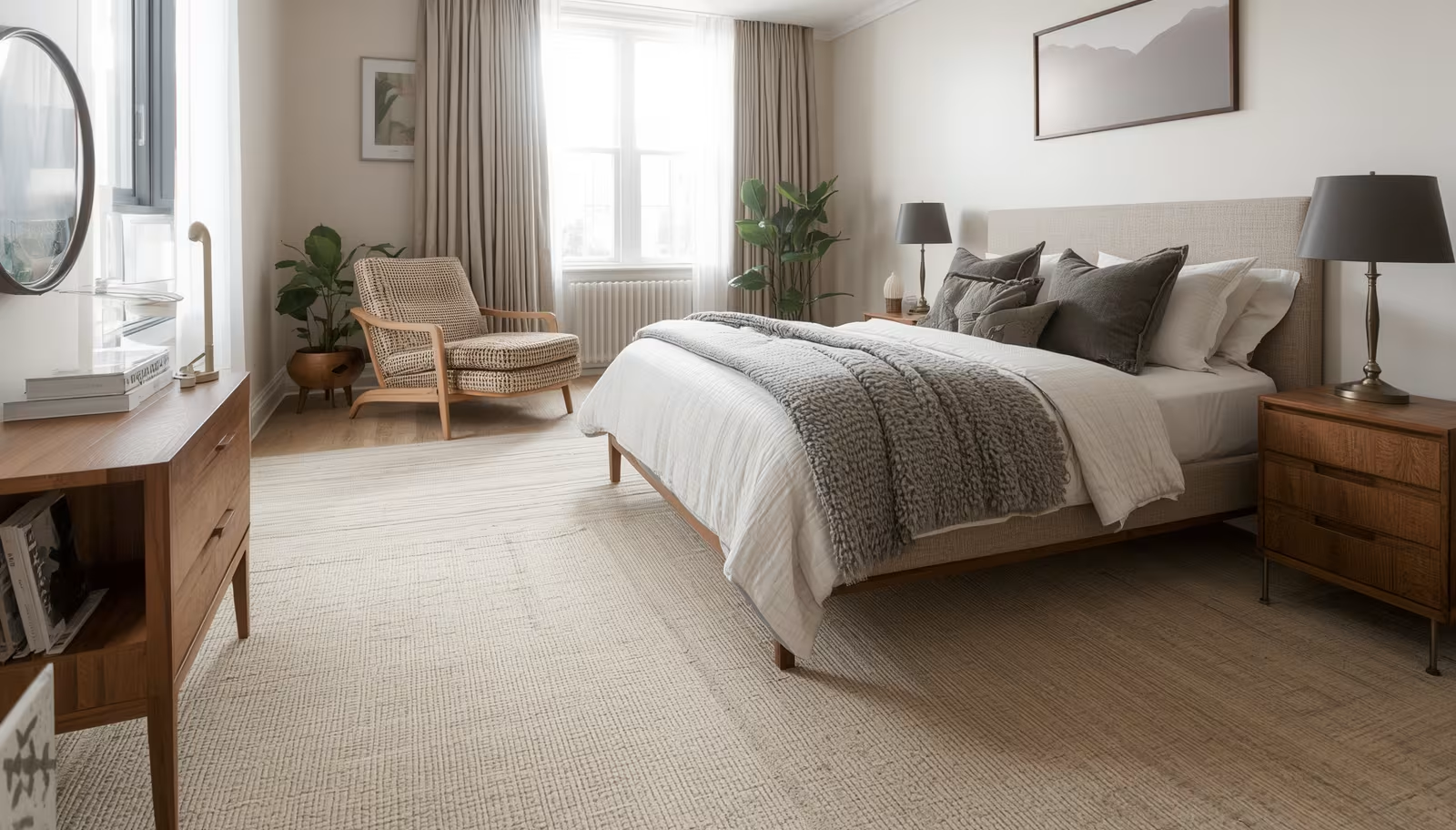
When shopping at retailers like Ruggable or West Elm, prioritize undyed wool products. These rugs contain no synthetic chemical dyes, relying instead on the natural coat variations of the sheep. This approach results in subtle color shifts that hide daily dust and pet hair exceptionally well.
A family living in a drafty New England farmhouse added a thick, undyed Moroccan wool rug to their main living space. The room instantly felt noticeably warmer, and the ambient noise levels dropped significantly. Remember to use a high-quality felt rug pad underneath to prevent slipping and to protect the floor underneath from friction wear.
- Undyed wool rugs retain natural lanolin oils, making them naturally resistant to liquid spills.
- Seagrass runners provide a tough, moisture-resistant flooring solution for busy mudrooms and halls.
- Hand-knotted construction ensures the rug can withstand decades of vacuuming and foot traffic.
- Felt rug pads add cushioning while preventing rugs from shifting on slippery hardwood.
8. Introducing Foraged Branches and Dried Botanicals
Bringing elements directly from the outdoors is a cost-effective way to emphasize organic styling. Instead of buying short-lived imported floral arrangements, look to seasonal branches, dried seed pods, and preserved ferns. These botanical elements introduce organic, asymmetrical lines that break up the straight grids of modern architecture.
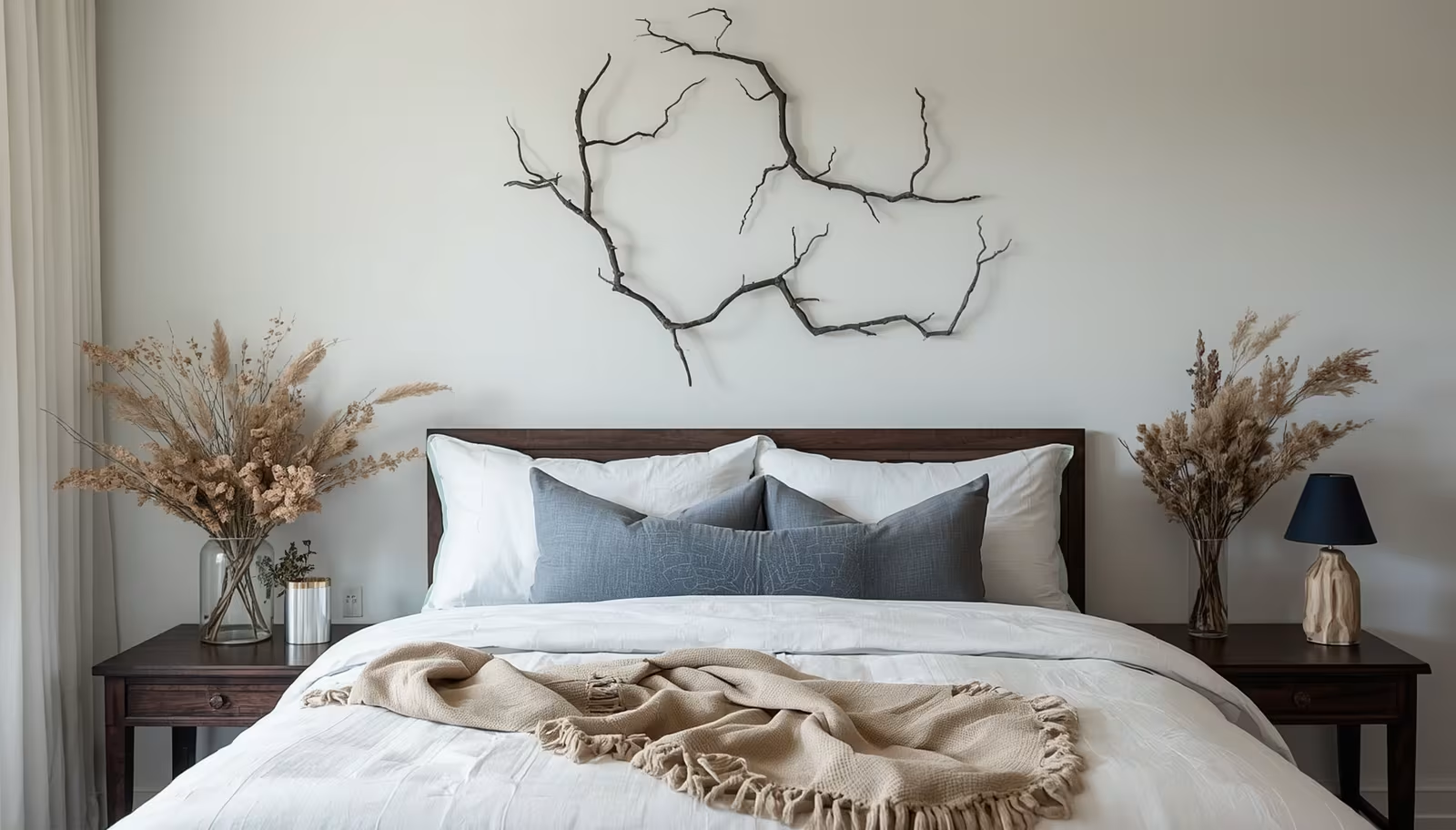
A single tall olive or eucalyptus branch placed inside an oversized glass jug creates an elegant statement on a dining buffet. In the winter months, bare birch or willow twigs offer a minimalist structural look. Because these items are already dried, they require no watering or sunlight to maintain their appearance.
An interior photographer based in Portland regularly uses foraged oak branches to style airy room shoots. The wild, twisting shapes of the branches provide a beautiful contrast against clean, rectangular window frames. To prevent dried pampas grass or seed heads from shedding debris onto your furniture, give them a light coating of unscented hairspray.
- Preserved eucalyptus branches provide a gentle, natural fragrance along with silvery-green color.
- Dried lotus seed pods introduce intricate, sculptural shapes to shallow decorative bowls.
- Foraged willow twigs add height and dynamic movement to dark, empty room corners.
- Unscented hairspray acts as an invisible binder to stop dried grasses from shedding seeds indoors.
9. Layering Soft Warm Ambient Lighting
Harsher overhead lighting can quickly destroy the peaceful mood of a thoughtfully decorated room. Creating an inviting environment requires layering light at different heights using warm-toned bulbs. Selecting lampshades made from translucent paper, frosted glass, or woven linen helps soften the light distribution.
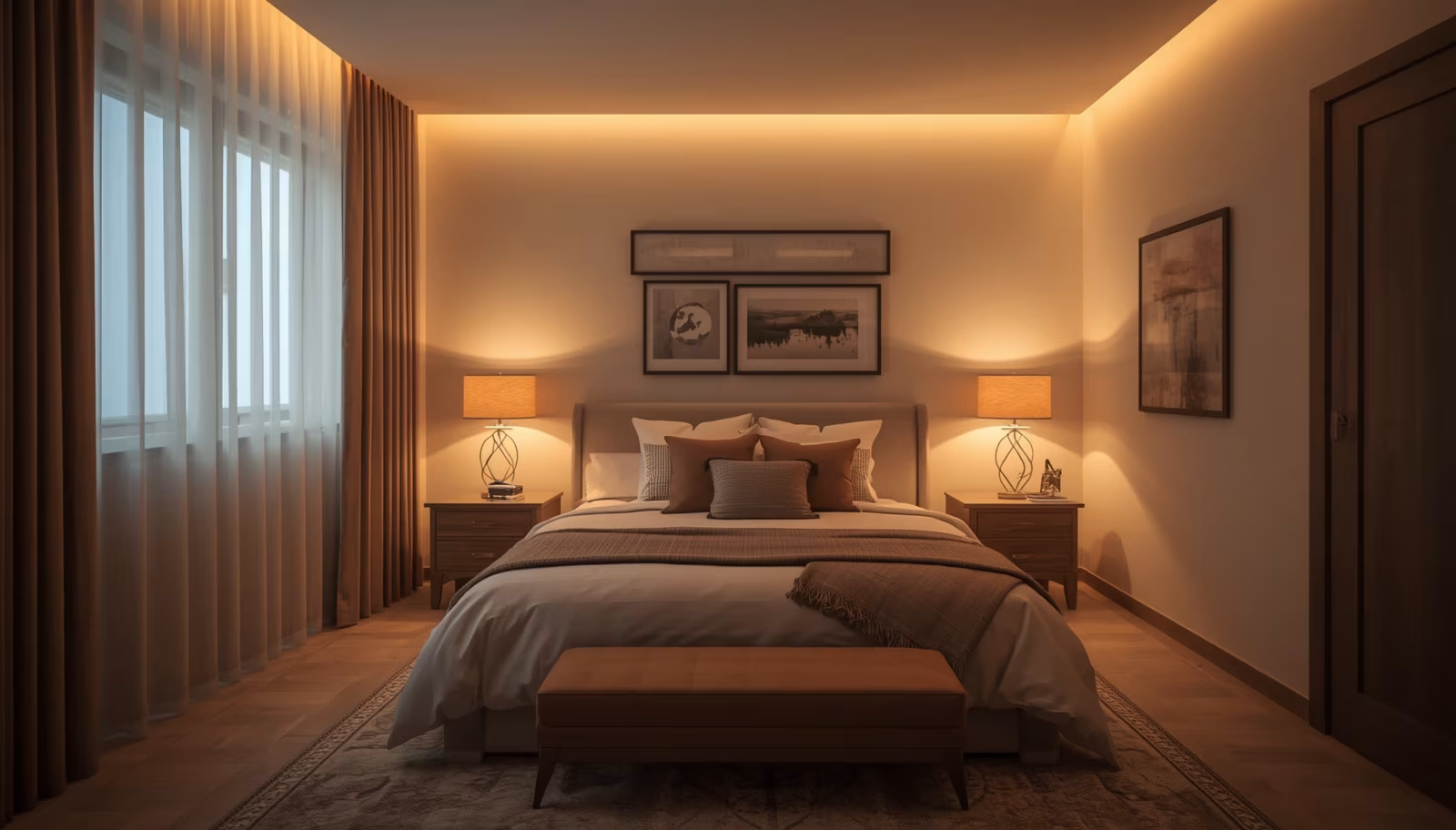
Aim for light bulbs with a color temperature between 2700K and 3000K to mimic the gentle glow of a sunset. Table lamps with ceramic bases or floor lamps made from dark oiled bronze work well during evening hours. Placing these light sources in corners helps expand the perceived size of the room.
During a historic townhouse restoration, an lighting designer eliminated all cool white recessed ceiling lights in the main parlor. They replaced them with three strategically placed linen-shaded table lamps and adjustable wall sconces. The room shifted from feeling like a sterile commercial office to a relaxing evening retreat.
- Warm 2700K LED bulbs emit a comforting golden light that helps the body relax before sleep.
- Linen lampshades diffuse harsh filament glare into a soft, even glow across seating areas.
- Oiled bronze and brass lamp stems add subtle metallic weight to side tables.
- Corner light placement eliminates dark shadows and makes small rooms feel more spacious.
10. Incorporating Matte Leather and Suede Furniture
High-quality leather furniture introduces a rich, organic scent and a smooth texture that develops a beautiful patina over time. Opt for aniline or semi-aniline leathers that lack heavy synthetic plastic topcoats. These breathable pieces adapt quickly to body temperature, keeping you cool in summer and warm in winter.
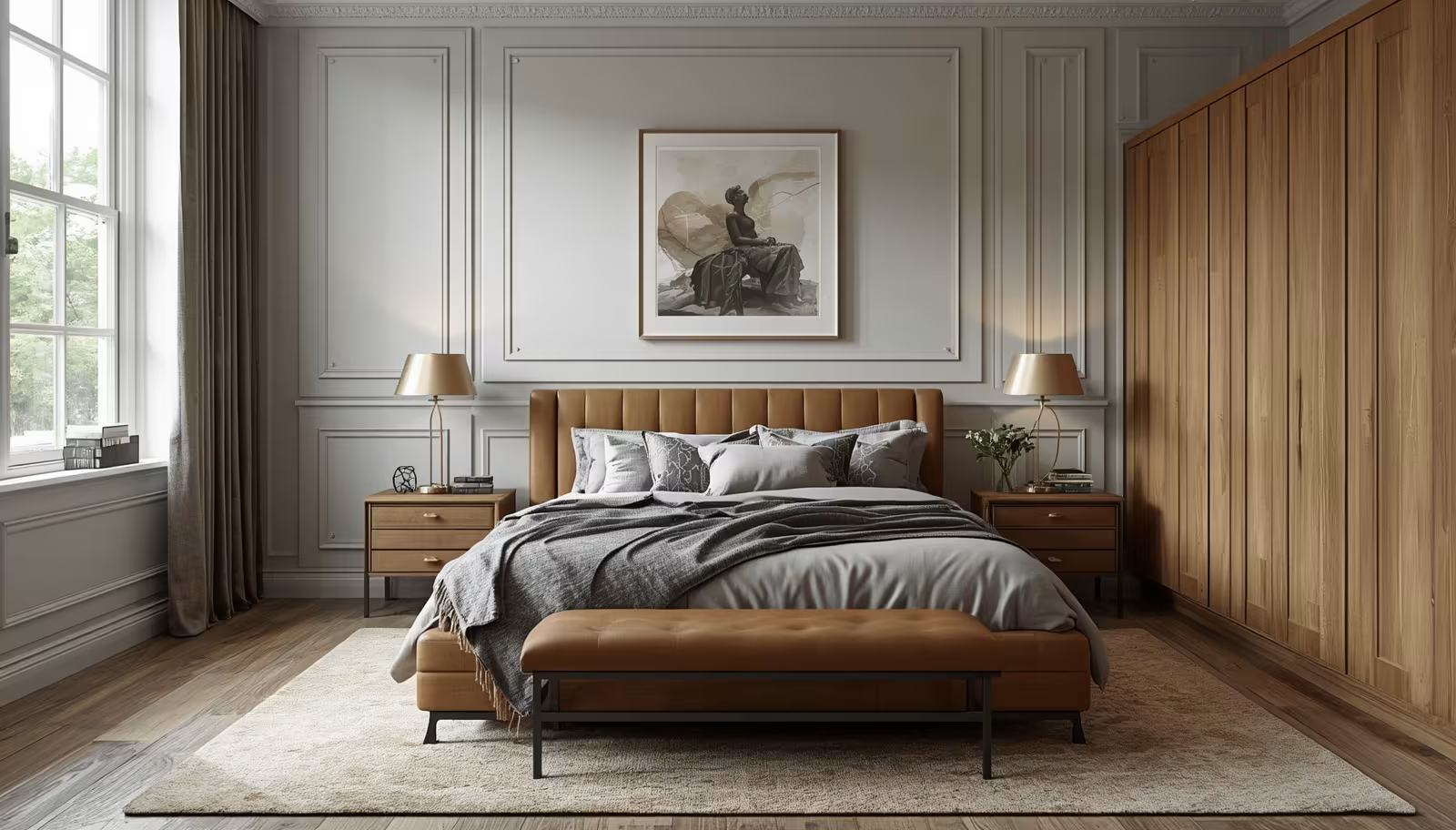
A tan leather accent chair can serve as an excellent visual anchor in a room dominated by light linen fabrics. The smooth surface contrast prevents the space from looking too monotonous or washed out. As the leather encounters daily use, it acquires small scuffs and creases that tell the story of the home.
A homeowner in Denver paired a caramel-colored leather sofa with a deep green wool throw blanket in their living room. The combination balanced rugged mountain textures with clean modern design principles. To maintain the flexibility of authentic leather, apply a specialized cream conditioner once every twelve months to prevent drying or cracking.
- Aniline leather preserves natural markings, ensuring every piece of furniture is entirely unique.
- Caramel and saddle brown tones provide excellent color contrast against cool grey concrete walls.
- Leather conditioners maintain fiber suppleness and protect against damage from dry indoor heating.
- Suede accents offer a soft, velvety texture that pairs well with rough-hewn wooden tables.
Wrap Up
Building an earth-toned, organic home is about choosing authentic materials that provide long-term comfort and style. By mixing solid woods, rich linens, and handmade ceramics, you build a space that feels deeply connected to the natural world. Avoid the temptation to buy matching furniture sets, and let your rooms grow naturally over time. Focus on quality textures and warm lighting to create a peaceful sanctuary you enjoy returning to every day.
FAQs Section
Which color palettes work best when designing an organic, nature-inspired living room?
Focus on a base of warm neutrals like oatmeal, cream, and taupe, then layer in rich earth pigments. Muted terracotta, sage green, soft ochre, and deep umber add depth without overwhelming the senses.
How can I mix different wood tones in the same room without causing visual chaos?
Select one dominant wood tone for your largest furniture piece, then introduce one or two secondary accent woods. Ensure the pieces share a similar warm undertone to maintain a sense of balance throughout the space.
What is the best way to clean and maintain unglazed ceramic and terracotta decor?
Dust these items regularly with a soft, dry microfiber cloth to prevent dirt from settling into the porous surfaces. Avoid chemical cleaners or excessive water, as raw clay can absorb moisture and develop permanent stains.
Disclaimer
This content shared by Fall Rugs is solely for research and informational purposes. Fall Rugs is not a professional interior design or home renovation consultancy, and the information provided should not be considered professional advice for home improvement or decor. All ideas and suggestions are based on current trends and general knowledge in the home decor industry.