
TL;DR
Sodium bicarbonate neutralizes acidic carpet odors and lifts oily spills through direct chemical absorption. Applying the powder dry treats basic odor issues, while combining it with water or vinegar tackles deep grease spots. Regular extraction with a high-power vacuum ensures no powdery residue remains in the backing fabric.
Introduction
Does your living room rug have a persistent scent that regular vacuuming cannot seem to fix? Many homeowners struggle with trapped pet dander, spilled milk, and ground-in dirt that standard superficial cleaning misses. You can restore your flooring material using inexpensive pantry staples rather than renting heavy machinery. This breakdown shows you how to use sodium bicarbonate safely across various pile types to achieve a truly fresh living environment.
The Chemistry of Odor Neutralization in Floor Fibers
Carpet fibers like nylon, polyester, and wool easily trap volatile organic compounds that cause unpleasant smells. Most household odors stem from acidic sources, including pet urine, dropped food, and sour sweat. Sodium bicarbonate works because it is a mild amphoteric compound, meaning it reacts with both strong acids and highly alkaline substances to neutralize their chemical structures.
Instead of masking the scent with synthetic perfumes, this mineral compound alters the pH level of the residue hiding at the base of the carpet pile. Brand manufacturers like Arm & Hammer have documented how fine sodium bicarbonate particles bond with moisture molecules to pull trapped gases out of synthetic materials.
- It alters the pH balance of acidic spills to stop odor production at the source.
- It absorbs liquid oils that bind dirt particles to individual carpet strands.
- It works safely around households containing children or small animals.
- It costs less than five dollars for a large resealable box.
A practical example involves a property manager in Chicago who treated a rental unit with severe pet odors in 2025. The previous tenants owned two large dogs, leaving the high-traffic nylon carpets smelling heavily of damp fur. The manager distributed three pounds of pure sodium bicarbonate across the room, brushed it deep into the fibers, and let it sit for 24 hours. A subsequent pass with a commercial vacuum completely removed the organic scent without requiring expensive steam treatment.
Understanding Fiber Porosity
Synthetic materials like polypropylene used in modern Ruggable mats resist moisture but can hold onto oil-based smells over time. Natural fibers like wool, found in premium West Elm area rugs, are highly porous and require careful handling. Wool holds up to 30% of its weight in moisture without feeling wet, meaning dry powder application is always safer than over-saturating the delicate yarn.
Managing Hidden Backing Risks
When moisture mixes with powder, the solution can seep through the primary tuft layer down into the latex backing of the carpet. If this area remains damp for more than 48 hours, it creates an environment where mildew thrives. Keeping your treatments dry or strictly managing liquid quantities prevents structural rot within the floor layout.
Dry Application Methods for Weekly Maintenance
Dry cleaning preserves the structural integrity of delicate rugs while drawing out embedded dander. This method requires zero drying time, making it perfect for busy hallways and active family rooms. You only need a standard box of powder, a stiff-bristled nylon brush, and a vacuum cleaner equipped with a clean filter.
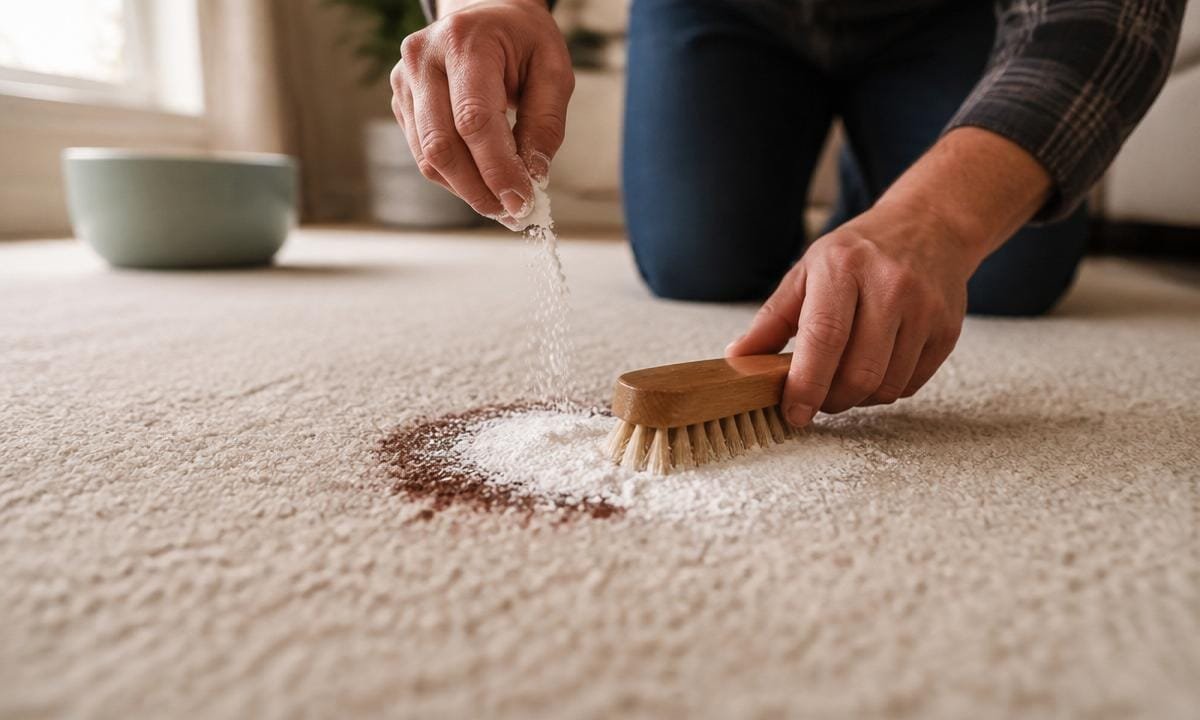
Begin by clearing the floor area of toys, small furniture items, and shoes. Shake the powder evenly across the surface until a thin white layer covers the fabric. Use your brush to work the particles into the lower pile where dirt settles, then wait at least one hour before starting your vacuum machine.
- Sprinkle the powder from a height of two feet to ensure even distribution.
- Brush against the natural direction of the carpet pile to open up the yarn.
- Let the powder rest for eight hours or overnight to treat severe smoke odors.
- Use a vacuum cleaner with a spinning brush bar to extract every particle.
Consider the case of a homeowner in Seattle who used this dry method on a large Pottery Barn plush rug during the damp winter season of 2024. The rug had developed a musty scent due to high ambient humidity and wet coats dripping near the entryway. By applying a dry layer every Friday night and vacuuming it away on Saturday morning, the family maintained fresh indoor air quality without risking mold growth from slow-drying wet shampoos.
Choosing the Right Vacuum Equipment
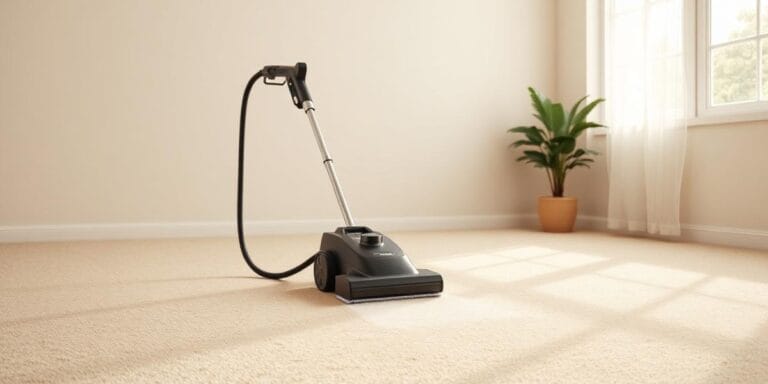
Standard lightweight cordless vacuums often lack the suction power needed to pull fine powder out from deep carpet tufts. Models like the Dyson Ball Animal or a dedicated Bissell CleanView provide the necessary air watts to clear out the microscopic grains. Clean your vacuum filter immediately after this process to prevent the fine dust from clogging the motor housing.
Particle Size Adjustments
Standard culinary baking soda works well, but industrial-grade cleaning soda features slightly larger granules. These larger particles resist clumping in humid conditions and come out of the floor base far more easily during the final vacuuming pass.
Eradicating Tough Liquid Stains and Grease Patches
When dealing with dark coffee spills, dropped plates of food, or fresh mud track-ins, dry powder alone will not suffice. You must create a reactive paste or use a secondary lifting agent to break the chemical bond between the stain and the fabric. This process utilizes physical absorption alongside a mild effervescent reaction to lift pigment away from the floor.
For wet spills, first blot up as much liquid as possible using clean white microfiber towels. Cover the damp area completely with a thick layer of sodium bicarbonate. Mist the powder lightly with warm water from a spray bottle to form a paste, then let it dry completely into a hard crust before removal.
- Blot the stain from the outside edges inward to prevent spreading the pigment.
- Avoid scrubbing aggressively, which frays the carpet tips and creates permanent distortion.
- Mix equal parts water and powder for targeted grease spot treatments.
- Allow the crust to dry for a full 12 hours until it feels chalky to the touch.
An interior stylist in Austin faced this exact challenge when a client spilled red wine on an off-white IKEA wool blend rug during a dinner party. The stylist immediately blotted the liquid, applied a generous mound of powder, and misted it with a bit of plain water. The next morning, the dried crust had absorbed the red pigment completely, leaving the rug surface clean and free of shadows.
The White Vinegar Catalyst
For stubborn stains like old pet accidents, you can pour a small amount of white distilled vinegar over the powder layer. The resulting chemical reaction releases carbon dioxide gas, creating a bubbling foam that physically forces trapped dirt particles to the surface of the fiber pile.
NaHCO3 (Baking Soda) + CH3COOH (Vinegar) → CH3COONa + H2O + CO2 (Foam)
This bubbling action breaks up dried sugars and binding agents, making them soluble so you can blot them up with a towel.
Post-Treatment Fiber Rinsing
After vacuuming the dried crust, wipe the area with a damp cloth dipped in plain water to remove any lingering alkaline film. This step ensures the fiber texture returns to its original softness without feeling stiff or crunchy underfoot.
Preventing Structural Damage and Fiber Discoloration
While sodium bicarbonate is generally safe, improper use can damage expensive floor coverings. Certain specialty materials require alternative maintenance strategies to avoid ruin. Testing and proper material identification keep your home investments beautiful for years.
Always perform a spot test on a hidden section of the carpet, such as inside a closet or behind a heavy bookcase, before treating visible areas. Apply the mixture, let it sit for an hour, and wipe it away to check for color bleeding or texture changes. High-alkaline treatments can occasionally cause unstable vegetable dyes in oriental rugs to run or fade.
- Avoid using this method on antique silk, jute, or sisal floor coverings.
- Do not apply wet paste mixtures to wooden floorboards beneath thin area rugs.
- Keep pets away from the treated room until you complete the final vacuum sweep.
- Replace your vacuum bags frequently during the cleanup process to prevent machine strain.
A textile preservationist in Boston documented an issue where a homeowner applied a wet baking soda mixture to an unsealed jute rug. The natural plant fibers absorbed the moisture, causing the rug to warp permanently and develop brown water stains along the edges. The mistake required professional structural blocking to correct, highlighting why dry methods or specialized cleaning are necessary for plant-based materials.
Identifying Delicate Materials
Silk and jute cannot handle high pH fluctuations or heavy moisture application. Silk fibers lose their tensile strength when exposed to alkaline compounds, while jute darkens and becomes brittle. Stick to professional dry-cleaning solvents for these specific luxury items.
Protecting Vacuum Motors
Fine dust can bypass cheap single-layer paper filters and enter the mechanical housing of your vacuum cleaner. Using high-efficiency particulate air (HEPA) bags or cleaning your cyclonic chambers regularly prevents motor burnout caused by fine mineral accumulation.
Wrap Up
Cleaning your carpets with sodium bicarbonate offers a safe, budget-friendly way to remove deep odors and tough stains. By matching dry or wet application methods to your specific carpet fiber type, you protect the backing while lifting ground-in dirt. Always test a small hidden area first, use a high-powered vacuum for cleanup, and let wet pastes dry fully to keep your floors looking pristine.
FAQs Section
Can baking soda ruin your vacuum cleaner?
Fine particles can clog standard filters and potentially damage the motor if your vacuum lacks a high-quality HEPA filtration system. To protect your machine, empty the canister frequently and shake out the fabric filter immediately after cleaning up large amounts of powder.
How long should you leave baking soda on a smelly carpet?
For normal everyday freshness, let the powder sit for at least one to two hours before vacuuming. For severe pet odors or deeply embedded smoke smells, leave the dry powder in the carpet fibers overnight to allow maximum absorption.
Is baking soda safe for all types of home carpets?
It works beautifully on synthetic fibers like nylon and polyester but requires extreme caution on natural materials. Never use wet baking soda methods on silk, jute, or sisal rugs, as moisture and pH changes can cause permanent fiber distortion and staining.