

TL;DR
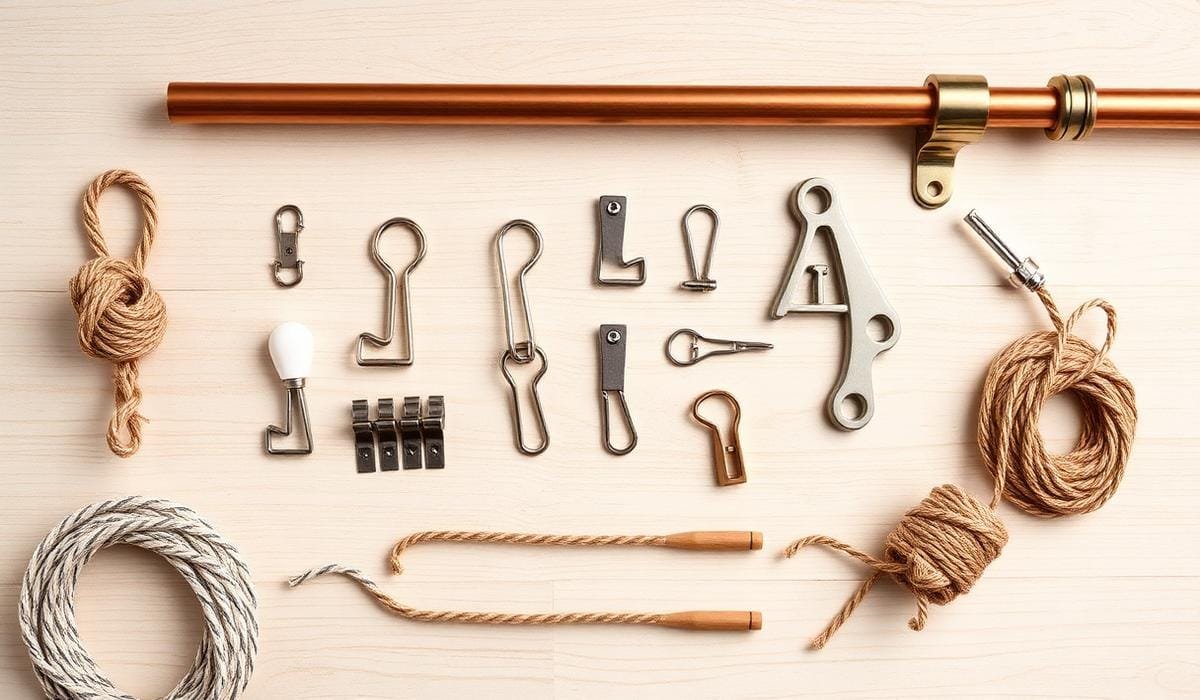
Curtains can hang from adhesive hooks, tension wire, ceiling tracks, hook-and-loop tape, magnetic hardware, rope, or individual wall hooks. Match the method to the curtain’s weight, the wall material, and how often the fabric must open. Lightweight panels suit removable hardware, while lined or blackout curtains need stronger supports.
Introduction
Can a window look polished without a traditional curtain rod? Yes, but the support system must suit the fabric rather than fight it. A sheer IKEA panel places far less strain on hardware than a lined velvet curtain from West Elm or Pottery Barn. The right choice protects the wall, controls sagging, and gives the curtain enough room to move without looking like a temporary fix.
Rod-free hanging also solves practical problems in rentals, dorm rooms, historic houses, and spaces with awkward window frames. Some methods cost less than $20, require no drilling, and come down within minutes. Others use permanent ceiling tracks or stainless-steel cable for a cleaner architectural finish. The details below show where each approach works, where it fails, and how to install it with fewer surprises.
Match the Hanging Method to the Curtain and Wall
Start with weight. A lightweight cotton café curtain may weigh less than two pounds, while a pair of lined floor-length panels can weigh ten pounds or more. Ready-made curtain panels commonly measure 42 to 54 inches wide, and extra fabric adds load quickly. Hardware that holds a framed print may still fail once people pull the curtain several times a day.
Wall material matters just as much. Painted drywall accepts removable adhesive products, provided the paint has fully cured and the surface is clean. Brick, concrete, textured plaster, tile, and old wallpaper create different bonding conditions. In a prewar New York apartment, for example, brittle plaster may crack around ordinary screws, making a ceiling track or picture-rail system a safer choice.
- Lightweight curtains: Use adhesive hooks, hook-and-loop tape, small magnetic hooks, or slim curtain wire.
- Medium-weight panels: Choose closely spaced hooks, anchored wire, rope, or a rated track system.
- Heavy blackout curtains: Use ceiling tracks, wall anchors, timber battens, or structural mounting points.
- Curtains opened daily: Favor rings, gliders, clips, or pulleys rather than fixed tape or tacks.
- Rental walls: Check the lease before drilling, staining timber, or attaching hardware to trim.
A common mistake is choosing hardware by appearance alone. I once saw linen-look polyester panels hung from three decorative hooks across a six-foot opening. The center dropped almost eight inches within a week. Adding four more support points corrected the curve, but a cable with a turnbuckle would have produced a neater result from the start.
Hang Lightweight Curtains from Adhesive Hooks
Adhesive hooks offer the quickest no-drill solution for renters. Products from 3M Command come in several sizes, finishes, and published weight ratings. The rating applies under specific installation conditions, so dust, grease, fresh paint, humidity, and textured surfaces can reduce performance. Clean painted walls with isopropyl alcohol rather than household spray cleaner, which may leave a slippery residue.
Place hooks across the full width of the window instead of relying on one at each end. Curtain clips, ribbon loops, fabric tabs, or grommets can hang directly from them. Seven small hooks often create a straighter heading than three large hooks because each point carries less fabric. This arrangement works well for kitchen curtains, dorm rooms, temporary nurseries, and seasonal panels.
- Measure the curtain’s total weight before selecting the hook size.
- Space hooks about 6 to 10 inches apart for a soft, even drape.
- Wait the manufacturer’s stated bonding period before adding fabric.
- Use clip rings when the curtain needs to open or come down for washing.
- Pull removal tabs slowly along the wall instead of lifting them outward.
A renter in a 1930s Chicago apartment used eight clear adhesive hooks to hang a 48-inch cotton café panel above a kitchen sink. The wall stayed untouched, and each clip could be removed for laundering. The same setup would not suit a damp bathroom with peeling paint or a heavy thermal curtain that people tug every morning.
Adhesive hooks usually cost about $8 to $25 per window, depending on size and quantity. Replacement strips add a few dollars. Avoid placing them above radiators, cooking surfaces, or windows that collect condensation. Heat and moisture can weaken adhesive, while falling hardware may damage nearby objects or startle children and pets.
Use Curtain Wire, Aircraft Cable, Rope, or Cord
Tensioned wire creates a thin horizontal support that nearly disappears behind the fabric. IKEA’s DIGNITET curtain wire popularized the concept for small windows, room dividers, and lightweight textiles. Similar systems use stainless-steel cable, eye plates, wall plugs, and a turnbuckle. Tightening the turnbuckle removes slack without forcing the cable by hand.
Cable still needs sound anchor points. A six-foot span carrying several pounds can pull hard against the wall because horizontal tension magnifies the force at each end. Fixing eye screws into timber studs gives a stronger result than placing them in unsupported drywall. Long spans may need a center bracket to prevent the curtain from forming a deep curve.
- Choose stainless-steel cable in humid rooms to reduce corrosion.
- Use a turnbuckle or built-in tensioner rather than tying knots.
- Add a center support on wide windows or room-divider installations.
- Hang fabric with clips, small rings, carabiners, or sewn loops.
- Cap exposed cable ends so sharp strands cannot scratch hands or fabric.
A compact Berlin studio used ceiling-mounted cable to separate a sleeping area from the living space. Lightweight cotton panels slid along metal clips and folded into a narrow stack during the day. The system cost less than a custom partition and kept daylight moving through the apartment, but it needed a center fixing across the wide span.
Rope and decorative cord create a softer, rustic look. Cotton sash cord suits cottages, craft rooms, and casual children’s spaces, while braided synthetic line stretches less. Rope tends to sag more than steel cable and can collect dust. Designers often pair it with linen, canvas, or tab-top curtains rather than formal pleated drapery.
Install a Ceiling Track for Heavy or Full-Length Curtains
A ceiling track offers the strongest rod-free option for long or frequently used curtains. IKEA VIDGA, Silent Gliss, and similar systems use gliders inside an aluminum or plastic channel. Hotels, hospitals, fitting rooms, and photography studios rely on tracks because they guide fabric smoothly around straight runs, corners, and large openings.
Mounting near the ceiling can also change the room’s proportions. Interior designers such as Emily Henderson often place window treatments high and wide to draw the eye upward and expose more glass when the curtains are open. A ceiling track creates that effect without a visible pole, brackets, or finials. It works especially well with ripple-fold, pencil-pleat, and hooked headings.
- Locate ceiling joists with a stud finder before drilling.
- Use anchors designed for the actual ceiling material and curtain load.
- Place gliders at regular intervals so pleats remain balanced.
- Leave room near the wall for handles, blinds, vents, and window trim.
- Choose a track with replacement gliders available from the manufacturer.
A family in Singapore used a double ceiling track across a condominium bedroom. The front channel carried decorative linen-look curtains, while the rear channel held blackout fabric. Each layer moved independently, and the ceiling installation hid an uneven window recess. The heavier panels required fixings into concrete rather than adhesive strips.
Basic track kits often cost $25 to $100, excluding installation. Custom bends, motorized controls, extra-wide spans, and premium Silent Gliss hardware can cost far more. Drilling into concrete ceilings may require a hammer drill, masonry bit, dust control, and approval from a landlord or building manager.
Fix Stationary Curtains with Tape, Tacks, or Individual Hooks
Some curtains do not need to slide. Decorative side panels, under-sink curtains, glass-door fabric, and small cabinet coverings can stay fixed. VELCRO Brand hook-and-loop tape gives these projects a flat heading with no visible support. Sew-on tape handles laundering better than adhesive-only tape, while the matching strip can attach to timber, metal, or painted surfaces.
Upholstery tacks and decorative wall hooks offer another fixed treatment. They suit relaxed swags, narrow alcoves, and fabric used to soften shelving. Tack holes remain small, but they still damage the surface. Direct fastening also concentrates stress, so tightly woven cotton or canvas usually lasts longer than delicate voile around the attachment points.
- Use hook-and-loop tape for washable under-counter and cabinet curtains.
- Add a stitched header strip to stop thin fabric from stretching.
- Place decorative hooks symmetrically before draping rope or fabric loops.
- Reserve upholstery tacks for timber trim or walls that can accept small holes.
- Avoid fixed headings on emergency exits or windows used for ventilation.
A café in Melbourne attached washable canvas panels beneath a service counter with sew-on hook-and-loop tape. Staff removed the panels each week for cleaning without unscrewing hardware. The same method works beneath farmhouse sinks, craft tables, and open bathroom vanities, where a sliding curtain would add unnecessary parts.
Magnetic hooks can work on steel window frames, metal doors, filing cabinets, and some workshop partitions. Test the surface first because aluminum and many stainless-steel grades do not attract ordinary magnets. Strong magnets can pinch fingers and may interfere with certain medical devices, so store unused pieces securely and follow the product warnings.
Measure for Fullness, Height, and Safe Daily Use
A rod-free curtain still needs accurate proportions. Curtain fabric usually looks balanced at about 1.5 to 2 times the covered width. A 48-inch opening may need 72 to 96 inches of total panel width, depending on the desired fullness. Too little fabric looks stretched, while excessive fullness adds weight and creates a bulky stack beside the window.
Height changes the visual result. Mounting the support 4 to 8 inches above the frame often makes a standard window appear taller. A ceiling-mounted treatment creates an even stronger vertical line. West Elm and Pottery Barn room sets often use floor-length panels that nearly touch the floor, but kitchens and children’s rooms benefit from shorter hems that stay clear of water, toys, and heaters.
- Measure the window at three points because older frames may not be square.
- Add width beyond the glass so open curtains block less daylight.
- Leave about half an inch of floor clearance for curtains opened daily.
- Hem fabric above radiators, air-conditioning outlets, and wet surfaces.
- Keep cords, loops, and loose chains outside a young child’s reach.
One homeowner installed rope above a French door and cut the curtains exactly to the frame width. The panels looked flat and blocked part of the glass when open. Replacing them with wider panels and extending the anchors six inches beyond each side improved the folds and restored more daylight without changing the basic hanging system.
Test the finished installation with controlled pressure before regular use. Open and close the curtain several times, inspect every attachment point, and watch for paint movement, cable sag, loosening screws, or bending hooks. A safe installation distributes load across enough supports and keeps the fabric away from flames, hot appliances, vents, and door mechanisms.
Wrap Up
Hanging curtains without a rod works when the support matches the fabric, wall, and daily routine. Adhesive hooks suit lightweight rental-friendly panels, while cable and ceiling tracks handle wider openings and repeated movement. Tape, magnets, and decorative hooks work well for fixed fabric in kitchens, cabinets, and small spaces.
Measure the full curtain weight, not just the window width, and respect the published limits of every hook, anchor, and track component. Add more support points when fabric gathers heavily or spans a long distance. A restrained installation with balanced spacing will look designed rather than improvised.
FAQs Section
How can I hang curtains without drilling holes?
Use adhesive hooks, hook-and-loop tape, magnetic hooks on steel frames, or a tension system fitted inside a suitable recess. These choices work best with lightweight curtains and clean, stable surfaces.
Can Command hooks hold full-length curtains?
Rated Command hooks can hold some lightweight full-length panels when enough hooks share the load. Heavy blackout, velvet, or thermal curtains usually need anchored hardware or a ceiling track.
What is the strongest alternative to a curtain rod?
A properly anchored aluminum ceiling track is usually the strongest rod-free option for household curtains. It supports heavy fabric, allows smooth movement, and can cover wide windows or turn corners.