

TL;DR
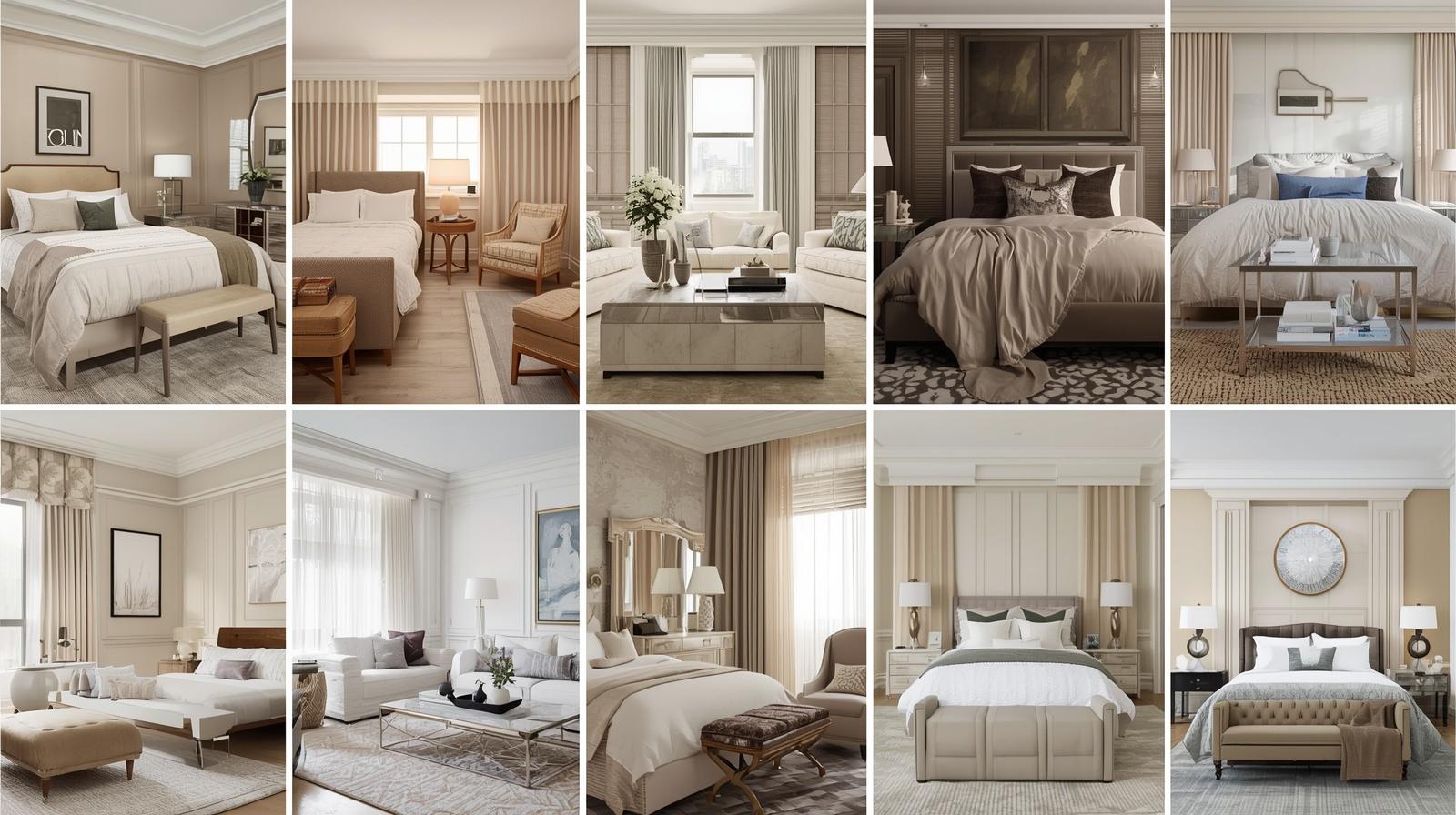
Creating a sophisticated beige bedroom requires a focus on varied textures and subtle tonal shifts rather than a single flat color. By mixing materials like linen, wood, and metal, you can turn a neutral palette into a high-end retreat that feels both warm and modern.
Introduction
Many homeowners worry that a neutral palette leads to a boring or uninspired room. However, beige remains the most versatile foundation for a peaceful sleeping environment when you apply it with intention. You will learn how to use this classic hue to build a space that feels expansive, expensive, and deeply comfortable. This guide breaks down specific ways to layer tones and materials to ensure your bedroom stands the test of time.
Number One: Developing Depth Through Tone on Tone Layering
The biggest mistake people make with beige is picking one single shade and applying it to every surface. This approach flattens the room and makes it feel like a hospital ward or a dated rental. Instead, you should aim for a gradient of shades that move from light cream to deep oatmeal. When you place a light ivory throw over a medium tan duvet, the eye perceives depth and volume.
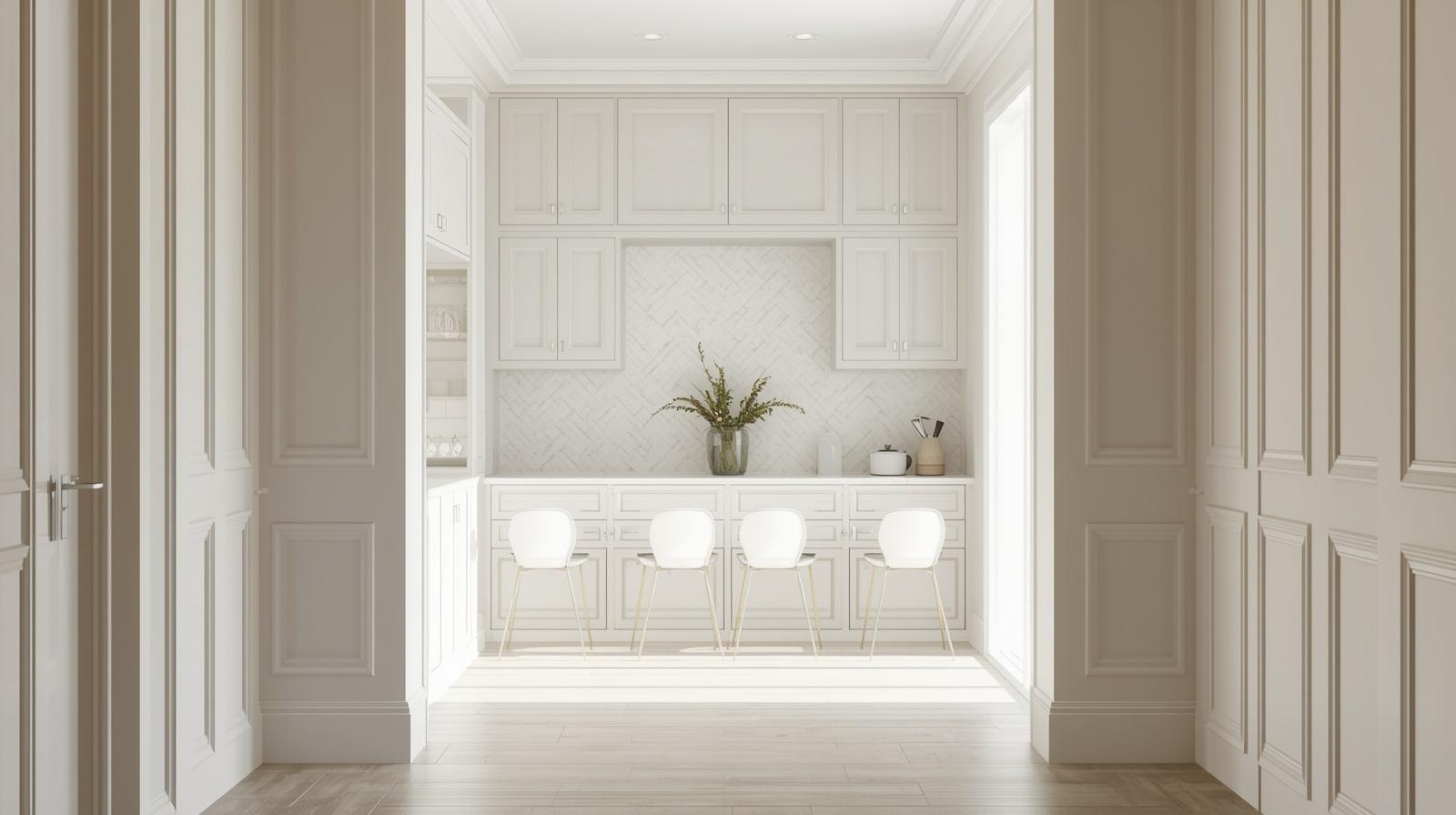
Professional designers often talk about the light reflectance value of a paint color. In a room with north-facing light, a cool beige might look grey and depressing. You should choose a beige with pink or yellow undertones to counteract that cool light. This ensures the room feels cozy even on a cloudy afternoon. By layering three or four different variations of the same base color, you create a visual richness that feels intentional and curated.
Number Two: Integrating Natural Fibers for Tactile Comfort
Beige depends entirely on texture to succeed because it lacks the drama of high-contrast colors. You need to introduce fabrics that beg to be touched, such as chunky wool knits, heavy linens, and soft cotton bouclé. These materials catch the light differently and create small shadows that give the room a three-dimensional quality. A flat beige wall looks much better when paired with a highly textured rug that grounds the entire space.
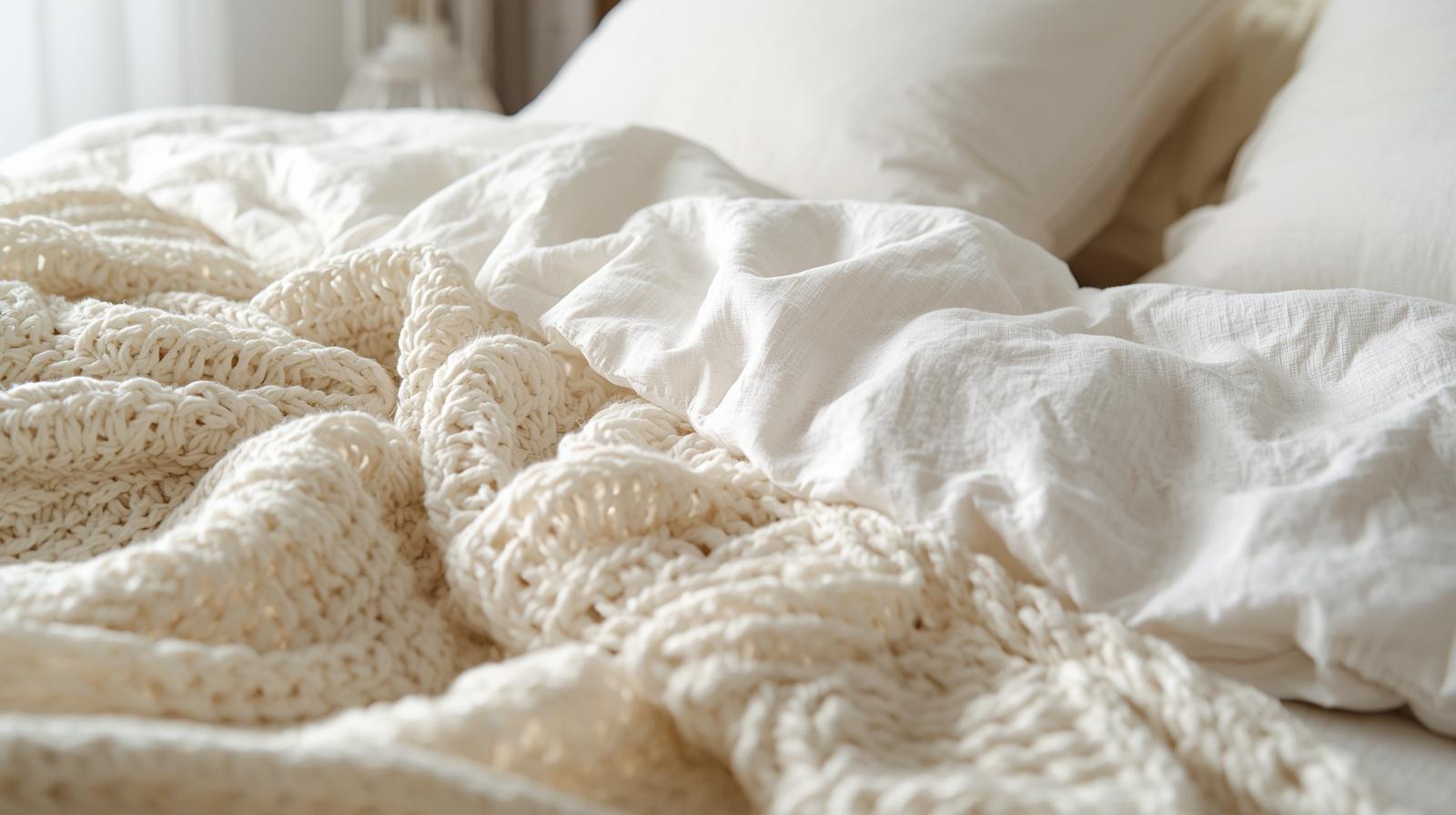
I once worked on a project where the homeowner felt their cream bedroom was too sterile. We simply swapped their smooth polyester curtains for a heavy, raw silk and added a jute rug under the bed. The transformation was immediate because the organic imperfections in the natural fibers broke up the monotony. Natural materials also age gracefully, adding a sense of history and permanence to a modern home.
Number Three: Incorporating Natural Wood Elements
Wood is the best companion for a beige color scheme because it shares the same earthy DNA. Light woods like white oak, ash, or birch keep the room feeling airy and Scandinavian in style. These species have a subtle grain that complements a neutral wall without overpowering it. If you want a more traditional or grounded feel, you can use walnut or cherry to provide a dark anchor point within the light palette.
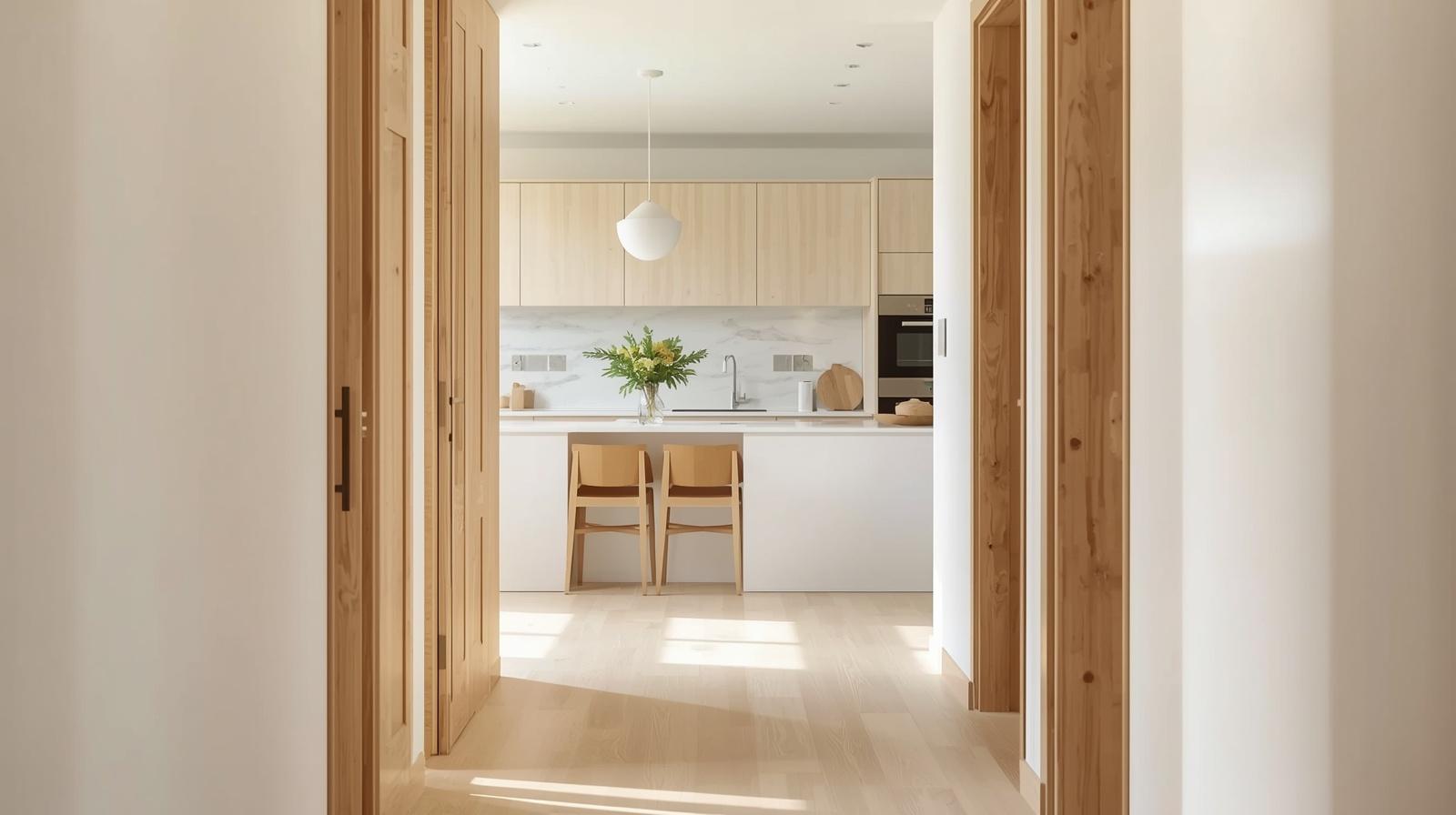
The key lies in the finish of the wood. You should avoid high-gloss lacquers which can look cheap next to soft beige tones. Instead, opt for matte or oiled finishes that highlight the natural beauty of the timber. A wooden bed frame or a set of floating oak shelves adds a structural element that prevents the room from feeling too soft. It provides a necessary weight that balances the lightness of the fabrics.
Number Four: Adding Visual Interest with Metallic Accents
While beige is an earthy tone, it benefits significantly from the addition of hardware and metallic finishes. Warm metals like unlacquered brass or antique gold bring out the yellow and brown notes in a beige room. These metals reflect light and act like jewelry for the space, providing a touch of glamour that prevents the room from feeling too rustic. You might consider brass wall sconces or gold drawer pulls to provide these small points of light.
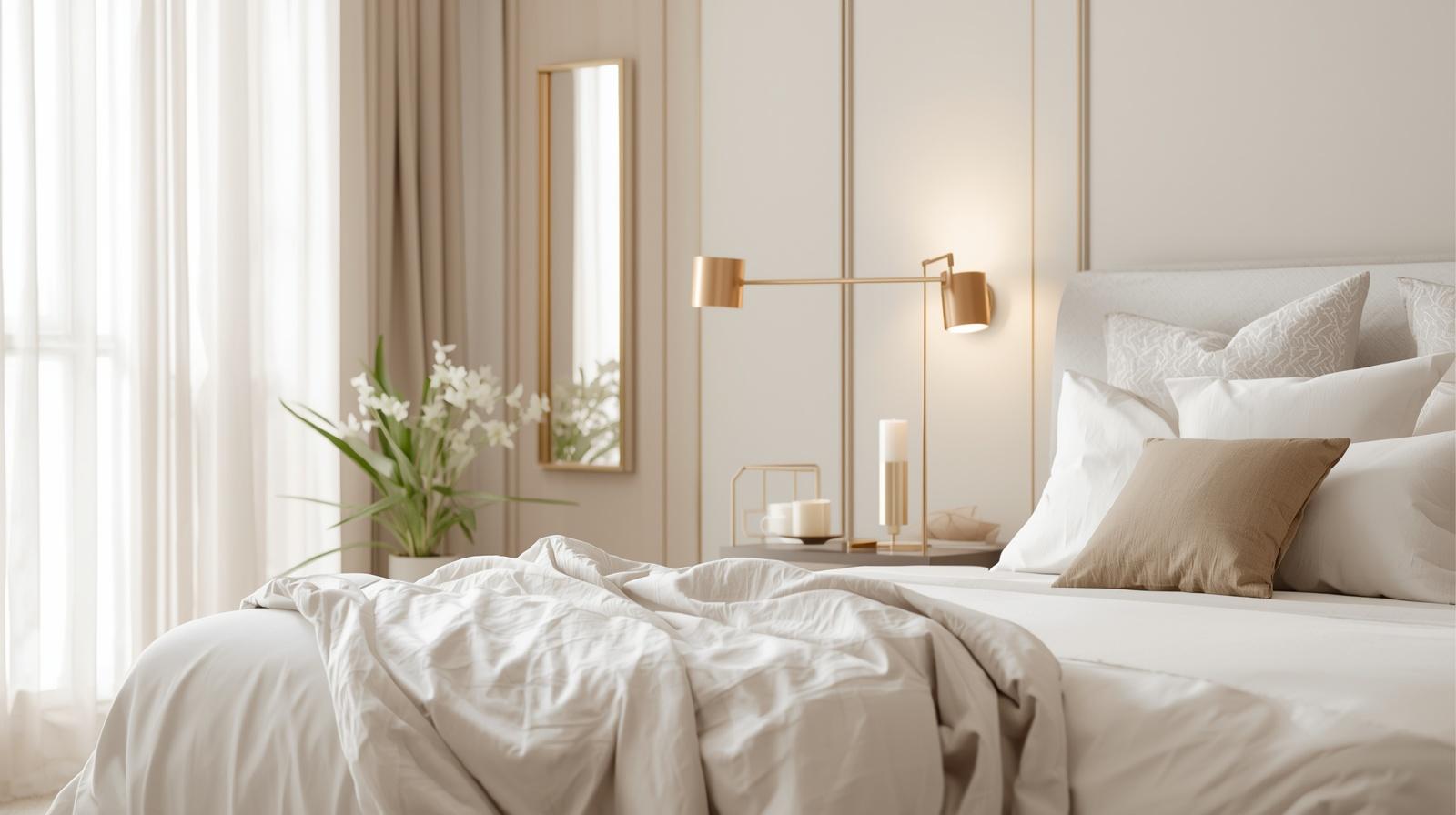
If you prefer a cooler aesthetic, brushed nickel or pewter can work well with greige tones. These metals offer a more contemporary feel and look particularly striking against a backdrop of sandy or stone-colored walls. The contrast between the cold metal and the warm fabric creates a sophisticated tension. Small details like a metallic picture frame or a lamp base can change the entire mood of the room without requiring a major renovation.
Number Five: Defining the Space with Darker Contrast
A common pitfall in neutral design is the lack of a visual anchor. Without something dark to draw the eye, the room can feel like it is floating or unfinished. You do not need much contrast to make an impact. A single black picture frame, a dark charcoal velvet pillow, or a deep bronze curtain rod can be enough to define the boundaries of the space. This small touch of darkness makes the beige tones look brighter and cleaner by comparison.
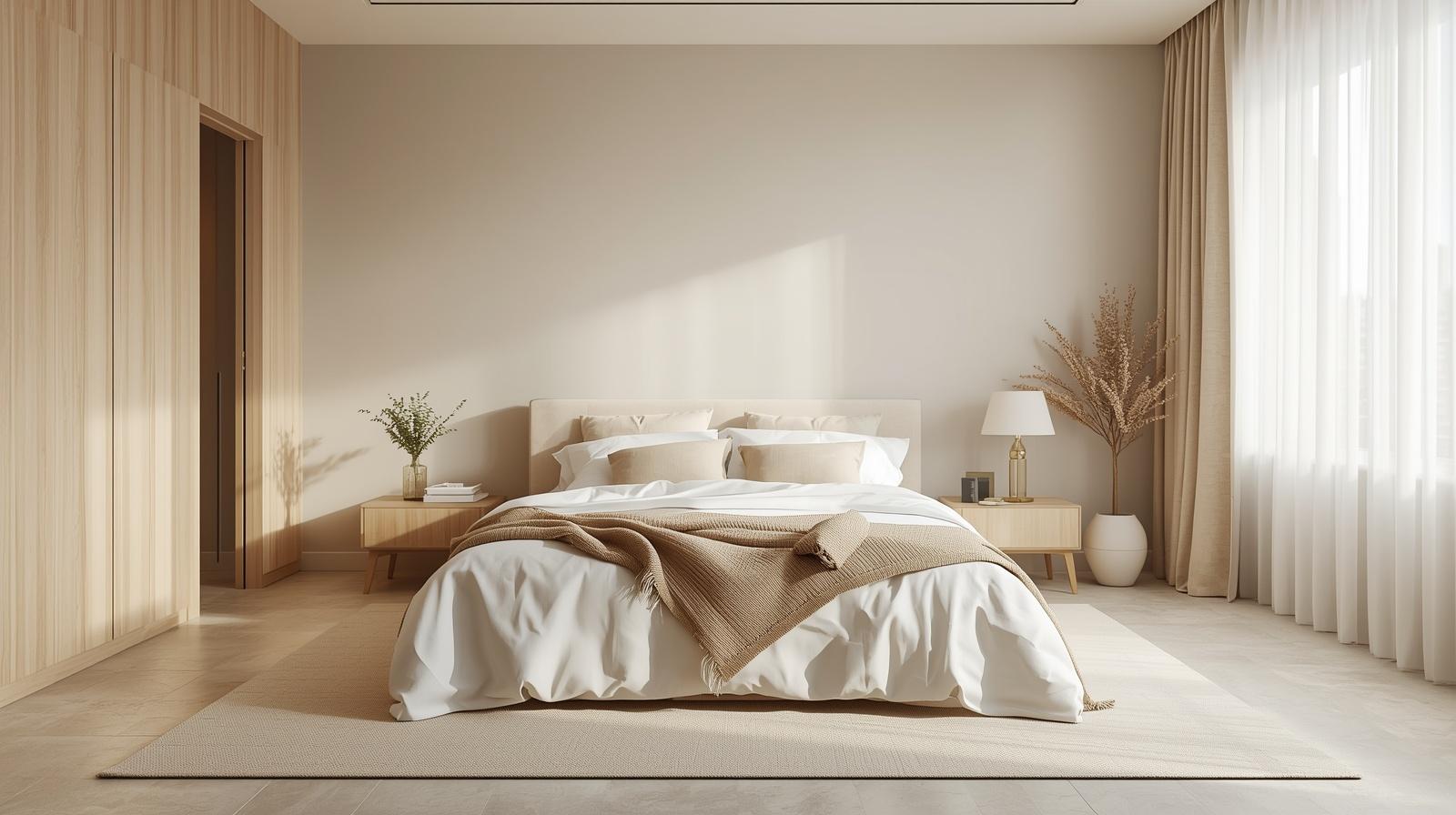
Consider the floor as a place for contrast. If you have very light beige walls, a darker wood floor or a chocolate-colored rug provides a solid base for the furniture. This prevents the “cloud effect” where everything blends together in an indistinct blur. By placing a dark walnut nightstand against a light oatmeal wall, you create a crisp silhouette that feels modern and sharp.
Number Six: Focusing on the Statement Headboard
In a bedroom where the color palette is restrained, the furniture shapes must be more interesting. A statement headboard acts as the focal point of the room and sets the stylistic tone. You might choose an extra-tall upholstered headboard in a deep taupe fabric to add a sense of luxury. Channel tufting or wingback designs add architectural interest to the wall without needing extra decor.
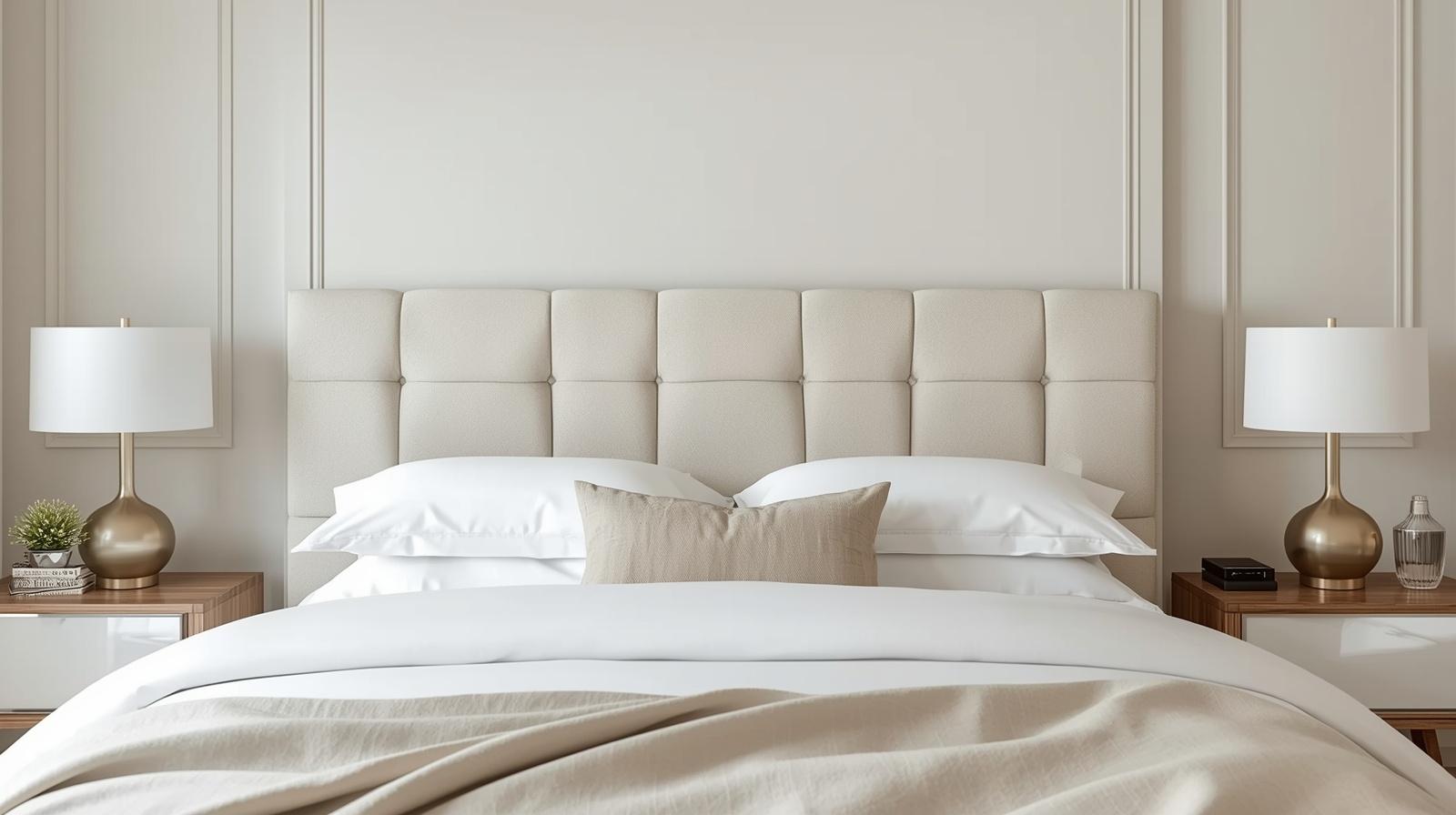
If you prefer a more minimalist look, a simple wooden slab headboard can provide a clean line that emphasizes the width of the room. The choice of fabric for an upholstered headboard is critical. A linen-look fabric with a visible weave will always look more expensive than a flat micro-fiber. This piece of furniture is often the largest surface area of color in the room, so it must be the right shade of beige to anchor the rest of your choices.
Number Seven: Layering Ambient Lighting
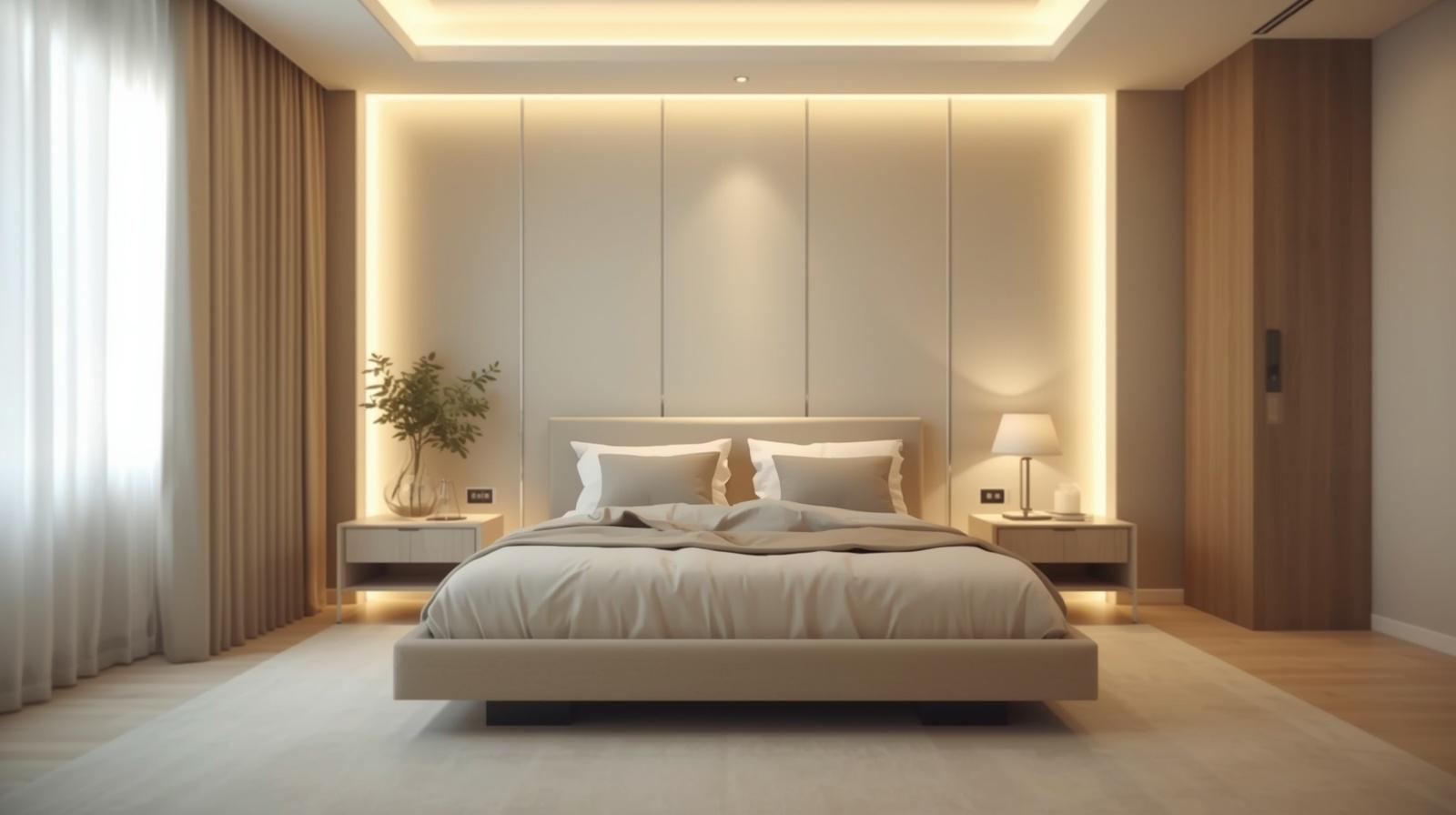
Lighting can make or break a beige bedroom. Because beige has many different undertones, the color of your lightbulbs will change how the room looks at night. Cool white bulbs can make beige look muddy or green, which is rarely the goal. You should use warm white bulbs with a color temperature around 2700K to enhance the natural warmth of the palette. This creates a glow that feels inviting and restful.
Utilizing Different Light Sources
To get the most out of your neutrals, you need light at different heights. Overhead lighting is often too harsh for a bedroom. Instead, rely on bedside lamps, floor lamps, and perhaps a small accent light on a dresser. This creates pockets of light and shadow that emphasize the textures you have worked so hard to include. It also allows you to control the mood as you transition from day to evening.
The Role of Natural Light
Natural light is the best way to showcase the subtle variations in a beige palette. Large windows that allow sunlight to wash over the walls will reveal the complexity of your chosen paint. If your room is small or lacks windows, you can use mirrors to bounce what little light you have around the space. This makes the beige feel luminous rather than dull.
Number Eight: Mixing in Earthy Sub-tones
Beige does not have to exist in a vacuum. It plays beautifully with other colors found in nature. You can introduce soft sage greens, muted terracotta, or dusty blues to add a hint of variety without breaking the neutral theme. These colors should be used in small doses, perhaps in a piece of art or a decorative vase. They act as a bridge between the beige and the outside world.
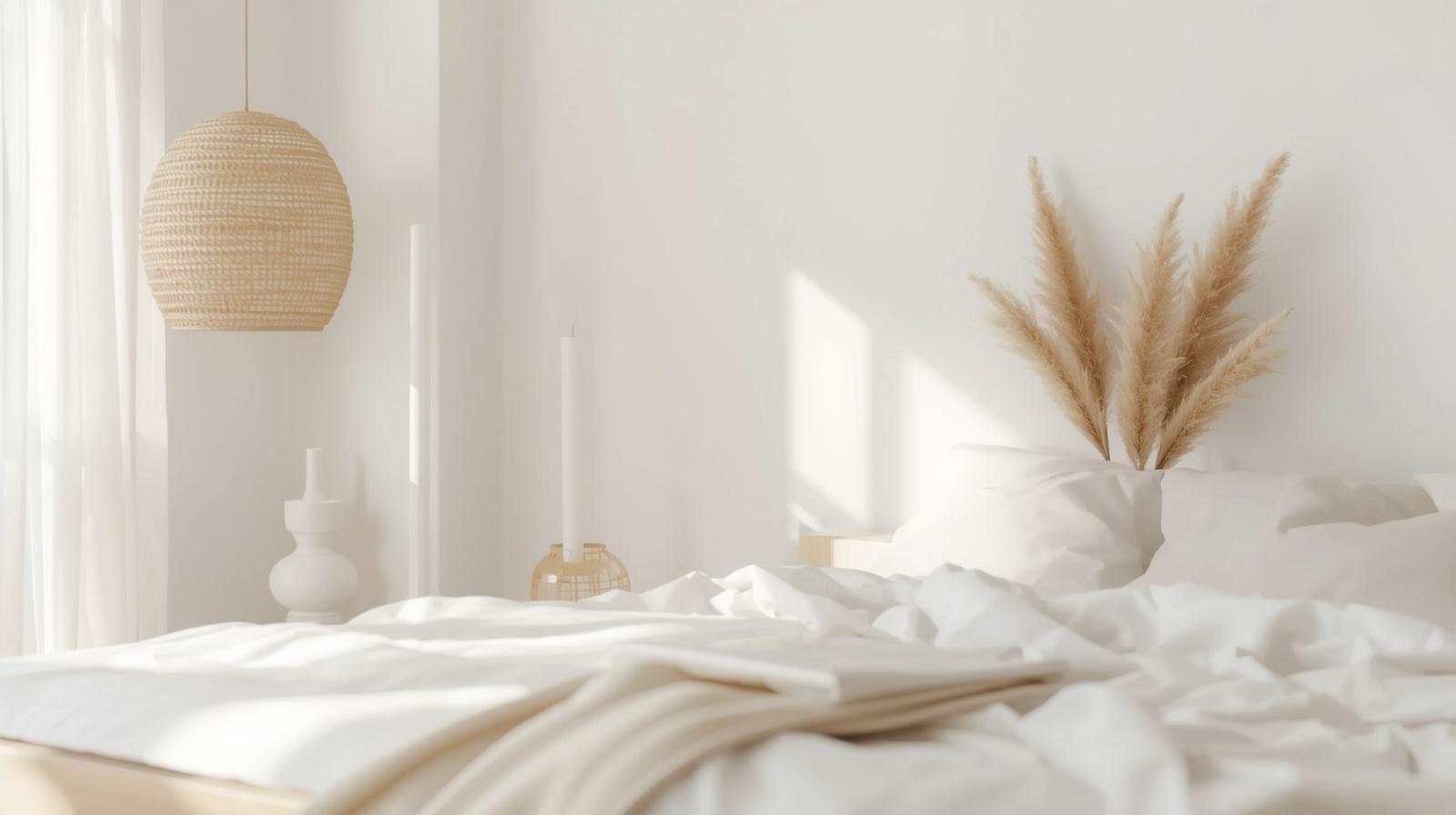
In a recent coastal renovation, we used a sandy beige as the primary wall color but added soft sea-glass green pillows. This kept the room feeling neutral but gave it a specific sense of place. The green pulled out the cooler undertones in the beige paint and made the space feel fresh. You should always look at your beige swatches next to these accent colors to ensure they don’t clash or turn a strange hue under your specific lighting.
Number Nine: Utilizing Architectural Trim and Molding
If your walls are a single shade of beige, adding architectural details can prevent them from looking like flat cardboard. Picture frame molding, shiplap, or a simple chair rail adds shadows and lines to the room. When the light hits the raised edges of the molding, it creates a variation in the paint color naturally. This is a classic trick used in high-end hotels to make a simple room feel grand.
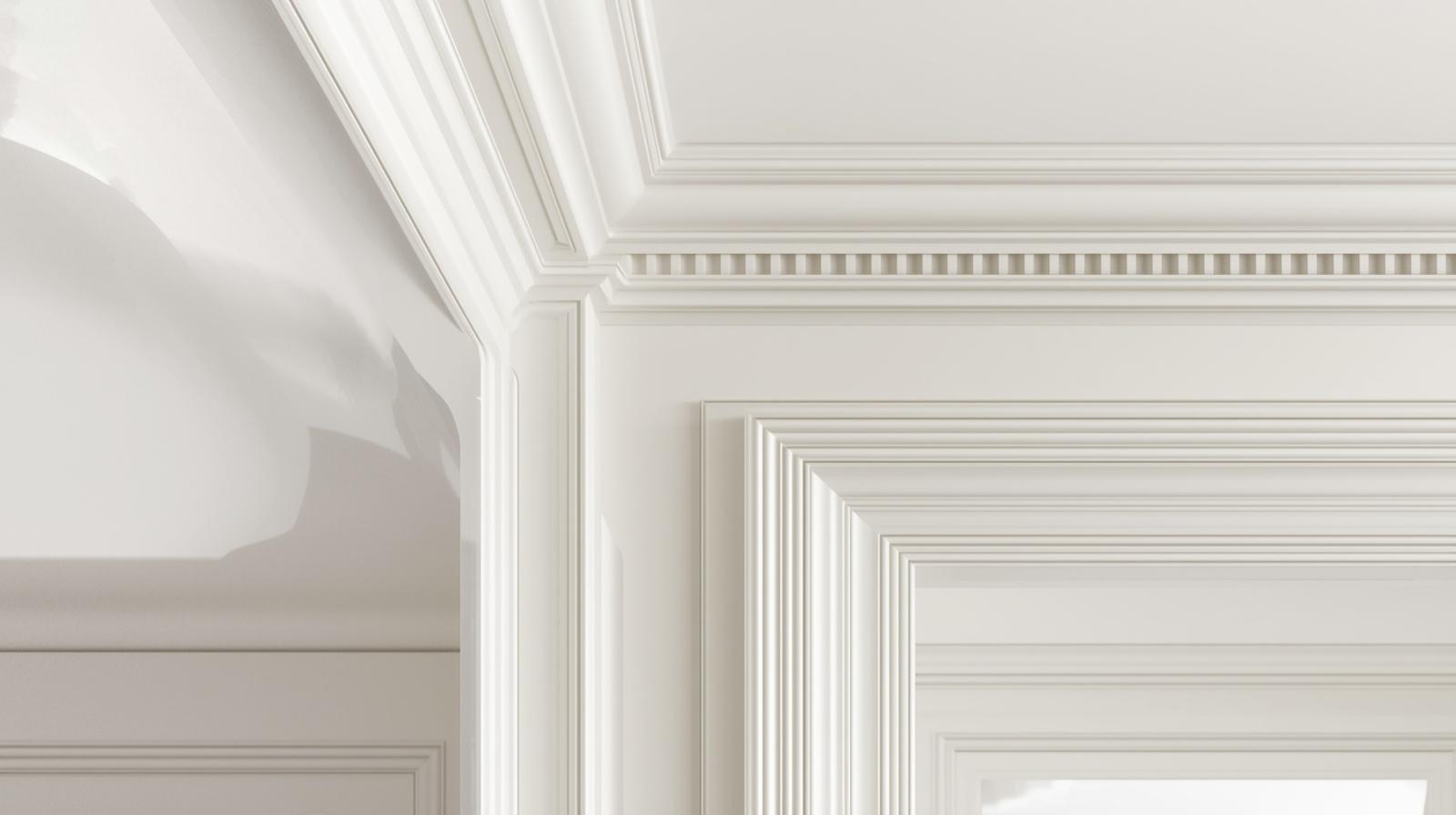
You can paint the molding the same color as the wall for a modern, textured look. This is known as “color drenching” and it is very popular in contemporary design. It allows the shadows to do the work of creating contrast rather than a different paint color. If you want a more traditional feel, paint the trim a slightly lighter or darker shade of beige than the wall. This subtle shift provides a clean, tailored finish that looks professional.
Number Ten: Enhancing Verticality with Heavy Drapes
Window treatments are a vital component of a beige bedroom. They offer a chance to bring in a large amount of fabric, which softens the hard lines of the windows and walls. You should hang your curtain rods as high as possible, ideally near the ceiling, to draw the eye upward. This makes the room feel taller and more majestic. For a beige room, choose drapes that are one shade darker than your walls to create a frame around the window.
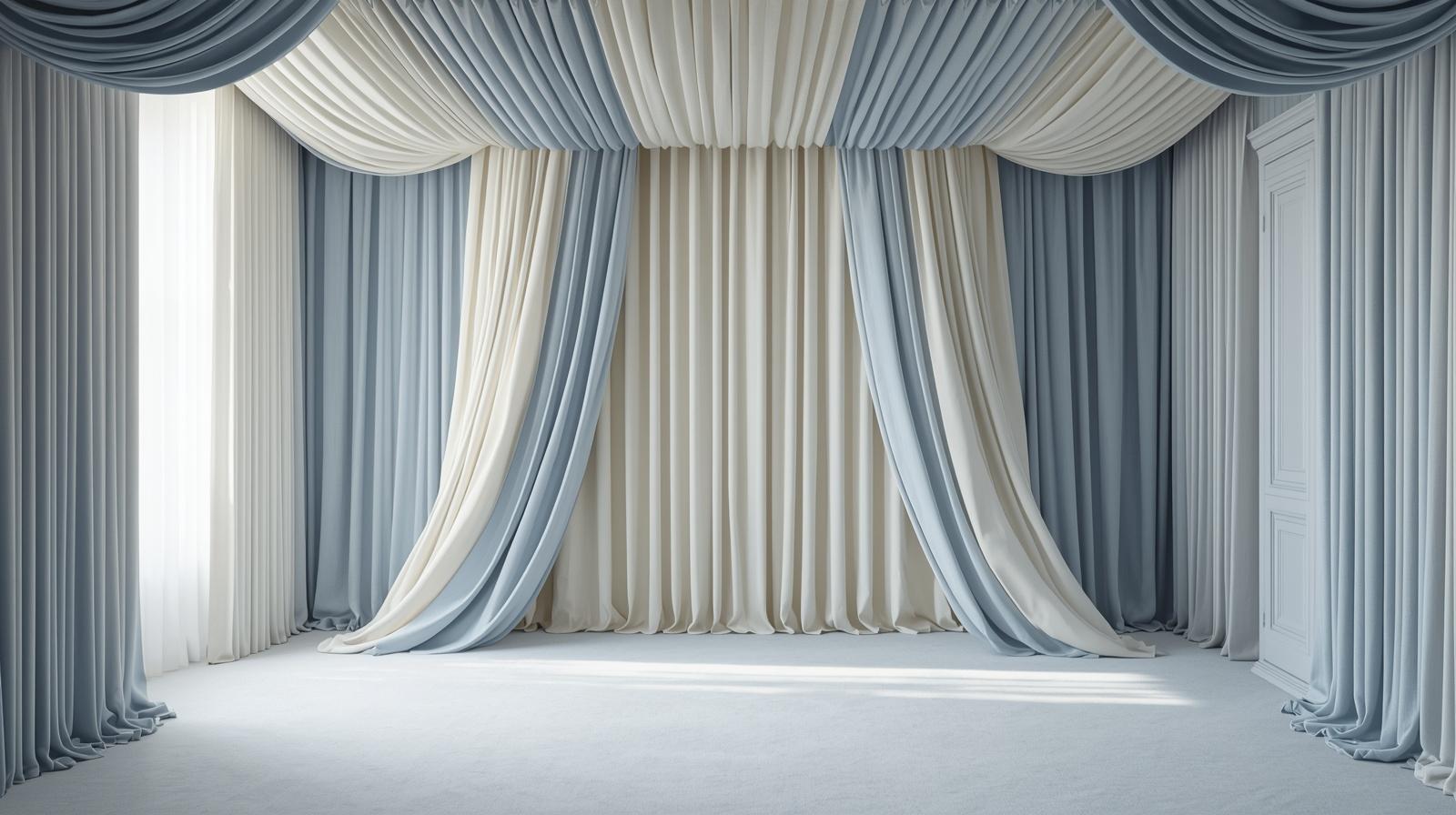
The weight of the fabric matters as much as the color. Sheer linen curtains are great for a breezy, coastal feel, but they don’t offer much privacy or light blocking. Velvet or heavy cotton drapes in a warm stone color provide a sense of security and sound dampening. This makes the bedroom feel like a secluded pod, away from the noise of the rest of the house. The way the fabric folds and drapes adds another layer of soft texture to the overall design.
Number Eleven: Embracing the Quiet Luxury Aesthetic
The concept of quiet luxury is perfectly suited for a beige bedroom. This style focuses on high-quality materials and craftsmanship rather than flashy logos or bright colors. In a bedroom, this means investing in high-thread-count cotton sheets, a solid wood bed frame, and high-quality wool rugs. When the items in the room are well-made, the beige color palette allows that quality to shine through.
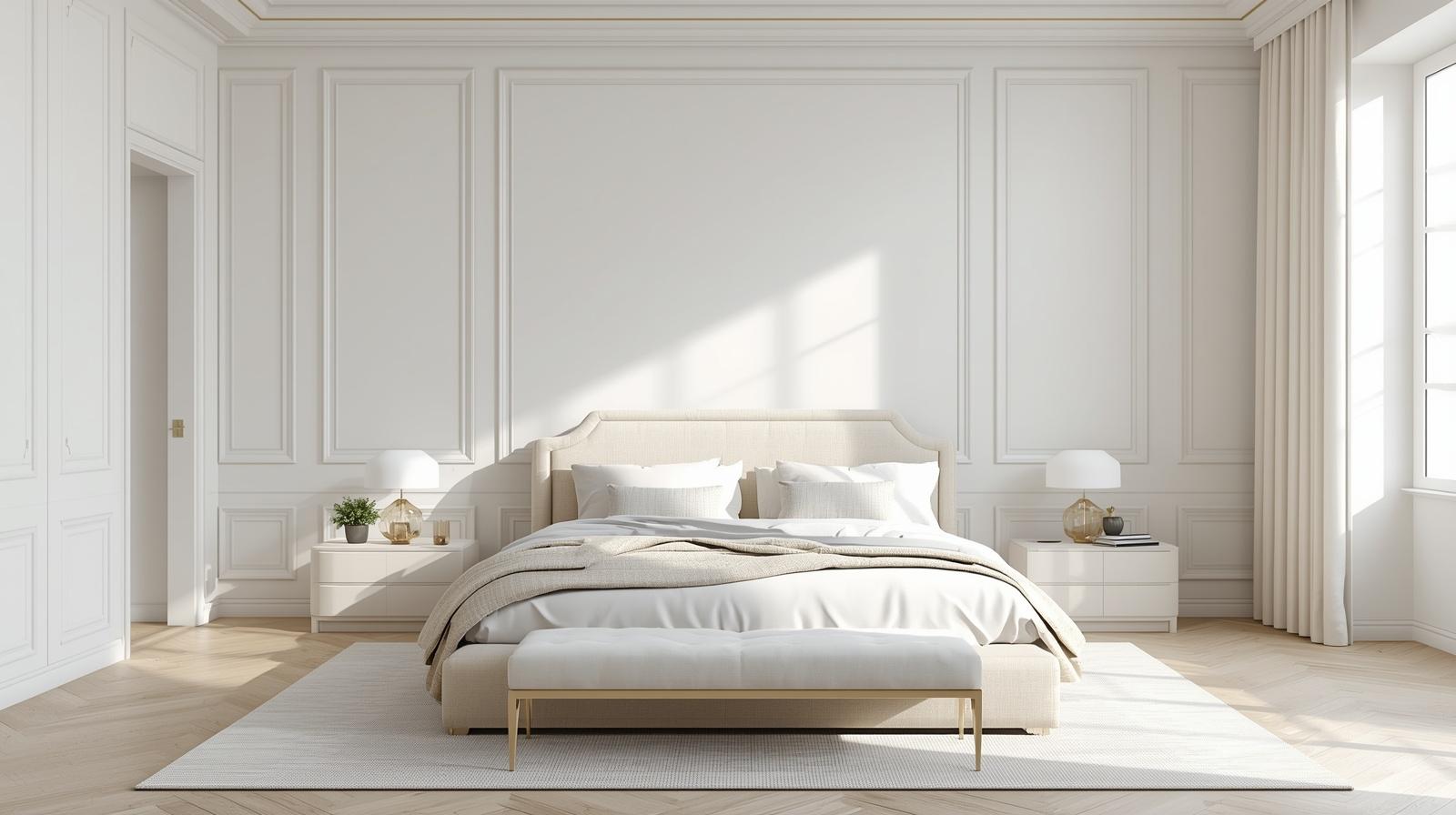
You should remove any unnecessary clutter to let the few chosen pieces breathe. A clean, organized space feels much more luxurious than one filled with cheap trinkets. In a quiet luxury bedroom, every item has a purpose and a place. The beige walls act as a gallery backdrop for your life, making the room feel calm and orderly. This minimalist approach reduces stress and helps you focus on rest.
Number Twelve: Transitioning Through Seasonal Textures
One of the great advantages of a beige base is how easily it adapts to different times of year. In the summer, you can lean into the lighter side of the palette. You might use crisp white linens and light jute accents to keep the room feeling cool. The beige walls will reflect the bright summer sun and make the room feel like a tropical getaway. It is a flexible foundation that moves with your needs.
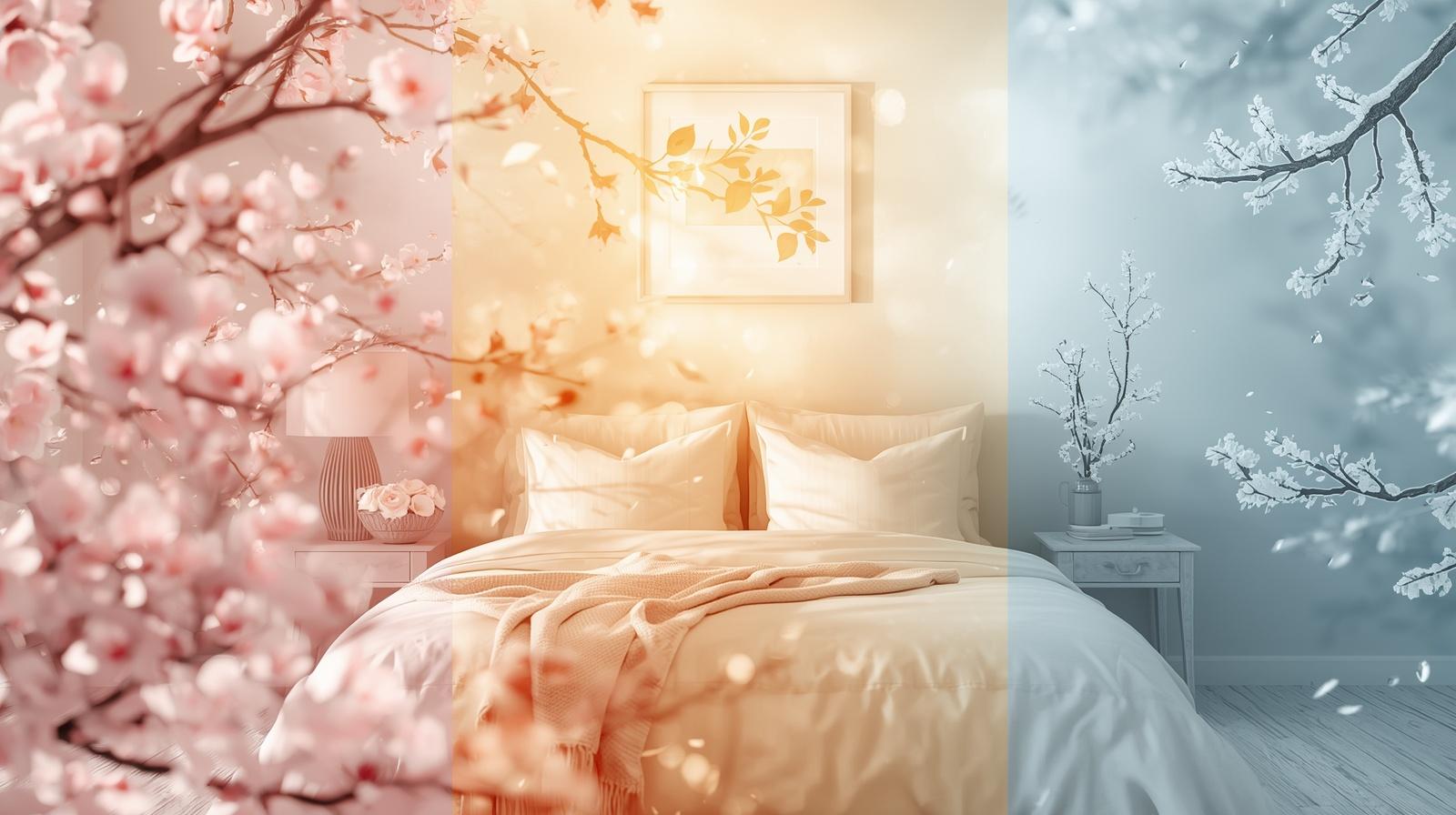
When winter arrives, you do not need to repaint. You can simply add heavier layers in darker neutral tones. A faux fur throw in a deep mocha or a heavy knit blanket in a charcoal beige can completely change the temperature of the room. These seasonal swaps are inexpensive and keep the room feeling fresh throughout the year. Beige acts as a canvas that supports any seasonal change you wish to make.
Wrap Up:
Mastering a beige bedroom is about understanding the relationship between light, texture, and tone. By avoiding a flat, one-dimensional look and embracing variety, you create a space that feels both sophisticated and cozy. Use these twelve ideas as a starting point to build a sanctuary that reflects your personal style while remaining timelessly elegant. A well-designed neutral room is never boring; it is a masterclass in subtle, high-end living.
FAQs Section:
Is a beige bedroom still in style for 2026?
Yes, beige remains a foundational color in interior design because it offers a calming environment that easily adapts to changing trends. The modern version of this style focuses on warm, earthy tones like oatmeal and sand rather than the cooler, yellow-based beiges of the past.
How do I prevent my beige room from looking washed out?
The key to avoiding a washed-out look is to introduce contrast and varied textures. Adding a few dark accents, such as black metal lamps or dark wood furniture, provides the visual weight needed to make the lighter beige tones pop.
What accent colors look best with a beige palette?
Natural, muted colors work best with beige, such as sage green, terracotta, or soft slate blue. These hues complement the organic nature of beige without overwhelming the peaceful atmosphere of a neutral bedroom.
Disclaimer:
The content shared by Fall Rugs is solely for research and informational purposes. Fall Rugs is not a professional interior design or home renovation consultancy, and the information provided should not be considered professional advice for home improvement or decor. All ideas and suggestions are based on current trends and general knowledge in the home decor industry.