
TL;DR
A yellow beetle with black spots usually belongs to one of two categories. The spotted cucumber beetle actively destroys crops like squash and melons while spreading bacterial wilt. The 22-spot ladybird acts as a beneficial insect that consumes powdery mildew on plant leaves.
Introduction
Seeing a bright yellow bug crawling across your prize zucchini leaves often triggers instant panic. Gardeners immediately wonder if this visitor will eat their crops or help control other pests. Accurate identification dictates your next move in the garden. Distinguishing a beneficial fungus eater from a voracious crop destroyer saves your harvest and prevents unnecessary pesticide use.
The Spotted Cucumber Beetle Profile
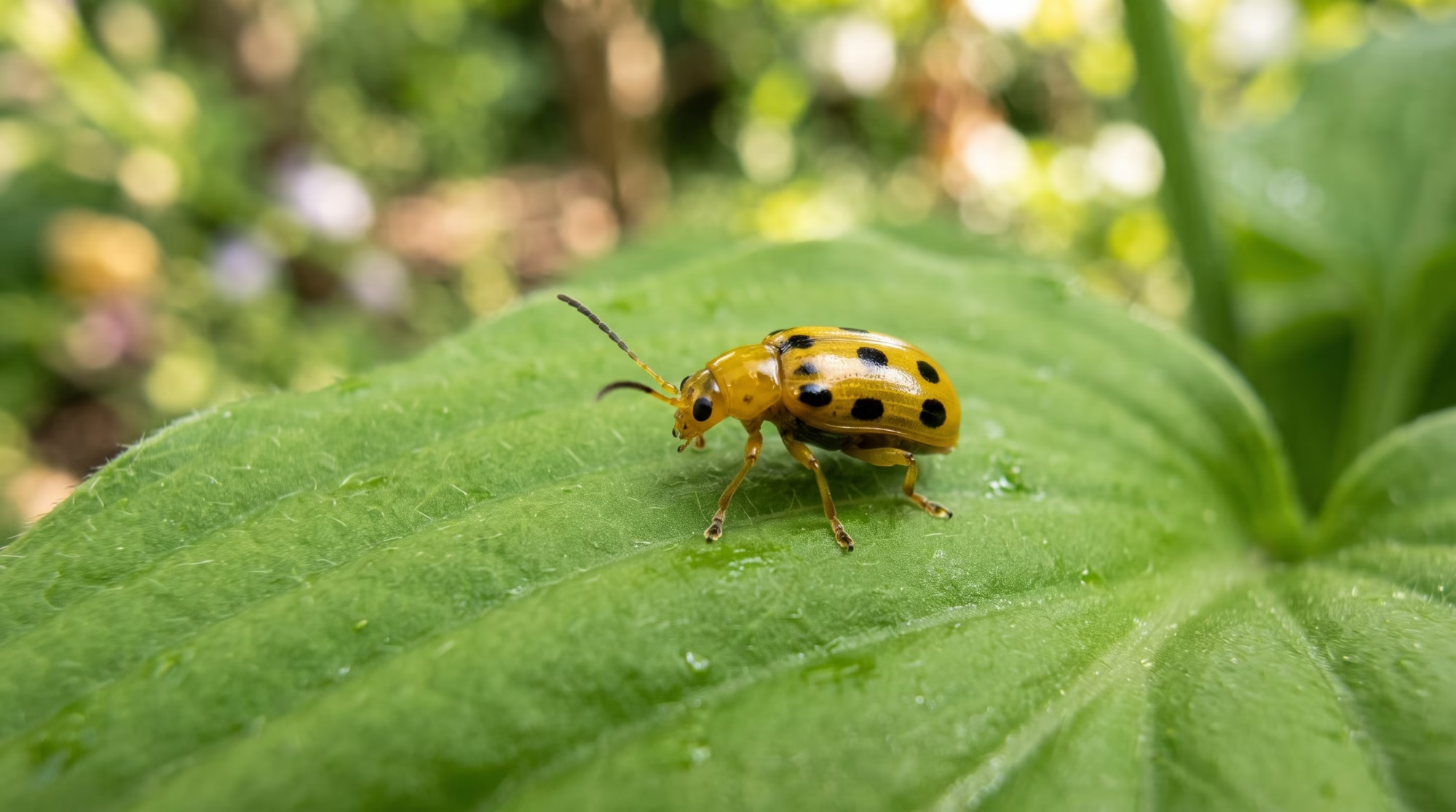
This insect acts as a primary antagonist for vegetable growers across North America. Known scientifically as Diabrotica undecimpunctata, the spotted cucumber beetle features a bright greenish-yellow body. The wings display exactly twelve black spots. These pests measure about one-quarter of an inch long. They target a specific menu of cucurbit crops and cause severe agricultural damage annually.
The physical chewing damage barely matters compared to the lethal disease transmission. Adult beetles chew irregular holes in plant foliage and scar the rinds of developing fruit. Larvae attack the root systems of corn and beans beneath the soil. Worse, they transmit Erwinia tracheiphila. This pathogen causes deadly bacterial wilt in healthy plants.
- Cucumbers, cantaloupes, and winter squash face the highest feeding pressure.
- Adult beetles carry wilt bacteria in their digestive tracts through the winter.
- Infected plants collapse rapidly as the bacteria clogs their vascular tissues.
- Larval feeding on roots stunts the growth of young corn seedlings.
A commercial farmer in Ohio might notice a few spotted beetles on their pumpkin vines in late June. Two weeks later, the entire patch collapses from bacterial wilt. The initial beetles carried the pathogen in their gut tract and infected the plants while feeding. Early detection remains the only viable defense against this specific crop loss.
The 22-Spot Ladybird Profile
The 22-spot ladybird presents a striking bright yellow coloration adorned with numerous small black spots. Native to Europe and frequently found in gardens across the United Kingdom, this specific ladybird differs drastically from its plant-eating lookalikes. The adult beetle measures a tiny three to five millimeters in length. They maintain a distinctively round, dome-like shape characteristic of the Coccinellidae family.
Unlike pest beetles, these insects exclusively consume powdery mildew fungi. Gardeners often find them stationed on infected rose bushes, honeysuckle, or zucchini leaves. They never eat plant tissue or damage agricultural crops. Their feeding habits make them highly beneficial to organic gardeners fighting fungal diseases. They actively clean the leaves of host plants throughout the summer growing season.
- These ladybirds graze gently on the white fungal fuzz covering infected leaves.
- The bright yellow coloring serves as a natural warning system to potential predators.
- Both the adults and the larvae consume mildew spores continuously.
- They thrive in damp, humid microclimates where fungal diseases spread rapidly.
An organic gardener noticing these tiny yellow ladybirds on mildew-covered squash leaves should leave them completely alone. They function as natural cleaning agents for the garden. Spraying a broad-spectrum insecticide like Monterey Garden Insect Spray kills these beneficial helpers instantly. The chemical application leaves the underlying fungal infection untreated and removes your natural biological control.
Visual Identification and Anatomical Differences
Differentiating between a plant eater and a fungus eater requires a close look at physical traits. The cucumber beetle features a slightly elongated, oval body with long, prominent antennae. They move quickly and often drop to the ground when disturbed. The 22-spot ladybird moves slowly and deliberately across the leaf surface.
Counting the spots provides the most accurate field identification method. Cucumber beetles have exactly twelve spots arranged in precise rows across their wing covers. The beneficial ladybird displays up to twenty-two spots scattered across a much rounder body. You must also check the head color. Cucumber beetles possess a solid black head and dark legs.
- Ladybirds feature very short, clubbed antennae that sit close to their heads.
- Cucumber beetles have long, thread-like antennae that extend forward visibly.
- Pest beetles create visible physical holes in the plant tissue while feeding.
- Beneficial ladybirds leave the leaf tissue completely intact while grazing on fungus.
A landscape professional inspecting a client’s vegetable bed in California looks for leaf damage first. Finding physical holes alongside the yellow bugs points heavily toward the cucumber beetle. Spotting white powdery patches with zero chewing damage indicates a healthy population of beneficial ladybirds. Accurate field identification prevents destructive chemical applications on helpful insect populations.
Defensive Strategies and Organic Management
Confirming the presence of destructive cucumber beetles requires immediate intervention to protect vulnerable crops. Growers must implement defensive strategies before the beetles reproduce or spread wilt pathogens. Physical barriers provide the most reliable protection for young plants. You must block the insects from physically reaching the leaf surface during the early stages of plant growth.
Applying Kaolin clay products masks the host plant and deters feeding behaviors. The white clay film confuses the beetles, causing them to fly right past the targeted field. Growers also set up yellow sticky traps manufactured by brands like Catchmaster to monitor adult population levels. These traps give farmers early warning signs of a beetle migration.
- Install floating row covers over squash seedlings immediately after planting in the soil.
- Remove row covers only when female flowers open to allow for bee pollination.
- Spray organic formulations containing Pyrethrin exclusively as a targeted knockdown method.
- Apply Neem oil early in the morning to disrupt the feeding cycles of adult pests.
I lost an entire crop of market-ready cantaloupes because I waited too long to address a minor beetle infestation. The beetles scarred the fruit rinds deeply, rendering them completely unsellable at the local farmer’s market. Now, I apply Surround WP to all transplants the exact day they go into the soil.
Seasonal Cycles and Environmental Factors
Weather patterns directly influence the arrival and severity of these insects in any given season. Both beneficial ladybirds and pest beetles seek shelter during cold winter months. Cucumber beetles typically overwinter as adults in dense woods or under thick crop debris. They emerge aggressively when spring temperatures consistently reach fifty degrees Fahrenheit.
Mild winters often lead to heavy cucumber beetle populations the following spring. Wet, humid summers create ideal conditions for powdery mildew outbreaks, attracting large numbers of the 22-spot ladybird. Managing the environment around your garden beds disrupts the life cycles of the destructive species. Clearing field margins removes the safe winter hiding spots for adult beetles.
- The University of California Statewide Integrated Pest Management Program tracks beetle emergence times.
- Cucumber beetles produce two to three generations per year in warmer southern climates.
- Rapid reproduction means a small spring population explodes into a severe summer infestation.
- Deep autumn tilling exposes overwintering adult beetles to freezing winter temperatures.
A vineyard manager in Oregon uses the winter season to clean up all leaf litter around the grapevines. Removing this debris eliminates the exact microhabitat cucumber beetles need to survive the freezing months. Taking action in December drastically reduces the pest pressure the following June. Strategic cleanup outpaces chemical controls in long-term effectiveness.
Companion Planting and Habitat Disruption
Companion planting offers a passive defense mechanism against leaf-chewing pests. Strategic plant placement disrupts the chemical signals beetles use to locate their preferred host plants. Many organic farmers utilize a trap cropping system to protect their primary cash crops. You sacrifice a highly attractive perimeter plant to keep the main harvest completely safe from insect damage.
Planting Blue Hubbard squash acts as a powerful magnet crop to draw beetles away from cucumbers. The beetles swarm the perimeter plants and ignore the valuable cash crop hidden inside. Interplanting specific root vegetables also deters larval feeding beneath the soil surface. Cultivating flowering herbs attracts natural predators that feed on the adult pest beetles.
Implementing Trap Cropping Tactics
- Interplanting radishes among squash vines deters root-feeding larvae in the topsoil.
- Cultivating dill and sweet alyssum attracts tachinid flies to the garden beds.
- Tachinid flies lay their eggs directly inside the bodies of adult cucumber beetles.
- Allowing a small perimeter section to grow wild supports beneficial predatory wasps.
A commercial grower in New York plants a thick border of Blue Hubbard squash around their main crop of butternut squash. The beetles congregate entirely on the border plants. The farmer treats only the perimeter with a targeted insecticide, saving significant money while keeping the primary butternut harvest completely chemical-free.
Wrap Up
Identifying a yellow beetle with black spots requires careful observation of its physical shape and the specific damage on your plants. Spotting twelve spots on an elongated body signals an immediate need for crop protection. Finding a round beetle with twenty-two spots means you have a natural ally fighting fungal diseases in your garden. Knowing the difference empowers you to manage your landscape efficiently and responsibly.
FAQs Section
Do yellow ladybugs bite humans?
Yellow ladybugs possess tiny mandibles for chewing fungus, but they do not bite humans or pets. They are harmless to handle and pose no danger to your household.
How do I keep cucumber beetles away from my plants naturally?
Install floating row covers over your young crops to physically block the beetles from landing on the leaves. You can also spray Kaolin clay on the foliage to mask the plant and deter feeding behaviors.
Can a yellow beetle with black spots damage my house?
Neither the cucumber beetle nor the 22-spot ladybird causes structural damage to homes or wood materials. If they wander indoors during the fall, gently sweep them back outside.