
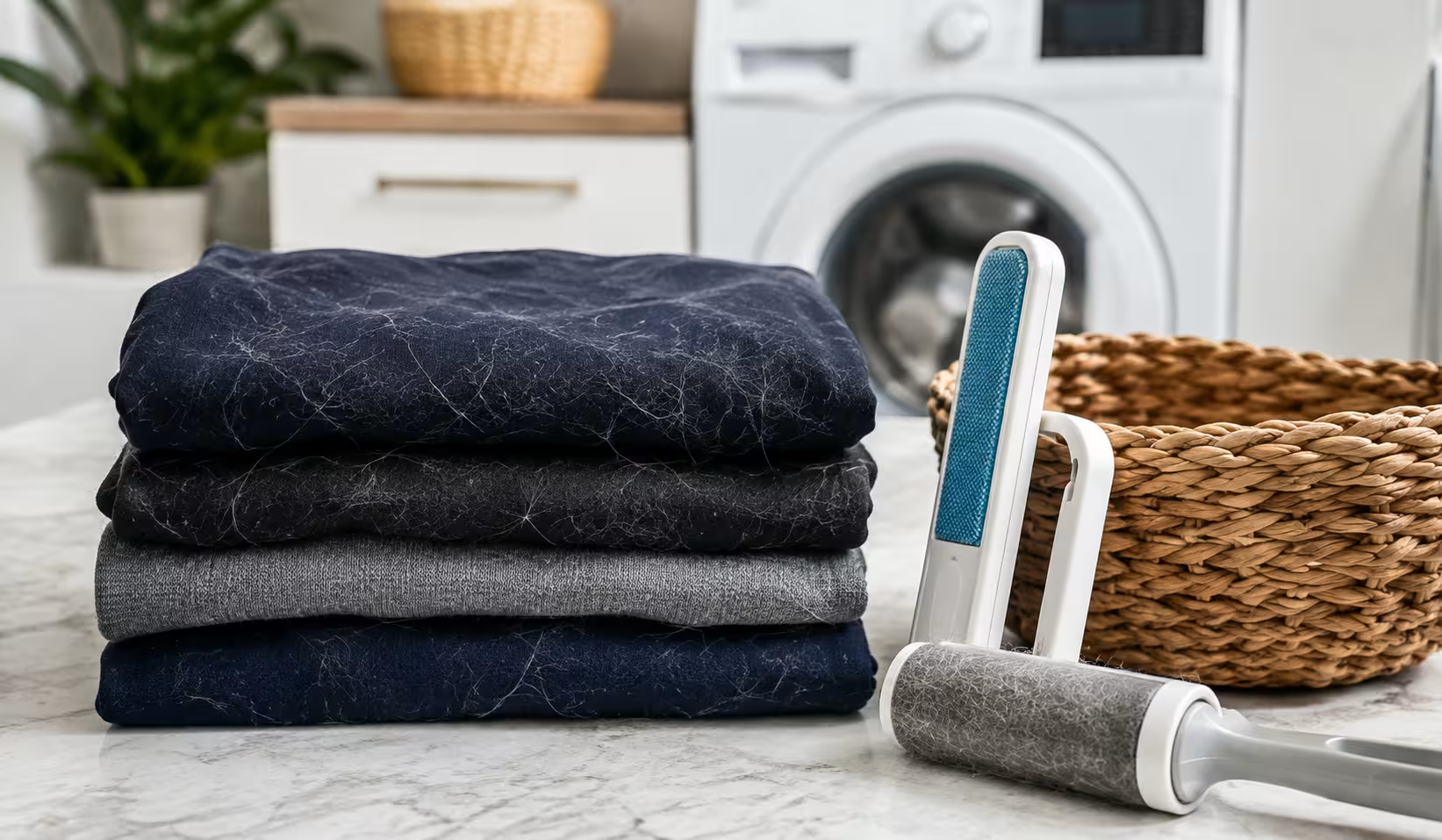
TL;DR
Removing dog hair from clothing requires breaking the static electrical charge and relaxing the tight fabric fibers. Pre-treating pet covered garments in a dry tumble cycle extracts the bulk of the debris before washing. Combining targeted manual extraction tools with proper laundry additives ensures your wardrobe remains completely fur free.
Introduction
Do you constantly leave the house wearing a thick layer of pet dander on your favorite outfit? Fighting canine shedding often feels like an unwinnable battle against static cling and tightly woven fabrics. This guide breaks down the exact mechanical steps required to extract stubborn undercoat strands from any textile material. You will learn the physics behind fabric adhesion, the best laundry appliance tricks, and the daily habits that keep your closet clean.
Why Dog Hair Clings to Certain Wardrobe Fabrics
Static electricity operates like an invisible magnet for loose canine undercoats. Dogs generate constant friction walking across carpets and upholstery throughout the day. This movement creates a negative electrical charge directly in their fur. When they rub against your clothing, those charged strands leap onto the fabric and hold on tight. Dry winter air amplifies this reaction by reducing ambient moisture levels across the entire home.
Fabric weave density directly influences how deeply individual hairs embed into your daily outfits. Loose knits and textured materials provide thousands of tiny anchor points for shed fur. A barbed dog hair works straight into the spaces between heavy cotton threads. Once that physical penetration occurs, a simple physical shake cannot dislodge the trapped debris from the garment.
Identifying High Risk and Low Risk Clothing Materials
Textured winter apparel acts like a physical sponge for loose fur. Fleece jackets and velvet trousers trap shedding instantly due to their raised surface nap. Corduroy pants present deep ridges that catch and hold individual hairs securely. Smooth performance fabrics and tight weaves repel debris naturally. Pure silk and high thread count linen allow strands to slide right off the smooth exterior surface.
- Polyester blends attract fur instantly through high static electrical generation.
- Fleece jackets trap hairs deep within their raised synthetic nap fibers.
- Tightly woven denim blocks physical penetration by sharp outer guard hairs.
- Nylon windbreakers allow loose dander to slide off without sticking at all.
Consider the common mistake of wearing black velvet trousers around a Golden Retriever. One quick lean against your leg embeds hundreds of blonde hairs deep into the fabric nap. Brushing the velvet only drives the strands further into the delicate material. The correct response involves breaking the static charge first rather than relying on pure physical pulling force.
The Dry Cycle Method for Heavy Shedders
Tossing pet covered garments straight into a washing machine creates massive household plumbing problems. Water clumps loose fur together into heavy balls that stick stubbornly to the wet fabric. These dense wet clumps refuse to wash down the drain line properly. They simply circulate through the wash cycle and redistribute themselves evenly across your entire load of laundry.
A ten minute tumble in a dry appliance works absolute wonders for hair removal. The constant tumbling motion physically knocks loose strands away from the textile surface. High velocity airflow then pulls those detached hairs straight into the internal lint trap. This dry extraction technique removes the vast majority of debris before water ever touches the cotton or polyester threads.
Enhancing the Tumble Sequence with Laundry Additions
Wool dryer balls bounce aggressively against textiles to dislodge stubbornly embedded debris. These dense spheres pound the fabric repeatedly as the metal drum rotates. The physical impact forces barbed guard hairs to release their grip on the clothing threads. Using three to four extra large wool balls provides the necessary agitation for heavy winter coats and thick household blankets.
- Place completely dry clothes into the drum before starting any wet wash cycle.
- Select the air fluff or no heat setting to protect fragile clothing fabrics.
- Run the appliance for exactly ten minutes to extract loose surface debris.
- Add heavy wool dryer balls to increase physical agitation against the garments.
A homeowner in Chicago learned this lesson the hard way during spring shedding season. They tossed a fleece jacket loaded with Husky undercoat directly into their LG front load washer. The resulting wet fur mat bypassed the primary filter and jammed the drain pump completely. Running the jacket through a cold air dry cycle first would have trapped that exact same fur harmlessly.
Manual Extraction Tools for Quick Wardrobe Fixes
Traditional adhesive paper rolls struggle against serious canine shedding volume on thick fabrics. The sticky surface loses its tackiness after just two or three passes across a heavily coated garment. You end up peeling away a dozen paper layers just to clean a single pair of work pants. This creates unnecessary household waste and costs a significant amount of money over a typical calendar year.
Reusable micro bristle tools capture fine hairs without relying on wasteful disposable elements. The ChomChom Roller utilizes directional fabric to grab and trap debris inside a hidden collection chamber. Short back and forth strokes generate a static charge that pulls fur directly out of the clothing weave. You simply open the trap door and dump the collected dander straight into the kitchen trash bin.
Comparing Popular Cleanup Devices and Household Hacks
Ordinary household cleaning supplies often outperform expensive specialty pet gadgets for rapid spot treatments. Thick rubber dishwashing gloves create massive friction when dragged across upholstered surfaces or thick winter coats. The rubber material grips the fine undercoat strands and rolls them into thick physical logs. You can then pick up these concentrated hair logs with your bare hands and throw them away immediately.
- Standard adhesive tape rolls require constant manual peeling to remain functional on thick fur.
- Directional velvet brushes trap loose debris securely inside internal plastic collection chambers.
- Damp kitchen sponges roll fine undercoat hairs into manageable physical clumps easily.
- Thick rubber cleaning gloves utilize surface friction to dislodge deep stubborn strands quickly.
An executive rushing to a morning meeting noticed white dog hair covering her navy blue blazer. She grabbed a fresh sponge from the office breakroom kitchen sink. After ringing out the excess water, she wiped the damp sponge downward across the blazer lapels. The moisture neutralized the static cling and grouped the white hairs into neat little rows for easy disposal.
Washing Machine and Liquid Fabric Softener Tactics
Standard laundry detergent alone lacks the chemical properties needed to release deeply embedded pet dander. Soapy water cleans dirt and body oils but does nothing to relax the actual clothing fibers. The fabric weave remains incredibly tight during the wash cycle and locks the barbed hairs firmly in place. You need specific chemical additives to force the textiles to release their physical grip on the fur.
Liquid fabric softener coats textile fibers to reduce surface friction dramatically inside the drum. Products like Downy create a slick microscopic layer over the cotton and polyester threads. This slick coating prevents dog fur from clinging to the material as the dirty water drains away. The loose hairs slide right off the softened garments and flush out through the washing machine discharge hose securely.
Protecting Your Appliance Drain Pumps
Reusable silicone laundry accessories trap floating debris before it ever reaches the main drain line. The FurZapper drops directly into the wash drum alongside the dirty clothes. The tacky silicone star floats through the water and grabs loose hair like a powerful magnet. You pull the star out after the wash cycle completes and rinse the accumulated fur off in the utility sink.
- Standard powder detergents fail to relax tight textile weaves during the normal wash cycle.
- Liquid softeners coat threads with a slick layer to release embedded fine fur rapidly.
- Distilled white vinegar provides a natural softening effect without relying on harsh artificial chemicals.
- Silicone laundry catchers grab floating debris inside the wash drum directly during heavy agitation.
A family with two shedding Labrador Retrievers experienced constant washing machine drainage failures. Their Maytag appliance flashed a pump error code every single month. They started adding a half cup of white vinegar to the fabric softener dispenser for every load of pet laundry. The vinegar relaxed the clothing fibers enough to release the fur while keeping the internal drain hoses completely clear and slick.
Source Control Through Strategic Canine Grooming
The most reliable wardrobe protection begins long before your dog brushes against your pant leg. Capturing loose hair at the source keeps it out of the household environment entirely. A proactive grooming routine reduces the ambient fur volume floating through the indoor air. Less floating dander means fewer sharp hairs landing on your freshly washed clothes as you walk through the hallway.
Seasonal coat blowing requires intensive daily intervention to keep indoor living spaces manageable. Double coated breeds drop their dense winter undercoats rapidly during the spring temperature shift. This massive volume of dead hair detaches from the skin but remains trapped under the coarse topcoat. You must manually extract this dead layer before the dog shakes it all over your clean laundry basket.
Establishing a Routine Shedding Management Schedule
Specialized deshedding tools reach past the protective topcoat to grab dead strands safely and efficiently. The Furminator utilizes a row of fine metal teeth to pull the loose undercoat free without cutting the healthy guard hairs. Short gentle strokes along the grain of the coat yield massive piles of fluffy debris. Five minutes of targeted brushing removes an entire week of normal shedding volume.
- Daily brushing captures loose dander directly before it enters the household air environment.
- Deshedding rakes target the dense undercoat layers without damaging the outer protective topcoat.
- High velocity air dryers blast dead fur away from the canine skin rapidly before bathing.
- Oatmeal based dog shampoos hydrate dry skin to strengthen individual hair follicles naturally.
A Corgi owner struggled constantly with fine white hairs ruining her dark professional work attire. Once she implemented a strict Sunday morning brushing routine using a metal undercoat rake, the household fur volume dropped dramatically. Her black dress pants finally stayed clean during the morning commute because she captured the dead hair outside on the back patio before it ever reached her closet.
Wrap Up
Defeating pet hair demands a calculated combination of proactive grooming and smart laundry techniques. Tossing dry clothes into the dryer first eliminates the worst clumps, while tools like the ChomChom Roller handle the immediate daily spot treatments. Changing exactly how you process fabrics ensures the fur goes directly into the trash bin instead of embedding deeply into your favorite outfits. Consistency remains your absolute best defense against heavy seasonal shedding cycles.
FAQs Section
Does washing clothes with vinegar actually remove dog hair?
Yes, adding a half cup of distilled white vinegar to the rinse cycle naturally softens fabric fibers and neutralizes static electricity. This relaxation process allows the trapped dog hairs to release their grip on the threads and wash safely down the drain line.
What is the fastest way to get pet fur off black pants?
Wiping a slightly damp microfiber cloth or a dampened kitchen sponge downward across the fabric provides the quickest extraction method. The localized moisture instantly breaks the static charge while rolling the loose strands into easily removable physical clumps.
Do dryer balls really help with canine shedding on clothes?
Heavy wool dryer balls physically beat the garments as the drum rotates, which aggressively knocks embedded fur loose from tight textile weaves. The constant mechanical agitation prevents the pet dander from settling back onto the clothing surface during the tumbling cycle.
Disclaimer
This content shared by Fall Rugs is solely for research and informational purposes. Fall Rugs is not a professional interior design or home renovation consultancy, and the information provided should not be considered professional advice for home improvement or decor. All ideas and suggestions are based on current trends and general knowledge in the home decor industry.