
TL;DR
Deep carpet cleaning works when dry soil comes out first, stains receive the right pretreatment, and an extractor removes more water than it lays down. Check the fiber and backing before cleaning, use a carpet-safe formula, rinse lightly, and dry the room fast enough to prevent odor, browning, and mildew.
Introduction
Why can a carpet look worse after someone cleans it? Too much detergent, hurried vacuuming, aggressive scrubbing, and slow drying often leave dark traffic lanes, stiff fibers, or a sour smell. A sound home method treats carpet as a layered textile system, not a washable floor. The goal is to remove soil from the pile without soaking the backing, cushion, or subfloor.
Check the Carpet Before Water Touches It
Fiber type decides which cleaner, temperature, and amount of moisture the carpet can tolerate. Nylon handles routine extraction well, while wool needs low-alkaline products and restrained agitation. Mohawk SmartStrand uses triexta fiber, which behaves differently from wool or traditional nylon. A label under a loose edge, warranty document, or installer invoice often identifies the material.
Backing matters just as much. Latex can weaken after repeated soaking, natural dyes may bleed, and jute components can brown as they dry. A small white-towel test in a hidden corner can reveal color transfer. Carpet and Rug Institute certification labels also help homeowners identify machines and formulas designed for carpet rather than hard floors. Pottery Barn jute rugs, West Elm wool rugs, and washable Ruggable covers each require their own care method.
- Read the manufacturer’s care instructions before choosing a chemical.
- Test diluted solution behind a door or inside a closet.
- Avoid vinegar, baking soda paste, and strong alkaline mixes on wool.
- Treat loose seams, ripples, or delamination as repair issues, not cleaning problems.
A homeowner in Portland once used an oxygen cleaner across a wool stair runner without testing it. The pile lightened unevenly near the landing, and no second cleaning could restore the original shade. The fix was replacement. That mistake cost far more than a professional wool-cleaning visit would have.
Remove Dry Soil Before Treating Stains
Vacuuming does more than collect surface crumbs. Sand, grit, hair, skin flakes, and tracked soil settle near the backing, where wet cleaning can turn them into muddy residue. Cleaning educator Melissa Maker often uses a dry-first sequence for the same reason textile technicians do: dry particles leave more cleanly before moisture binds them to the pile.
Use slow, overlapping passes in two directions. A Miele Complete C3 Cat & Dog, Dyson Ball Animal 3, or Shark Stratos can lift embedded debris when the height setting and brush roll suit the carpet. Edge tools matter around skirting boards, under radiators, beside sofas, and along closet tracks, where full-size heads miss compacted dust.
- Move light furniture and vacuum the exposed rectangles beneath it.
- Use a crevice tool along walls and stair edges.
- Cut wrapped hair from the brush roll before starting.
- Empty the bin or replace the bag before suction drops.
In a Chicago apartment, Daniel cleaned a pale bedroom carpet with a rental extractor after one quick vacuum pass. Dark streaks appeared as the carpet dried because grit remained in the traffic lane. A second visit began with six slow vacuum passes, followed by light extraction. The color evened out without stronger chemicals.
Pretreat Spots by Soil Type, Not by Guesswork
Stains respond to chemistry, time, and controlled agitation. Water-based coffee, tea, and soft-drink marks often need a neutral carpet detergent. Greasy food residue may need a solvent-safe spotter. Pet urine calls for an enzyme product because odor can remain below the visible mark. Rocco & Roxie Stain & Odor Eliminator and Bissell Pet Stain & Odor formulas target organic residue.
Blot from the outer edge toward the center with white cotton towels. Scrubbing can untwist yarn, spread dye, and create a fuzzy patch that looks dirty even after the stain disappears. Martha Stewart’s home-care advice has long favored blotting over rubbing for this reason. Give the pretreatment several minutes to work, then extract it rather than leaving soap behind.
- Lift solids with a spoon or dull plastic scraper.
- Blot liquid until the towel stops picking up moisture.
- Apply a small amount of spotter and allow five to ten minutes of dwell time.
- Rinse the treated area with plain warm water during extraction.
Hydrogen peroxide can lighten some organic stains, but it can also alter dye, especially on wool or dark carpet. Chlorine bleach can permanently remove color and damage fibers. Pet urine that has reached the cushion or timber subfloor may return after cleaning because humidity reactivates trapped salts. In that case, lift-and-replace work may be more sensible than repeated surface treatment.
Extract With Less Soap and More Suction
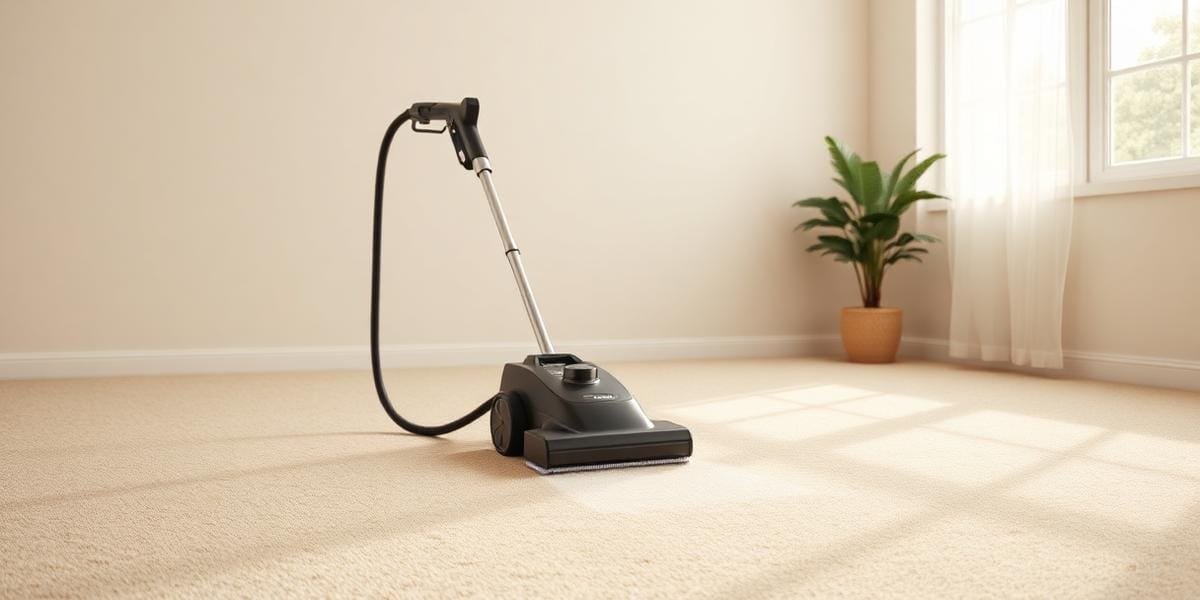
Most consumer carpet machines use hot water extraction, not true steam. They spray cleaning solution into the pile, agitate it, then vacuum the liquid back into a recovery tank. BISSELL Big Green, Rug Doctor Pro Deep, and Hoover PowerScrub Deluxe follow this basic pattern. In many U.S. stores, a 24-hour rental often costs about $30 to $50 before formula, deposits, or upholstery tools.
The common failure is overwetting. Users hold the trigger too long, make repeated wet passes, and rush the dry passes. Start with one controlled solution pass, then make two or three suction-only passes over the same strip. Use hot tap water rather than boiling water, which can stress backing materials and increase dye risk.
- Work in narrow lanes that overlap by about 5 centimeters.
- Pull the machine at a steady walking pace instead of stopping over one spot.
- Empty the recovery tank when suction changes or foam rises.
- Finish high-residue areas with a light plain-water rinse.
The Right Wet-to-Dry Ratio
A carpet should feel damp, not squelchy, after extraction. Press a dry white towel into the pile with your shoe. If it picks up free water, add more suction-only passes. Foam in the recovery tank signals excess detergent, old residue, or both. Too much soap attracts new soil and can leave fibers crunchy after drying.
Professional truck-mounted systems often recover water faster than rental units, which is why heavily soiled rooms, large houses, and thick pile may justify hiring a technician. A small low-pile room can suit DIY work. A deep plush carpet over absorbent cushion carries more risk because water travels downward faster than a home extractor can recover it.
Dry Fast and Protect the Cleaned Surface
Drying begins before the last pass. Open interior doors, run ceiling fans, and place portable fans so air moves across the pile rather than straight down. Air conditioning can remove moisture in warm weather, while a dehumidifier helps in humid places such as Singapore, Miami, or New Orleans. Many carpets dry in six to twelve hours, though dense pile may take closer to twenty-four.
Avoid replacing heavy furniture while the carpet remains damp. Wood stain can transfer, metal legs can rust, and compressed pile dries slowly. Carpet cleaners use foil tabs or plastic blocks beneath furniture feet for this reason. A Vornado air circulator or a basic box fan can shorten drying time when the room has weak airflow.
- Keep children and pets off the carpet until it feels dry at the backing level.
- Place fans at opposite sides of the room to create crossflow.
- Run a dehumidifier with windows closed in humid weather.
- Vacuum again after drying to lift the pile and remove crystallized residue.
Priya cleaned two bedrooms in a Singapore condominium during monsoon season and left the windows open overnight. Outdoor humidity slowed evaporation, and the rooms developed a musty odor. On the second attempt, she closed the windows, ran air conditioning, added a dehumidifier, and used three dry passes. The carpet dried before morning without the odor returning.
Wrap Up
A deep clean succeeds before the extractor enters the room. Identify the fiber, remove dry soil, match the spot treatment to the stain, use restrained moisture, and spend more time recovering water than spraying it. Fast drying protects the backing and keeps odors from returning. When the carpet contains natural fibers, unstable dye, flood contamination, or deep pet damage, specialist cleaning is the safer financial choice.
FAQs
How often should carpets be deep cleaned at home?
Most households can deep clean every 12 to 18 months. Homes with pets, children, allergies, shoes indoors, or heavy foot traffic may need cleaning every 6 to 12 months.
Can I deep clean carpet with only water?
Plain warm water can rinse light residue and refresh lightly soiled carpet, but it may not remove oils, food films, or pet contamination. Use a small amount of fiber-safe detergent when soil requires it, then rinse and extract thoroughly.
How long should carpet take to dry after deep cleaning?
Many carpets dry within 6 to 12 hours with strong airflow and low humidity. If the backing still feels wet after 24 hours, increase ventilation and consider professional help to check for overwetting or trapped moisture.