

TL;DR
Choosing the right screen room size depends on your intended use, available backyard space, and budget constraints. Small 10×12 areas work well for simple seating, while 12×16 footprints offer standard dining flexibility, and large 16×20 spaces easily fit full outdoor kitchens. Balancing furniture clearance with local zoning rules ensures a functional design.
Introduction
Are you tired of swathes of mosquitoes ruining your summer evenings? Building a screened porch provides the ideal bridge between indoor comfort and fresh outdoor air. Selecting the correct dimensions requires balancing your property lines, budget realities, and the way you plan to use the space daily. This breakdown covers standard dimensions, layout constraints, and spatial configurations to help you plan your build with confidence.
Standard Screen Room Sizes and Functional Layouts
Choosing a framework requires looking at standard lumber lengths and common prefabricated kit sizes. Builders frequently suggest dimensions that minimize material waste, as standard pressure-treated joists arrive in two-foot increments. Small, medium, and large layouts each serve distinct lifestyle needs and come with specific spatial limitations.
- Small footprints like 10×10 or 10×12 feet serve as private sanctuaries or morning coffee spots. These spaces accommodate a pair of small armchairs, a side table, and a few potted ferns without feeling cramped.
- Medium dimensions such as 12×14 or 12×16 feet represent the industry sweet spot for suburban homes. These rooms comfortably hold a six-person dining table or a modest sectional sofa from retailers like West Elm.
- Large configurations starting at 16×20 feet accommodate multi-zone living, blending an outdoor kitchen area with a separate media lounge. These structures require heavy-duty structural headers and often need central support posts.
A homeowner in Atlanta, Georgia, installed an aluminum 12×14 Screen Tight enclosure system on an existing concrete slab. The owner originally wanted a 10×10 model but opted for the larger footprint after realizing a standard rectangle dining table requires at least four feet of clearance on all sides for chairs to pull out safely. The extra two feet allowed for comfortable movement around a Pottery Barn outdoor dining set during family gatherings.
Small Enclosures for Intimate Seating
Small enclosures under 120 square feet work best when space is at a premium. Homeowners frequently use these sizes for townhome balconies, primary bedroom bump-outs, or tight urban lots.
When arranging furniture in a 10×12 space, every inch matters. Opting for low-profile furniture ensures the room feels open rather than claustrophobic. Utilizing vertical space with hanging planters or wall-mounted lighting keeps the floor clear for walking paths.
Medium Frameworks for Dining and Entertaining
The 12×16 size remains a popular choice for average family homes because it mirrors standard living room proportions. This dimension handles heavy foot traffic and allows for distinct pathways from the house doors to the screen door.
A common layout mistake in medium rooms is centering a large table directly in front of the main doorway. Shifting the dining zone to one side leaves a clear walking path, which prevents guests from tripping over chair legs when entering from the main house.
Large Expanses for Multi-Zone Living
Great rooms measuring 16×20 feet or larger demand careful structural engineering. These sizes often feature soaring cathedral ceilings to maintain a bright, airy atmosphere.
Large rooms allow you to combine an outdoor kitchen, a stone fireplace, and a large seating group under one roof. It is crucial to position cooking appliances near the perimeter walls to ensure smoke vents through the fiberglass screening rather than trapping odors inside the seating area.
Calculating Space Requirements for Furniture and Traffic
The biggest mistake in planning an outdoor enclosure is measuring the room based solely on empty floor space. You must account for the physical footprint of your furniture plus the necessary clearance for human movement. Traffic paths require consistent pathways to keep the space functional during daily use.
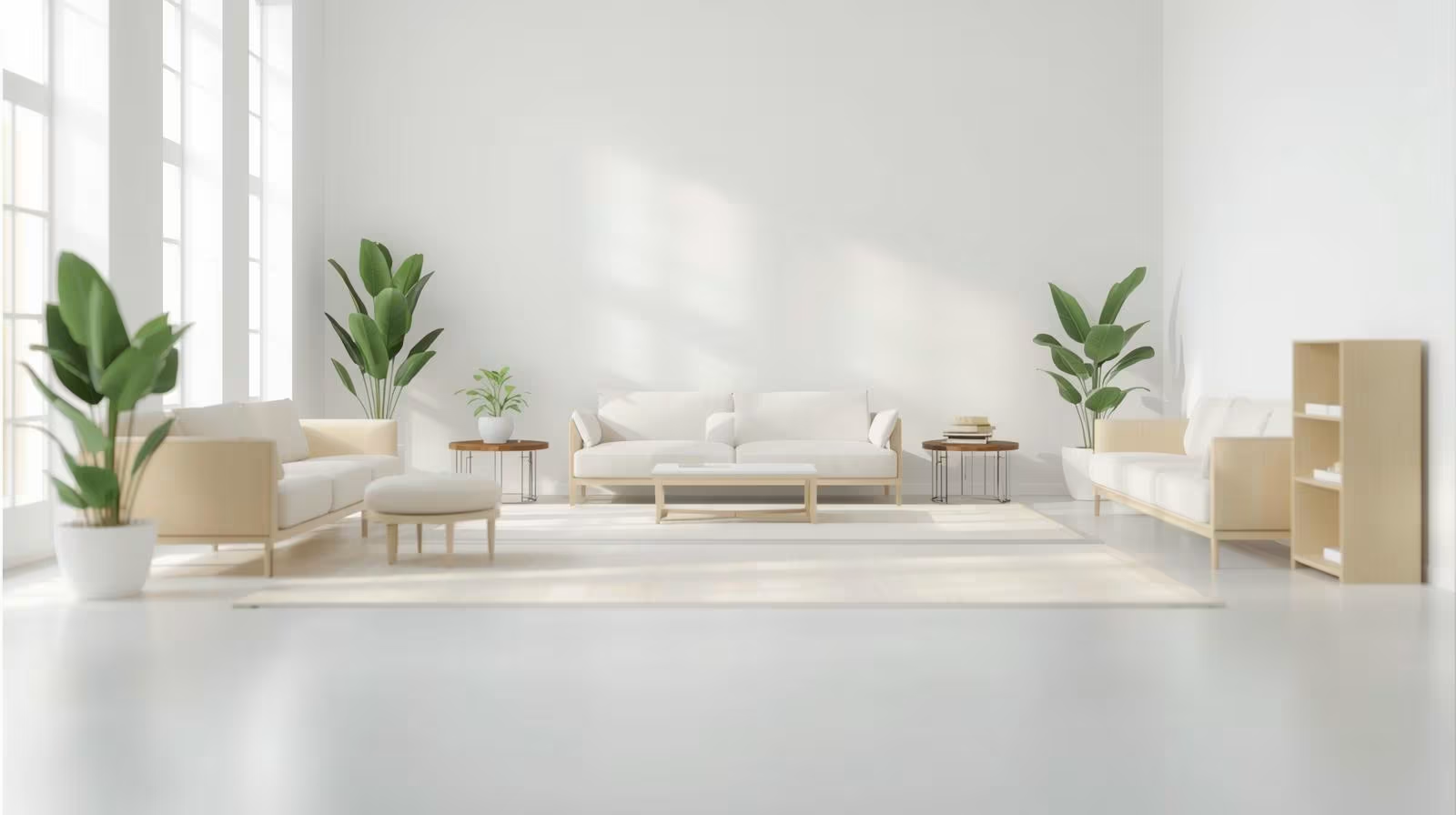
- Dining tables need a minimum of 36 inches of clear perimeter space from the table edge to the screen walls to allow guests to sit down and rise without tearing the mesh.
- Chaises and lounge chairs require at least 48 inches of forward clearance so people can walk past extended footrests without stepping askew.
- Main traffic walkways running from the home exit door to the screen door should remain at least 36 inches wide and completely free of accent tables or floor cushions.
An interior designer in Austin, Texas, redid a screened porch layout using a Ruggable outdoor rug to define the main seating zone. The space measured 12×15 feet, and the owner wanted to squeeze in both a sofa and a barbecue buffet station. By mapping out the 36-inch traffic lane first, the designer showed that a smaller loveseat was necessary to keep the grill access safe and accessible.
Structural and Zoning Constraints that Dictate Size
Your dream dimensions must align with local building codes, property boundary lines, and structural engineering realities. Municipalities view permanent screen rooms as home additions, meaning they require formal building permits and inspections. Ignoring these rules can result in costly fines or demands to tear down the structure.

- Property setbacks establish the minimum legal distance between your new screen walls and your neighbor’s property line or backyard fence.
- Homeowners association regulations often restrict the total square footage of secondary structures or limit the roof height relative to the main house.
- Existing rooflines determine where the screen room roof ties into your home, influencing whether you can install a shed roof, a gable roof, or a flat studio roof.
A construction project in Seattle, Washington, faced delays when the homeowner ordered a 14×18 DIY aluminum screen kit before checking local code requirements. The city utility easement required a 15-foot buffer from the rear property line, forcing the contractor to cut the deck footprint down to a 12×14 size. Checking zoning maps before purchasing materials avoids these costly adjustments.
Cost Factors and Material Standards Across Sizes
The price of a screen room increases alongside its square footage, but the cost per square foot often drops on larger builds. Framing materials, screen types, and flooring options represent the bulk of your financial investment. Understanding these expenses helps you allocate your budget efficiently.
- Pressure-treated lumber framing costs less upfront but requires annual staining, whereas extruded aluminum components from brands like Larson cost more initially but require zero maintenance.
- Standard fiberglass mesh serves well for general insect protection, but homes with active dogs or cats require durable pet-resistant screen material, which adds to the overall material cost.
- Foundation choices range from building on top of an existing broom-finish concrete patio to framing a brand-new elevated pressure-treated wood deck.
Budgeting for a standard 12×14 screened porch generally ranges from 8000 to 15000 dollars depending on local labor rates and material selections. Opting for specialized additions like motorized retractable screens or vinyl window panels for seasonal weather protection will increase the baseline price significantly.
Wrap Up
Selecting the right screen room size requires a clear understanding of how you plan to use the space, your furniture dimensions, and local zoning laws. Small 10×12 rooms offer cozy areas for relaxation, while larger 16×20 spaces easily accommodate multi-zone dining and lounging. Taking the time to map out your furniture layout on your lawn using marking paint helps ensure your new outdoor living space feels comfortable and functional for years to come.
FAQs Section
What is the most common size for a screened porch?
The most popular size for a standard suburban screened porch is 12×16 feet. This rectangle shape comfortably accommodates a six-person dining table or a full-sized outdoor sofa layout while leaving plenty of room for walking paths.
Can I build a screen room on an existing concrete patio?
Yes, you can build a screen room on an existing concrete patio provided the slab is structurally sound, level, and thick enough to anchor the perimeter framing wall tracking securely. A contractor should inspect the concrete slab for deep settling cracks before construction begins.
How much space should I leave between furniture and screen walls?
You should maintain a minimum clearance of 36 inches between the edges of your furniture and the screen mesh walls. This distance protects the delicate screening from accidental punctures caused by sliding chair backs or moving guests.
Disclaimer
This content shared by Fall Rugs is solely for research and informational purposes. Fall Rugs is not a professional interior design or home renovation consultancy, and the information provided should not be considered professional advice for home improvement or decor. All ideas and suggestions are based on current trends and general knowledge in the home decor industry.