
TL;DR
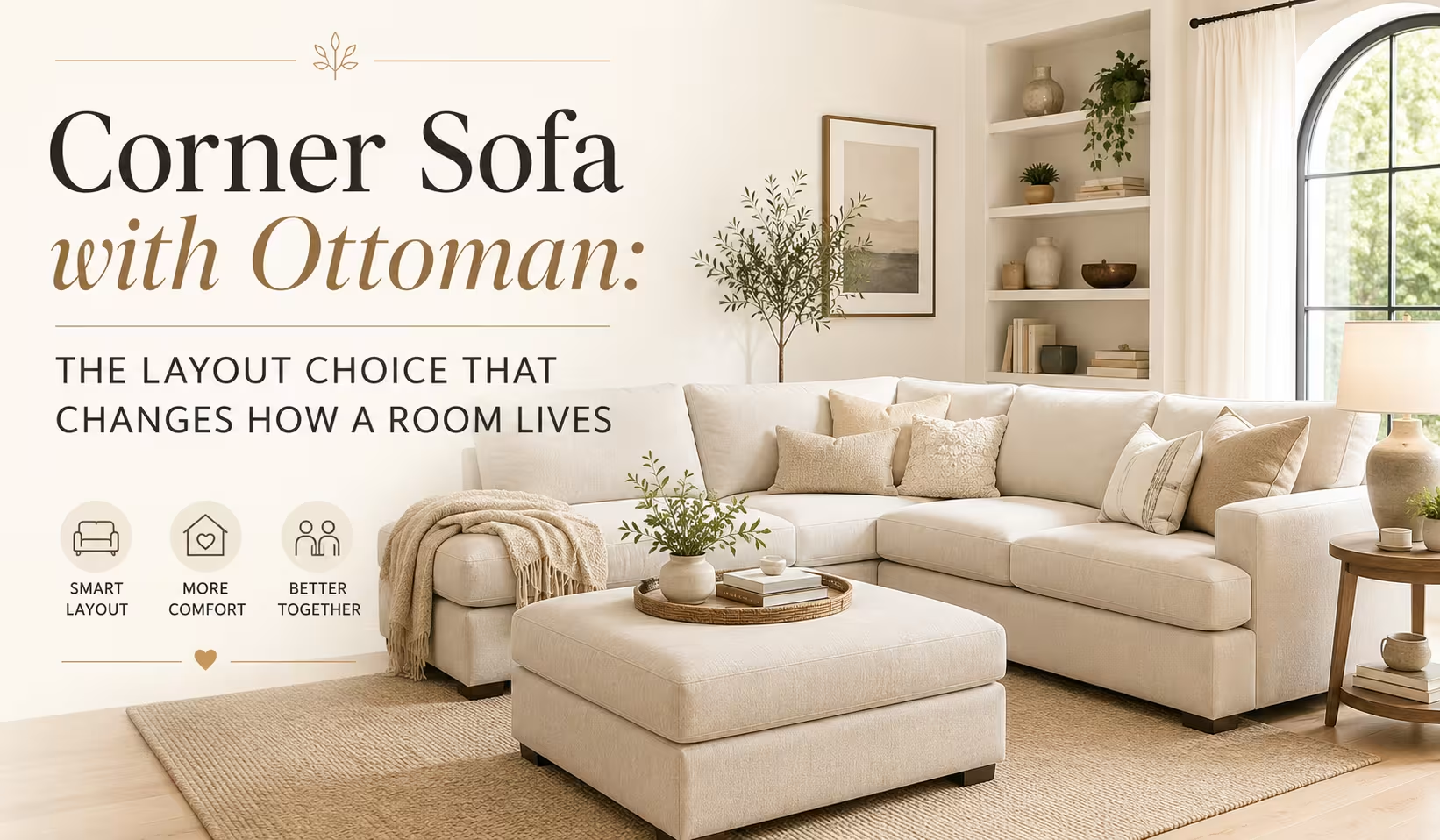
A corner sofa with ottoman works well because it solves seating, lounging, and layout problems in one move. The right choice depends on scale, fabric, traffic flow, ottoman shape, and how the room is used each day.
Introduction
A living room can look finished in photos and still feel awkward in real life. The sofa may block the walkway, the coffee table may sit too far away, or guests may perch instead of settling in. A corner sofa with ottoman fixes many of those problems because it creates a social zone, a lounge zone, and a flexible surface at the same time. This piece explains how to choose one with judgment, not guesswork.
Why a Corner Sofa with Ottoman Works So Well
A corner sofa earns its place by using the room’s edges rather than fighting them. In apartments, terraces, townhouses, and open-plan homes, corners often become dead zones filled with lamps, baskets, or nothing useful. An L-shaped sofa turns that neglected space into seating, while the ottoman adds a movable element that can shift between footrest, table, spare seat, or visual anchor.
The ottoman is the part many buyers undervalue. A fixed chaise gives one person the long seat, while an ottoman can serve several people across the day. In a family room, it may hold a tray during tea, become a soft landing for children’s books, then move aside when guests arrive. That flexibility is why interior stylists often treat the ottoman as furniture, not an accessory.
Good layouts come from behavior first. A living room used for Netflix, prayer breaks, laptop work, and weekend visitors needs softer boundaries than a formal drawing room. The corner sofa creates a strong seating shape, while the ottoman keeps the center of the room responsive. That balance is where comfort starts to feel intentional rather than accidental.
Room Size, Scale, and the Mistake Most Buyers Make
The common mistake is buying the sofa by wall length alone. A seven-foot wall does not automatically need a seven-foot sectional. Walkways, door swings, curtains, media units, balcony access, and rug size all affect the final fit. A corner sofa with ottoman should leave the room feeling settled, not packed tight like a furniture showroom.
A reliable test is movement. People should pass through the room without turning sideways, stepping over the ottoman, or brushing the sofa arm. In most living rooms, the ottoman needs enough breathing space around it to feel deliberate. If the gap between ottoman and TV console becomes too narrow, the room may look luxurious but behave badly.
In one Faisalabad apartment project, a client chose a deep charcoal sectional because it looked impressive online. The sofa arrived, and the ottoman blocked the balcony door by six inches. The fix was not a smaller sofa, but a narrower rectangular ottoman with hidden storage. The seating count stayed the same, the balcony became usable again, and the room finally worked.
Choosing the Right Ottoman Shape
A square ottoman gives a corner sofa a grounded, lounge-like feel. It suits larger rooms, wide rugs, and family seating where people gather from multiple sides. A square form also works well with a tray because it creates a stable center point. The tradeoff is space. In a compact living room, a square ottoman can crowd the path between sofa and media wall.
A rectangular ottoman feels lighter and more directional. It pairs well with longer L-shaped sofas and narrow rooms because it follows the line of the seating. Many urban apartments benefit from this shape, especially where the TV wall sits opposite the long sofa section. It gives the feet somewhere to rest without swallowing the room’s center.
A round ottoman softens sharp furniture lines. It works nicely with boxy modular sofas, boucle chairs, marble side tables, and low-profile media cabinets. The curve breaks the grid and makes the room easier to move through. Still, round ottomans need careful scale. Too small, and they look decorative rather than useful. Too large, and they behave like a padded obstacle.
Fabric, Color, and Daily Wear
Fabric choice changes how long the sofa feels new. Performance polyester, microfiber, chenille, and tightly woven linen blends are common for a reason: they hold up better under sitting, sliding, and repeated cleaning. Velvet looks rich, especially in emerald, navy, or taupe, but it shows pressure marks and direction changes. For busy homes, texture matters as much as color.
Neutral colors remain popular because a corner sofa is visually large. Beige, stone, greige, mushroom, warm gray, and camel allow rugs, cushions, curtains, and wall art to change without replacing the sofa. Dark tones such as charcoal and espresso can look elegant, but they may make a small room feel heavy unless balanced with pale flooring, daylight, or lighter textiles.
Homes with children or pets need honest material choices. A cream sofa may look calm in a catalog, but it can become a maintenance project in daily life. Mid-tone fabrics often hide more than very pale or very dark ones. I’ve seen oatmeal boucle age poorly in homes where snacks, school bags, and wet paws meet the same seat every evening.
Layout Logic for TV Rooms and Open Plans
A corner sofa with ottoman works differently in a TV room than in a conversation room. For TV viewing, the long side usually faces the screen, while the shorter return defines the seating zone. The ottoman should sit close enough for feet but not so close that people feel trapped. A tray can convert it into a coffee table during casual evenings.
Open-plan rooms need clearer boundaries. A sectional can mark where the living area ends and the dining space begins without adding a partition. The ottoman then becomes a low visual bridge between sofa, rug, and coffee table area. This is especially useful in homes where the kitchen, dining table, and lounge share one large rectangle.
Placement near windows takes care. A high sofa back can block daylight and make curtains bunch awkwardly. Low-profile corner sofas work better under windows, especially with slim arms and raised legs. The ottoman can sit toward the center, keeping the window side open. That one detail often decides whether the room feels airy or crowded.
Storage Ottomans and Hidden Function
A storage ottoman solves a real problem in small homes: clutter that needs to stay close but out of sight. Throws, remotes, gaming controllers, children’s toys, prayer mats, magazines, and spare cushion covers all need a home. A lift-top ottoman keeps those items accessible without turning the living room into open storage.
The hinge quality matters. Cheap storage ottomans often wobble, slam shut, or shift when used as seating. Better models have smooth-lift mechanisms, firm upholstery, and enough internal depth to hold more than a few flat items. A heavy lid may look minor in a showroom, yet it becomes annoying after months of daily use.
Storage also changes the room’s rhythm. A coffee table invites display, while a storage ottoman hides the mess of real life. The choice depends on personality and routine. Homes that entertain formally may prefer a wood or stone table beside the ottoman. Homes built around family evenings often benefit more from soft storage in the center.
Comfort: Seat Depth, Cushion Fill, and Support
A beautiful corner sofa can fail if the seat depth is wrong. Deep seats suit lounging, taller people, and relaxed media rooms. Shallow seats suit upright conversation, tea service, and guests who don’t want to sink too far back. A good ottoman can compensate slightly, but it cannot fix a sofa that forces the body into an awkward angle.
Cushion fill affects both comfort and maintenance. Foam holds shape well and gives cleaner lines. Fiber feels softer but may need regular plumping. Feather blends feel relaxed and premium, but they can flatten without care. Many practical sofas combine foam cores with softer wraps, giving support underneath and comfort at the surface.
The ottoman height should align closely with the sofa seat. Too low, and feet drop uncomfortably. Too high, and knees rise in a way that feels odd during long use. A small difference may not matter for a ten-minute sit, but it matters during a three-hour film or a lazy Sunday afternoon.
Styling the Sofa Without Making It Look Busy
A corner sofa already has visual weight, so styling needs restraint. Too many cushions can make the seating look cluttered and reduce actual sitting space. A better approach is controlled contrast: two or three cushion sizes, one patterned fabric, one texture, and one grounded color that connects to the rug, curtains, or wall art.
The rug is not an afterthought. A small rug floating under the ottoman can shrink the entire room visually. Ideally, at least the front legs of the sofa sit on the rug, with the ottoman fully grounded on it. Wool rugs, flatweaves, jute blends, and low-pile synthetics each bring a different mood and level of care.
Lighting completes the setting. A floor lamp behind the corner, a shaded table lamp near the arm, or wall sconces can turn the sofa zone into a place people naturally use after sunset. Without layered lighting, even an expensive sectional can feel like a large object in a dim room rather than the heart of the home.
Small Living Rooms and Apartment-Friendly Choices
Small rooms can still handle a corner sofa with ottoman, but the design has to be lean. Slim arms, exposed legs, lower backs, and modular sections reduce visual bulk. A compact L-shape often works better than a three-seater plus two chairs because it seats more people while using fewer scattered furniture pieces.
The ottoman should not copy the sofa’s full depth in a tight room. A narrower piece, rounded corners, or a soft rectangular bench can preserve movement. Casters are useful in some casual spaces, though they can feel less refined. Lightweight ottomans also help renters who change layouts often or move homes every few years.
A Lahore studio I reviewed had a sofa, coffee table, accent chair, and storage trunk all squeezed into one zone. Replacing them with a compact corner sofa and storage ottoman removed two furniture pieces without reducing function. The room looked calmer because fewer legs, corners, and surfaces competed for attention.
Modular Corner Sofas and Future Flexibility
Modular sofas appeal because rooms change. A household may move from an apartment to a house, add a child, change the TV wall, or convert the living room into a hybrid work area. Modular pieces allow the chaise side, corner unit, armless seats, and ottoman to adapt without replacing the entire setup.
Not all modular designs are equal. Good connectors keep pieces aligned, while weak ones let seats drift apart during daily use. The best modular layouts feel relaxed but not messy. Buyers should also check whether extra modules can be purchased later, since discontinued ranges can make future expansion impossible.
The ottoman is especially useful in modular systems because it can mimic a chaise without locking the layout. Move it to the left, and the sofa feels like a left-hand chaise. Move it to the center, and it becomes shared seating support. Place it near a chair, and it creates a separate reading spot.
Materials, Frames, and What Lasts
Frame construction affects lifespan more than most buyers realize. Hardwood frames, plywood reinforcement, and strong joinery usually outlast softwood-only frames or thin particleboard builds. A heavy sofa is not always better, but weight can indicate denser materials. Squeaks, wobbles, and uneven legs are warning signs during showroom testing.
Suspension matters too. Sinuous springs are common in mid-range sofas and can perform well when properly installed. Webbing can feel comfortable, though cheap webbing may sag sooner. High-end sofas may use eight-way hand-tied springs, a traditional method linked with long support, though it usually raises the price.
The ottoman needs the same scrutiny as the sofa. People sit on it, push it, lean against it, and sometimes use it as a table. Weak stitching, thin foam, poor lining, and loose legs show wear quickly. A matching ottoman should be built as furniture, not as a decorative add-on.
Price, Value, and Where to Spend More
Price varies widely because size, frame, upholstery, brand, cushion fill, and manufacturing quality all influence cost. IKEA, West Elm, Article, Crate & Barrel, Ashley Furniture, and local furniture makers serve different budgets and aesthetics. The better value is not always the cheapest sofa or the most expensive one. It’s the piece that fits the room and survives the routine.
Spend more on frame quality, cushion support, and fabric durability. Save on trendy cushions, throws, and small decor because those can change seasonally. An ottoman with storage may cost more upfront, yet it can replace a separate trunk or side storage unit. That can make the total room budget more sensible.
A costly mistake is buying for a photo instead of a floor plan. Oversized arms, dramatic depth, and sculptural shapes look impressive online, then dominate real rooms. Measure the walking paths, not just the walls. Tape the sofa and ottoman footprint on the floor before ordering, then live with that outline for a day.
Cleaning, Maintenance, and Long-Term Care
Maintenance starts before the first spill. Removable cushion covers, stain-resistant fabric, and accessible gaps make cleaning less frustrating. A sofa with tight spaces between modules may trap crumbs and dust. An ottoman used as a table should have a tray for drinks, candles, and snacks to protect the fabric from rings and stains.
Vacuuming fabric weekly keeps grit from wearing down fibers. Rotating cushions helps them age evenly, especially on the favorite seat where everyone lands. Sun exposure also matters. Strong daylight can fade darker fabrics over time, so curtains, sheers, or UV-filtering window film may protect the sofa in bright rooms.
Leather and faux leather need different care. Genuine leather develops a patina but can dry or crack without conditioning. Faux leather can be wipeable and budget-friendly, but cheaper versions may peel. For many homes, a woven performance fabric gives the better balance of comfort, durability, and low stress.
Wrap Up
A corner sofa with ottoman works best when it matches the room’s movement, not just its style. The right scale, fabric, ottoman shape, storage choice, and cushion support turn a large furniture purchase into a daily comfort asset. Measure carefully, think through real routines, and judge the ottoman as part of the seating system. A room that works well usually looks better too.
FAQs Section
Is a corner sofa with ottoman good for a small living room?
Yes, it can work well if the sofa has slim arms, moderate depth, and a compact ottoman. The goal is to keep clear walking paths while using the corner for seating instead of scattered chairs.
Can an ottoman replace a coffee table?
An ottoman can replace a coffee table in casual rooms, especially with a stable tray on top. Homes that serve meals or display books often work better with both an ottoman and a small side table.
Which ottoman shape suits an L-shaped sofa?
A rectangular ottoman suits narrow rooms and long sectionals, while a square ottoman works better in larger lounge spaces. A round ottoman softens boxy sofas and improves movement around the seating area.
Disclaimer
This content shared by Fall Rugs is solely for research and informational purposes. Fall Rugs is not a professional interior design or home renovation consultancy, and the information provided should not be considered professional advice for home improvement or decor. All ideas and suggestions are based on current trends and general knowledge in the home decor industry.