
TL;DR
A boucle minimalist sofa balances stark architectural lines with rich tactile warmth through its unique looped textile structure. Successful deployment requires balancing dense fabric texture with smooth contrasting materials and establishing a rigorous, moisture-preventative maintenance routine.
Introduction
Can a living room feel stripped down yet remaining profoundly inviting? The historic challenge of minimalist design centers on avoiding a cold, sterile environment while preserving clean visual planes. Selecting a boucle minimalist sofa solves this tension by introducing physical texture into spaces that rely on restraint. Readers will understand how to evaluate loop-pile upholstery, integrate textured seating into diverse architectural styles, and maintain these delicate fabrics over years of daily use.
The Evolution of Minimalist Seating and Loop-Pile Textiles
Modern furniture design historically favored smooth leather, flat-woven linen, and brushed metals to achieve a clean aesthetic. This preference often created spaces that felt more like galleries than homes, leaving residents craving physical comfort. The emergence of heavily textured fabrics within minimalist frameworks changed this dynamic by allowing visual interest to come from the material itself rather than complex patterns or ornamental shapes.
The textile known as boucle relies on a specific manufacturing process where knotted loops emerge from a central structural yarn. Originally popularized in mid-century fashion and architecture, this material found new life as designers looked for ways to soften the hard angles of contemporary open-concept floor plans. By wrapping a low-profile silhouette in a complex, multi-dimensional fabric, furniture makers created pieces that command attention without shouting.
Structural Anatomy of High-Quality Minimalist Furniture
When assessing a low-profile fabric sofa, the internal construction dictates its longevity just as much as the visible upholstery. True minimalist profiles require engineered hardwood frames, typically kiln-dried ash or maple, to support the long, horizontal spans without sagging. Lower-tier manufacturers often skimp on frame thickness, leading to structural bowing that ruins the clean, geometric silhouette within eighteen months of regular use.
Cushion composition plays an equally vital role in maintaining the crisp look required for minimalist aesthetics. High-density polyurethane foam cores wrapped in a thin layer of down or synthetic fiber provide the necessary structural resilience. This specific combination ensures the sofa snaps back to its original shape after use, preventing the messy, wrinkled appearance that disrupts minimalist visual harmony.
Integrating Textured Seating into Organic Modern Interiors
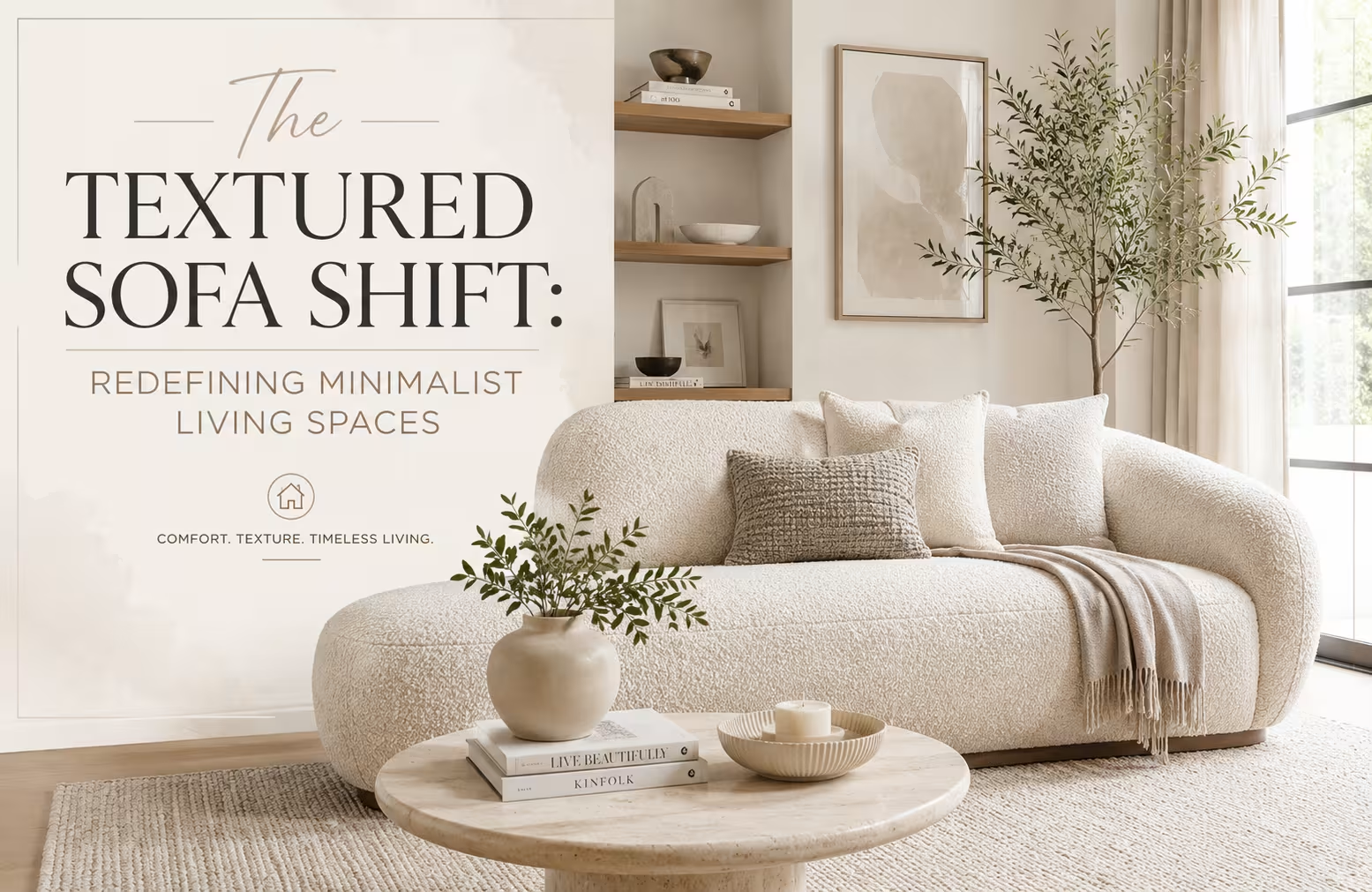
Styling a textured cream couch requires a deep understanding of contrast and material interplay. Placing a heavy, looped fabric against smooth polished concrete, matte plaster walls, or brushed white oak creates a sophisticated sensory experience. Designers often apply the rule of opposites, pairing the softness of the nubby textile with the rigid clarity of a black iron coffee table or a monolithic travertine side piece.
Color palettes should remain grounded when working with distinctive fabric textures. While off-white, cream, and oatmeal dominate the market, deep charcoal, olive green, and muted terracotta boucle options can ground a large room. The goal remains to let the natural interplay of light and shadow on the looped surface create the visual depth, rendering complex patterns completely unnecessary.
The Influence of Light on Loop-Pile Surfaces
Natural illumination changes the appearance of textured furniture throughout the day. Morning light from a low angle catches the top of the yarn loops, casting tiny shadows across the piece and emphasizing its scale.
In contrast, diffuse afternoon light softens the fabric contours, making the entire sofa look like a singular, solid sculptural object. Placing your seating near floor-to-ceiling windows capitalizes on this architectural phenomenon.
Spatial Scaling in Compact Living Areas
Small apartments benefit significantly from low-profile minimalist designs. By keeping the overall height of the furniture close to the floor, you maximize the vertical clearance of the room, creating an illusion of a larger envelope.
A solid, continuous base instead of tall, spindly legs provides a sense of permanent architecture. This design choice prevents the furniture from looking like temporary clutter in tight quarters.
Real-World Performance and Maintenance Strategies
Many homeowners worry that loop-pile fabrics act as magnets for dust, pet hair, and accidental spills. This concern is valid, as the open structure of the loops can trap small particles more easily than flat woven textiles. My early editorial work tracking interior design performance showed that households neglecting weekly vacuuming saw premature graying of light fabrics within the first year.
Addressing spills requires immediate, non-aggressive action to protect the integrity of the yarn structure. Rubbing a stain pushes the liquid deeper into the twisted fibers, permanently distorting the loops and causing unsightly pilling. Blotting with a clean, dry microfiber cloth, followed by a specialized water-free solvent cleaner, preserves the original texture without leaving ring marks.
Navigating Pet Ownership with Looped Fabrics
Cats and dogs pose a unique threat to loop-pile upholstery due to the catching hazard of their claws. An interior designer based in Chicago recently shared a project where a client installed a premium cream boucle sectional in a home with two domestic shorthair cats.
Within three months, the feline claws had pulled dozens of loops away from the backing fabric. For homes with pets, choosing a tight, low-loop weave or a synthetic blend offers significantly better resistance to snagging.
The Reality of Fabric Pilling over Time
High-friction areas like the center cushions and armrests naturally develop loose fibers that knot together into small balls. Using a professional battery-operated fabric shaver once every six months restores the smooth, uniform appearance of the sofa surface.
Care must be taken to avoid pressing too hard during this process. Cutting the structural anchor threads of the boucle yarn can cause the entire weave to unravel.
Materials Matrix for Modern Sofas
Understanding the composition of your upholstery fabric changes how the piece performs under daily stress. The following comparison highlights how different fibers handle real-world wear.
| Fiber Composition | Stain Resistance | Snag Resistance | Softness Rating |
| Pure Wool Boucle | Moderate | Moderate | High |
| Polyester Blend | High | High | Moderate |
| Cotton-Linen Mix | Low | Moderate | High |
| Acrylic Boucle | High | Low | Moderate |
Wrap Up
Investing in a boucle minimalist sofa introduces a sophisticated balance of clean architectural form and rich material texture into the modern home. Long-term satisfaction relies on selecting robust internal frame constructions, pairing the item with contrasting smooth materials, and committing to regular, gentle maintenance. By choosing the right loop density and fiber blend, this central furniture piece will anchor your living space with quiet confidence for years to come.
FAQs Section
How do you get crumbs and pet hair out of a boucle sofa?
Regular cleaning requires using a vacuum cleaner equipped with an upholstery attachment on low suction to draw particles out from between the woven loops. Avoid using rotating brush heads or stiff bristled attachments, as these aggressive tools can fray the delicate yarn fibers over time.
Does boucle fabric pill easily with daily use?
Friction causes loose fibers to rub together, meaning high-use seating areas will naturally develop some degree of pilling over the first few months. This is a standard characteristic of the textile that can be easily managed using a specialized fabric shaver with a gentle, floating hand motion.
Is a cream boucle sofa practical for households with young children?
Light-colored loop fabrics require a high level of vigilance and immediate stain treatment to maintain their clean, architectural look in active homes. Selecting a synthetic polyester-blend boucle pre-treated with a stain-resistant coating offers the best durability for families.
Disclaimer
This content shared by Fall Rugs is solely for research and informational purposes. Fall Rugs is not a professional interior design or home renovation consultancy, and the information provided should not be considered professional advice for home improvement or decor. All ideas and suggestions are based on current trends and general knowledge in the home decor industry.