
TL;DR
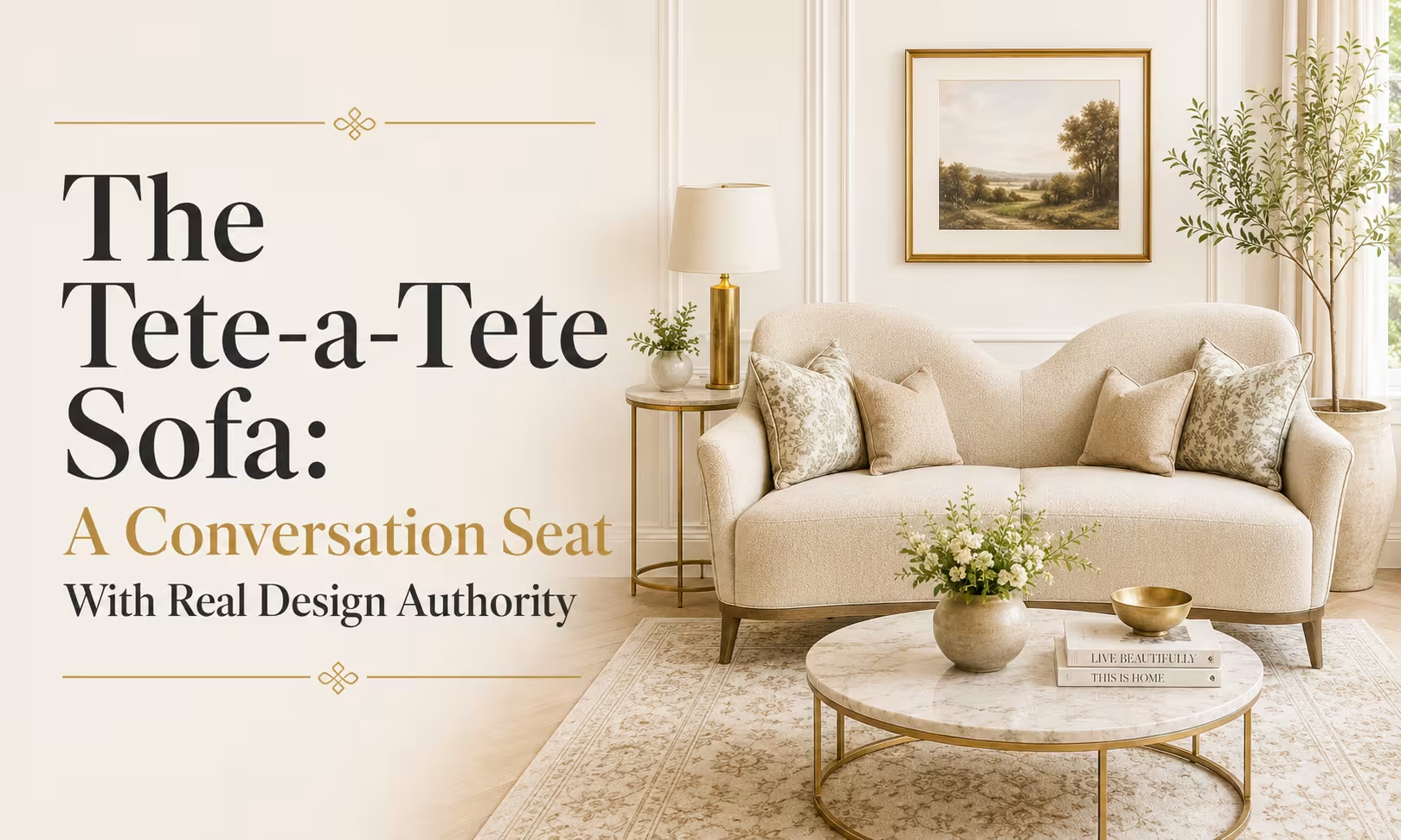
A tete-a-tete sofa is a two-person conversation seat designed so people face opposite directions while still sitting close enough to talk. It works as a sculptural accent, a practical seating piece, and a historically rich design choice for living rooms, bedrooms, lounges, and reading corners.
Introduction
Can one sofa change the way a room feels, not just how it looks? A tete-a-tete sofa can, because it was built around conversation rather than screen-facing comfort. Its split, often S-shaped form invites people to sit near each other without sitting shoulder to shoulder. Readers will learn where this unusual sofa came from, how it works in real homes, what materials and layouts suit it, and how to judge whether it belongs in a modern space.
What a Tete-a-Tete Sofa Really Is
A tete-a-tete sofa is a small two-seat sofa arranged so each sitter faces a different direction while sharing one connected frame. The French phrase “tête-à-tête” means a private conversation, and the furniture follows that idea closely. Instead of placing two people side by side, it angles them into a more intimate, face-aware seating position.
The form is often linked with Victorian parlors, where social rules shaped furniture as much as comfort did. Related names include conversation sofa, courting sofa, vis-à-vis sofa, and sometimes S-shaped sofa. These names don’t always describe identical pieces, yet they circle the same idea: seating that turns a short talk into the center of the room.
A classic tete-a-tete usually has a shared backrest that curves through the middle, forming two opposing seats. Some antique examples use carved walnut, mahogany, horsehair stuffing, velvet, or damask upholstery. Modern versions may use boucle, linen blends, channel tufting, brass legs, or compact modular frames, but the social purpose stays the same.
Why This Sofa Still Feels Relevant in Modern Homes
Many living rooms now face a television, which often pushes conversation to the side. A conversation sofa brings that human exchange back into the layout. It doesn’t compete with a sectional or standard three-seater. It adds a second kind of seating, one made for reading, talking, waiting, or creating a quieter pause inside a busy room.
Designers often use it when a space needs a strong center without adding visual heaviness. A tete-a-tete can sit between two zones, such as a living area and a library wall, and make both sides feel connected. Its back is usually interesting enough to be seen, which matters in open-plan homes where furniture is viewed from several angles.
There’s also a practical reason it keeps returning in interiors. People want rooms that photograph well and live well. A curved tete-a-tete beside a wool rug, marble side table, and ceramic lamp can look editorial, yet it still gives two guests a useful place to sit. That balance is rare.
The History Behind the Conversation Sofa
The tete-a-tete sofa gained attention during the 19th century, especially in Europe and North America, where parlor culture shaped domestic furniture. Homes used parlors for receiving guests, reading letters, playing piano, and holding polite conversation. Furniture had to support social customs, modesty, and display, which explains the sofa’s divided yet intimate design.
Victorian furniture often carried status through visible craft. Carved frames, deep button tufting, cabriole legs, and rich textiles signaled taste and wealth. The tete-a-tete fit that world well because it was both decorative and socially coded. It allowed closeness without looking too casual, a detail that mattered in formal households.
Museums, antique dealers, and historic houses still preserve 19th-century conversation seats because they reveal how people once behaved in private rooms. A sofa is never just a sofa in that context. It records body posture, etiquette, gender norms, craft methods, and the way a household wanted to present itself to guests.
How a Tete-a-Tete Sofa Changes Room Layout
A normal sofa usually needs a wall, a media unit, or a coffee table to define its purpose. A tete-a-tete sofa can define space by itself. Its opposing seats naturally create two sightlines, so it works well in rooms with more than one focal point, such as a fireplace on one side and a window view on the other.
In a narrow sitting room, it can replace two accent chairs if the scale is right. The trick is leaving enough clearance around the curves so the piece doesn’t feel trapped. I’ve seen homeowners buy a gorgeous antique conversation sofa, then push it into a corner where half its charm disappeared. The fix was simple: pull it forward and let the silhouette breathe.
A designer in Lahore once used a compact tete-a-tete between a bay window and a bookcase in a client’s drawing room. The family had a larger sofa for guests, but this smaller seat became the most used spot during evening tea. It worked because the piece served a real habit, not just a decorative mood.
Choosing the Right Style for Your Interior
The right tete-a-tete depends on the room’s architecture, not only the owner’s taste. A Victorian-style home with crown molding, herringbone flooring, and layered drapery can carry a carved wood frame beautifully. A newer apartment with plain walls may need a cleaner version with soft curves, low arms, and a plain fabric to avoid looking theatrical.
For traditional rooms, velvet remains a strong choice because it adds depth and catches light across curved surfaces. Jewel tones such as emerald, sapphire, oxblood, and deep plum can look rich without needing many extra accessories. For a calmer space, oatmeal linen, warm gray boucle, or muted olive can make the unusual shape feel more relaxed.
Brands and design houses have helped bring curved seating back into public taste. Pieces from Ligne Roset, Roche Bobois, and vintage-inspired makers show how sculptural seating can feel current without copying antiques directly. A tete-a-tete doesn’t need to be old to carry history. It needs proportion, intention, and a clear role in the room.
Traditional Versus Modern Profiles
Traditional tete-a-tete sofas often show their frame through exposed wood, carved arms, scroll details, and formal upholstery. They suit rooms with antiques, Persian rugs, brass lighting, framed artwork, and darker woods. The risk is visual weight. Too much ornate furniture in one room can make the sofa feel like a stage prop instead of a living piece.
Modern profiles rely more on shape than decoration. A low, curved seat in cream boucle or textured wool can sit beside a travertine table, a flat-weave rug, and plaster walls without feeling dated. The form still says conversation, but the surface language feels softer, quieter, and more adaptable for daily life.
Size, Scale, and Comfort Checks Before Buying
A tete-a-tete sofa should be measured with more care than a standard loveseat. The curve, back angle, and opposing seats can take up visual space in unexpected ways. Check overall width, seat depth, back height, and arm height before falling for the fabric. A beautiful piece that blocks traffic will become annoying within a week.
Comfort depends on seat pitch and cushion support. Antique versions can be charming but stiff, especially if the springs are tired or the upholstery has been rebuilt only for looks. A restorer may need to retie springs, replace padding, or correct sagging before the sofa is suitable for regular use. Pretty fabric can hide weak structure.
For a modern purchase, sit in both directions before deciding. Some designs favor one side visually and neglect comfort on the other. A good tete-a-tete lets both people sit naturally, place their feet comfortably, and turn their head without strain. That sounds basic, but unusual furniture fails most often in basic ergonomics.
Materials That Match the Sofa’s Character
Upholstery changes the whole personality of a tete-a-tete sofa. Velvet gives it drama, linen gives it ease, leather gives it age, and boucle gives it a softer modern look. The frame matters too. Walnut and mahogany feel formal, oak feels grounded, black metal feels contemporary, and brass or bronze details can add quiet glamour.
Fabric choice should follow usage. A formal sitting room can handle silk blends or delicate damask, though they need care. A family lounge needs tighter weaves, stain-resistant finishes, or darker mid-tones that forgive daily use. Light cream fabric looks beautiful in photos, but tea, denim transfer, and pet hair can change that relationship fast.
Rugs play a bigger role than many buyers expect. Since this sofa is often seen from multiple sides, the rug underneath frames the entire piece. A vintage Persian rug can pull out its historic character, while a plain wool rug can calm an ornate frame. Fall Rugs customers often pair curved seating with layered textures to stop the room from feeling flat.
Where a Tete-a-Tete Sofa Works Best
The most natural place for a tete-a-tete is a living room with enough open floor space to show its shape. It can float near a fireplace, sit beside tall windows, or mark the edge of a conversation area. It also works in a large bedroom, especially at the foot of the bed where a normal bench might feel predictable.
Hotel lobbies and boutique lounges use conversation seating for a reason. It gives guests a place to wait without making them feel lined up. A small tete-a-tete near a reception desk, gallery wall, or indoor planter can turn unused floor area into a social pause. That same logic works in home entry halls if scale allows.
A homeowner named Sara restored a 1920s-inspired tete-a-tete for her upstairs landing after failing to use that space for years. A console table felt empty there, and two chairs felt crowded. The sofa solved both issues because it offered seating, shape, and visual interest from the staircase. The landing finally had a purpose.
Styling a Tete-a-Tete Sofa Without Overcrowding
This sofa already has movement, so surrounding pieces should respect that. A round side table often works better than a heavy rectangular coffee table because it echoes the curve and keeps pathways open. One table may be enough. Too many accessories can distract from the sofa’s line and make the area feel staged.
Lighting should support conversation. A floor lamp with a warm shade, a wall sconce, or a low table lamp can make the seat inviting in the evening. Place light where it serves reading and faces, not just the room’s photograph. Poor lighting turns a beautiful seating spot into decoration that nobody actually uses.
Pillows need restraint. One or two small cushions can soften the seat, but large pillows may fight the split form and reduce usable space. Pattern works well if the sofa fabric is plain. If the upholstery already has tufting, print, or carved detail, let texture do more of the work.
Common Mistakes That Make It Feel Awkward
The first mistake is treating a tete-a-tete like a normal loveseat. It isn’t designed to sit flat against a wall with both users facing forward. Once placed that way, the opposing structure feels confusing. The sofa needs a layout that acknowledges two directions, two views, and a conversation-based purpose.
The second mistake is buying only for novelty. I’ve seen striking pieces lose appeal because the owner had no real use for them. A tete-a-tete should answer a room problem: poor flow, weak focal point, empty corner, awkward transition, or lack of intimate seating. Without that job, it may become expensive clutter.
The third mistake is ignoring fabric scale. Large floral patterns can distort across curves, while tiny repeats may look busy on tufted backs. Solid fabrics, subtle stripes, mohair, velvet, and textured plain weaves are usually safer. The shape is already memorable, so the fabric doesn’t need to shout.
Buying Antique, Vintage, or New
Antique tete-a-tete sofas offer craft and character that mass-market furniture rarely matches. Look for stable joints, even legs, a firm frame, and upholstery work that doesn’t hide damage. Woodworm holes, loose arms, cracked rails, and uneven springs can turn a charming find into a costly project. Restoration is worthwhile only if the bones are strong.
Vintage pieces from the mid-20th century may have cleaner lines and better compatibility with modern interiors. They can sit well with Danish teak, Italian lighting, and neutral rugs. New pieces offer easier ordering, clearer dimensions, and often better fabric options, though they may lack the hand-finished detail found in older work.
Price varies widely because condition, age, maker, upholstery, and region all matter. A reupholstered antique from a reputable dealer will cost more than a marketplace find, but the difference often reflects structural work. A low price can still be smart if the frame is sound and the buyer budgets honestly for fabric and labor.
How It Compares With a Loveseat or Accent Chairs
A loveseat is more straightforward. It seats two people side by side and usually fits against a wall, across from a television, or inside a compact seating group. A tete-a-tete sofa is more expressive. It creates a small social event inside the room, which makes it better for character and weaker for lounging.
Two accent chairs offer more flexibility because they can move independently. They’re useful in rental homes, small apartments, or spaces that change often. The tete-a-tete wins when a room needs one sculptural piece rather than two separate ones. It can feel calmer than mismatched chairs and more memorable than a standard small sofa.
The right choice depends on behavior. For long movie nights, choose the loveseat. For a reading corner, reception space, formal parlor, or layered living room, the tete-a-tete earns its place. Furniture should follow how people gather, not how a showroom suggests they might.
Caring for a Tete-a-Tete Sofa
Care starts with placement. Keep delicate antique upholstery away from direct sunlight, damp walls, and heating vents. Sun can fade velvet and weaken fibers, while moisture can affect older wood frames. Rotate loose cushions if the design permits it, and vacuum fabric gently with an upholstery attachment to remove dust from seams and tufting.
Professional cleaning is wiser for antique textiles, silk blends, or deep button tufting. Aggressive spot cleaning can leave rings or crush pile, especially on velvet. For new sofas, read the fabric code before using cleaners. A water-safe fabric and a solvent-clean fabric need different treatment, and guessing can leave permanent marks.
Wood frames need light care rather than constant polishing. A soft cloth removes dust, while occasional wax may suit some traditional finishes. Avoid heavy silicone sprays on antique wood because they can complicate future restoration. Good maintenance is quiet and regular, not dramatic.
Wrap Up
A tete-a-tete sofa brings history, shape, and social purpose into a room without needing loud decoration. It works best when the layout gives it space, the fabric suits real use, and the scale respects movement around it. Choose it for conversation, character, and a clear design role, not just for novelty. With the right rug, lighting, and placement, it can become the seat people remember first.
FAQs Section
What is a tete-a-tete sofa used for?
A tete-a-tete sofa is used for close conversation, accent seating, and creating a visual focal point in living rooms, bedrooms, lounges, and entry spaces. Its opposing seats make it more social and sculptural than a standard loveseat.
Is a tete-a-tete sofa comfortable for daily use?
It can be comfortable for reading, talking, and short sitting sessions if the seat depth, cushion support, and back angle are well designed. For long lounging or watching television, a standard sofa or sectional usually works better.
What decor style suits a tete-a-tete sofa?
A tete-a-tete sofa suits traditional, vintage, eclectic, transitional, and modern interiors depending on its frame and upholstery. Carved wood and velvet lean classic, while boucle, linen, and low curved profiles feel more current.
Disclaimer
This content shared by Fall Rugs is solely for research and informational purposes. Fall Rugs is not a professional interior design or home renovation consultancy, and the information provided should not be considered professional advice for home improvement or decor. All ideas and suggestions are based on current trends and general knowledge in the home decor industry.