
TL;DR
Modern interior house design works best when clean lines, useful layouts, warm materials, and personal details come together. A home feels modern without feeling cold when lighting, texture, scale, and comfort guide every design choice.
Introduction
A modern home can look beautiful in photos and still feel strangely empty in real life. The difference often comes down to warmth, proportion, and the small choices that make a room feel cared for rather than staged. Modern interior house design is not about removing personality. It is about shaping a calm, useful, and visually balanced home that still feels like someone truly lives there.
1. Start With a Layout That Supports Real Life
A modern interior begins with movement, not furniture. Before color palettes, rugs, or wall art, the room needs a layout that lets people walk, sit, talk, cook, rest, and live without friction. Many homes fail here because the furniture looks stylish but blocks natural paths or leaves awkward empty zones that no one uses.
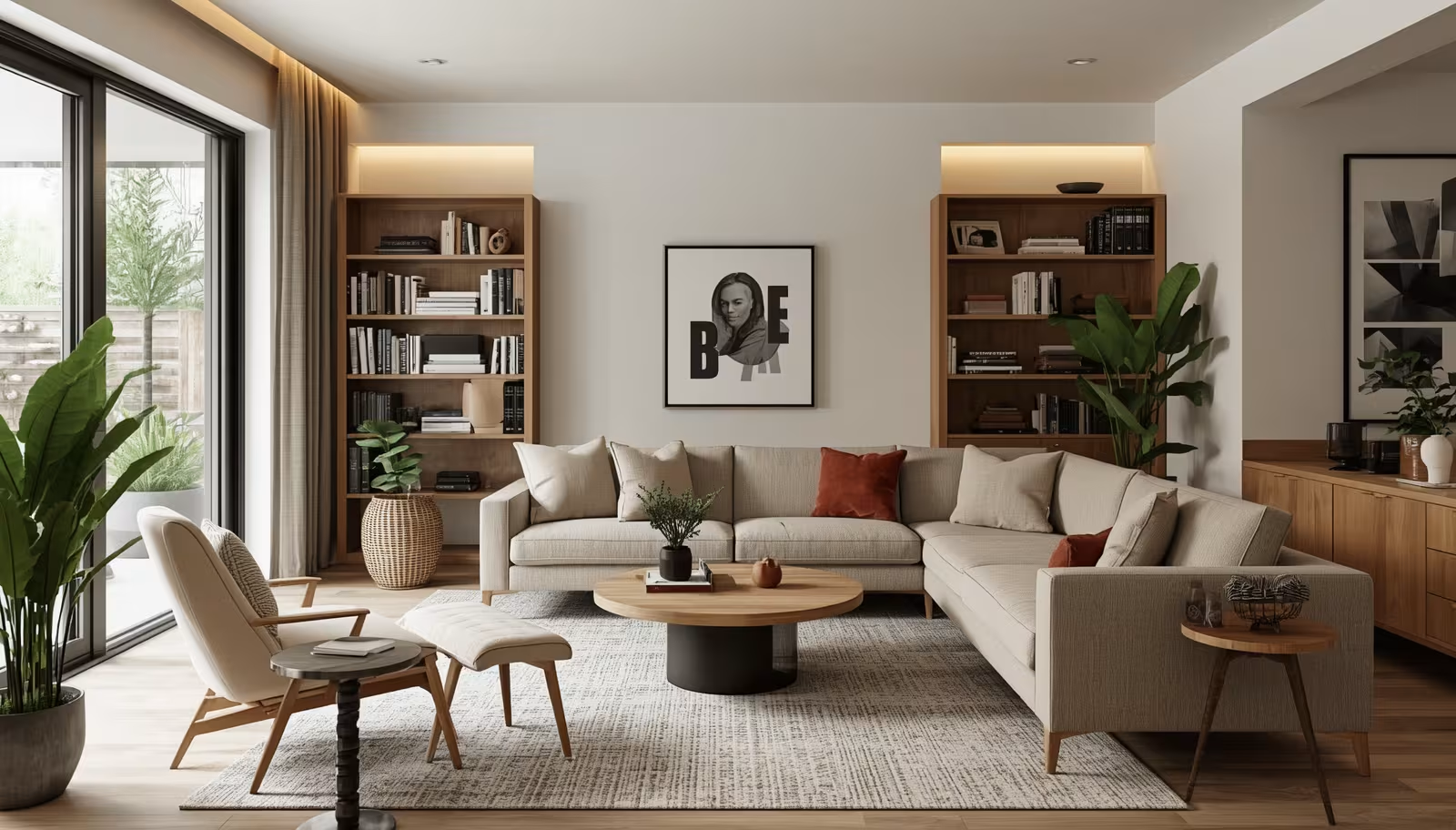
In a living room, the sofa should usually face either a view, a fireplace, a media wall, or a conversation area. Chairs should feel invited into the layout, not pushed against the wall like waiting room seats. A coffee table needs enough room around it for movement, yet close enough to serve the people sitting nearby. These spacing choices quietly decide whether a room feels generous or cramped.
A family in Lahore once replaced an oversized sectional with a smaller sofa, two curved chairs, and a woven rug that defined the seating area. The room did not lose comfort. It gained air, better conversation, and a softer sense of order. That is the hidden strength of modern design when it respects daily habits instead of chasing showroom drama.
Why Open Space Needs Purpose
Open-plan interiors can feel fresh, but they can also feel unfinished when every zone blends into the next. A modern house needs visual cues that separate living, dining, and work areas without building walls everywhere. Rugs, ceiling lights, console tables, and changes in texture can shape zones while keeping the home open.
A dining table under a pendant light feels anchored. A reading chair beside a floor lamp feels intentional. A hallway console with a mirror creates pause between rooms. These small anchors guide the eye and help the home feel designed rather than scattered.
2. Choose a Warm Modern Color Palette
White walls and gray furniture do not automatically create a modern home. In fact, too much cool gray can make a space feel flat, especially in rooms with limited sunlight. Modern interiors feel more welcoming when the base palette includes warm neutrals, muted earth tones, and soft contrast.
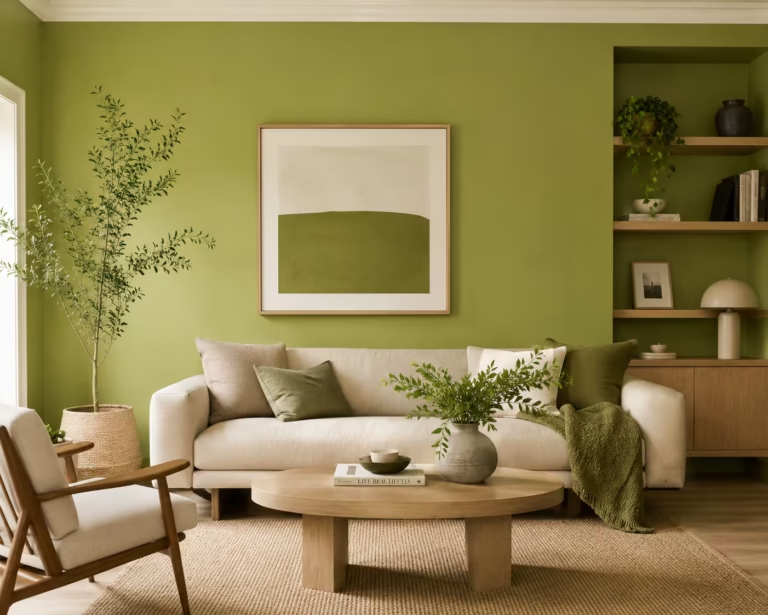
Cream, greige, taupe, clay, mushroom, warm white, sand, and pale olive all work well in contemporary home design. These colors give the room a calm foundation without making it feel sterile. Black, charcoal, or deep brown can add structure, but they work best as accents rather than heavy blocks across every surface.
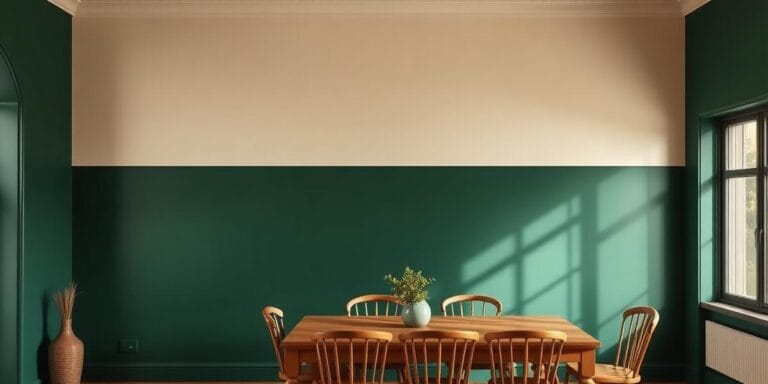
Color should also respond to light. A shade that looks soft in a sunny room may turn dull in a darker hallway. Paint samples need testing on different walls during morning, afternoon, and evening. This small step prevents the common mistake of choosing a color from a screen and then wondering why the room feels colder than expected.
The Power of Soft Contrast
Modern interiors need contrast, but harsh contrast can tire the eye. A warm white wall with medium oak furniture, a beige rug, and black metal lighting often feels sharper than a room filled with pale pieces that all blend together. Contrast gives shape to the design.
The trick is to repeat contrast in small, controlled ways. A black picture frame can speak to a black lamp base. A walnut coffee table can connect with a dark wood door. When contrast repeats naturally, the room feels edited, not random.
3. Use Natural Materials to Add Soul
A modern house feels more human when it includes materials that age, soften, and show texture. Wood, linen, wool, jute, stone, clay, rattan, cotton, and leather can bring depth into even the simplest room. These materials stop a modern interior from feeling like a digital rendering.
Wood is especially important because it adds warmth without clutter. Light oak suits airy Scandinavian-inspired rooms, while walnut creates a richer and more grounded mood. Even one wooden dining table, bench, shelf, or sideboard can soften white walls and polished floors.
Natural materials also create a sensory layer. A linen curtain moves differently from synthetic fabric. A wool rug feels different underfoot from a thin printed mat. Stone and ceramic pieces catch light in uneven ways. These quiet details make a home feel lived in before anyone adds decorative objects.
When Too Many Smooth Finishes Go Wrong
Glossy floors, shiny cabinets, glass tables, and polished metal fixtures can look sleek, but too many reflective surfaces make a room feel hard. Sound bounces, light glares, and the home starts to feel less restful. Modern design needs balance between smooth and tactile surfaces.
A kitchen with flat-panel cabinets can still feel warm with wooden stools, matte tiles, woven pendants, and a runner rug. A bedroom with a simple platform bed can feel soft through cotton bedding, textured curtains, and a thick area rug. Texture does not fight modern design. It saves it.
4. Let Lighting Shape the Mood
Lighting often decides whether a modern interior feels inviting or cold. Many homes depend on one bright ceiling light, which flattens the room and creates sharp shadows. A layered lighting plan gives modern spaces warmth, depth, and flexibility.
Every main room benefits from ambient, task, and accent lighting. Ambient light fills the space. Task light supports reading, cooking, grooming, or working. Accent light highlights shelves, art, plants, niches, or textured walls. When these layers work together, the home can shift from active daytime use to calm evening comfort.
Warm white bulbs usually suit living rooms and bedrooms better than cool white bulbs. The goal is not yellow light everywhere, but a softer tone that flatters materials and skin. Dimmers also make a real difference because they let one space serve different moods during the day.
Lighting Mistakes That Make Homes Feel Flat
A pendant hung too high over a dining table can feel disconnected. A floor lamp placed far from seating can look decorative but serve no purpose. Recessed lights in a grid can brighten a room but still leave it without atmosphere.
Better lighting follows activity. Place a lamp where someone reads. Add under-cabinet lighting where food is prepared. Use wall lights to soften a hallway. Light the corner that always feels dead. Good lighting does not just brighten a room. It gives the room rhythm.
5. Bring Comfort Into Minimalism
Minimalism works beautifully when it removes noise, not comfort. A room with fewer objects still needs softness, support, and signs of life. The goal is not to own nothing. The goal is to keep what serves the room, the people, and the mood.
A comfortable sofa matters more than a sculptural one that no one wants to sit on. A bedroom needs bedding that feels good against the skin, not just a perfect hotel fold. A dining chair should support real meals, long talks, and the occasional laptop session. Modern home decor becomes stronger when comfort leads the selection process.
This is where many interiors lose their way. People buy slim furniture because it looks modern, then add extra cushions later because the room feels unfriendly. Start with comfort and refine the shape after that. A clean silhouette can still be generous.
6. Add Rugs That Ground the Space
Rugs play a bigger role in modern interiors than many people expect. They define zones, absorb sound, soften flooring, and add color or texture without overwhelming the room. A rug can make a seating area feel finished even when the furniture remains simple.
Size matters. In a living room, a rug should usually sit under at least the front legs of the main seating pieces. A tiny rug floating under a coffee table makes the room feel smaller and less settled. In a bedroom, the rug should extend beyond the bed enough that feet land on softness in the morning.
Fall Rugs and similar home decor brands often show how much one floor layer can shift the tone of a space. A muted patterned rug can warm a neutral room. A jute rug can add organic texture. A plush rug can make a sleek bedroom feel calm and private.
Pattern Without Visual Noise
Modern interior house design does not reject pattern. It uses pattern with control. A faded geometric rug, a soft stripe, or a tonal floral can add movement without taking over the room. The safest patterns often share colors already present in the space.
A patterned rug works well when the sofa, walls, and major furniture stay quieter. A plain rug works better when the room already has bold art, strong curtains, or detailed upholstery. The room needs a lead voice and supporting voices, not five elements competing for attention.
7. Mix Old and New Pieces
A home feels warmer when not everything looks purchased in one afternoon. Modern design gains character from contrast between new furniture and older pieces, handmade items, vintage finds, or family objects. This mix gives the interior a story without creating clutter.
A sleek sofa can sit beside an old wooden trunk used as a coffee table. A modern dining room can hold ceramic pieces from local markets. A clean-lined bedroom can include a framed textile, a carved mirror, or an inherited side table. These pieces create emotional weight.
The secret is editing. Not every sentimental item belongs in the main room. Choose objects with shape, memory, or material quality, then give them space to breathe. A single meaningful piece on a shelf often has more impact than a crowded display.
8. Design Storage That Looks Calm
Clutter breaks the calm rhythm of a modern home, but real homes need storage. Shoes, school bags, chargers, books, toys, paperwork, and cleaning tools all need places to land. A beautiful design fails when daily items have nowhere to go.
Built-in cabinets, closed sideboards, storage benches, drawer organizers, and wall-mounted shelves can keep surfaces clearer. Entryways need special attention because they collect the mess of the outside world. A narrow console, hooks, a shoe cabinet, and a tray for keys can protect the rest of the home from visual noise.
Open shelving requires restraint. It works best for objects that deserve display, such as books, ceramics, framed photos, and plants. Everyday packaging, tangled wires, and random extras usually belong behind doors. Calm storage supports modern design because it protects the eye from constant interruption.
9. Use Art and Decor With Intention
Modern wall decor should feel personal, not generic. Art does not need to be expensive, but it should carry mood, scale, and connection. Oversized art can make a simple room feel confident. Smaller pieces can work in groups when spacing and framing stay consistent.
Many people hang art too high. In most rooms, the center of a piece should sit near eye level, adjusted for furniture and ceiling height. Above a sofa, art should relate to the width of the furniture rather than floating like an afterthought. Scale creates belonging.
Decor objects need the same discipline. A vase, a lamp, a book stack, a bowl, or a sculptural piece can finish a surface, but every object should earn its place. Empty space has value. It lets the stronger pieces speak.
Plants as Living Design Elements
Plants bring softness, height, and movement into modern interiors. A tall indoor tree can fill an empty corner better than another chair. Small plants on shelves can break up straight lines. Fresh branches in a vase can make a room feel alive without much cost.
Plant choice should match the light and care routine of the household. A struggling plant does not add beauty. Low-maintenance greenery often works better for busy families than delicate varieties that need constant attention.
10. Keep Technology Quiet
Modern homes rely on technology, but screens, wires, routers, speakers, and chargers can quickly dominate a room. A well-designed interior lets technology serve the household without becoming the visual center of every space.
Media walls look better when storage surrounds the screen or when the screen sits within a balanced arrangement of shelves, panels, or artwork. Cable management matters more than people think. Visible wires can make even expensive furniture look unfinished.
Smart home features should also feel natural. Lighting controls, speakers, thermostats, and security devices work best when placed thoughtfully and kept visually quiet. The room should still feel like a home, not a control center.
11. Create Bedrooms That Feel Restful
A modern bedroom should calm the nervous system. That means fewer visual distractions, softer lighting, layered bedding, and furniture that supports rest rather than storage overload. The bed should feel like the clear center of the room.
Warm neutrals, muted greens, soft blues, clay tones, and gentle browns often work well in bedrooms. High-contrast palettes can look stylish, but they may feel too sharp for sleep spaces when used heavily. Texture can carry the design instead of strong color.
A couple in Islamabad updated their bedroom by replacing glossy wardrobes with matte fronts, adding linen curtains, and placing a wool rug under the bed. They kept the same bed frame and wall color. The room felt quieter because the finishes stopped fighting the purpose of the space.
12. Let the Kitchen Feel Connected, Not Clinical
Modern kitchens often lean toward flat cabinets, clean counters, and built-in appliances. These features can look refined, but the room still needs warmth because kitchens carry daily life. Food, conversation, family routines, and small rituals all happen there.
Wood accents, warm lighting, stone counters, ceramic backsplashes, and comfortable stools can soften a modern kitchen. A runner rug can also help, especially in long galley kitchens or open-plan homes where the kitchen connects to the living area.
Countertops need breathing room, but they do not need to be empty. A wooden board, fruit bowl, small lamp, or ceramic utensil holder can make the kitchen feel used in the best sense. The goal is controlled life, not sterile perfection.
13. Make Small Spaces Feel Designed
Small modern interiors need clarity more than decoration. Every piece should solve a problem or create visual value. Slim furniture, wall storage, mirrors, light colors, and raised legs can make compact rooms feel more open.
A small living room often works better with one good sofa and two movable stools than with bulky matching sets. A round dining table can soften tight corners. Wall-mounted nightstands can free floor space in bedrooms. Scale should guide every purchase.
Small spaces also punish clutter faster. Closed storage, fewer decor pieces, and consistent materials help the room feel calm. When a compact home uses repeated tones and textures, the eye moves smoothly, and the space feels larger than its measurements.
14. Build a Home That Can Change With You
A strong modern interior can adapt. Families grow, work habits shift, budgets change, and tastes mature. Fixed finishes should stay timeless, while movable pieces can carry trends. This approach saves money and reduces regret.
Floors, cabinets, large sofas, dining tables, and built-ins should have staying power. Cushions, rugs, lamps, art, bedding, and small decor can change more easily. A warm neutral base gives the home room to evolve without full renovation.
Modern design feels most successful when it supports life as it changes. A room that only looks good on the day it is photographed has missed the point. A room that still feels comfortable, useful, and beautiful after years of real use has done its job.
Wrap Up:
Modern interior house design feels like home when it balances clean structure with warmth, comfort, texture, and personal meaning. Layout, lighting, rugs, storage, natural materials, and thoughtful decor all shape how a space feels in daily life. The strongest modern homes do not chase perfection. They create calm, useful rooms where people can live fully and feel at ease.
FAQs Section:
What makes a modern interior house design feel warm?
Warmth comes from natural materials, layered lighting, soft textures, warm neutral colors, and furniture arranged for real conversation and comfort. A modern room feels inviting when it has both order and human detail.
Which colours work best for a cozy modern home?
Warm white, cream, taupe, greige, sand, clay, olive, walnut, and soft brown tones work well in cozy modern interiors. These shades create calm without making the home feel cold or empty.
How can rugs improve modern home decor?
Rugs define spaces, soften hard floors, reduce echo, and add texture or pattern to modern rooms. The right rug size and material can make a living room, bedroom, or dining area feel more grounded and finished.
Disclaimer:
This content shared by Fall Rugs is solely for research and informational purposes. Fall Rugs is not a professional interior design or home renovation consultancy, and the information provided should not be considered professional advice for home improvement or decor. All ideas and suggestions are based on current trends and general knowledge in the home decor industry.