
TL;DR
Small apartments can thrive with indoor greenery by using vertical space, window sills, and trailing species that do not take up floor area. Choosing low-maintenance plants like pothos or snake plants ensures long-term survival in low-light environments. Strategic placement near natural light sources creates a balanced, open feel without causing physical clutter.
Introduction
Can a cramped studio apartment handle a mini indoor jungle without feeling like a crowded greenhouse? Many city dwellers struggle to balance their love for nature with a lack of square footage. Renters often face poor natural light, tight corners, and strict rules against drilling into walls. This guide offers practical ways to introduce lush greenery into tight spaces while keeping your home open, airy, and stylish.
1. Vertical Climbing Plants for Narrow Wall Spaces
Maximized wall space is the secret weapon of any apartment resident. Instead of letting potted plants crowd your limited floor space, encourage climbing varieties to grow upward along book shelves, exposed pipes, or minimalist wall trellises. This technique draws the eye toward the ceiling, which makes small rooms feel significantly taller than they actually are.
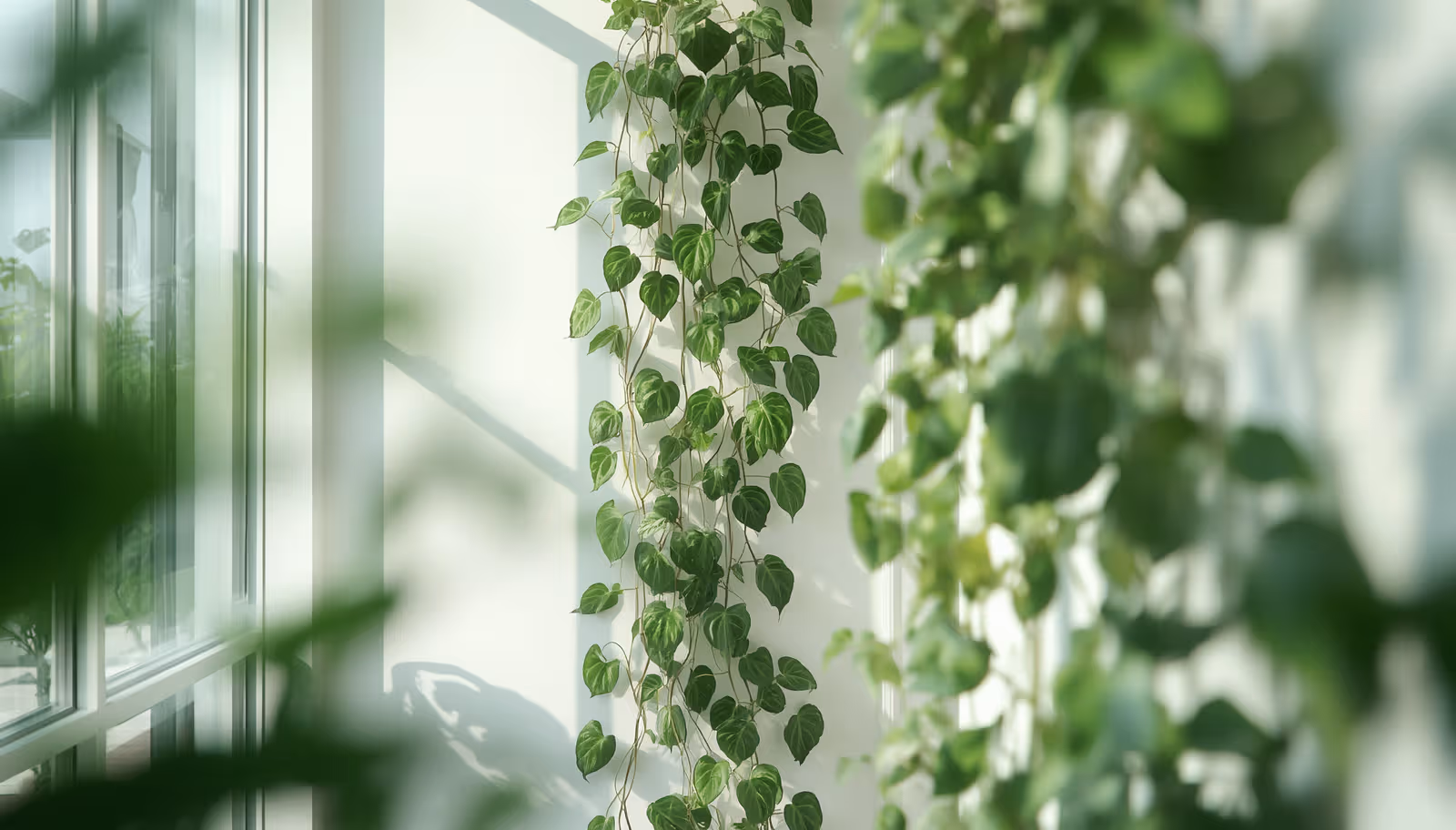
The classic Golden Pothos remains a favorite choice for this specific setup due to its rapid growth rate and hardy nature. Beginners can easily train these vines using small, clear plastic adhesive clips attached directly to drywall. A common mistake is letting the vines hang down until they block walkways or cabinet doors, so steering them upward is always the better route.
In a small Chicago apartment renovation completed in 2023, designers used three potted Monstera Adansonii on a narrow kitchen column. Over twelve months, the Swiss cheese vines covered the structural post completely, turning an ugly concrete pillar into a vibrant focal point. This approach saved valuable floor area while introducing a massive amount of green foliage.
- Golden Pothos adapts well to low fluorescent light and requires watering only when the top two inches of soil feel dry.
- English Ivy provides a dense leaf pattern but needs regular misting to prevent spider mites in dry apartment air.
- Philodendron Cordatum offers heart-shaped leaves that trail gracefully or climb strings with minimal assistance.
2. Window Sill Herb Gardens for Sunny Kitchens
Kitchen counters are premium real estate in any small layout, making standard pots impractical for daily meal preparation. Utilizing the actual window sill for a compact herb collection solves the space problem while providing fresh ingredients for cooking. Most culinary herbs require at least six hours of direct sunlight, making south-facing windows the ideal location.
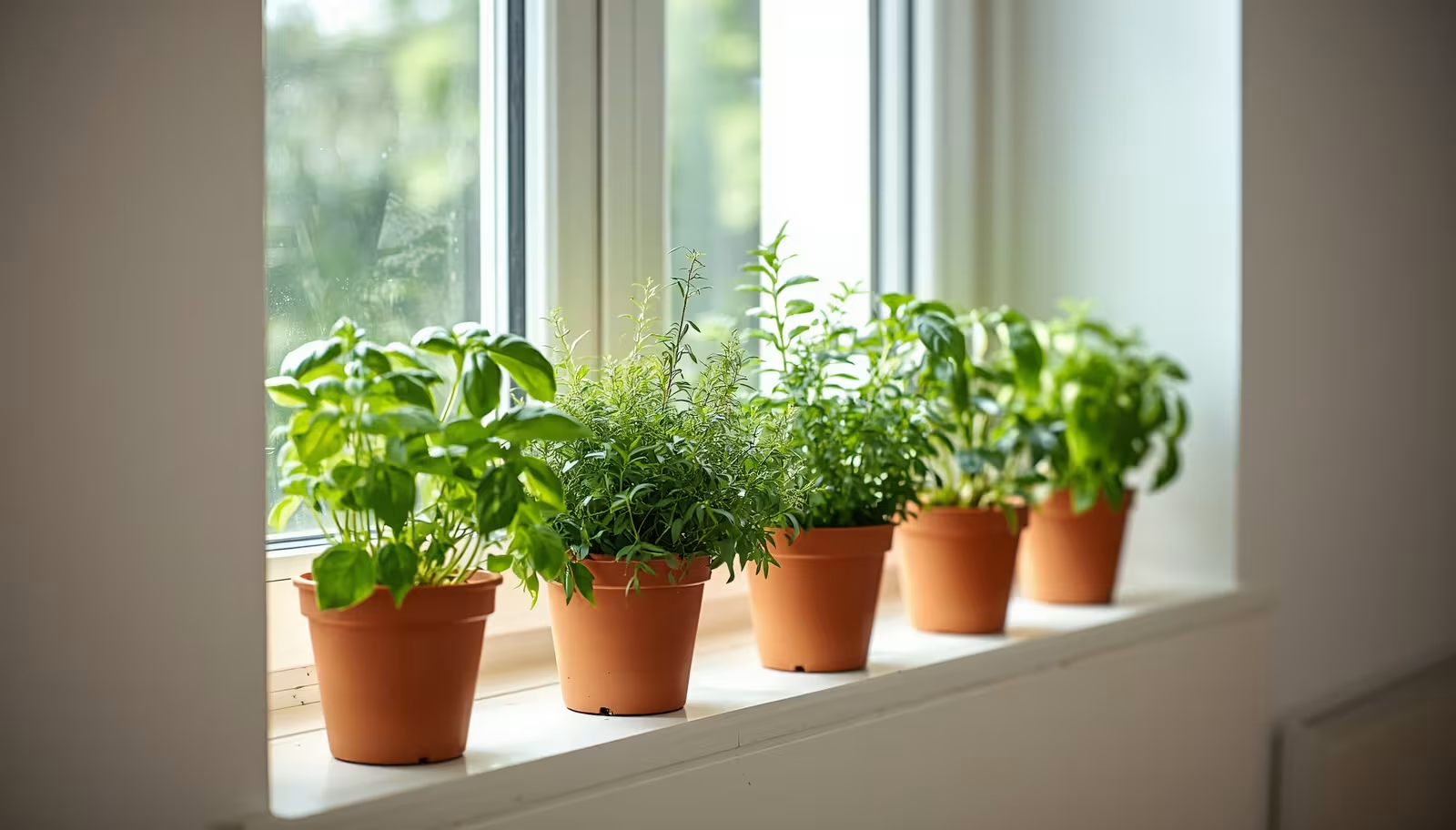
Moisture management is critical in these micro-environments because small terracotta pots dry out much faster than large living room planters. Placing a shallow zinc tray filled with small pebbles underneath the pots catches excess water and protects wooden window frames from rotting. This arrangement keeps the kitchen organized and ensures your cooking herbs stay within arm’s reach.
A home chef in a 450-square-foot Boston studio utilized an IKEA Sunnerstg rail system mounted directly across a kitchen window frame. By hanging lightweight plastic containers filled with sweet basil, rosemary, and thyme, she kept her countertops completely clear. The setup produced fresh herbs throughout the winter of 2024 while acting as a natural privacy screen from neighbors.
- Sweet Basil needs consistent warmth and bright light to prevent the leaves from turning black.
- Rosemary thrives on neglect and requires coarse, well-draining soil mixed with sand to prevent root rot.
- Italian Parsley grows reliably in shallow containers and tolerates the cooler drafts found near older window panes.
3. Compact Low Light Varieties for Dark Corners
Every apartment has that one dark corner where nothing seems to grow, often near a hallway or away from windows. Placing high-light tropical plants in these zones leads to yellowing leaves, leggy stems, and eventual plant death. The solution lies in selecting species that naturally grow on the shaded forest floor, where sunlight rarely penetrates.
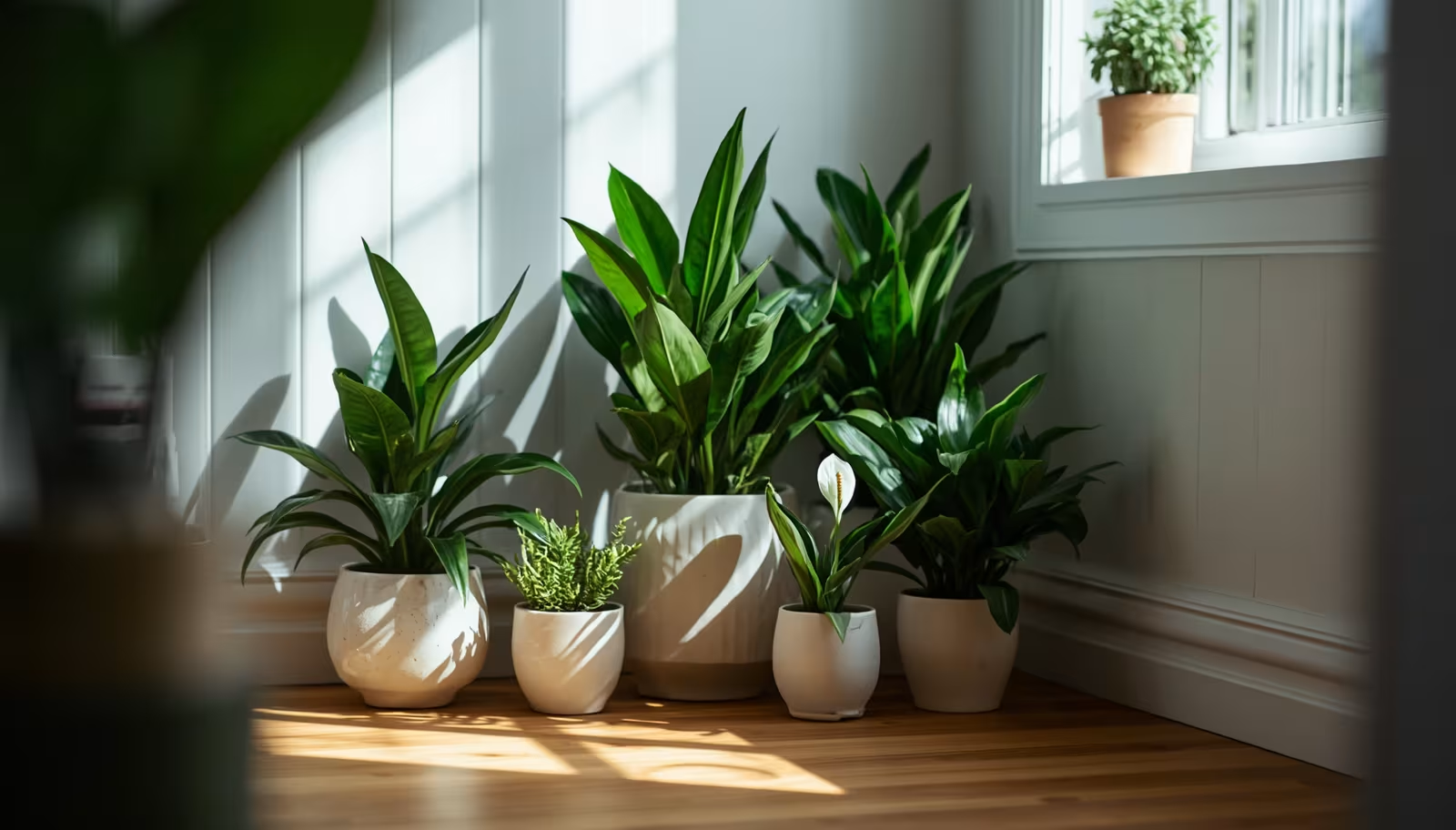
The ZZ Plant (Zamioculcas zamiifolia) is practically indestructible and handles dark corners better than almost any other species. Its glossy leaves reflect what little ambient light enters the room, creating a bright spot in an otherwise gloomy area. Overwatering is the biggest risk here, as plants in low-light settings process water much slower than those in sunny spots.
Interior decorators frequently use the Snake Plant (Sansevieria) in narrow entryway corners where furniture will not fit. A real-world test in a dark Seattle basement apartment showed that a three-foot Laurentii Snake Plant survived for three years with only a single north-facing window nearby. The plant maintained its rigid shape and dark green variegation with just a monthly watering routine.
- ZZ Plants store water in thick underground rhizomes, meaning they can go weeks without a single drop.
- Cast Iron Plants earn their name by surviving low light, fluctuating temperatures, and poor air circulation.
- Aglaonema Chinese Evergreen introduces splashes of pink or silver foliage without needing bright sunlight.
4. Floating Shelves and Magnetic Planters for Wall Accents
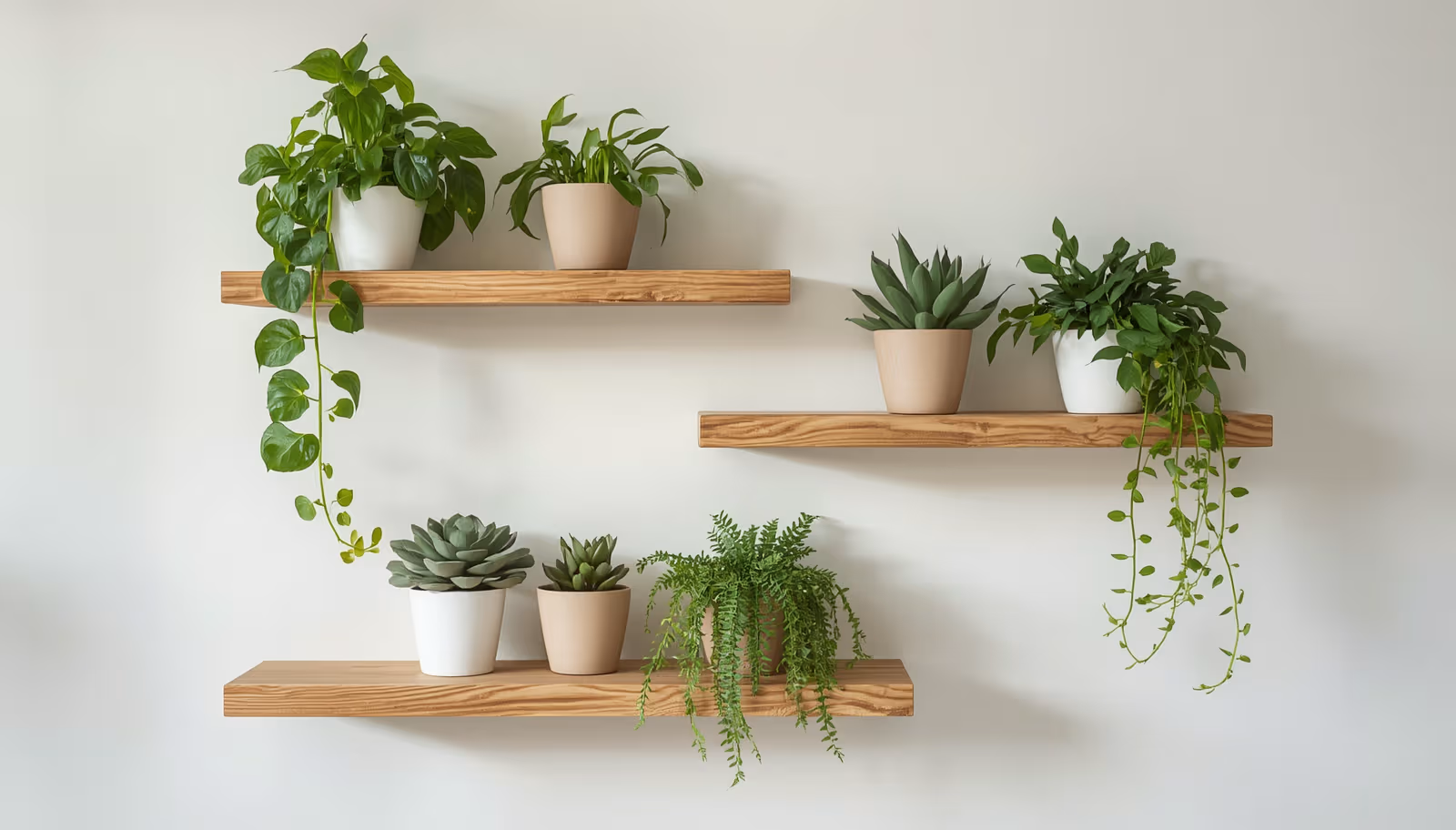
When floor space is zero, walls must do the heavy lifting for your home decor. Installing floating shelves allows you to stack multiple plant varieties vertically without losing a single square inch of walking space. This method works exceptionally well above sofas, beds, or desks where traditional furniture cannot stand.
For renters who cannot drill holes into walls, magnetic planters offer a clever alternative on metal surfaces like refrigerators or steel doors. Brands like Target and West Elm sell lightweight ceramic or plastic vessels equipped with industrial-strength magnets. These pockets are perfect for small succulents or air plants that do not require heavy, wet soil mixtures.
An editorial stylist in New York City used three staggered maple floating shelves from Pottery Barn to display a collection of trailing succulents above a workspace. By mixing a string of pearls plant with small ceramic objects, she created a living art piece. The arrangement kept the small desk completely clear for a laptop and paperwork while keeping nature in view.
- String of Pearls requires bright indirect light and infrequent watering to prevent the delicate beads from bursting.
- Air Plants (Tillandsia) do not need soil at all and only require a weekly twenty-minute soak in room-temperature water.
- Hoya Carnosa features thick waxy leaves that store moisture, making it an excellent candidate for high shelves.
5. Desktop Terrariums and Miniature Glass Ecosystems
Large indoor trees like the Fiddle Leaf Fig are too massive for a standard studio apartment and often decline in health due to dry indoor air. Desktop terrariums offer a self-sustaining alternative that fits comfortably on a coffee table, nightstand, or home office desk. These enclosed glass containers trap moisture, creating a humid microclimate where delicate tropical plants can thrive.
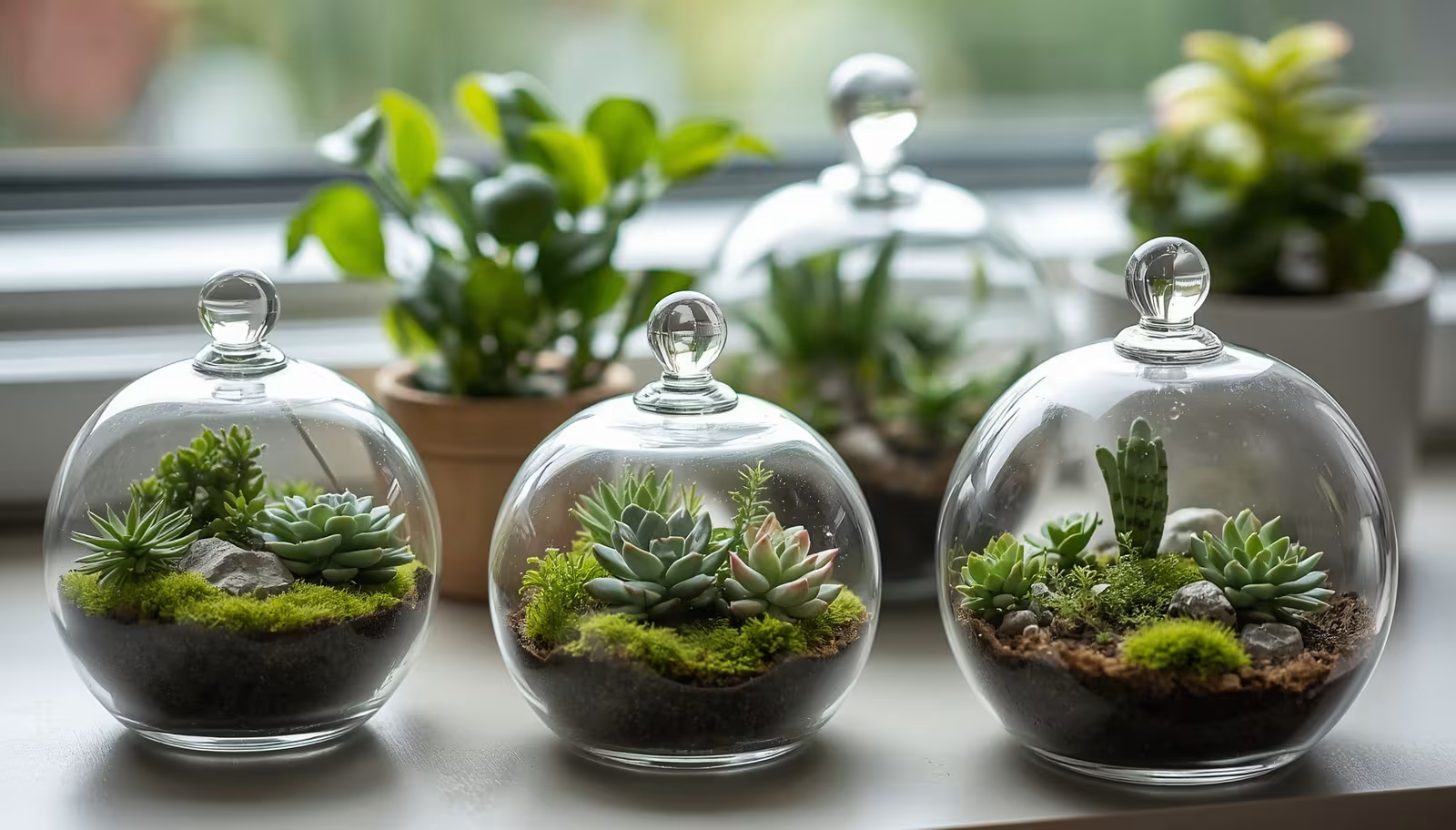
Closed terrariums function as miniature ecosystems where water evaporates from the soil and condenses on the glass walls, trickling back down to water the plants. This means they require almost no maintenance, sometimes going months between waterings. Open glass bowls work better for desert plants like cacti, which need dry air and constant ventilation to prevent mold growth.
During a small-space design showcase in San Francisco, an editor demonstrated how a single ten-inch glass apothecary jar could house three different types of miniature ferns and fit on a standard bookshelf. The tiny ecosystem remained healthy for two years without outgrowing its glass container. This setup provided the visual benefit of a lush green forest on a microscopic scale.
- Fittonia Nerve Plants display striking white or red vein patterns that pop beautifully against green moss backdrops.
- Cushion Moss acts as a natural green carpet that regulates humidity levels inside closed glass vessels.
- Miniature Ferns stay small when their root systems are restricted by the tight boundaries of a terrarium.
6. Tall Feathered Palms for Narrow Empty Corners
Sometimes a small room needs a single bold statement piece rather than a dozen tiny pots scattered around. Small apartments often have awkward, narrow gaps between wardrobes and walls that accumulate dust. A tall, slender plant with a small footprint can fill these dead zones, softening sharp architectural lines without blocking paths.
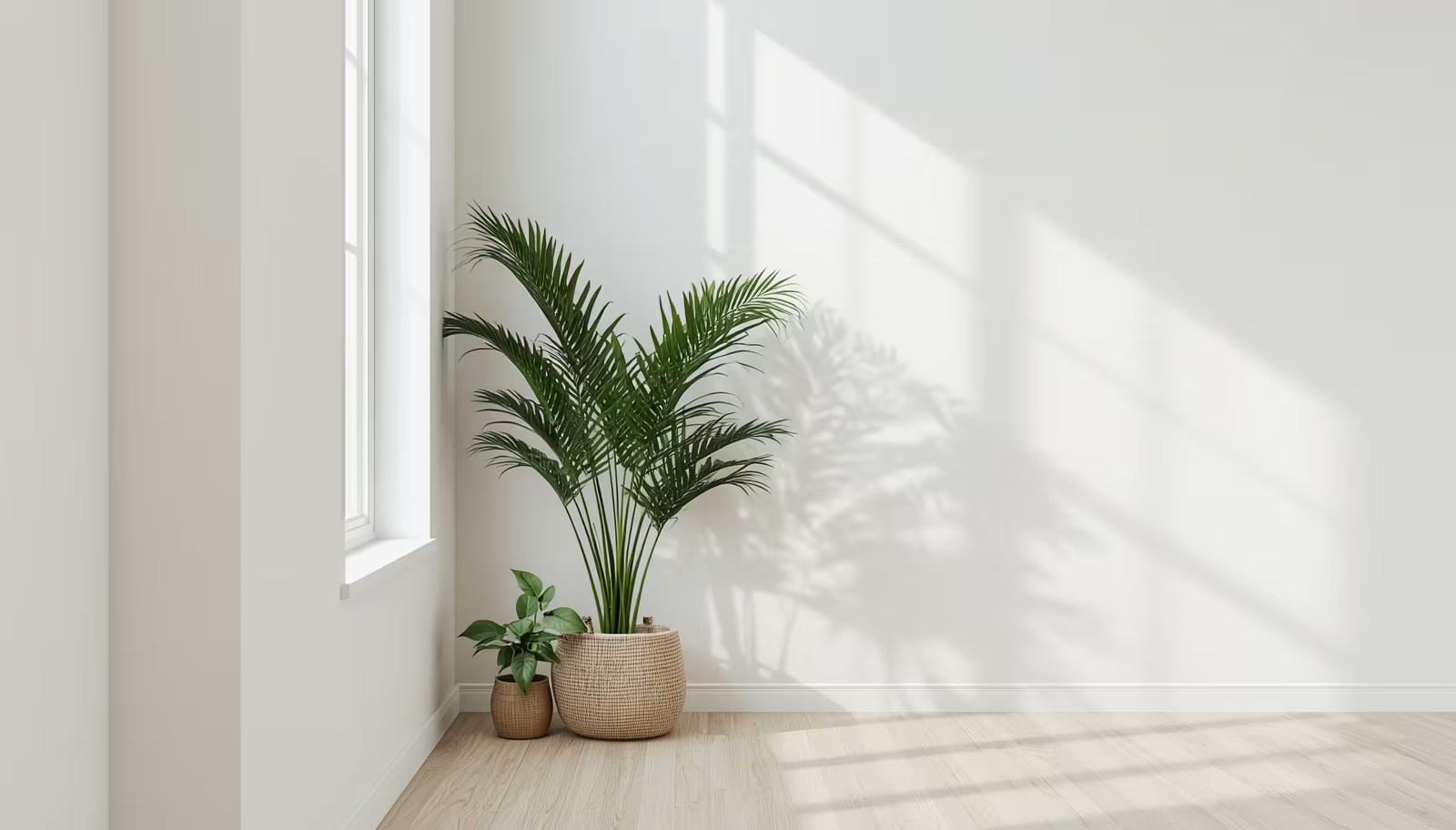
The Kentia Palm is an excellent choice for this role because it grows upright rather than spreading out horizontally. Its elegant, feathered fronds arch gracefully at the top, leaving the lower trunk slim and unobtrusive. While these slow-growing palms can be expensive, their ability to tolerate low light and indoor heating makes them a reliable long-term investment.
A homeowner in a compact London flat placed a five-foot Kentia Palm in a tight space between a West Elm sofa and the main window. The palm added necessary height to the room layout without interfering with foot traffic or blocking the view outside. The fine texture of the fronds cast beautiful, soft shadows across the living room walls during sunny afternoons.
- Kentia Palms prefer indirect light and should only be watered when the top half of the soil dry out.
- Parlor Palms offer a similar feathered look at a lower price point, though they stay much shorter over time.
- Areca Palms need higher humidity and brighter light, making them slightly more challenging for dry apartments.
7. Hanging Planters to Utilize Dead Ceiling Space
Ceilings are the most underutilized areas in modern apartment design. Hanging planters allow you to introduce large, cascading green displays completely outside your normal living zone. This strategy keeps plants safe from curious pets and toddlers while turning ordinary ceilings into lush, living canopies.
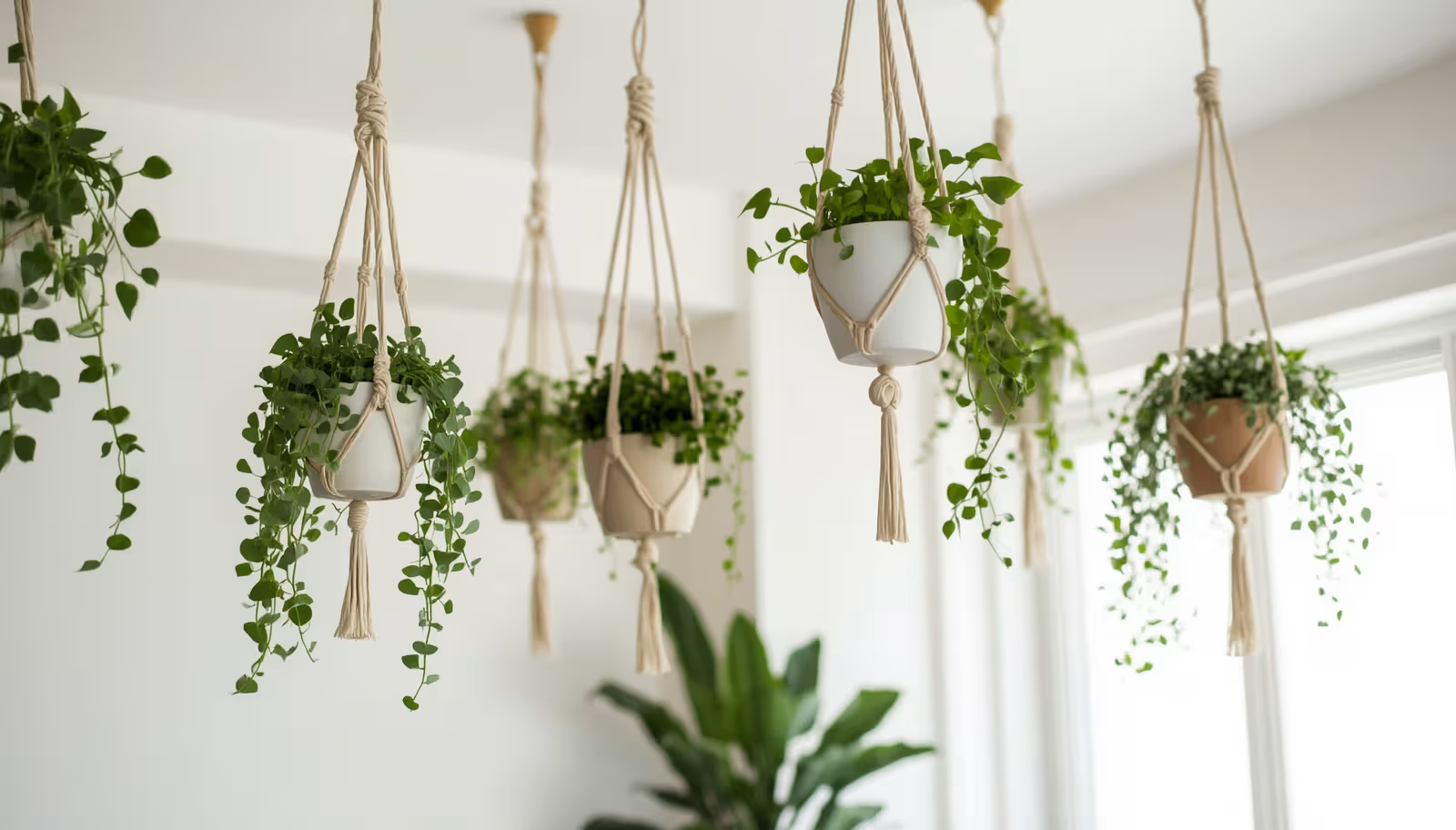
Swivel hooks screwed directly into wooden ceiling joists provide the most secure support for heavy, wet pots. If you are renting, look for heavy-duty adhesive hooks rated for at least ten pounds, or hang planters from curtain rods and tension bars. Macrame hangers from brands like Ruggable or local artisan shops add a soft, textile texture that complements natural green foliage.
A practical example was seen in an Austin loft where the resident used a heavy-duty shower curtain tension rod across a wide window alcove. He hung four lightweight plastic pots filled with Boston Ferns along the bar. The ferns received perfect humidity from the window exposure while creating a natural, living valance that replaced traditional fabric curtains.
- Boston Ferns love high humidity and will shed brown leaves if the indoor air becomes too dry.
- Spider Plants produce small baby offsets that hang down on long stems, creating a playful silhouette.
- Burro’s Tail features thick, cascading braided stems that look stunning when viewed from directly underneath.
8. Multi-tiered plant stands for Consolidated Collections
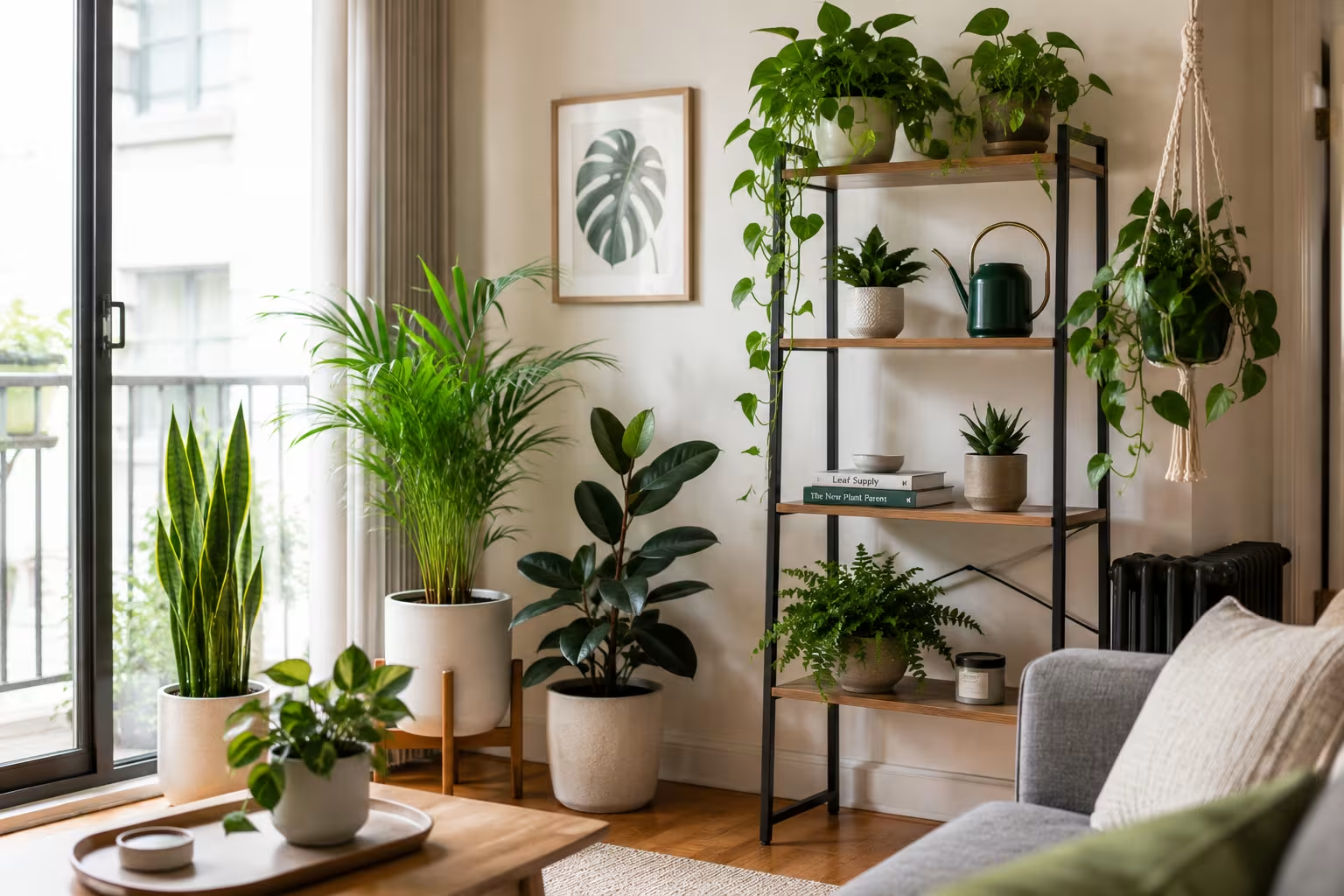
Scattering individual pots across every flat surface in an apartment can quickly make the space look messy and disorganized. Consolidating your green collection onto a single multi-tiered stand creates a deliberate design feature. This approach groups plants with similar environmental needs together, which makes the regular watering routine much faster.
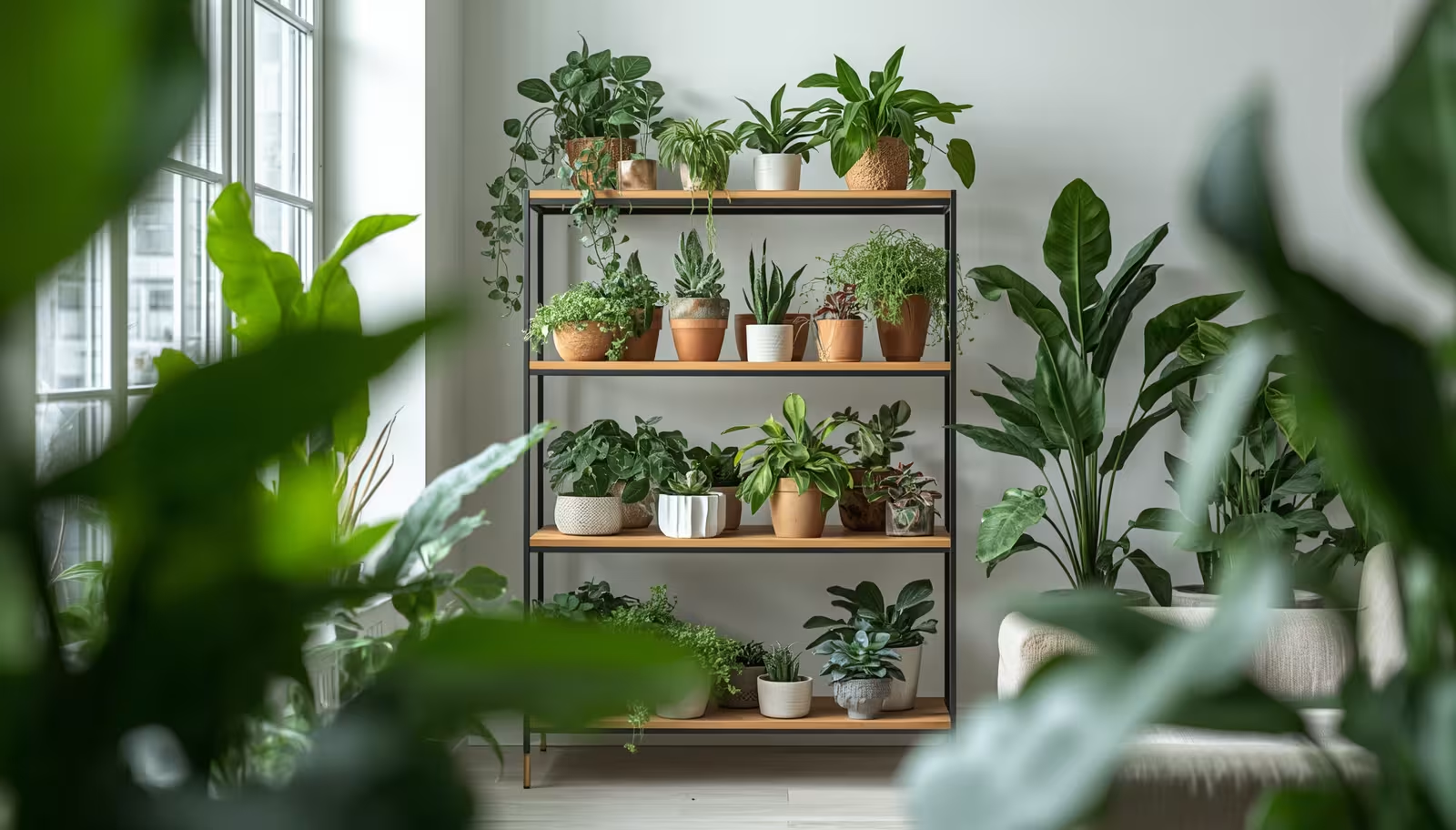
Grouping plants closely together also creates a localized microclimate with higher humidity levels as the leaves transpire. Ladder stands that lean against the wall are perfect for tight spaces because they offer three or four shelves while taking up minimal floor space. Placing larger, heavier pots on the bottom shelf ensures structural stability and prevents the stand from tipping over.
An interior blogger customized a basic wood SATSUMAS plant stand from IKEA by painting it to match her apartment walls. She placed a large peace lily on the bottom tier and smaller succulents on the upper shelves. This single vertical arrangement held eight different plants while occupying a tiny two-foot square patch of floor space in her living room corner.
- Ladder Stands utilize vertical height while allowing light to reach both upper and lower shelves evenly.
- Corner Units turn awkward ninety-degree wall intersections into efficient, multi-level growing zones.
- Wheeled Carts allow you to roll your entire plant collection toward sunny windows during short winter days.
9. Propagation Stations as Living Desktop Art
Plant propagation is the process of growing new plants from cuttings, and it can double as a beautiful minimalist decor element. Instead of hiding your glass jars of water on a back windowsill, you can use sleek glass test tubes mounted on wooden blocks as a central design piece for your coffee table or desk.
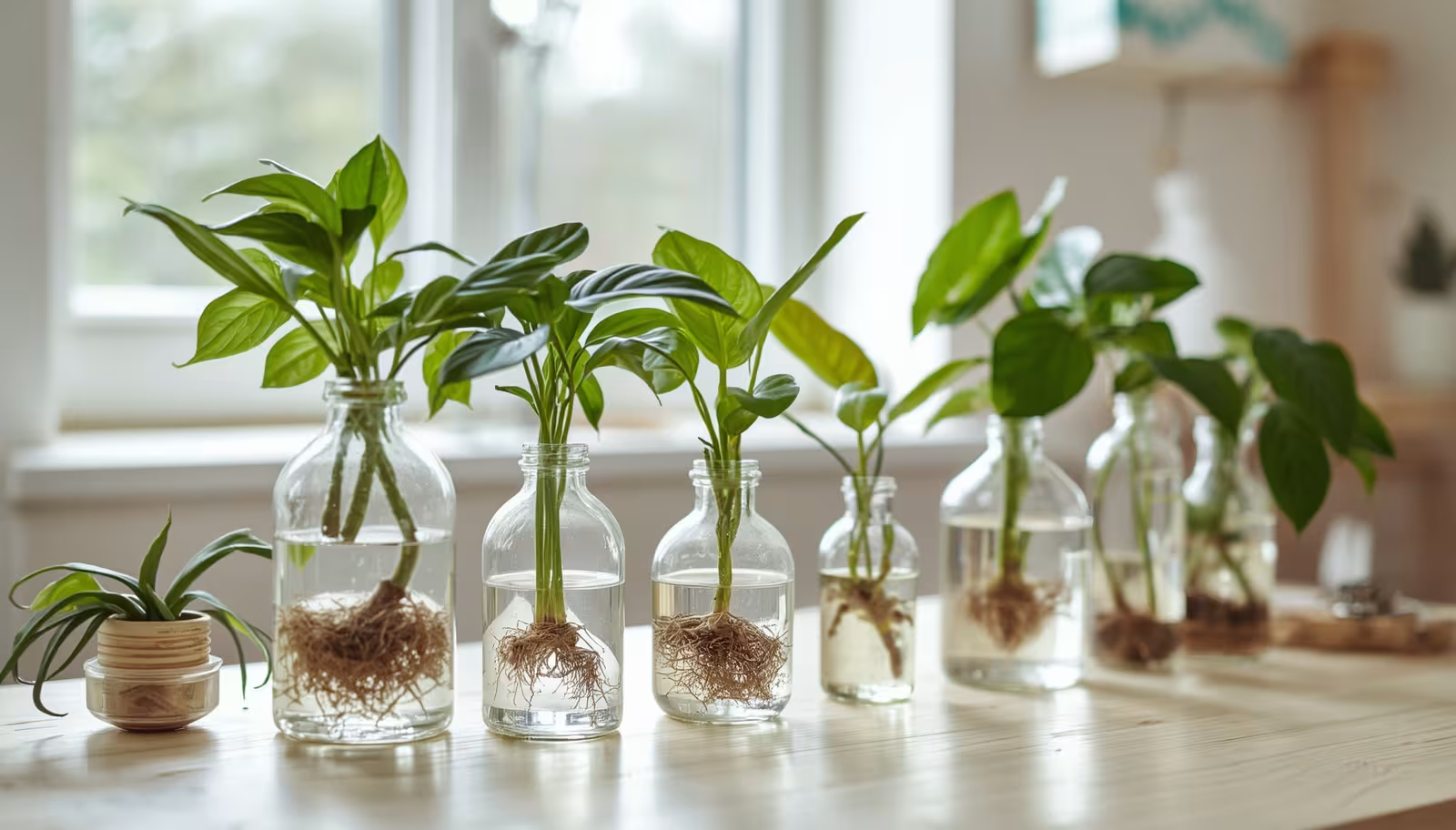
Watching new white roots develop through clear glass containers provides a fascinating look into plant biology. This method allows you to keep your plant collection small and manageable, as you can gift the rooted cuttings to friends once they outgrow the tubes. Pothos, monstera, and tradescantia cuttings root quickly in water and require almost no effort.
A remote worker in Denver set up a three-tiered laboratory glass propagation station on his mahogany desk. By placing small cuttings of neon pothos and silver satin philodendron in the tubes, he created a changing backdrop for video calls. The arrangement took up less room than a standard desk lamp while providing a daily dose of bright green color.
- Tradescantia Zebrina roots within days in water and features stunning purple and silver striped leaves.
- Monstera Deliciosa cuttings need a large glass jar to support their heavy leaves while waiting for roots to grow.
- Lucky Bamboo thrives indefinitely in pure water with a few river rocks placed at the bottom for stability.
10. Low-Profile Wall-Mounted Planters for Hallways
Narrow hallways and entryways are often left bare because standard tables block the path and create a claustrophobic environment. Wall-mounted pockets or half-pots sit flush against the drywall, allowing you to add greenery without narrowing the walkway. These low-profile containers work best with upright or gently cascading plants that do not stick out too far.
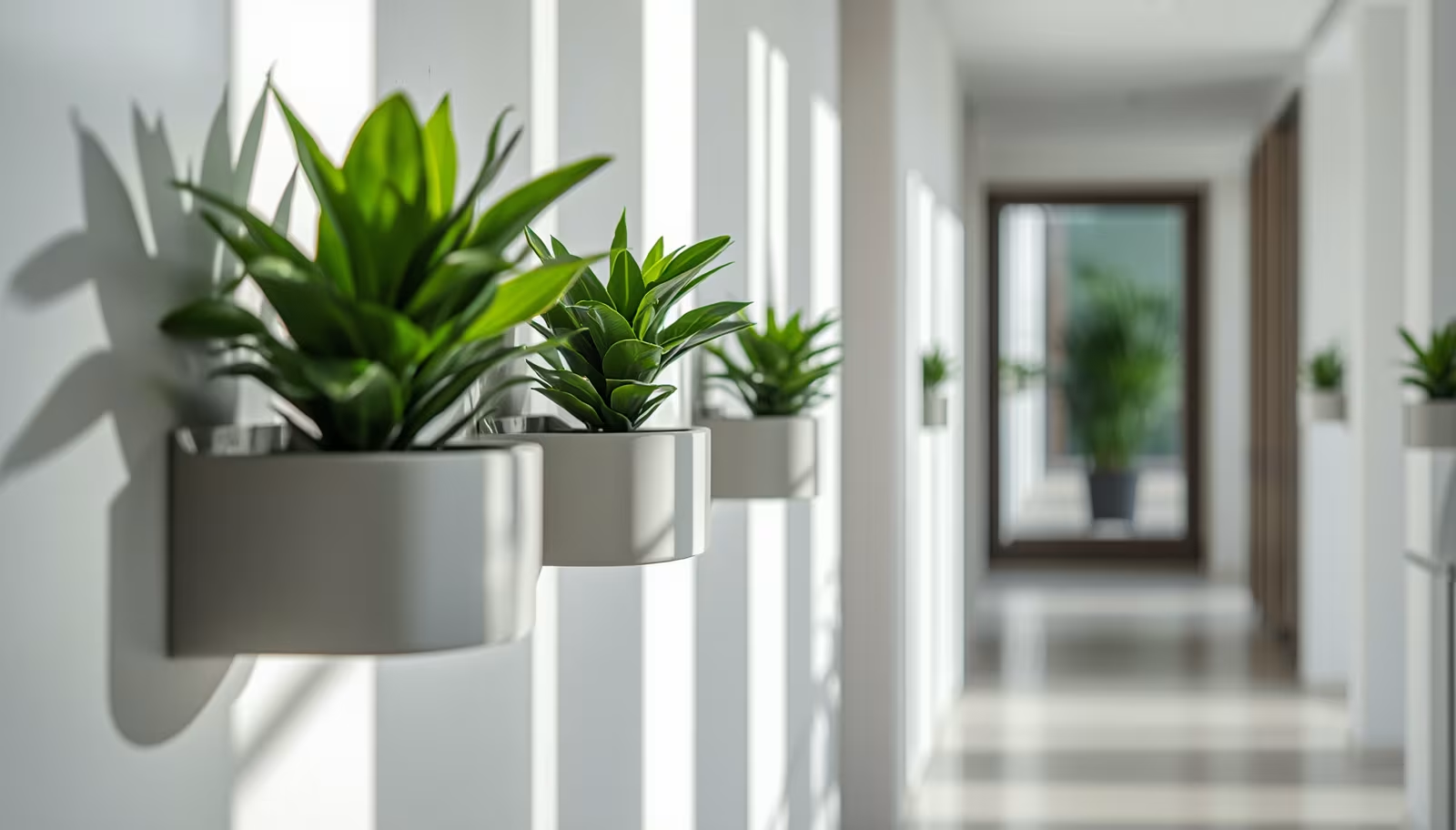
Ceramic wall pockets can be secured with simple picture-hanging hooks, making them highly renter-friendly. Because these planters usually lack traditional drainage holes to protect walls from water damage, using a plastic liner pot inside the ceramic pocket is essential. This allows you to easily remove the plant, water it in the sink, let it drain completely, and pop it back on the wall.
In a narrow Tokyo apartment hallway measuring just three feet wide, a designer installed a row of three geometric ceramic wall planters. She filled each pocket with upright Sansevieria Moonshine plants, which have flat, silvery leaves. The installation added a modern design element to a boring hallway without getting in the way of people carrying groceries inside.
- Prayer Plants (Maranta) offer beautifully patterned flat leaves that fold up at night, perfect for narrow spaces.
- Wax Begonias provide colorful foliage and small flowers while maintaining a compact, bushy growth habit.
- Peperomia Hope features round, succulent-like leaves on sturdy stems that stay close to the wall surface.
Wrap Up
Living in a small apartment does not mean you have to live without nature. By shifts from floor-heavy pots to vertical walls, high ceilings, and empty window sills, any small space can become a thriving green sanctuary. Focus on choosing hardy, low-light plants that match your specific apartment environment, and use smart shelving to keep walkways clear. With the right placement and a bit of creativity, indoor plants will make your compact home feel larger, fresher, and far more welcoming.
FAQs Section
What are the best indoor plants for apartments with very little natural light?
Snake plants, ZZ plants, and Cast Iron plants are the top choices for dark apartments because they survive in low-light conditions and require infrequent watering.
How do I prevent indoor plants from cluttering up my limited floor space?
Utilize vertical solutions like hanging planters from the ceiling, floating shelves on empty walls, and multi-tiered ladder stands that occupy a small footprint.
How often should I water indoor plants kept in small apartment spaces?
Watering depends on the specific plant type, but always check the top two inches of soil with your finger; if it feels completely dry, the plant is ready for water.
Disclaimer
This content shared by Fall Rugs is solely for research and informational purposes. Fall Rugs is not a professional interior design or home renovation consultancy, and the information provided should not be considered professional advice for home improvement or decor. All ideas and suggestions are based on current trends and general knowledge in the home decor industry.