

TL;DR
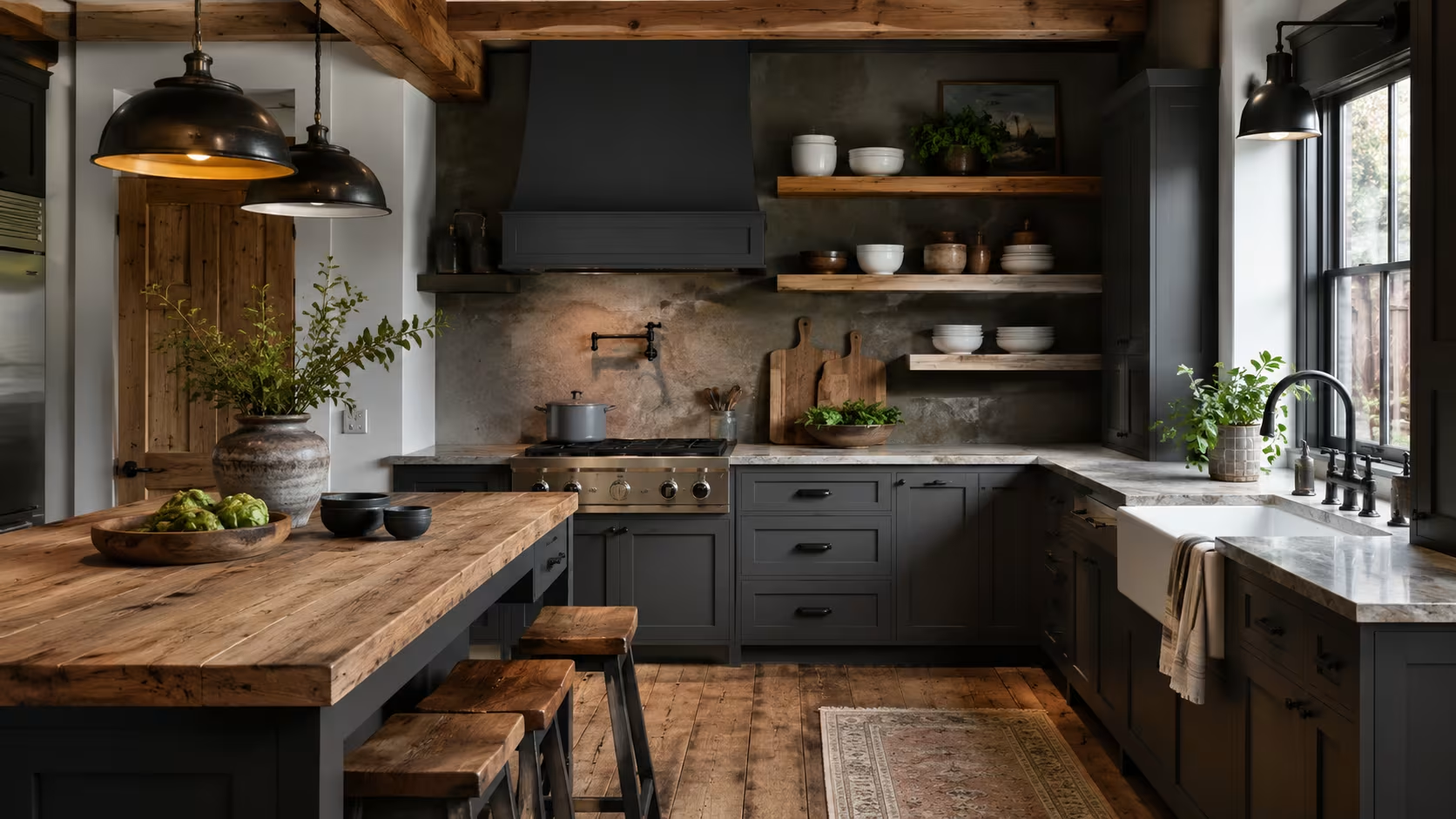
A dark rustic kitchen redesign relies on balancing deep tones with raw, natural materials to prevent the space from feeling cramped. Combining charcoal or matte black cabinetry with reclaimed oak wood and strategic task lighting creates a functional culinary space. Success depends on mixing reflective surfaces like polished stone with rough textures to maintain visual balance.
Introduction
Can a kitchen dominated by deep tones and weathered textures actually feel bright and welcoming? Many homeowners worry that choosing charcoal cabinets or dark timber will turn their cooking space into a gloomy cave. The secret lies in a careful interplay of light, contrasting materials, and smart layout choices that maximize efficiency. This guide offers practical strategies, design principles, and real-world examples to help you create a balanced, high-contrast interior that stands out.
Selecting the Right Foundation for Cabinets and Walls
The backbone of this design style sits squarely on your choice of vertical surfaces. Cabinetry often occupies over forty percent of the visual field in a kitchen, making it the most critical choice in the early planning phases. Opting for solid poplar or maple painted in deep shades like charcoal, navy, or forest green establishes a grounded atmosphere. Pairing these dark frames with open shelving made from rough-sawn white oak prevents the perimeter from feeling overly heavy.
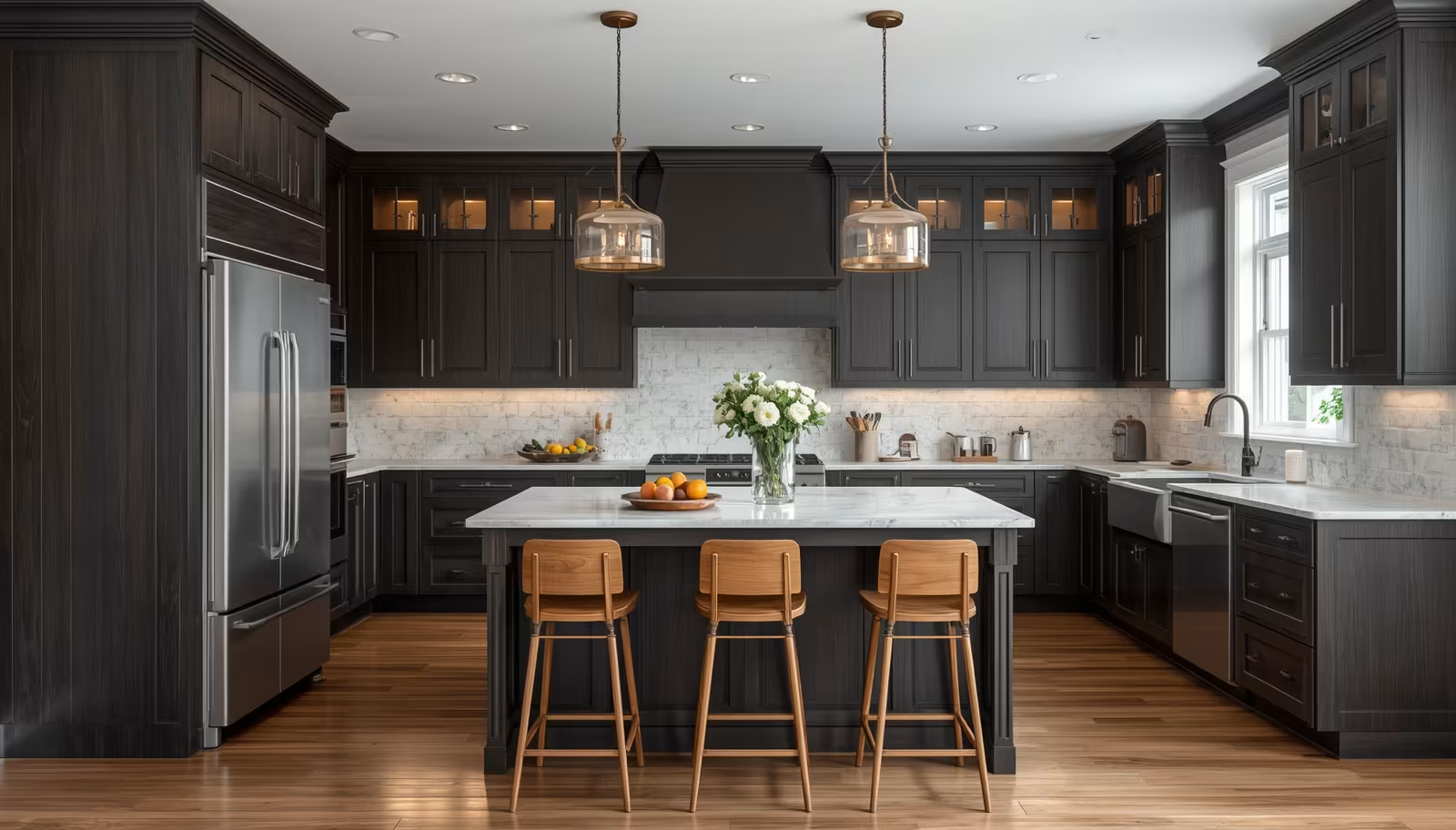
Wall treatments need to complement the cabinetry rather than compete with it. Applying a subtle plaster finish or a coat of soft gray paint with warm undertones keeps the room from feeling closed in. Exposed brick walls treated with a lime wash offer a historical connection that works well alongside newer, modern fixtures. This combination ensures the space retains its character without feeling dated.
During a 2024 renovation project in Portland, a design team paired custom shaker cabinets painted in Benjamin Moore Black Beauty with salvaged barn wood panels. The contrast prevented the small twelve-by-fourteen foot space from feeling claustrophobic. Homeowners often make the mistake of using gloss finishes on dark surfaces, which creates harsh glares and highlights fingerprints. Selecting a matte or eggshell finish diffens light more naturally across the room.
- Matte black or deep charcoal shaker cabinets provide a clean but historic look.
- Reclaimed wood accents on kitchen islands bring warmth and texture to the space.
- Limewashed brick or plaster walls soften the transition between dark fixtures and bright ceilings.
- Upper open shelving reduces visual weight compared to solid upper cabinets.
Maximizing Natural and Artificial Light Layers
Darker surfaces absorb significantly more light than standard white subway tile or light quartz. To counteract this, a multi-layered lighting plan must be integrated into the architectural drawings before construction begins. Natural light should be maximized by using minimal window treatments, allowing early morning or late afternoon sun to strike the textured wood grains. For evening utility, task lighting becomes the primary focus for safety and food preparation.
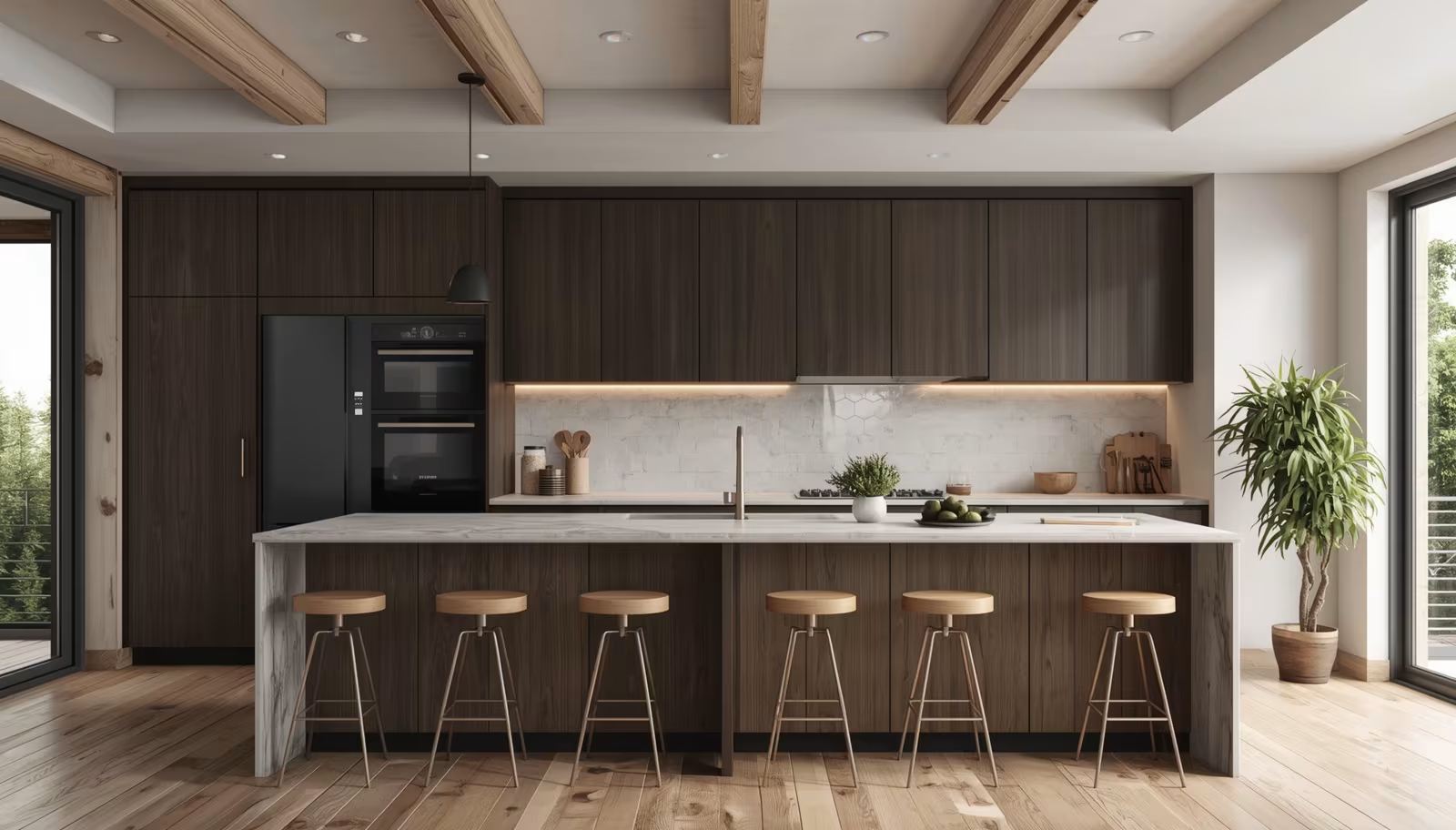
Flush-mounted ceiling fixtures rarely provide enough illumination on their own in a moody environment. Instead, installing low-profile LED strips beneath upper cabinets illuminates the work surfaces directly. Pendants hanging over a central island should feature clear glass globes or wide brass hoods that direct light downward without casting wide, distracting shadows.
A practical example can be seen in a recent kitchen remodel in Denver, where the designer utilized warm-toned bulbs rather than stark daylight LEDs. The 2700K color temperature enhanced the orange and red undertones of the walnut countertops, making the entire room feel cozier. Placing recessed spotlights precisely over the sink, range, and cutting zones ensures that prep work remains safe and efficient.
- Under-cabinet LED lighting tracks eliminate dark shadows on prep surfaces.
- Warm-toned bulbs between 2700K and 3000K bring out the rich undertones of raw wood.
- Glass or brass pendant lights offer focused illumination over islands and dining tables.
- Skylights or unadorned windows make the most of daytime sun exposure.
Selecting Durable Countertops and Backsplashes
Countertops in a rustic environment must endure daily chopping, hot pans, and occasional spills while maintaining their aesthetic value. Soapstone is an exceptional choice for this application, offering a natural darkening process over time that can be enhanced with mineral oil. It features subtle white veining that cuts through the dark surface, adding movement to long spans of cabinetry. Granite with a leathered finish offers a non-reflective texture that hides scratches better than polished stone.
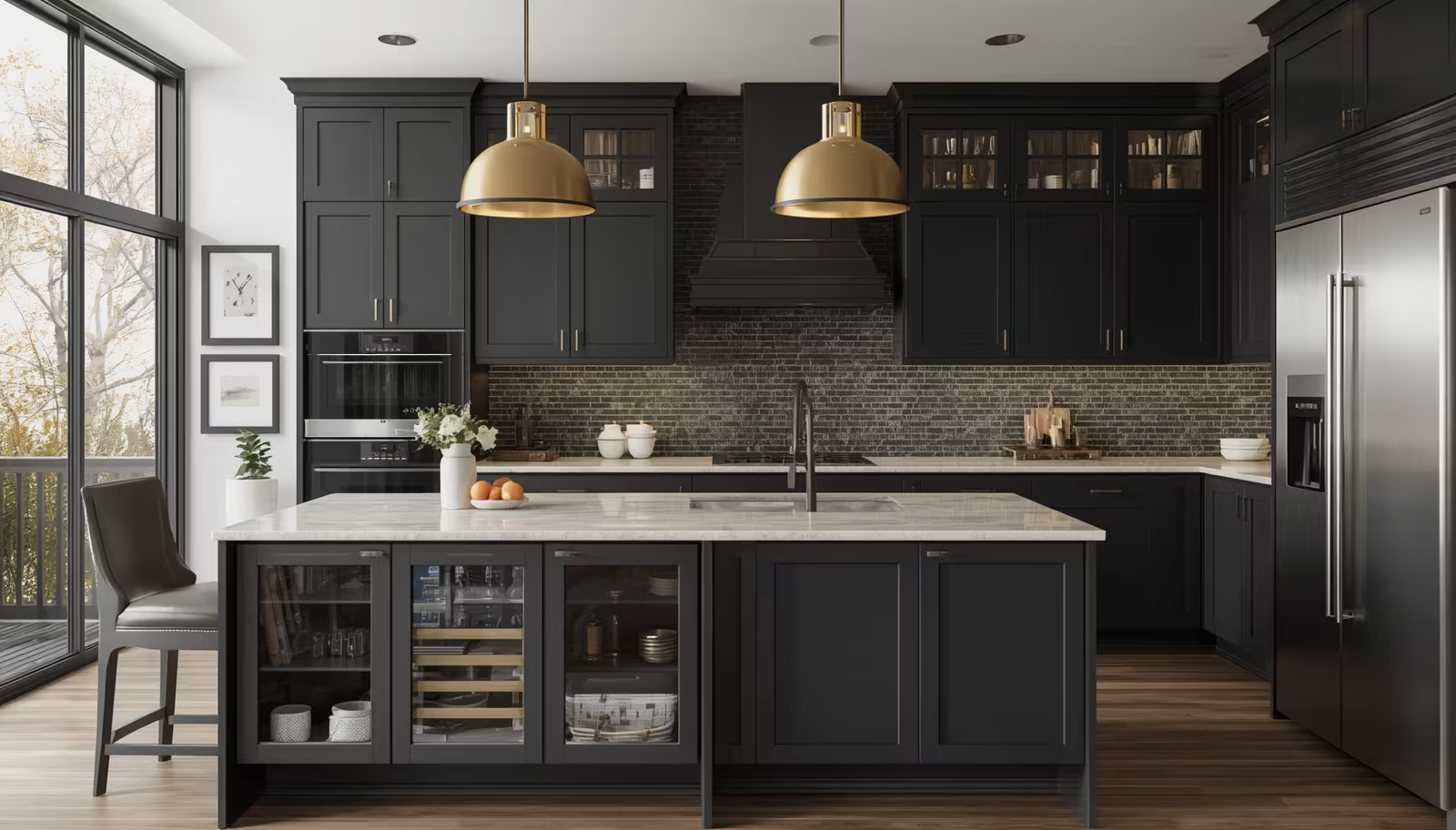
Backsplashes provide an opportunity to introduce subtle reflective qualities into the room without breaking the rustic theme. Zellige tiles, which are handmade terracotta tiles from Morocco, feature slight imperfections and glaze variations that catch light beautifully. Using a charcoal or dark gray Zellige tile adds depth and a sense of history that perfectly matches aged wood elements.
Material Comparisons for Heavy-Use Zones
When budgeting for a redesign, balancing cost against longevity is essential for long-term satisfaction. Soapstone typically ranges from ninety to one hundred and fifty dollars per square foot installed, making it a premium choice. Quartzite offers a highly durable alternative with similar veining but requires less frequent sealing than traditional marble or slate.
Long-Term Maintenance and Wear
Homeowners must consider how materials age over a decade of use. Wood countertops require annual oiling with food-safe butcher block conditioner to prevent drying and cracking around sink edges. Soapstone will chip on the corners if struck with heavy cast iron pans, though these marks can often be sanded out by hand. Choosing a matte dark granite reduces maintenance while offering excellent heat resistance near professional-grade gas ranges.
- Soapstone countertops offer a natural patina that deepens with age and use.
- Leathered granite provides a tactile surface that resists fingerprints and smudges.
- Handmade Zellige tiles introduce variation and catch shifting daylight.
- Sealing porous stones annually prevents staining from oils and acidic foods.
Integrating Hardware and High-End Appliances
The jewelry of the kitchen resides in the handles, knobs, and plumbing fixtures chosen to accent the cabinetry. Bright chrome or polished nickel often looks too clinical against weathered timber or dark green paint. Instead, unlacquered brass, oil-rubbed bronze, or matte black iron hardware fits the historical narrative. Unlacquered brass is particularly favored because it develops a unique patina over time, changing color based on where it is touched most frequently.
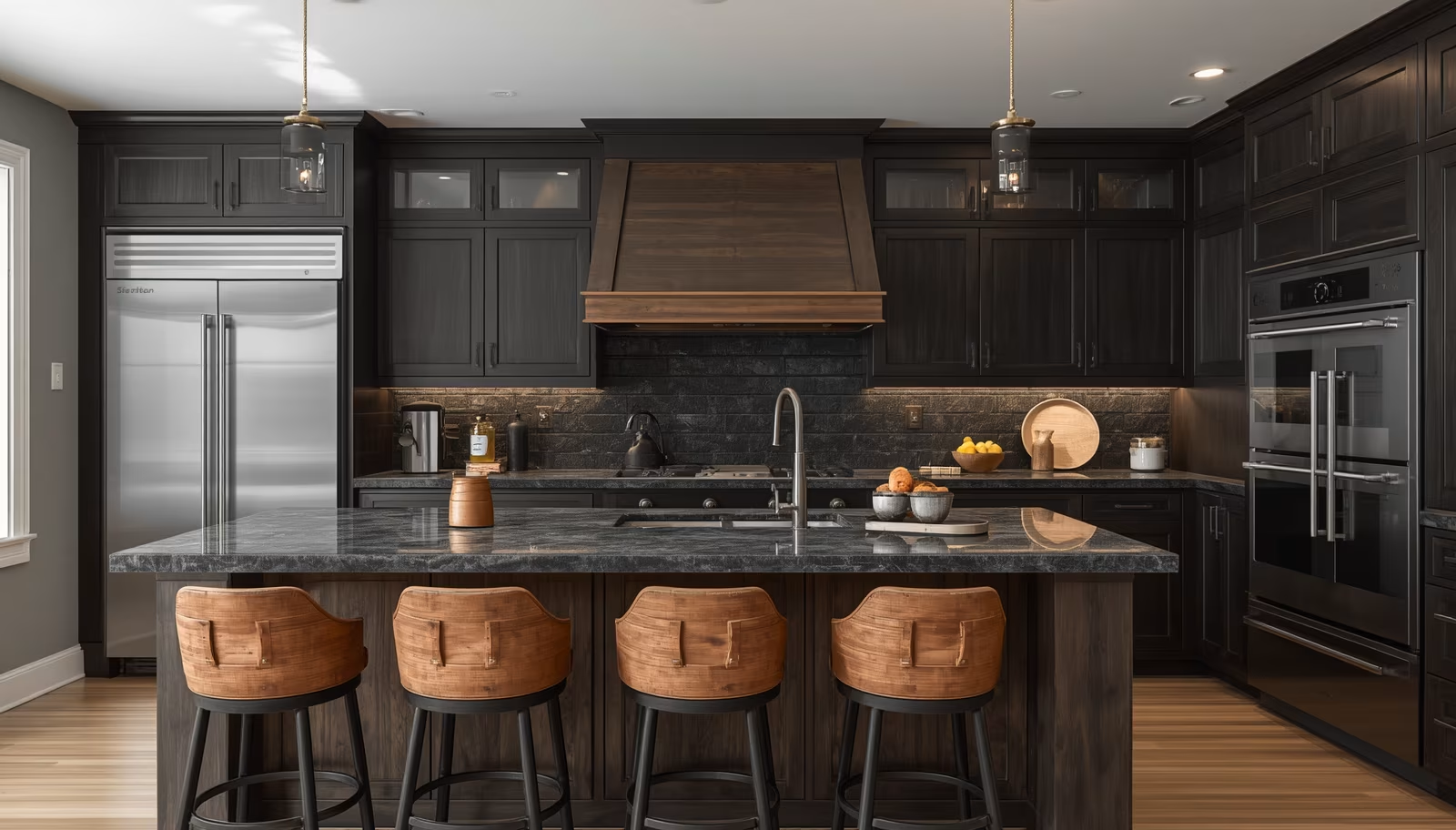
Appliances can either blend into the background or serve as distinct focal points. High-end brands like Lacanche or Ilve offer custom ranges in matte colors with brass trim that look right at home in a rustic setting. If a custom range is outside the budget, panel-ready refrigerators and dishwashers can be covered with matching cabinet fronts from brands like IKEA or Pottery Barn to keep the lines clean.
A kitchen designer in Austin recently utilized matte black appliances from the GE Café series to achieve a unified look against charcoal oak cabinets. The inclusion of copper handles on the range pulled out the warm tones from the overhead cedar ceiling beams. This approach avoids the jarring visual break that standard stainless steel appliances often cause in a deeply saturated room palette.
- Unlacquered brass pulls develop a rich patina through daily contact.
- Panel-ready appliances conceal modern refrigeration units behind rustic woodwork.
- Oil-rubbed bronze fixtures match the historical weight of heavy timber elements.
- Matte appliance finishes prevent modern plastics from clashing with natural stone.
Wrap Up
A dark rustic kitchen redesign succeeds when texture, material variety, and deliberate lighting design come together. By pairing deep painted cabinets with the warmth of reclaimed wood and the character of natural stone, you create a space that feels both grounded and sophisticated. Focus on layering warm artificial light and selecting matte finishes to ensure your kitchen remains a functional, inviting hub for cooking and gathering.
FAQs Section
Will dark cabinets make a small kitchen look smaller?
Dark cabinets can make a small room feel enclosed if lighting is inadequate and upper cabinets are too dense. Using open wood shelving and ample under-cabinet lighting keeps the space feeling open and balanced.
How do you keep a dark rustic kitchen clean?
Matte and leathered surfaces show fewer fingerprints than high-gloss materials, but dust can be more visible on dark shelves. Regular wiping with a microfiber cloth and warm water maintains the surfaces without stripping wood oils or stone sealers.
What wood species works best with charcoal or black paint?
White oak, walnut, and reclaimed barn wood provide the best contrast against dark paint tones. Their prominent grain patterns and warm undertones prevent deep grays and blacks from looking cold or industrial.
Disclaimer
This content shared by Fall Rugs is solely for research and informational purposes. Fall Rugs is not a professional interior design or home renovation consultancy, and the information provided should not be considered professional advice for home improvement or decor. All ideas and suggestions are based on current trends and general knowledge in the home decor industry.