

TL;DR
Authentic Ethiopian wall art introduces deep historical narrative and texture to contemporary living rooms through sacred iconography, contemporary abstract paintings, and traditional hide canvases. Curating these pieces requires balancing bold primary pigments with neutral backdrops to avoid visual clutter. Proper preservation requires keeping delicate parchment and leather works away from direct sunlight and high humidity.
Introduction
Does your living room feel like a carbon copy of a retail catalog? Incorporating regional artwork breaks the monotony of mass-produced decor by introducing genuine texture and historical narrative. Ethiopian visual art offers a brilliant spectrum of choices, ranging from centuries-old ecclesiastical paintings to sharp, modern graphic design. This guide highlights the core styles of Ethiopian wall art, demonstrates how to arrange them in high-traffic spaces, and explains how to care for these delicate cultural treasures.
Traditional Cherer Leather Paintings and Diptych Icons
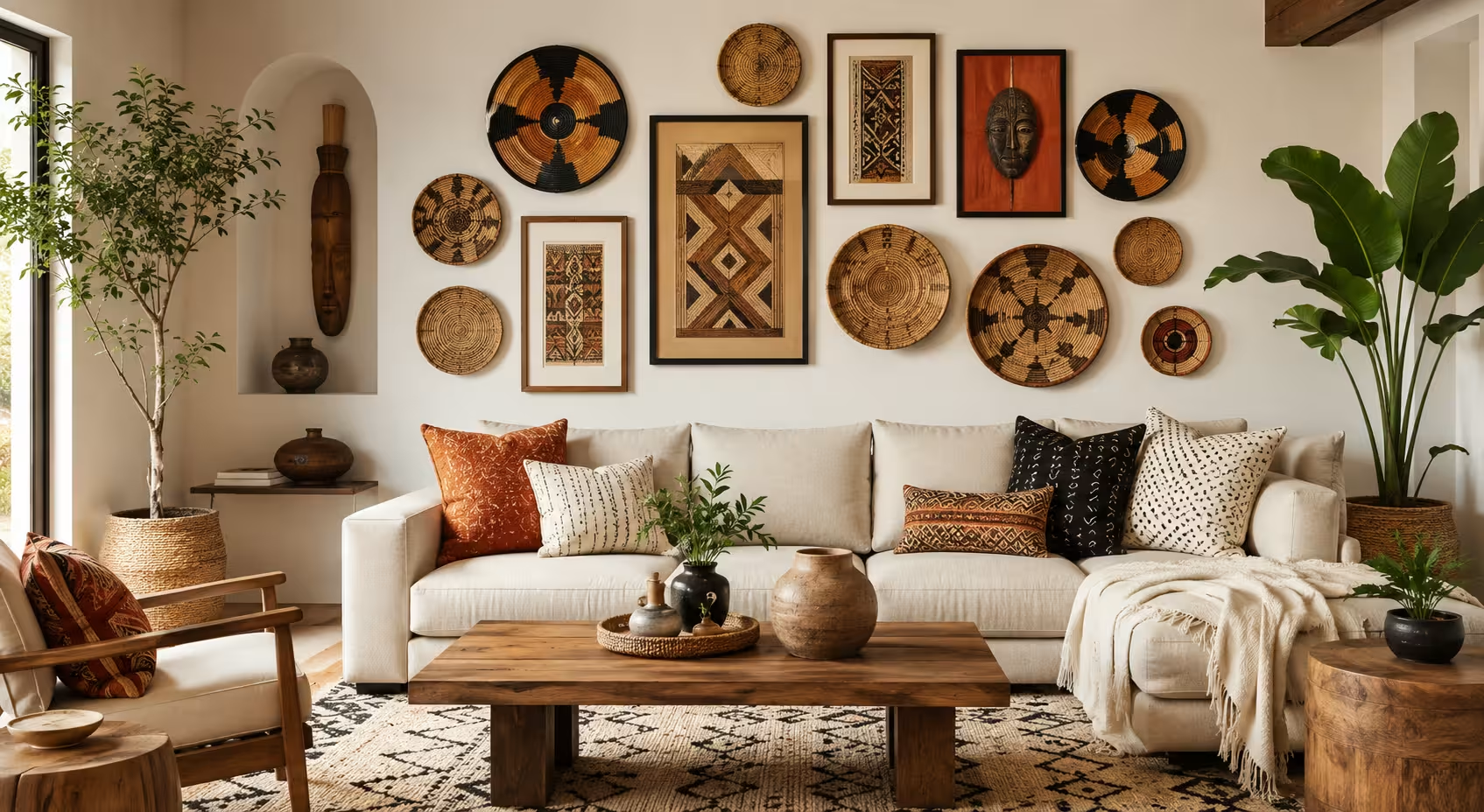
Ecclesiastical art has defined the visual landscape of the Horn of Africa since the fourth century. Traditional painters utilize goat hide, parchment, and aged wood blocks to create vibrant narratives. The most recognizable form is the triptych or diptych icon, where hinged wooden panels open to reveal stylized figures with wide, expressive eyes and bold black outlines. Artists traditionally ground natural minerals to produce distinct red, yellow, and blue tempera paints that remain remarkably vivid over time.
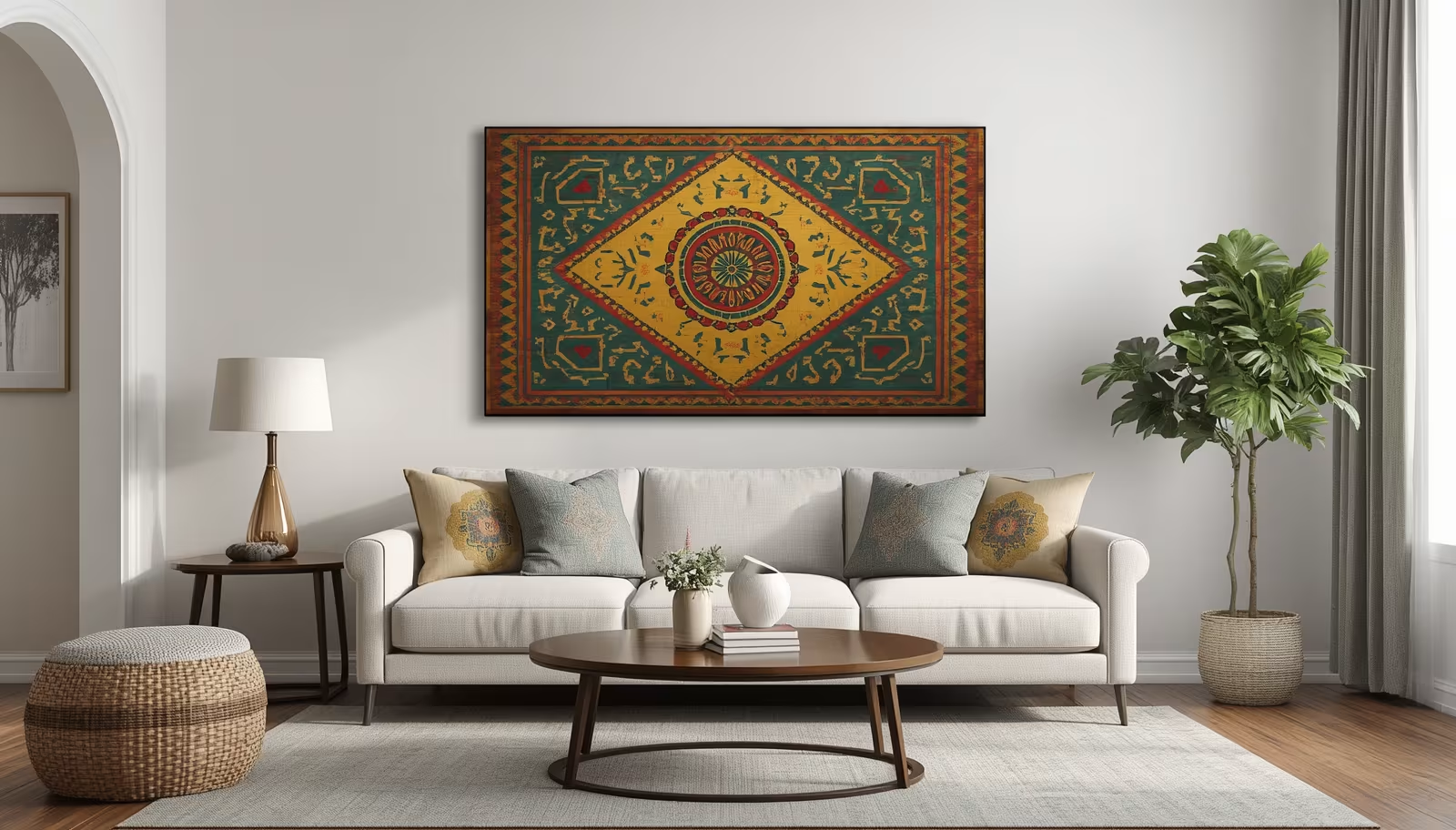
- Authentic leather paintings often feature historical events like the Battle of Adwa or biblical stories adapted to local cultural contexts.
- The distinctive wide-eye feature in the figures symbolizes spiritual alertness and watchful protection over the household.
- Distressing techniques on modern replicas sometimes mimic age, but genuine vintage pieces show natural wear along the hinge lines and corners.
In 2018, an interior design project in a Seattle brownstone demonstrated the power of these traditional pieces. The designer positioned a mid-century modern West Elm sofa beneath a large, genuine parchment painting from the Gojjam region. The deep indigo and ochre tones of the artwork instantly anchored the room. Guests were drawn to the unique texture of the stretched hide, which immediately shifted the room from a standard minimalist space into an engaging conversation area.
Sourcing Genuine Traditional Works
Discerning collectors must differentiate between mass-market tourist souvenirs and fine artisan work. High-quality traditional paintings use hand-scraped leather rather than chemically treated commercial hides. True tempera applications feel slightly raised and matte to the touch, unlike shiny oil or acrylic reproductions. Visiting specialized galleries or verified estate auctions ensures the investment supports authentic preservation efforts.
Framing and Placement Strategies
Traditional icons and stretched leather pieces carry substantial physical weight and depth. Float-framing a hide painting inside a deep shadow box protects the irregular edges while emphasizing its raw, organic texture. Hang these heavy wooden pieces on structural wall studs using heavy-duty anchor bolts. Avoid placing these historic items directly above working radiators or active fireplaces, as fluctuating heat warps the wood panels and splits old leather.
Contemporary Ethiopian Abstract Movement
The mid-twentieth century sparked a massive artistic shift in Addis Ababa, led by legendary figures like Afewerk Tekle and Gebre Kristos Desta. These pioneers blended European modernist techniques with traditional Ethiopian color sensibilities and themes. Today, contemporary Ethiopian painters produce striking abstract canvases that feature sweeping brushstrokes, complex layered textures, and deep geometric patterns rooted in traditional woven textiles like the Tibeb border.
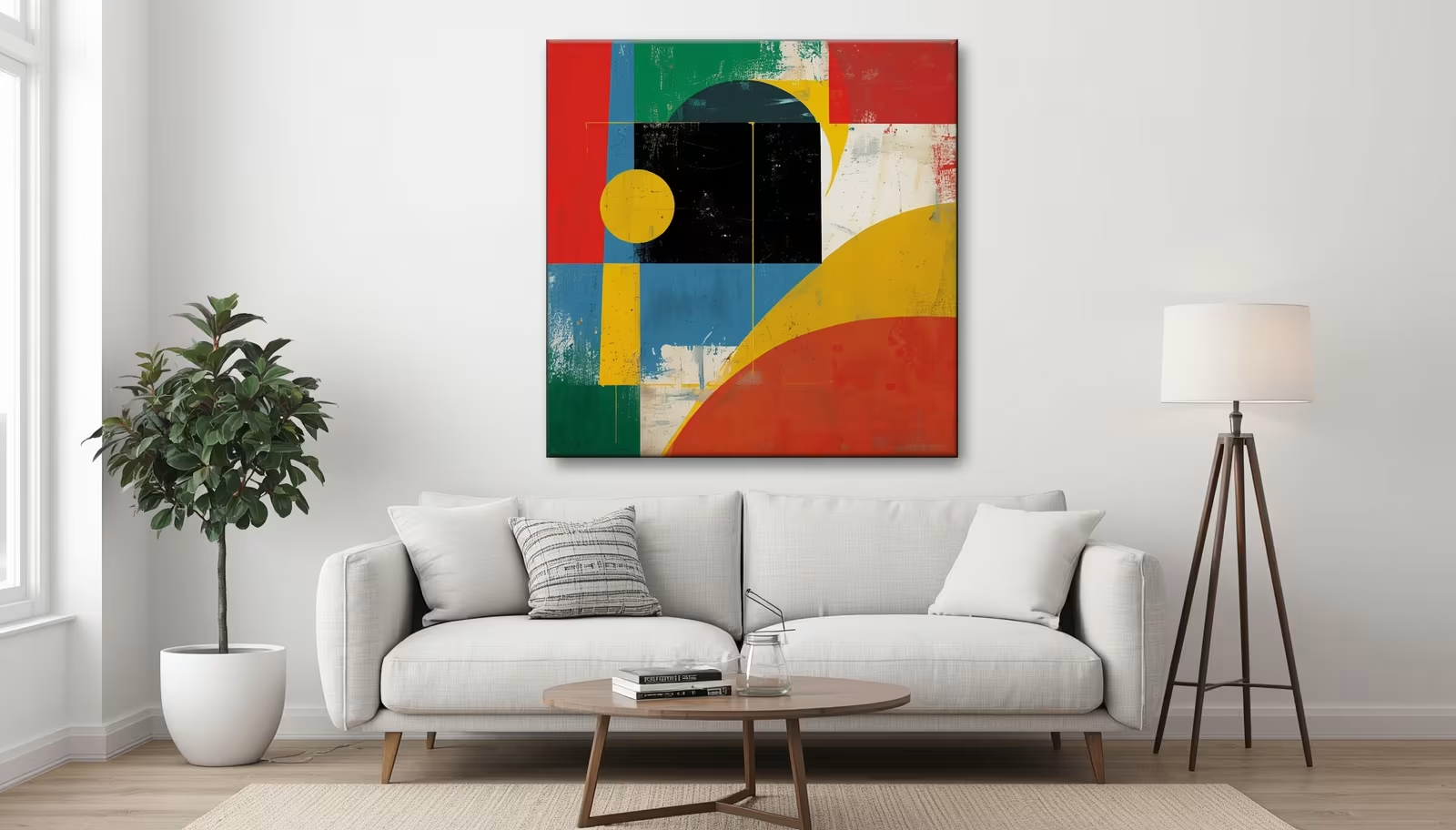
- Modern Ethiopian abstract art frequently utilizes a palette of deep crimson, emerald green, and rich gold, mirroring the national colors.
- Artists often incorporate sand, straw, or fabric scraps onto the canvas to create heavy impasto surfaces that react beautifully to living room lighting.
- Large-scale abstract canvases serve as excellent focal points in open-concept living zones, bridging the kitchen and seating areas.
A recent living room remodel in a Chicago high-rise utilized a large abstract canvas by a graduate of the Alle School of Fine Arts and Design. The room featured low-profile charcoal grey seating and white quartz finishes. The painting, dominated by strokes of burnt orange and textured gold leaf, broke up the cool, sterile environment. By picking up the orange undertones in a pair of rust-colored throw pillows from Pottery Barn, the room achieved immediate visual balance without feeling overly decorated.
Selecting the Right Scale for Your Wall
Abstract art demands physical space to breathe and communicate its intent. A small abstract painting often loses its impact when stranded on a massive drywall surface. Aim for a canvas that covers approximately two-thirds of the width of your sofa or console table. If the artwork is exceptionally vibrant, leave at least two feet of blank wall space on either side to prevent visual exhaustion.
Complementing Abstract Art with Furniture
Do not let your furniture compete with a commanding abstract piece. If your painting features chaotic lines and heavy texture, choose clean-lined furniture with smooth surfaces, such as a leather lounge chair or a sleek travertine coffee table. Matte black accents in floor lamps or picture frames help ground the brilliant colors of the modern Ethiopian palette.
Amharic Calligraphy and Typography Prints
Amharic utilizes the unique Ge’ez script, one of the oldest active writing systems in the world. The elegant, blocky characters possess an inherent graphic quality that translates beautifully into modern typographic wall art. Contemporary graphic designers create minimalist prints featuring single letters, philosophical proverbs, or poetic verses. These prints offer a subtle, sophisticated nod to East African heritage without relying on overt figurative imagery.
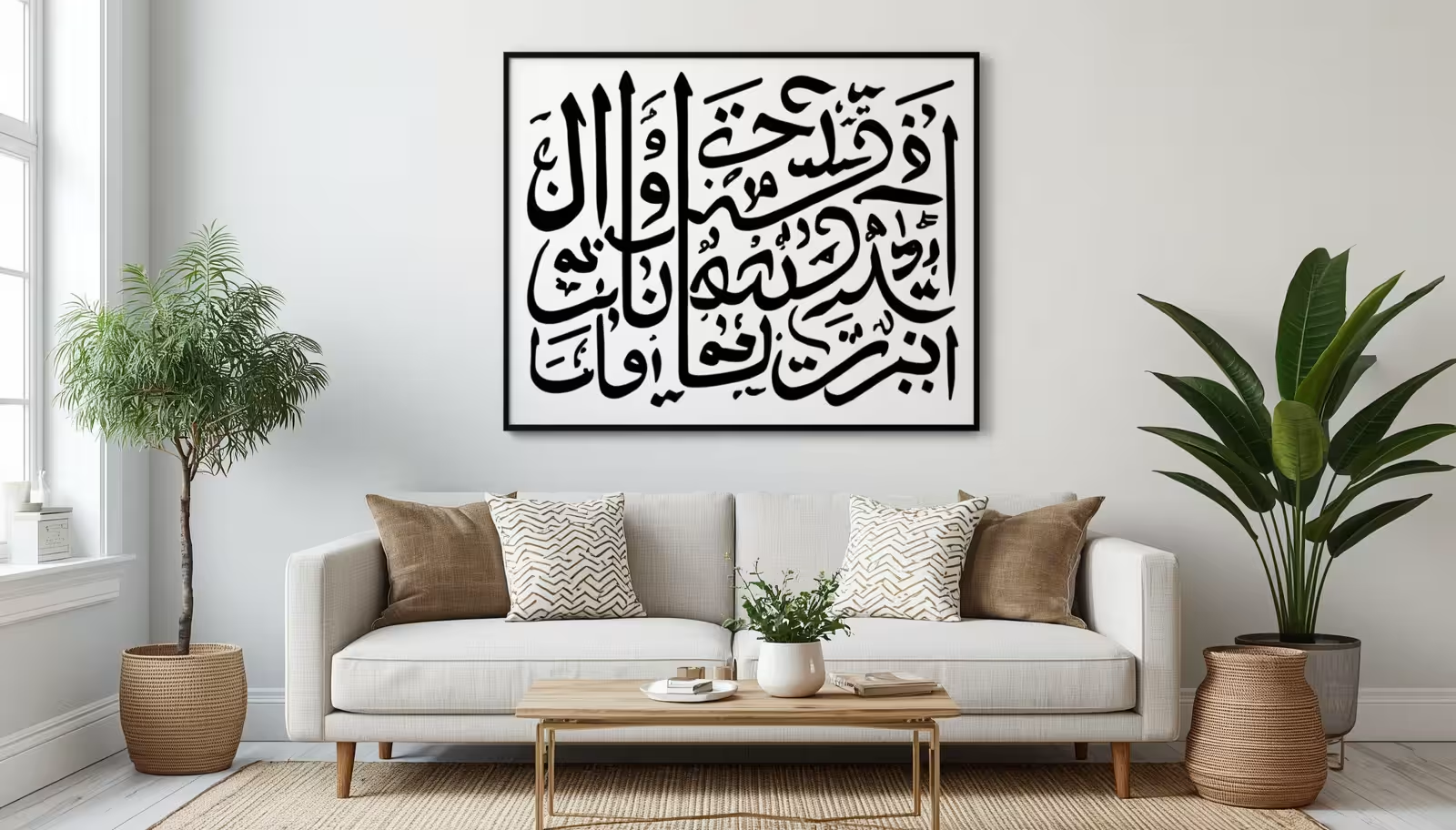
- Ge’ez script characters function as standalone graphic elements that fit perfectly into Scandinavian or Japandi design aesthetics.
- Typographic art is highly accessible, with high-quality giclée prints available on archival matte paper at reasonable price points.
- Black and white Amharic calligraphy prints provide a striking contrast when paired with natural wood finishes like oak or walnut.
An apartment owner in Washington, D.C., wanted to celebrate her Habesha heritage while keeping her small living room looking airy and neat. She selected a curated set of three black-and-white Amharic typography prints from an independent artist on Etsy. Framed in thin, matte-black aluminum frames from IKEA, the trio was hung in a strict horizontal grid above a light grey performance fabric sectional. The sharp geometry of the script added an intellectual, structured layer to the cozy space.
Creating a Typography Gallery Wall
When grouping multiple script prints, maintain consistent spacing of exactly two inches between each frame. Use matching frames and mat boards to give the collection a cohesive, editorial appearance. Mixing different font weights or combining historical Ge’ez script with modern graphic renderings keeps the arrangement dynamic and visually intriguing.
Selecting Meaningful Text
Take the time to understand the meaning of the characters or phrases displayed on your walls. Many prints feature uplifting words like ‘Fikir’ (Love), ‘Selam’ (Peace), or ‘Tizita’ (Nostalgia). Displaying text with deep personal meaning adds an authentic layer of storytelling when hosting friends and family.
Material Care and Longevity Practices
Preserving Ethiopian wall art requires specific environmental conditions, especially when dealing with organic materials like vellum, wood, and goat hide. Natural materials react sharply to moisture shifts and intense light exposure. Implementing protective measures early safeguards your financial and cultural investment for decades.
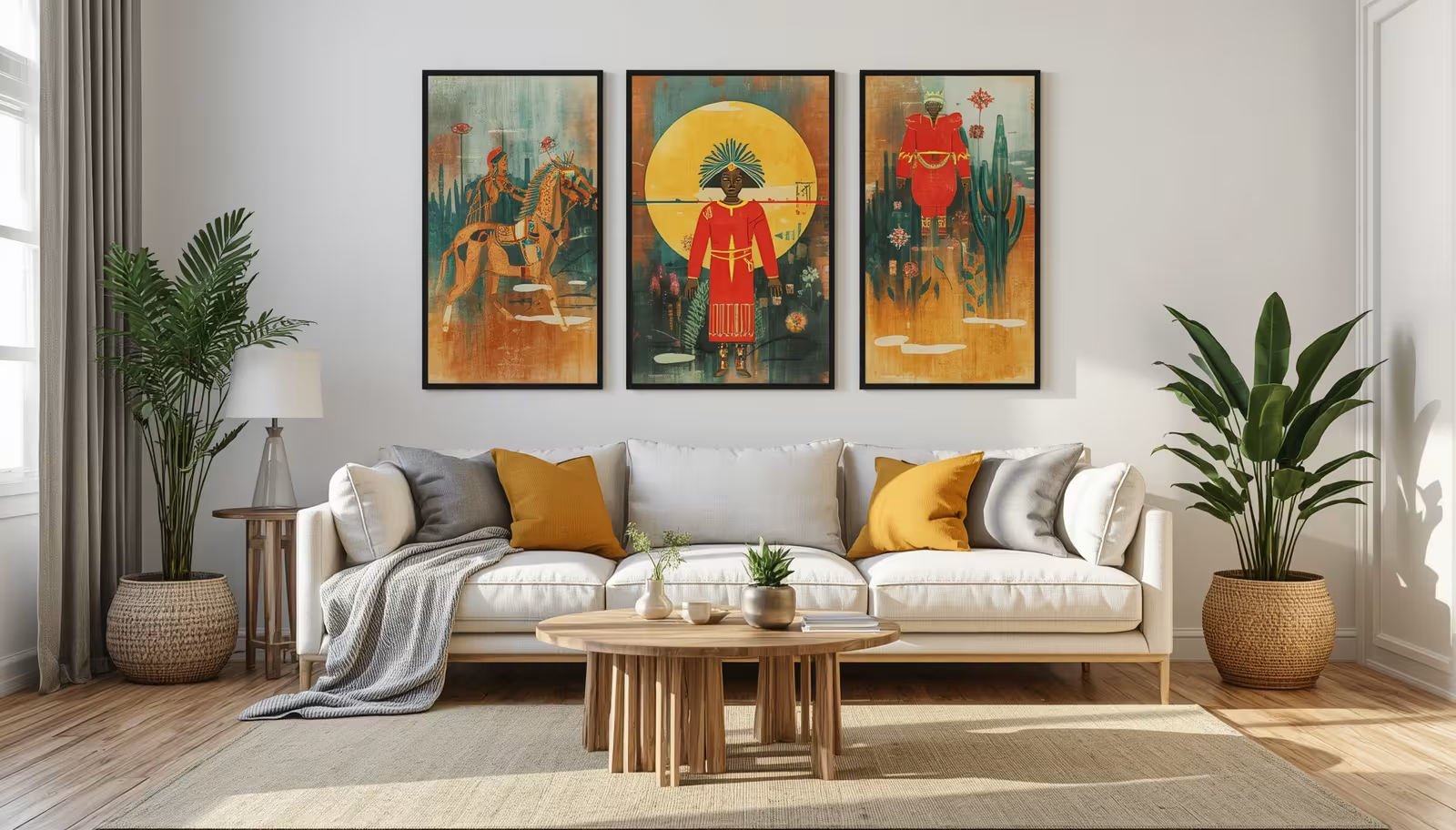
- Keep humidity levels in your living room between 45% and 55% to prevent leather from stiffening or wood panels from cracking.
- Utilize museum-grade acrylic glass that blocks 99% of ultraviolet rays when framing delicate paper or parchment prints.
- Dust your artwork gently with a soft, dry goat-hair brush; never use liquid cleaners, damp microfiber cloths, or chemical sprays.
A collector in humid Houston learned this lesson the hard way when their vintage Ethiopian processional cross plaque began to show signs of white mildew. The item hung on an exterior-facing wall near a drafty window. Moving the piece to an interior wall, running a dehumidifier during summer months, and lightly cleaning the wood stabilized the artifact. This incident highlights the need to monitor ambient room conditions constantly.
Avoiding Sun Damage
Direct sunlight acts as a bleach on natural dyes and historic tempera paint. Position your primary art pieces on walls that receive indirect, ambient north-facing or south-facing light. If a west-facing wall is your only option, install solar shades or UV-filtering window films to protect the canvas from intense afternoon rays.
Secure Mounting Techniques
Traditional Ethiopian wood and leather pieces are significantly heavier than standard canvas prints. Use heavy-duty toggle bolts for drywall installations, or masonry anchors if mounting onto a brick chimney breast. Always verify the weight capacity of your hanging wire and D-rings before suspending the artwork.
Balancing Colors and Textures in the Space
Integrating bold Ethiopian art into a residential space requires a deliberate color strategy. The rich greens, brilliant yellows, and deep crimsons can easily overwhelm a room if the surrounding decor elements are too loud. A thoughtful design balances these hot, saturated tones with grounding neutrals and tactile natural materials.
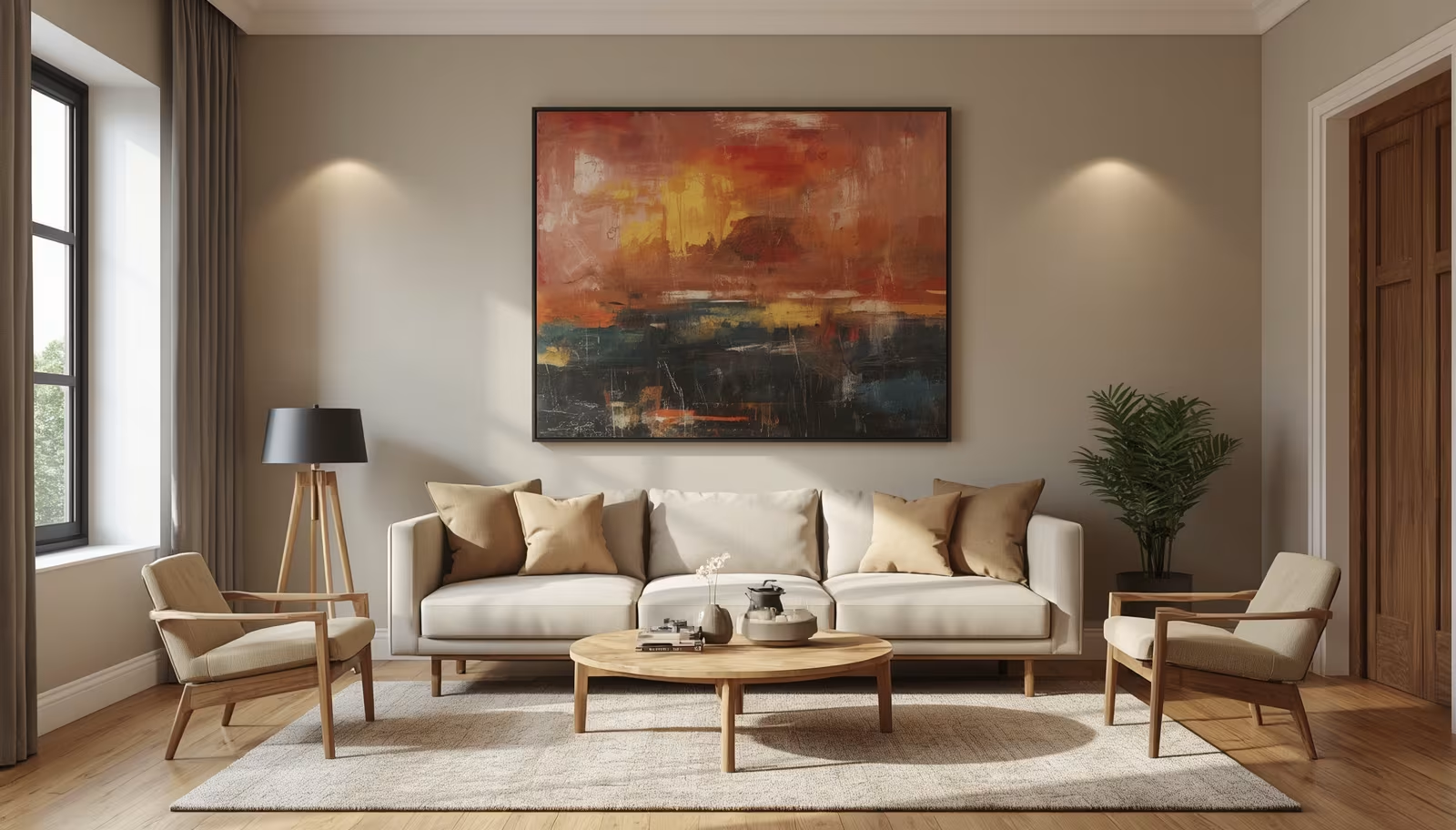
- Use neutral wall paint colors like warm alabaster, soft beige, or muted mushroom to let the artwork colors pop.
- Pull one minor accent color from the painting, such as a stroke of turquoise or terracotta, and repeat it exactly twice in room accessories.
- Layer in varied textures like woven jute rugs, linen drapery, and polished clay vessels to echo the organic feel of traditional art.
An editorial shoot for an interior design magazine showcased a living room that perfectly balanced these elements. The centerpiece was a vibrant, multicolored textile fragment mounted on a linen mat. The stylist paired this intense wall piece with an ivory bouclé sofa, a raw-edged wooden coffee table, and a simple jute rug from Ruggable. The neutral surroundings allowed the intricate patterns of the Ethiopian textile to command attention without causing visual chaos.
Developing a Cohesive Color Story
Examine the dominant color temperature of your selected artwork. If the painting leans heavily into warm tones like ochre and sienna, introduce cool elements like a matte grey ceramic vase or a olive green throw blanket to create harmony. This prevents the room from feeling hot or visually claustrophobic.
Mixing Art Mediums
Do not hesitate to mix different types of art on the same wall. A large contemporary abstract painting pairs beautifully with a small, flanked pair of traditional carved wooden icons. Mixing mediums creates a rich, collected-over-time atmosphere that feels organic and deeply personal.
Wrap Up
Incorporating Ethiopian wall art into your living room is an exceptional way to introduce texture, vibrant color, and historical depth to your home. Whether you choose a traditional leather icon, a large contemporary abstract canvas, or minimalist Amharic typography prints, these pieces bring a distinct soul to modern spaces. By balancing bold colors with neutral furniture and ensuring proper framing and environmental care, your artwork will remain a stunning focal point for years to come. Invest in pieces that speak to you personally, and let their stories transform your everyday living environment.
FAQs Section
How can I verify if an Ethiopian leather painting is an authentic vintage piece?
Genuine vintage pieces show natural unevenness in the hide thickness, slight wear along the edges, and a matte texture from natural mineral pigments. Modern mass-produced souvenirs often use uniform, chemically tanned leather and shiny acrylic paints that smell strongly of synthetic chemicals.
What wall colors work best behind vibrant Ethiopian religious icons?
Soft, warm neutrals like creamy off-white, muted beige, or light greige work best because they allow the intense reds, yellows, and blues of the icon to stand out. Avoid bright white or highly saturated wall colors, which compete with the artwork and cause eye strain.
Is it safe to hang traditional Ethiopian wooden triptychs above a fireplace?
It is generally unsafe because the rising heat and smoke from an active fireplace dry out wood panels, causing them to warp, split, and crack over time. Hang these delicate, historic wooden pieces on a cooler interior wall away from direct heat sources and drafts.
Disclaimer
This content shared by Fall Rugs is solely for research and informational purposes. Fall Rugs is not a professional interior design or home renovation consultancy, and the information provided should not be considered professional advice for home improvement or decor. All ideas and suggestions are based on current trends and general knowledge in the home decor industry.