
TL;DR
Wool carpet offers natural warmth, springy comfort, quieter rooms, strong appearance retention, and better flame behavior than many synthetic fibers. Its higher purchase price can pay back through a longer service life, but only when buyers choose the right construction, underlay, cleaning method, and pile style for the room.
Introduction
Why do architects, hotel designers, and experienced homeowners keep specifying wool when cheaper synthetic carpet fills most retail showrooms? Wool combines comfort, resilience, acoustic control, and visual depth in a way that polypropylene and entry-level polyester rarely match.
The trade-offs matter. Wool costs more, can attract moths, and dislikes harsh alkaline cleaners. The sections below explain where the material earns its price, where it fails, and how fiber blend, pile density, room use, climate, and maintenance shape the result.
Wool Creates Noticeable Comfort and Temperature Control
Wool fibers have a natural three-dimensional crimp that traps small pockets of air. That structure gives carpet a cushioned feel and slows heat movement through the floor. In bedrooms, nurseries, and sitting rooms, the difference feels immediate under bare feet. A dense wool pile also recovers from compression better than many low-cost polyester fibers, so the surface feels supportive rather than flat.
Wool also absorbs and releases water vapor as indoor humidity changes. It can take up roughly 30 percent of its dry weight in moisture before it feels wet, which helps moderate brief humidity swings. This does not replace ventilation or dehumidification. In humid places such as Singapore, Miami, or coastal Sydney, damp subfloors and wet backing can still create odor, mold, or adhesive failure.
What Changes in Daily Use
- Warmer contact: Wool does not generate heat, but its trapped air reduces the cold sensation common with tile, concrete, and thin synthetic carpet.
- Softer landings: A quality underlay beneath wool carpet reduces impact on knees and makes bedrooms, playrooms, and upstairs corridors feel calmer.
- Better humidity buffering: The fiber manages short moisture changes without feeling clammy, though persistent indoor humidity still needs mechanical control.
- Compatible heating, with limits: Many wool carpets work over underfloor heating when the combined carpet-and-underlay rating stays within the system maker’s limit, often around 2.5 tog.
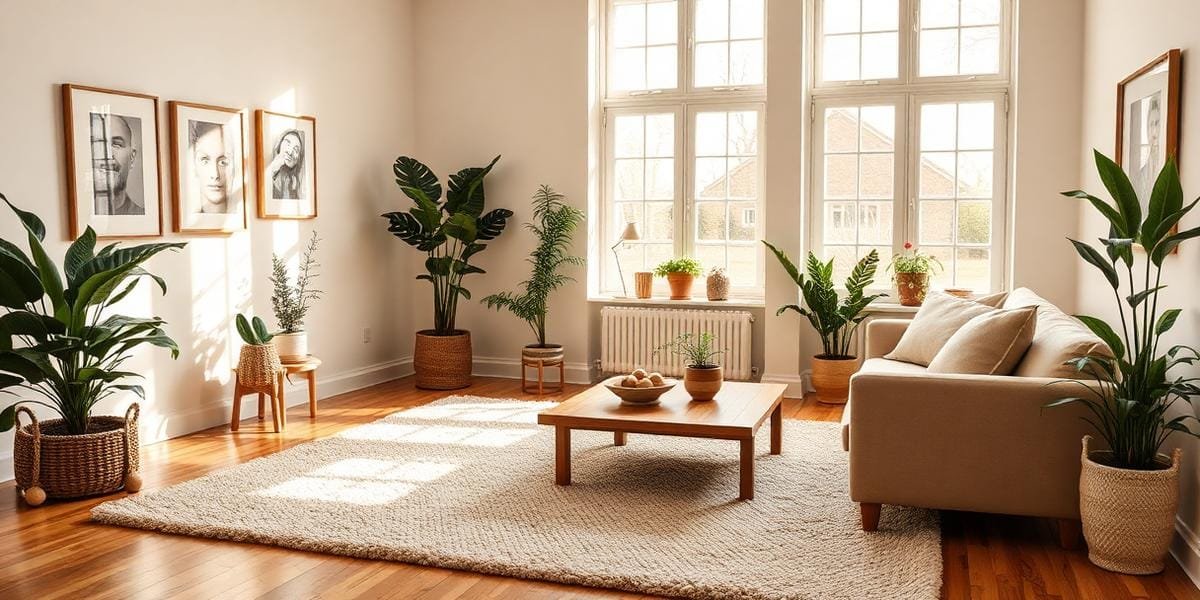
IKEA’s STOCKHOLM wool rug and hand-tufted wool ranges from West Elm show why natural pile remains popular in modern interiors. Wool gives a room physical warmth, softens hard furniture edges, and makes an open-plan layout feel less exposed.
Wool Holds Its Appearance When Construction Matches the Room
Wool is resilient because each fiber bends and springs back rather than staying crushed after light pressure. That quality helps a well-made carpet resist tracking, shading, and furniture marks. Fiber alone does not decide lifespan. Density, yarn twist, face weight, backing, installation, and maintenance often matter more than a “100 percent wool” label printed on a sample card.
Woven Axminster and Wilton carpets lock yarn into a stable structure, which suits stairs, hotels, heritage properties, and patterned rooms. Tufted wool costs less to produce and can perform well in homes when the pile is dense. An 80 percent wool and 20 percent nylon blend adds abrasion resistance, which is why Brintons and Ulster Carpets use wool-rich constructions in busy residential and contract settings.
Where Durability Is Won or Lost
- Stairs need dense yarn: A loose, plush pile can open at stair noses. A tight twist, loop, or woven construction handles repeated pressure better.
- Wool hides dry soil well: Its matte surface makes small dust particles less visible than shiny nylon, but hidden soil still abrades the pile.
- Spills need prompt care: Wool’s outer scales slow some liquid penetration, yet the fiber is not waterproof or stainproof. Blotting beats scrubbing.
- Moth prevention matters: Clothes moth larvae feed on keratin. Treated carpets still need vacuuming along dark edges, cupboards, and quiet rooms.
A family renovating a narrow Manchester terrace fitted a soft, low-density wool cut pile on two flights of stairs. Within eighteen months, the stair noses showed flattening. They replaced it with a dense 80/20 twist carpet, improved the underlay, and added stair nosing. The second installation held its shape because the specification matched the traffic pattern.
Wool Improves Acoustics and Offers Safer Flame Behavior
Hard floors reflect voices, television sound, footsteps, and chair movement. Wool carpet absorbs part of that energy, while underlay reduces impact noise passing into rooms below. The gain is easy to hear in apartments, home offices, media rooms, and open-plan homes with plaster walls or large windows. A full carpeted floor usually controls sound more evenly than a small area rug.
Wool also behaves differently around flame. Its nitrogen and moisture content make it harder to ignite than many common synthetic fibers. Once lit, it tends to burn slowly, char, and self-extinguish after the flame source is removed. That does not remove the need for tested products, smoke alarms, or local building compliance, but it explains wool’s use in aircraft, theaters, hotels, and public interiors.
Health, Air Quality, and Safety Details
- Less echo: Carpet and underlay reduce reflected sound, which improves speech clarity and lowers the sharpness of footsteps or dropped objects.
- Lower static tendency: Wool’s moisture content reduces static buildup compared with very dry synthetic fibers, which helps around electronics.
- Check the whole product: Natural face fiber does not guarantee low emissions. Backing, latex, dye, stain treatment, and adhesive can affect odor and volatile organic compounds.
- Use credible labels: CRI Green Label Plus assesses emissions from carpet, cushion, and adhesive. WoolSafe approval identifies cleaners tested for wool fibers.
A Singapore apartment with porcelain flooring had a persistent echo during video meetings. The owners added a 2.4-by-3-meter wool rug, a dense felt pad, and curtains near the glass wall. The rug did not soundproof the room, but speech became clearer and chair noise dropped because fewer hard surfaces reflected sound.
Wool Can Deliver Long-Term Value, but the Specification Sets the Return
Wool usually carries a higher upfront price than polypropylene, polyester, or budget nylon. The return appears through appearance retention, repair potential, comfort, and a longer replacement cycle. A cheap wool carpet with sparse pile can still disappoint. A dense wool-rich blend installed over firm underlay may outlast a softer, loosely tufted product that costs more because of branding or color.
Its environmental case also needs context. Wool is renewable and biodegradable under suitable conditions, while sheep farming creates methane emissions and uses land, water, transport, and processing energy. Dyes, synthetic backing, moth treatments, and nylon content change the end-of-life picture. Buyers comparing British wool, New Zealand wool, recycled nylon blends, or local production should assess the finished product rather than treating “natural” as a guarantee.
How to Spend the Budget With Fewer Regrets
- Price the full room: A 12-by-15-foot room covers 180 square feet, or 20 square yards. With 10 percent waste, a quote of $75 per square yard puts material near $1,650 before fitting.
- Choose fiber for traffic: Pure wool suits bedrooms and formal rooms. An 80/20 wool-nylon blend often fits stairs, corridors, and family living areas better.
- Buy underlay as part of the system: Underlay affects comfort, noise, thermal resistance, seam stability, and wear. A weak cushion can shorten carpet life.
- Read care terms before purchase: Wool needs controlled moisture, low-alkaline chemistry, thorough rinsing, and fast drying. Some warranties also require scheduled professional cleaning.
Pottery Barn, West Elm, IKEA, Karastan, Brintons, and independent mills serve different parts of the wool flooring market. Brand recognition can help with service and samples, but construction data says more. Ask for pile composition, total weight, density, backing type, moth treatment, fire rating, installation method, and written care terms.
Wrap Up
The strongest benefits of wool carpets appear together: warm contact, resilient pile, quieter rooms, humidity buffering, rich color, and favorable flame behavior. Those gains depend on density, weave, underlay, fitting, and care.
Choose a construction that matches the room rather than buying by softness alone. Dense wool or an 80/20 wool-rich blend suits demanding areas, while pure wool can bring exceptional comfort to bedrooms and formal spaces. Treat the carpet as a floor system, not a decorative surface, and the higher purchase price becomes easier to justify.
FAQs Section
Is Wool Carpet Worth the Extra Cost?
Wool can justify its higher price in rooms where comfort, appearance retention, acoustics, and long service life matter. It offers less value when the carpet is poorly specified, exposed to repeated wet spills, or likely to be replaced soon for design reasons.
Is Wool Carpet Good for People With Allergies?
Wool carpet is not allergy-proof. It can hold dust and pollen until vacuumed, so households with sensitivities need frequent cleaning with a well-sealed HEPA vacuum and careful moisture control.
How Long Does Wool Carpet Last?
A dense, well-fitted wool carpet can serve for 15 to 25 years in a home, though stairs and busy halls wear faster. Yarn quality, pile density, underlay, cleaning, sunlight, pets, and indoor humidity all affect its working life.