
TL;DR
Compact bathrooms require efficient storage layouts that blend utility with visual warmth. Natural wood vanities utilize hidden vertical space, custom plumbing cutouts, and open shelving to keep daily items organized. Choosing the correct wood species and drawer configurations prevents clutter without crowding the room floor.
Introduction
Can a compact bathroom feel spacious while holding all your daily essentials? Many homeowners struggle with tight layouts where traditional cabinets feel bulky and block movement. Utilizing smart wooden vanity designs solves this problem by using clever internal carpentry and natural textures. You will learn how specific layouts, wood selections, and internal organization tools change how a small space functions.
1. Floating Configurations and Wall-Mounted Wood Frameworks
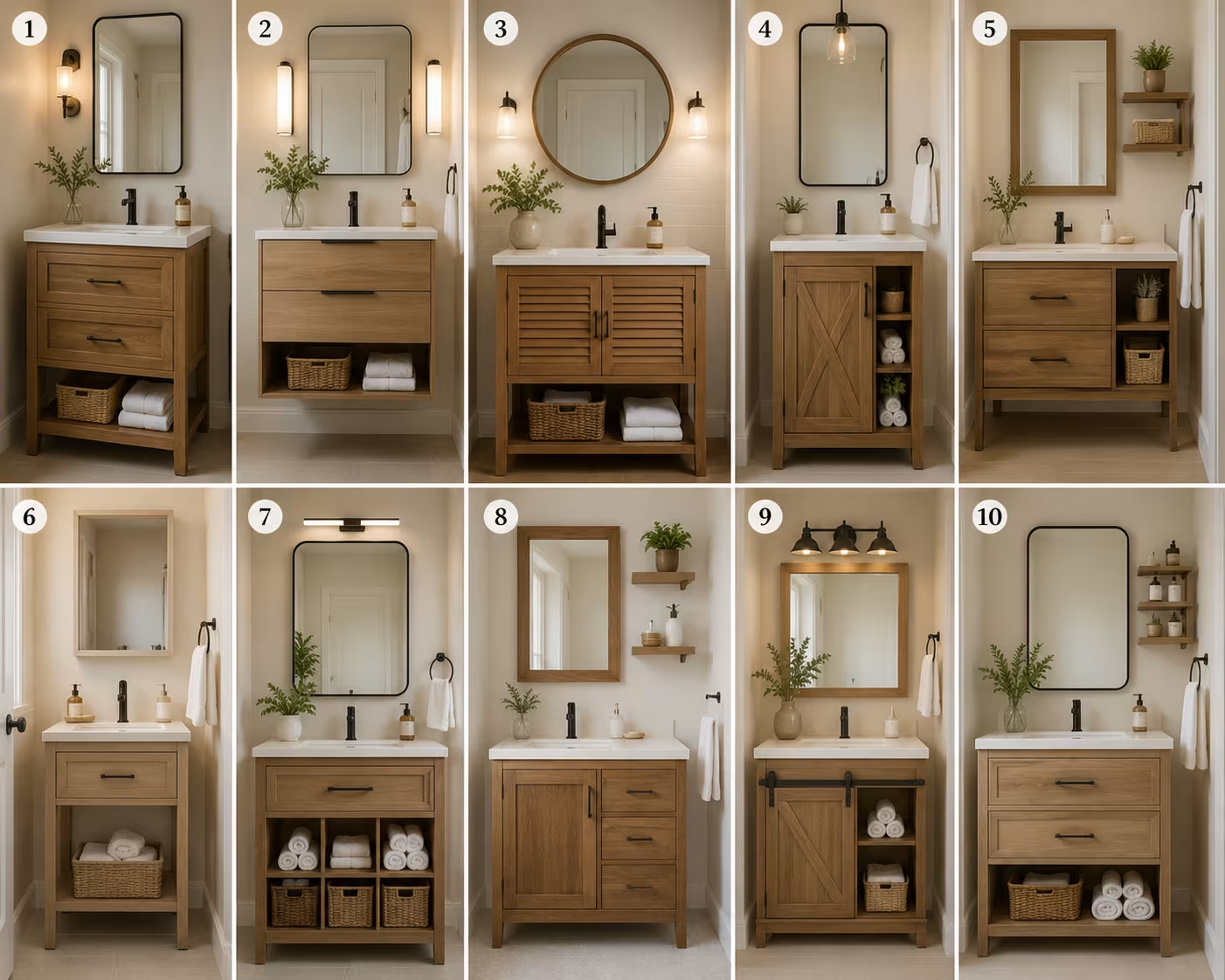
Wall-mounted vanities clear the floor area to create the illusion of a larger room. Eliminating the baseboard contact point allows light to pass underneath, making tight footprints feel less cramped. This setup works exceptionally well in guest baths and narrow powder rooms where every inch counts.
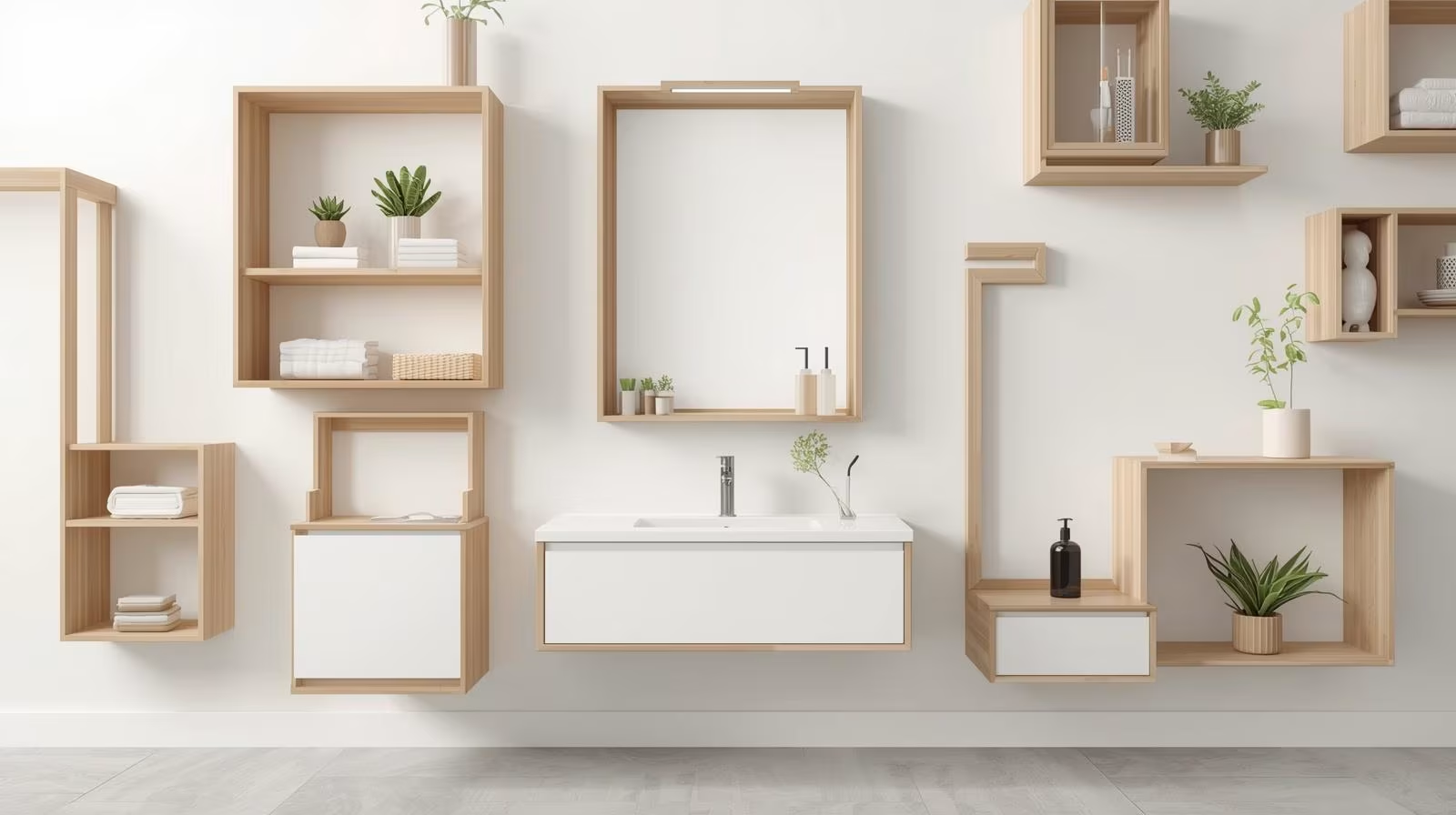
Homeowners frequently opt for moisture-resistant timbers like white oak or grade-A teak for these installations. Brands like West Elm offer units measuring 24 inches wide that suspend completely off the ground. This structural style requires secure wall blocking during installation to support the weight of stone countertops and heavy ceramic sinks.
1. Minimalist Floating White Oak Cabinets
A 24-inch floating white oak cabinet provides clean horizontal lines that trick the eye into seeing more width. These units often feature slab door fronts with touch-latches to eliminate protruding hardware that catches on clothing. Inside, a shallow upper drawer utilizes a cutout to sit around the sink P-trap without wasting space.
2. Open-Shelf Teak Units with Seagrass Baskets
Moisture-heavy environments benefit from open-frame teak structures that do not trap humidity. A single lower shelf holds woven baskets from Pottery Barn to conceal spare bath towels, toilet paper rolls, and cleaning supplies. This approach gives you quick access to items while maintaining an airy feel near the floor.
2. Deep Drawers and Custom Internal Plumbing Cutouts
Standard cabinet doors often lead to wasted space because items get lost in the dark back corners. Deep drawers pull completely outward to reveal everything at a single glance, improving daily access. Custom internal configurations ensure that pipes do not interfere with your storage capacity.
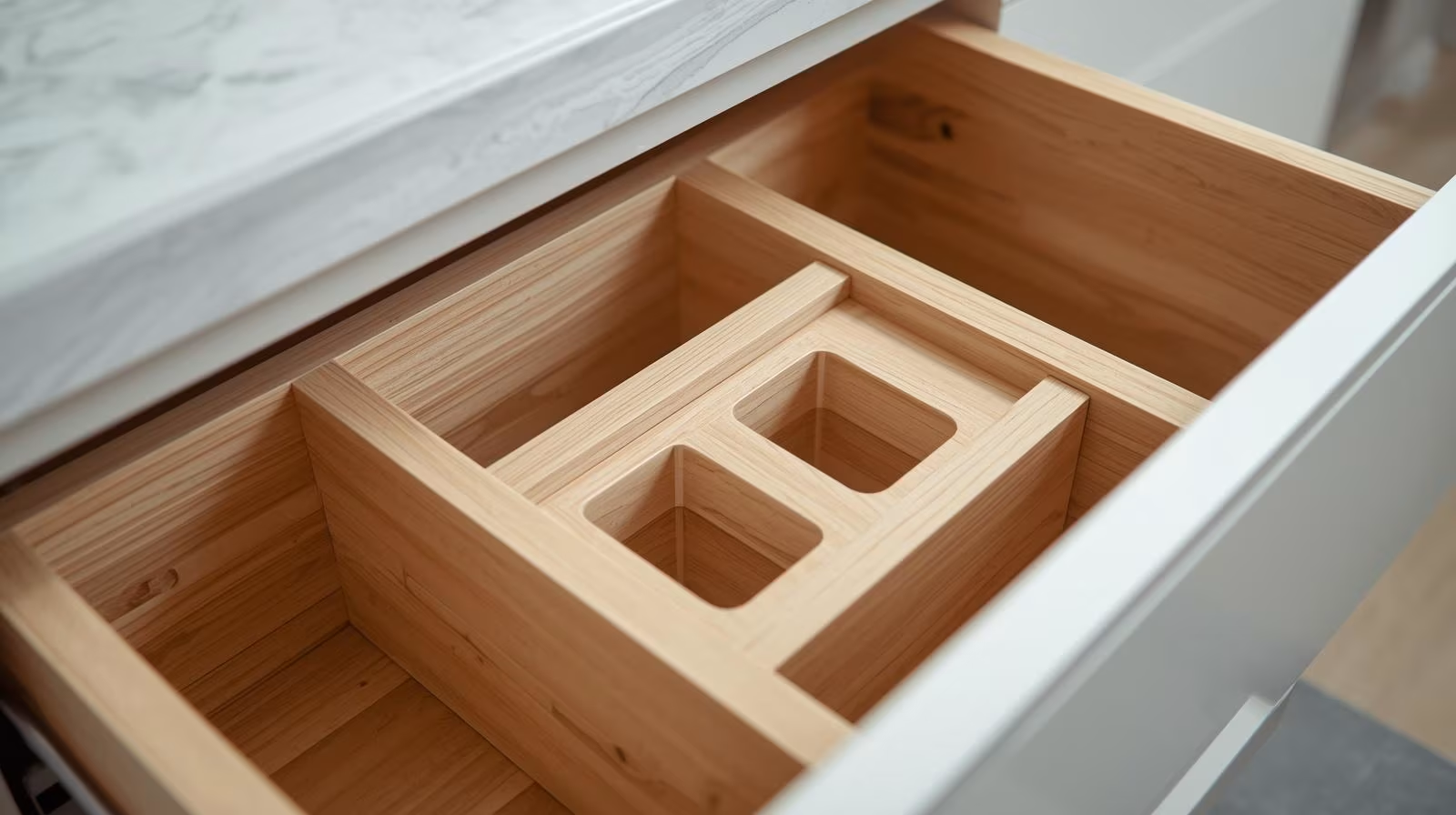
Carpenters build these systems using Baltic birch plywood drawer boxes fitted with under-mount drawer slides. IKEA utilizes this layout style in their Godmorgon series, featuring specialized thin-wall drainage systems that run flush against the back wall. This engineering choice frees up the entire center of the vanity cabinet for actual storage use.
3. Hidden U-Shaped Internal Drawer Systems
A U-shaped drawer wrap around the central plumbing stack to turn dead space into usable storage. The high side walls prevent items like hair dryers and lotion bottles from tipping over when the drawer moves. This setup provides dedicated zones for small toiletries that usually clutter the countertop surface.
4. Extra Deep Bottom Drawers with Adjustable Dividers
The bottom eight inches of a wooden vanity can hold heavy items like shampoo bottles and cleaning canisters. Installing removable acrylic or wood dividers keeps these tall items upright and separated by category. It prevents the typical shifting that occurs when opening and closing deep storage bins.
3. Vertically Oriented Compact Vanities and Corner Placement Options
When horizontal wall space is limited, shifting focus to vertical height or unused corners solves layout issues. Corner vanities fit into 90-degree angles that usually go completely unused in small floor plans. These designs maximize internal volume without blocking walkways or doorway clearances.
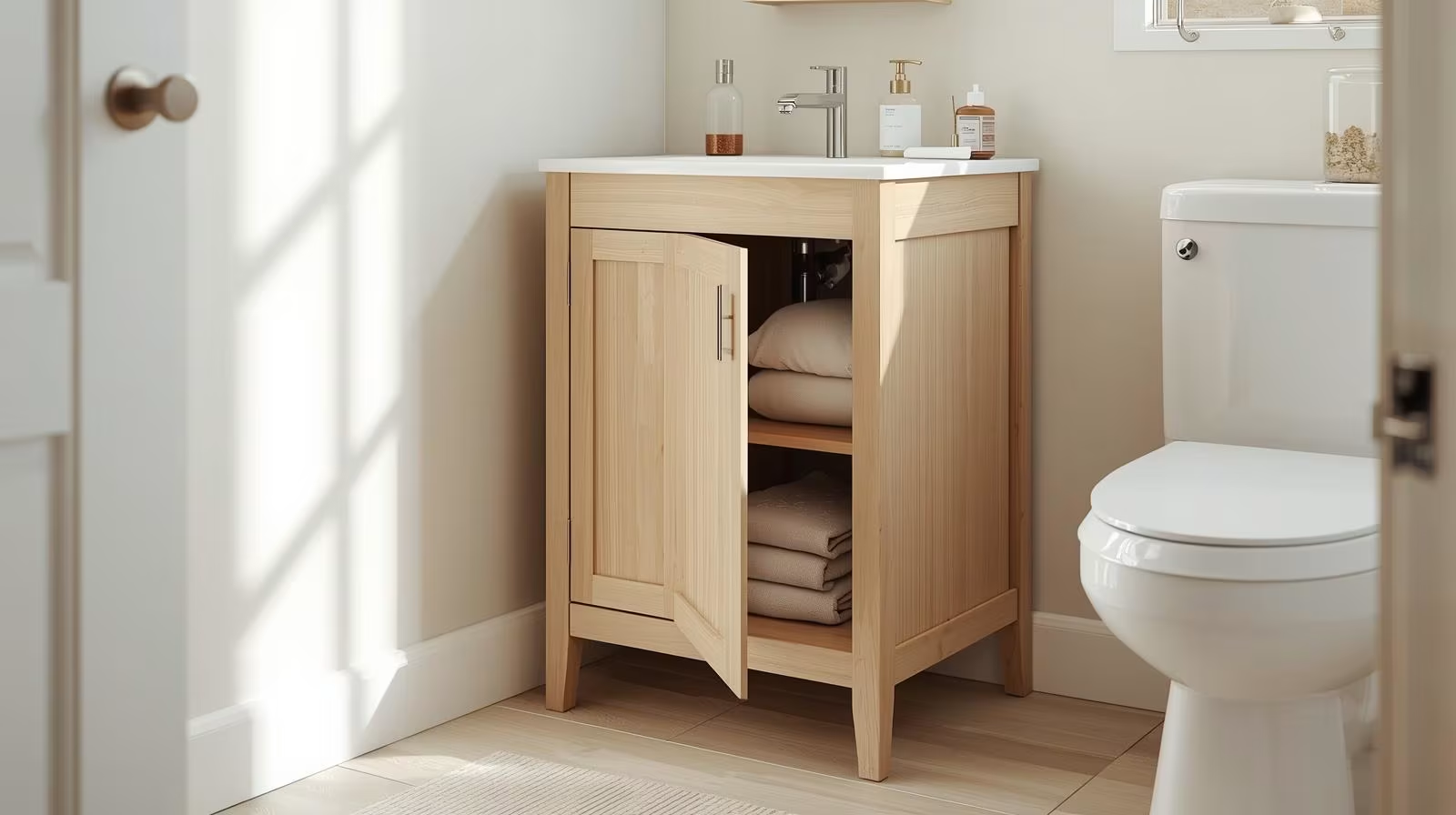
These units often use solid walnut or painted maple to create a strong vertical statement piece. A standard 32-inch height can be increased to 36-inch comfort height to add valuable inches of internal shelving. Homeowners facing tight clearances near shower doors find these narrow, deep footprints ideal for keeping the room safe and functional.
5. Single-Door Corner Walnut Cabinets
A corner vanity utilizing a 130-degree wide-opening hinge allows full access to a deep triangular interior. Homeowners install custom lazy Susan turntables inside to spin extra soap and medicine bottles forward easily. The rich grain of walnut keeps the corner from looking dark or neglected.
6. Slim Footprint High-Profile Vanity Stations
A vanity measuring just 18 inches front-to-back but standing 36 inches tall utilizes vertical storage space. It features stacked cabinet spaces that separate daily facial care products from less frequent first-aid supplies. This layout preserves precious walking space in narrow, long bathroom configurations.
4. Multi-Functional Open Cubbies and Integrated Towel Bars
Combining open storage areas with solid cabinetry offers a balance of privacy and convenience. Open cubbies provide an immediate home for frequently used items like hand towels and daily face wash. This setup reduces the constant opening and closing of doors during busy morning routines.
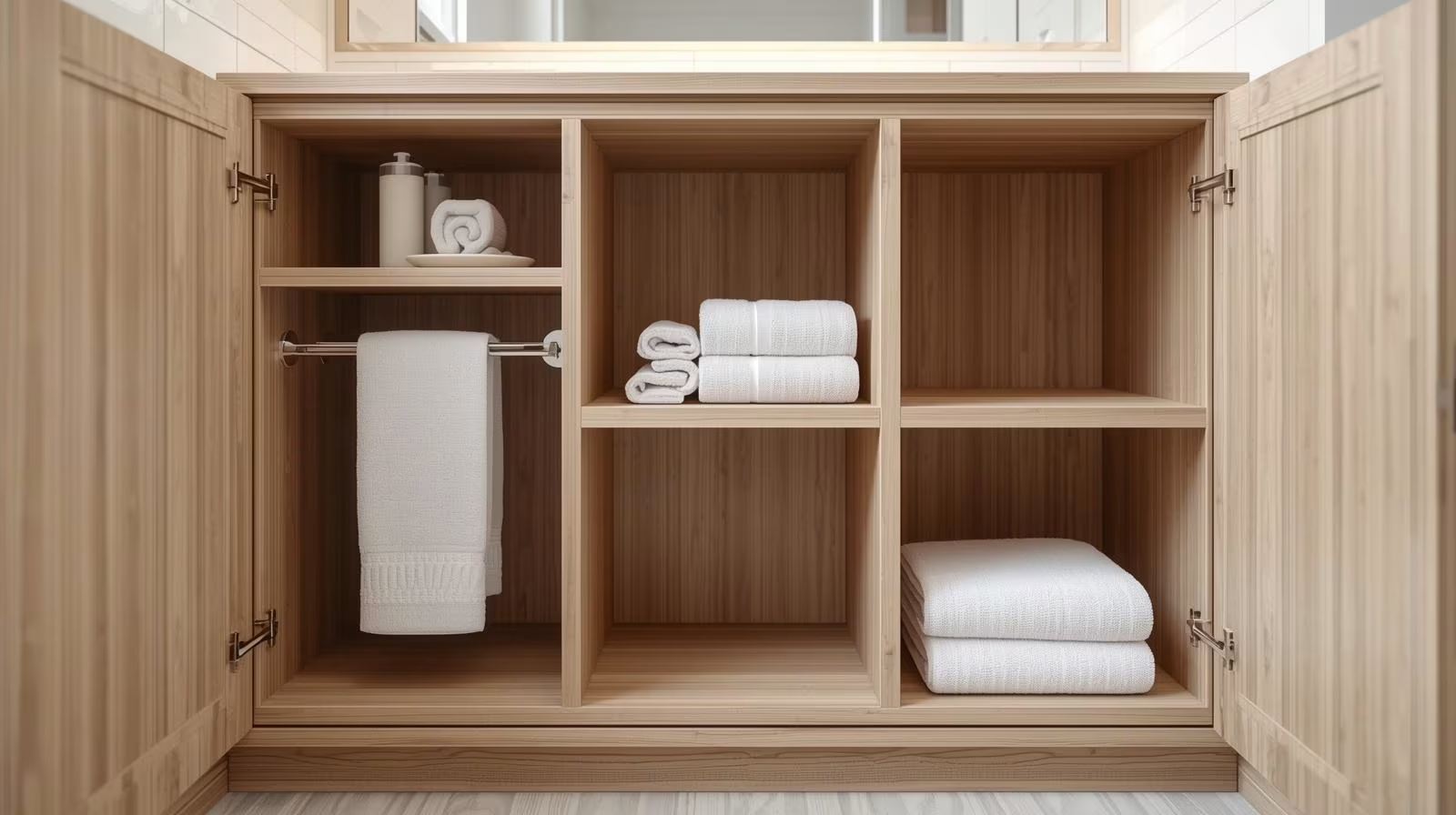
Many custom workshops mix reclaimed wood frames with matte black steel components for a modern industrial appearance. Including built-in metal bars on the side of the wood frame eliminates the need for separate wall-mounted towel rings. This integration saves wall space for mirrors or decorative lighting fixtures.
5. Recessed Accents and Integrated Electrical Storage Solutions
Modern bathroom storage must accommodate electrical grooming tools safely away from water sources. Building power outlets directly into the wooden vanity interior keeps cords organized and out of sight. Recessed toe kicks and side niches add functional storage without changing the main footprint.
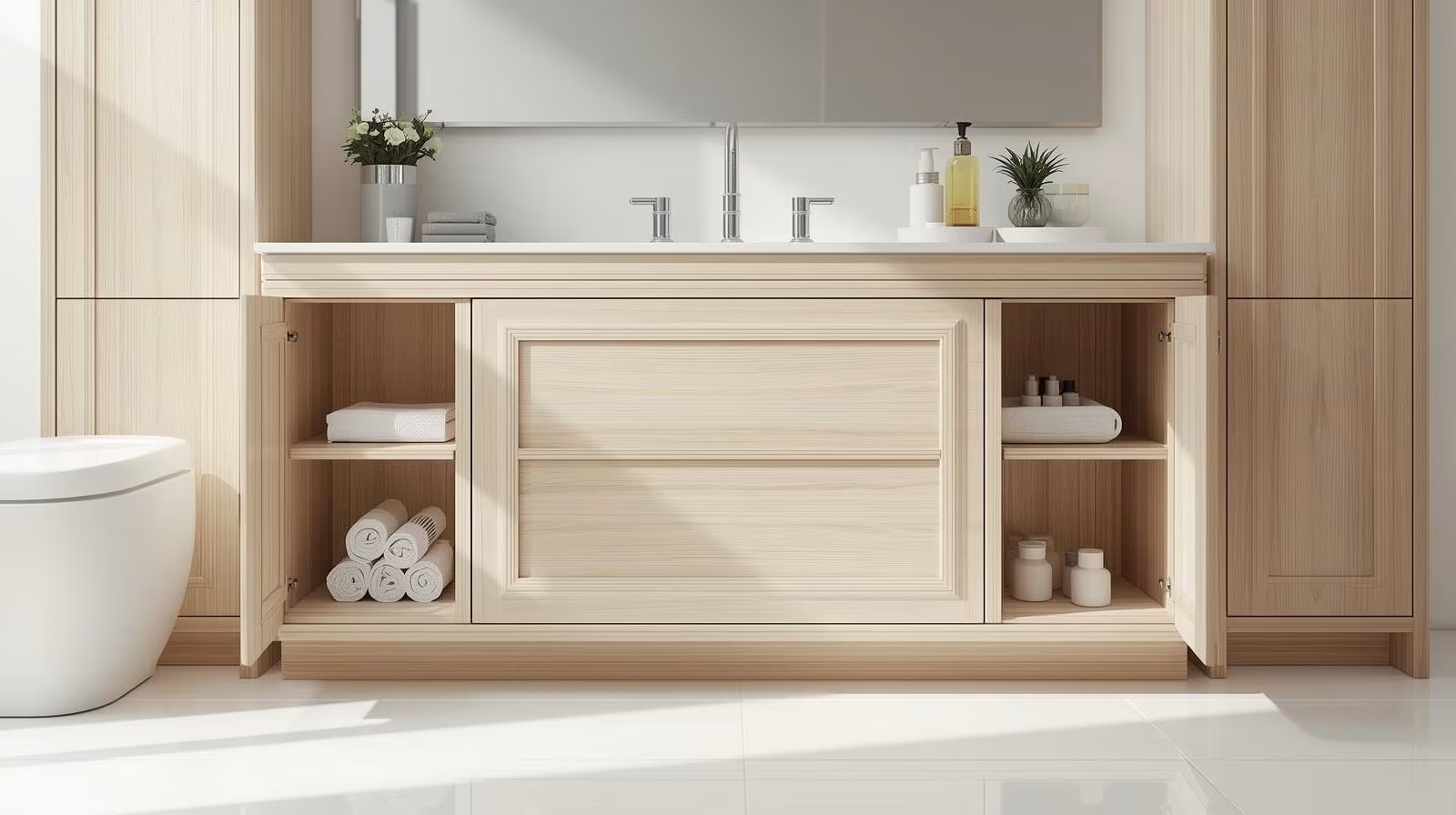
High-end manufacturers line these specialized drawers with stainless steel containers to hold hot curling irons safely. This feature allows users to put tools away immediately after use without waiting for them to cool completely. It addresses a common safety hazard while keeping the wooden exterior pristine and free of burn marks.
7. Asymmetric Open Cubby Wood Configurations
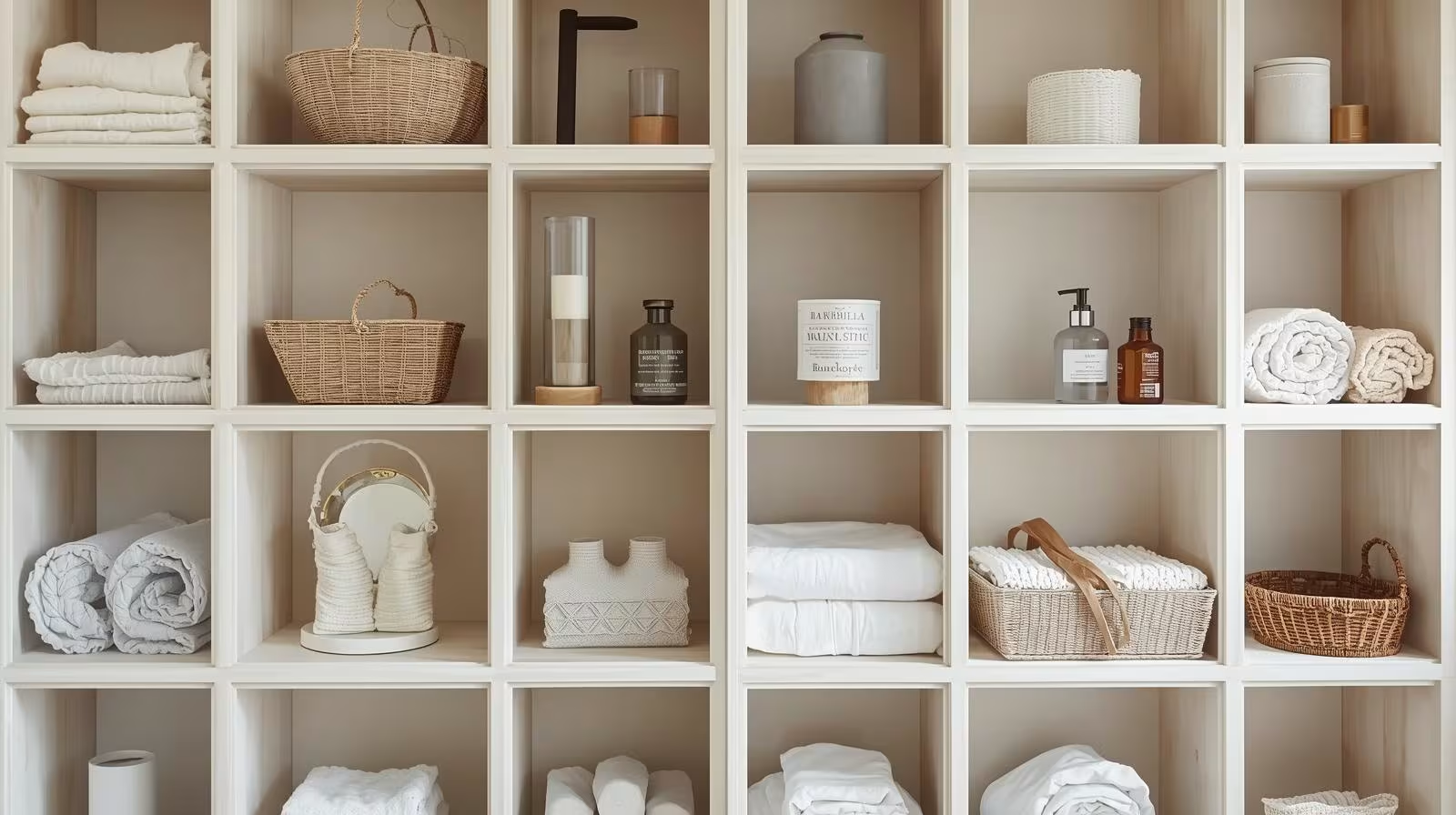
Placing a vertical stack of three open cubbies next to a main cabinet door creates visual interest and practical balance. The closed side hides personal items, while the open cubbies display folded linens or decorative jars. This distribution keeps the small wood structure looking light and dynamic.
8. Side-Mounted Towel Rails on Solid Oak Frames
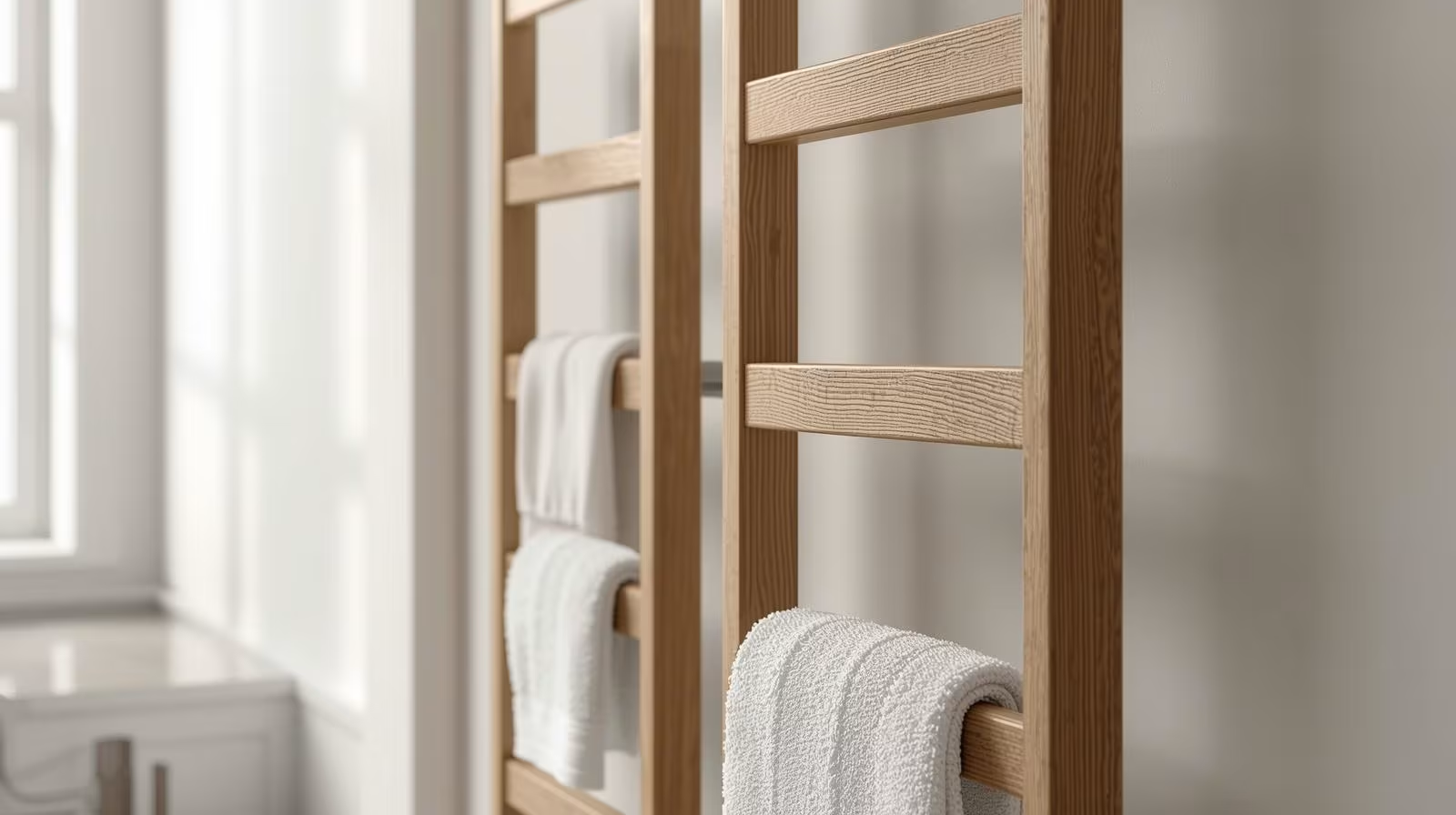
An oak vanity with a built-in side rail utilizes the exterior surface of the cabinet for functional storage. This design choice keeps hand towels within arm’s reach of the sink without taking up wall space. It prevents water from dripping across the floor when reaching for a towel.
9. Power-Connected Appliance Drawers
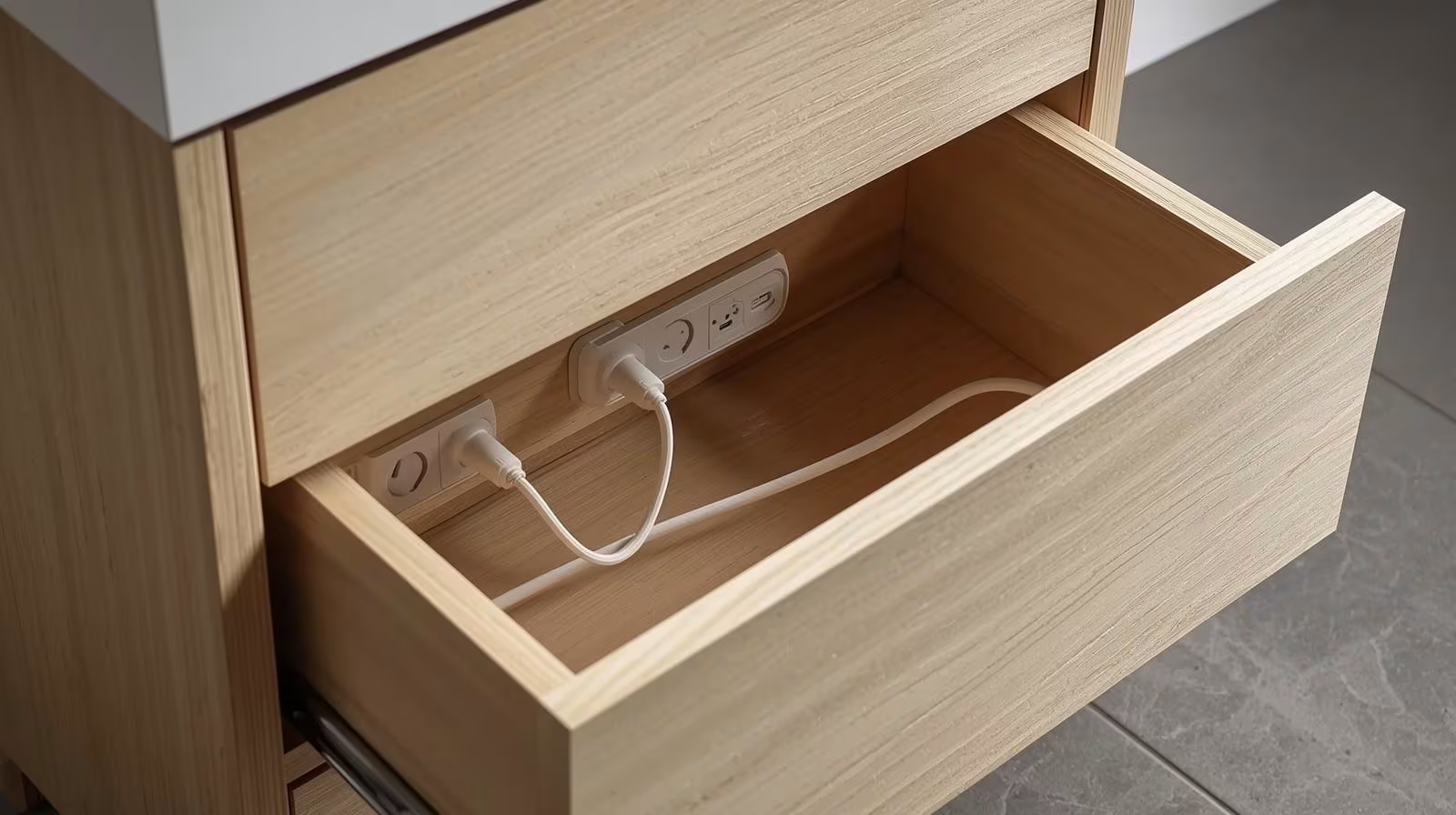
An internal power strip connected to a heavy-duty coiled cord powers electric toothbrushes and trimmers inside the drawer. This layout keeps cords off the counter and prevents them from falling into the wet sink basin. The drawer closing mechanism features a safety cutoff switch to disconnect power when shut.
10. Recessed Side Niches in Solid Wood Panels
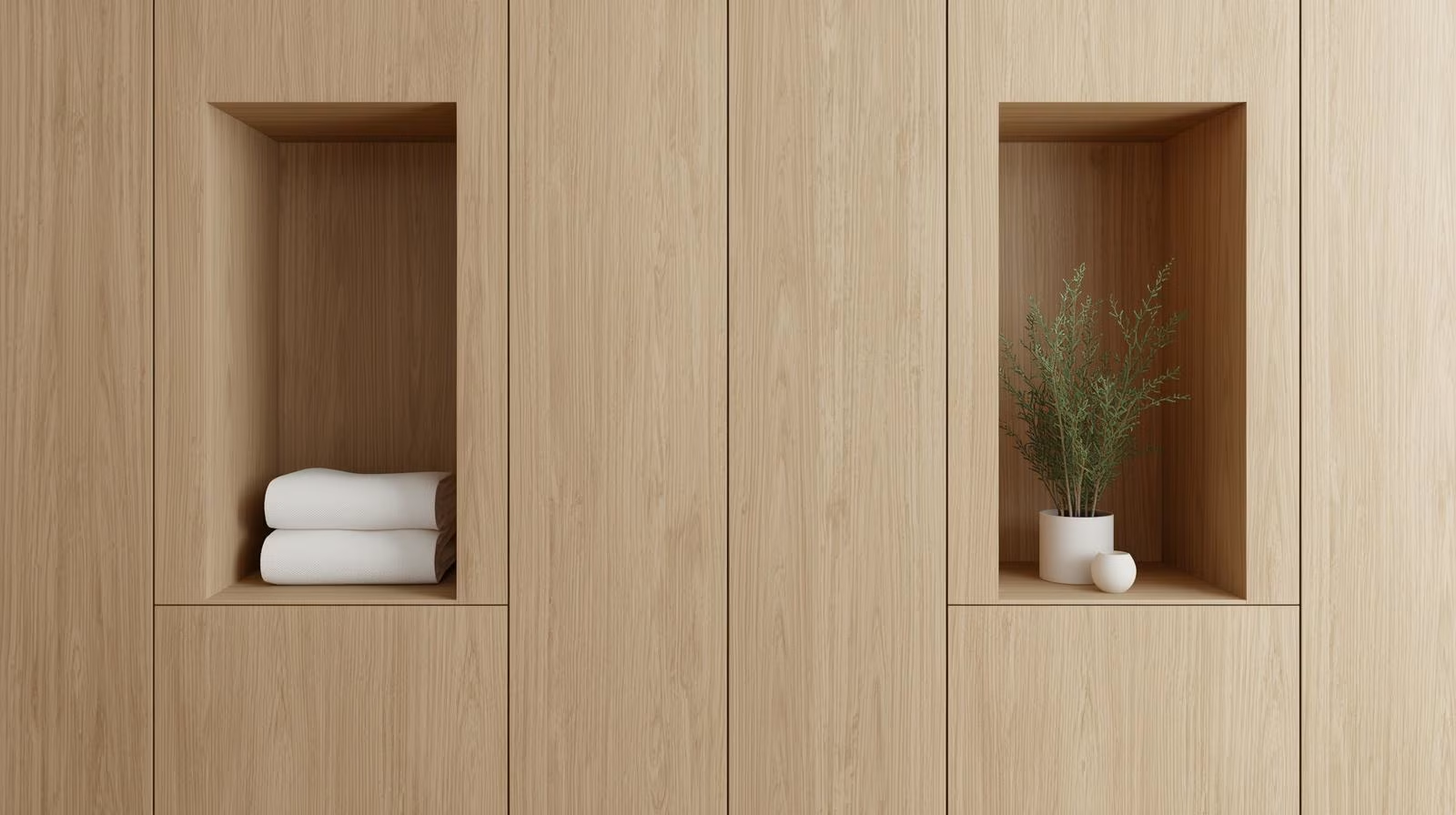
Cutting a shallow three-inch niche into the exposed side panel of a vanity creates an extra storage shelf. This niche holds small items like spare hand soaps, ambient candles, or small reading materials without protruding into the room. It turns structural wood thickness into functional holding space.
Wrap Up
Selecting the right wooden vanity requires balancing internal drawer layouts with the overall floor plan of your bathroom. Floating units open up floor space, while deep U-shaped drawers capture areas often lost to plumbing fixtures. High-quality materials like teak and white oak ensure long-term durability against moisture when sealed correctly. Focusing on vertical height and smart internal dividers creates an organized space that handles daily routines with ease.
FAQs Section
What is the best wood type for a small bathroom vanity?
Teak and white oak are excellent choices due to their tight grain structures and natural oil content, which resist moisture warp. Always ensure the wood is sealed with a water-resistant polyurethane or marine-grade finish to prevent water stains.
How do you fit a vanity drawer around bathroom plumbing pipes?
Carpenters construct U-shaped or notched drawer boxes that guide the storage frame around the P-trap and supply lines. This design maximizes the left and right sides of the drawer while avoiding interference with the plumbing mechanics.
Are open shelf vanities practical for small family bathrooms?
Open shelves work well if you use matching storage baskets to hide smaller, cluttered items from direct view. They provide quick access to towels and large bottles while keeping the overall look of the room open and airy.
Disclaimer
This content shared by Fall Rugs is solely for research and informational purposes. Fall Rugs is not a professional interior design or home renovation consultancy, and the information provided should not be considered professional advice for home improvement or decor. All ideas and suggestions are based on current trends and general knowledge in the home decor industry.