
TL;DR
Designing a bathroom in the center of a home requires smart layering of light, reflective materials, and strategic layouts to overcome the lack of natural windows. Homeowners can create a bright, cozy, and highly functional oasis by focusing on focal points, specific paint finishes, and high-quality ventilation.
Introduction
Can a landlocked room with zero windows ever feel airy and spacious? Central bathrooms often present design dilemmas because they sit deep within a home footprint, cut off from exterior walls. This guide covers how to rethink these spaces using practical design choices that maximize brightness and physical comfort. You will learn how to select fixtures, manipulate visual depth, and choose finishes that turn a dark, functional room into a favorite destination.
1. Implement Layered Lighting Systems to Replace Natural Sunlight
Relying on a single overhead bulb creates harsh shadows that make a central space feel smaller and clinical. Successful designs use a three-tiered lighting strategy that includes ambient, task, and accent sources to mimic the warmth of natural day cycles.
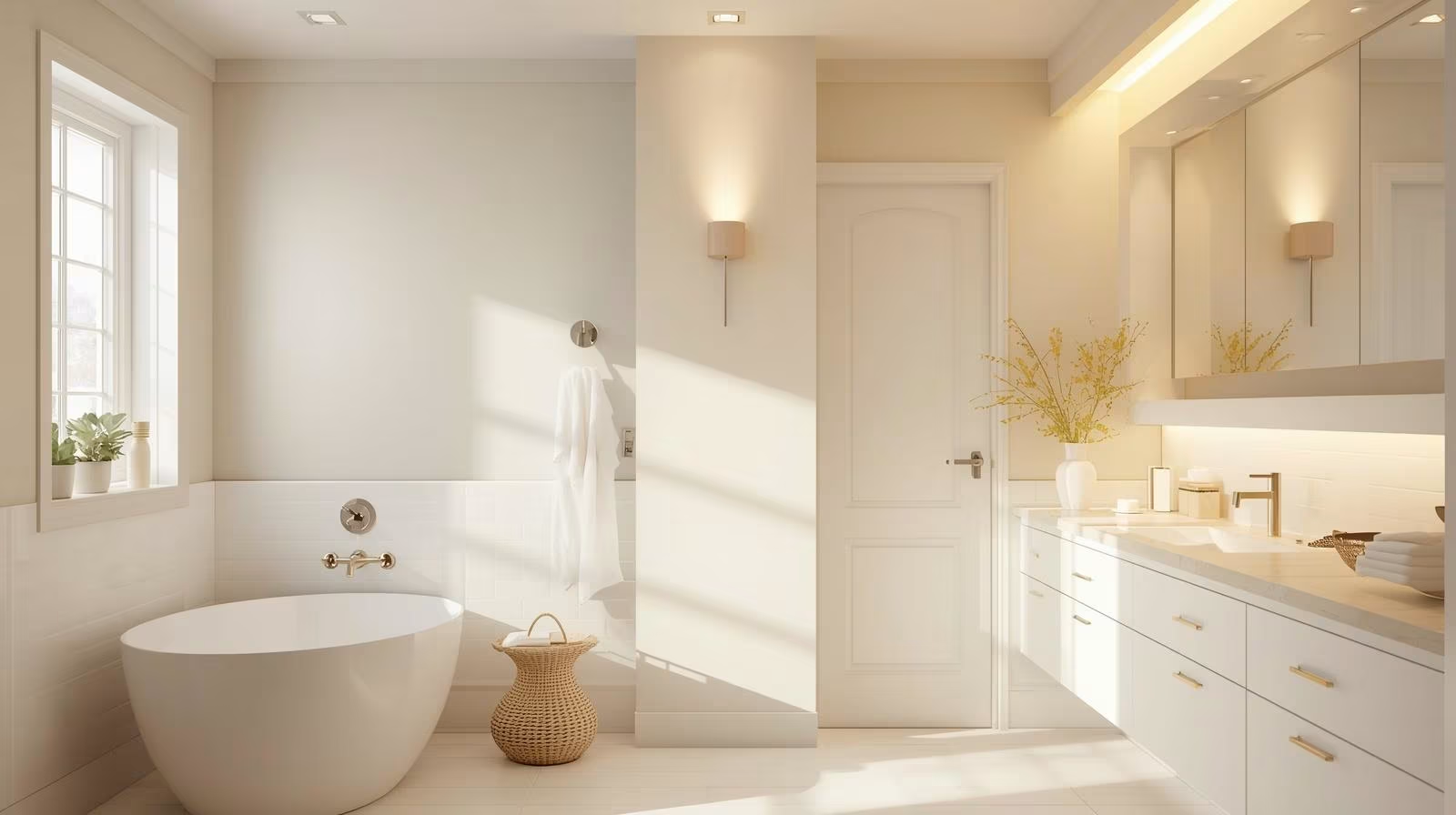
- Ambient light should come from recessed ceiling canisters spaced evenly to eliminate dark corners.
- Task lighting belongs at eye level on either side of the mirror to prevent shadows on the face during grooming.
- Accent lighting under vanities or behind mirrors adds visual depth and serves as a soft nightlight.
In 2024, a renovation project in a Chicago townhome utilized Philips Hue smart LED integration to solve the windowless gloom of a center bath. The owner installed 4000K cool white bulbs for morning routines and programmed them to shift to 2700K warm tones by evening. This simple shift in color temperature altered the room feel completely, making the space feel deeply connected to the time of day despite the lack of windows.
2. Select Highly Reflective Wall Finishes and Strategic Glazing
Dark surfaces absorb light, whereas pale, reflective materials bounce lumens across a room to generate an illusion of expansive space. Glossy tiles, large mirrors, and specific paint sheens work together to amplify whatever light is present.
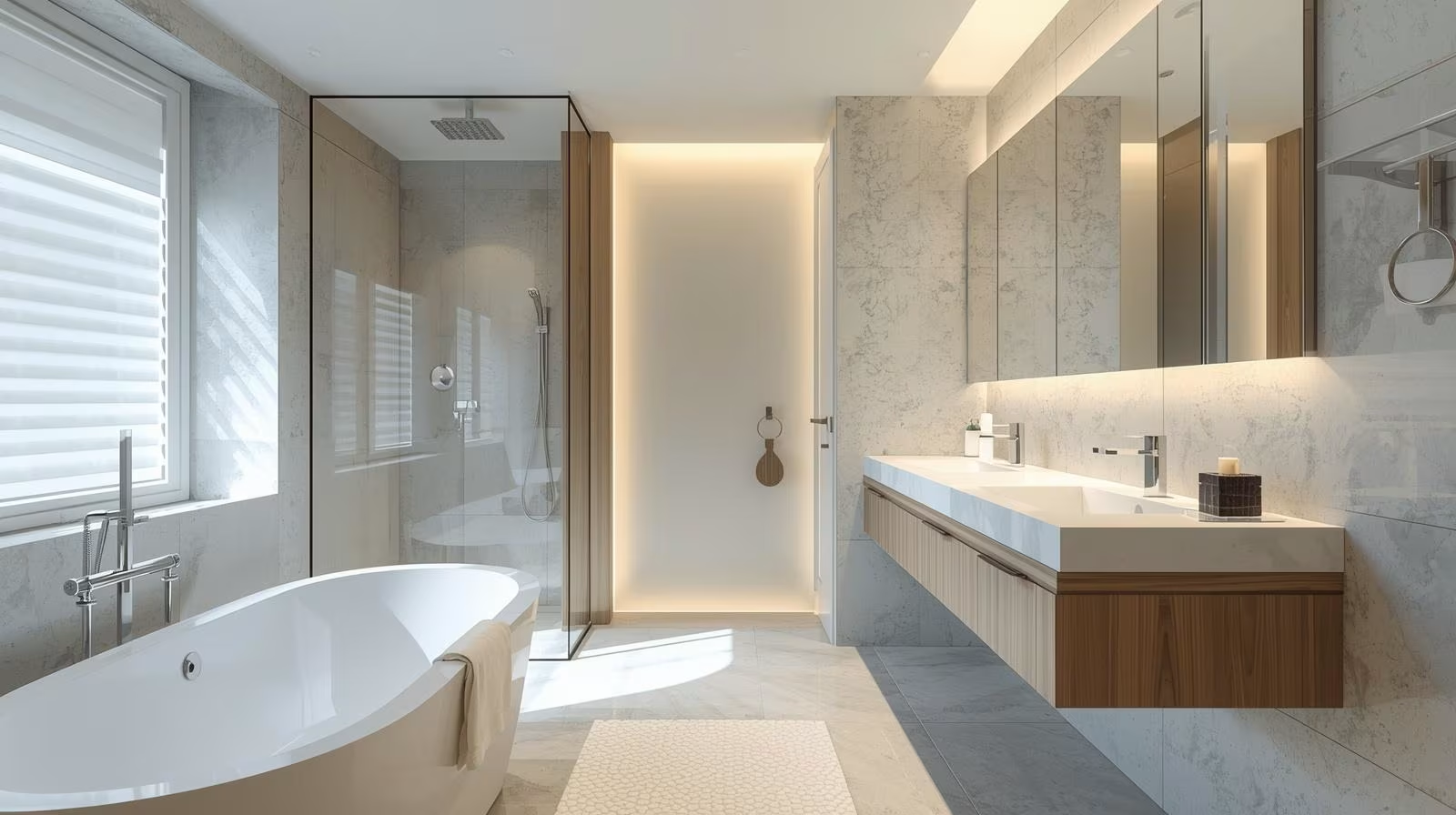
- Satin or semi-gloss paint resists moisture better than matte finishes and bounces light effectively.
- Glazed ceramic subway tiles or polished marble reflect both artificial light and hallway slivers.
- Large, frameless mirrors extending to the ceiling double the perceived visual square footage.
Interior designers frequently specify Benjamin Moore Waterborne Ceiling Paint in ultra-flat white paired with Chantilly Lace on the walls in eggshell finish for these exact layouts. For instance, a small interior bathroom in a Seattle condo gained significant visual breathing room by swapping out matte slate tiles for glossy white zellige tiles from Clé Tile. The uneven surfaces of the handmade tile caught the light at multiple angles, creating a shimmering effect that made the walls feel further away.
3. Prioritize High-Capacity Ventilation to Eliminate Trapped Humidity
Without exterior windows to open, center bathrooms suffer from stagnant air, lingering odors, and moisture buildup that threatens drywall and paint integrity. A premium ventilation system is a non-negotiable mechanical foundation for a cozy, clean environment.
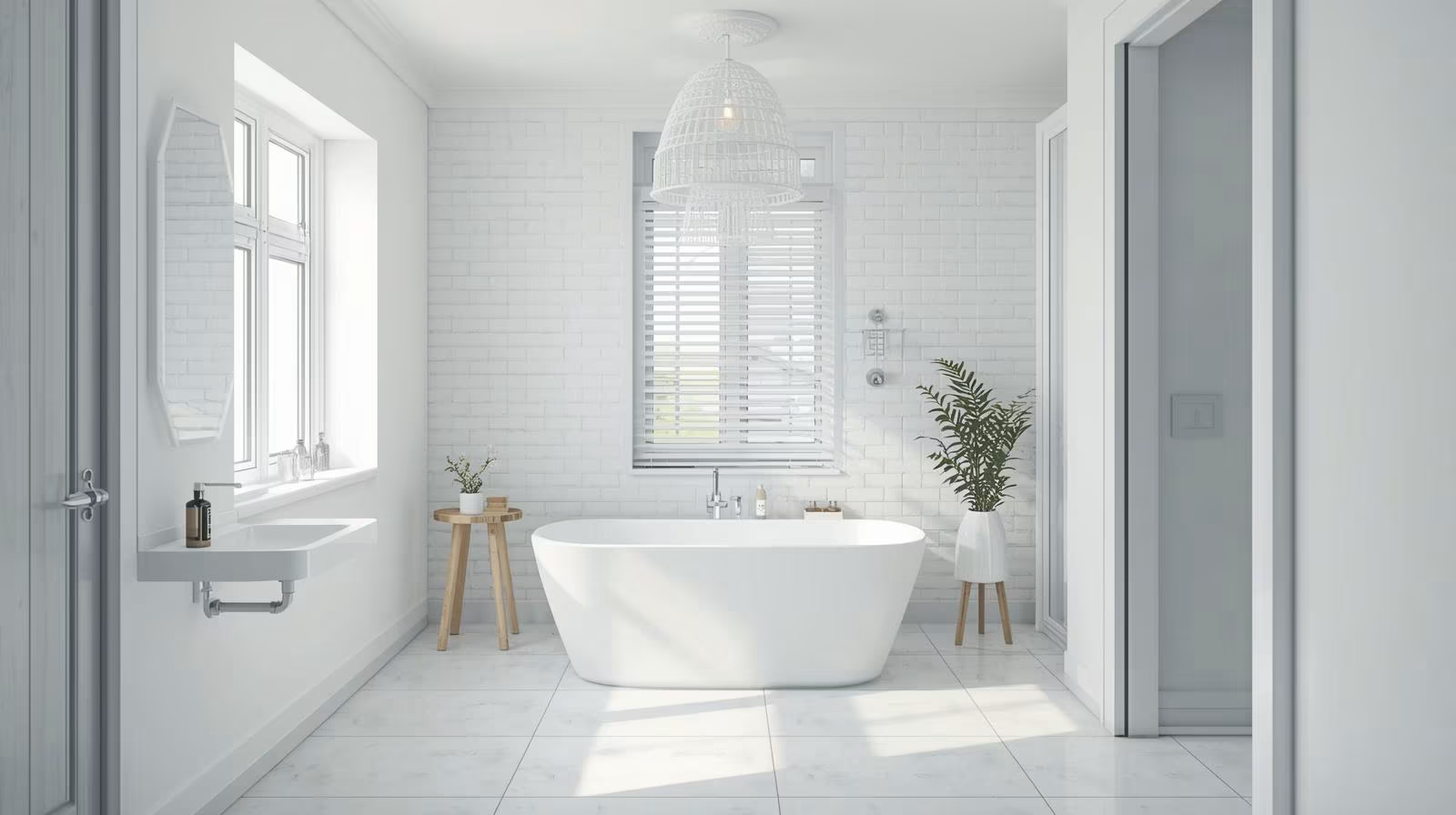
- Continuous-run fans operate at a whisper-quiet level to exchange air constantly without disrupting peace.
- Humidity-sensing switches turn fans on automatically when moisture levels rise during hot showers.
- Properly sized ducts must vent directly to the house exterior, never into an attic or crawlspace.
A common mistake is installing a cheap contractor-grade fan that sounds like a jet engine, which discourages people from using it. Homeowners who install a Panasonic WhisperGreen Select fan experience rapid clearing of mirror steam within minutes of turning off the shower. Keeping the air fresh and dry prevents the damp, heavy atmosphere that often ruins the comfort of windowless spaces.
4. Integrate Warm Natural Materials to Counteract the Cold Vibe
A bright space can easily feel sterile or institutional if it features only white porcelain and chrome. Adding organic textures introduces immediate warmth, making the bathroom feel cozy and intentional rather than an architectural afterthought.
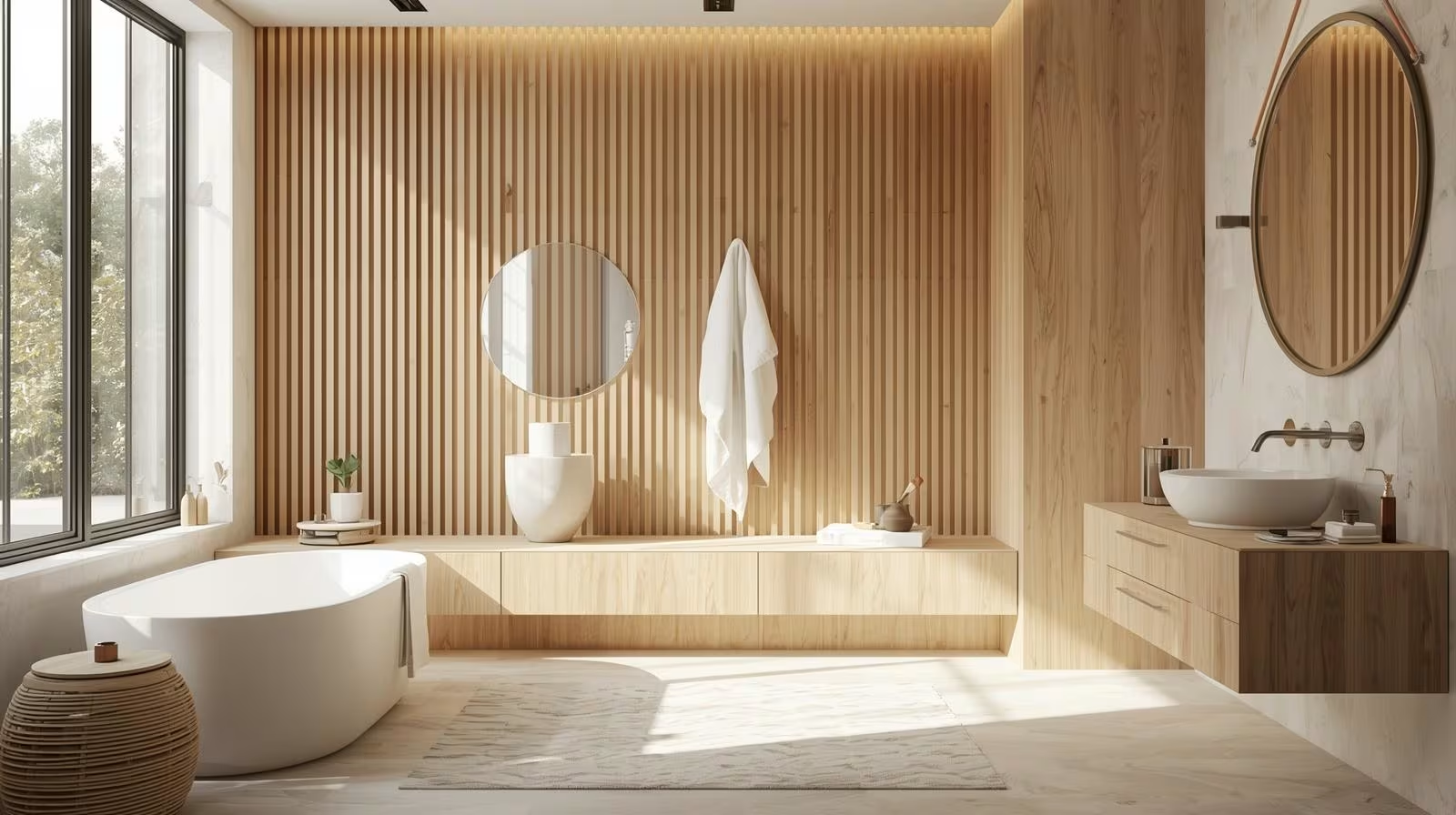
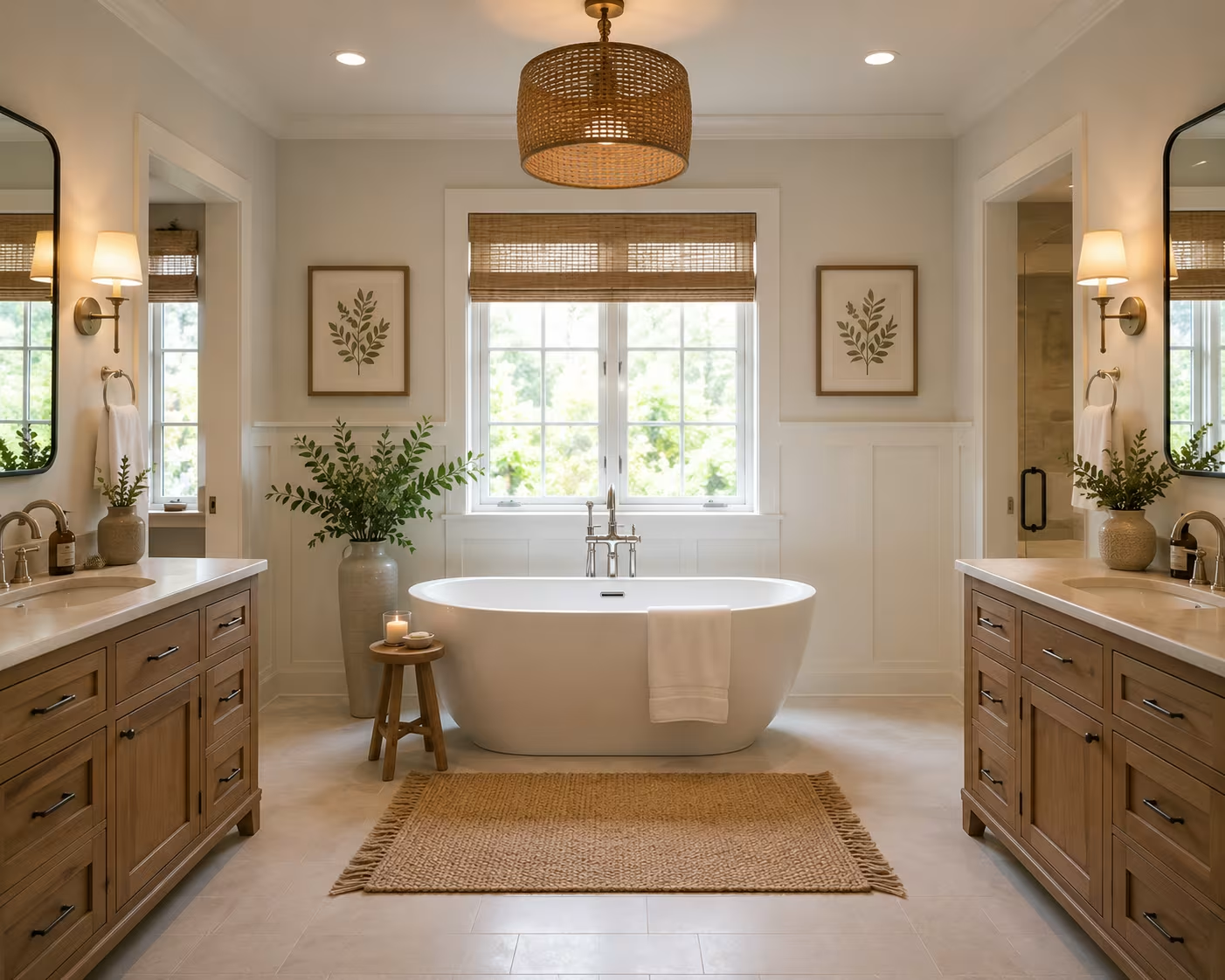
- Light wood vanities in white oak or maple ground the room with natural grain patterns.
- Woven storage baskets made of seagrass or rattan add tactile texture to open shelving units.
- Plush cotton bath rugs and linen shower curtains soften the hard edges of tile and stone.
Consider the product lines from Pottery Barn, such as their Benchwright molasses-finished vanities, which bring a rustic elegance into tight spaces. A recent remodel of an interior guest bath in Austin, Texas, combined an Ikea Godmorgon vanity in light oak with brushed brass hardware from Delta Faucet. This mix of warm wood tones and golden metal instantly offset the lack of sunlight, giving the room a high-end spa aesthetic.
5. Utilize Clear Glass Enclosures Instead of Heavy Curtains
Opaque shower curtains act as solid walls, cutting a small room in half and trapping light away from the bathing area. Switching to transparent barriers allows the eye to travel to the very back wall of the room.
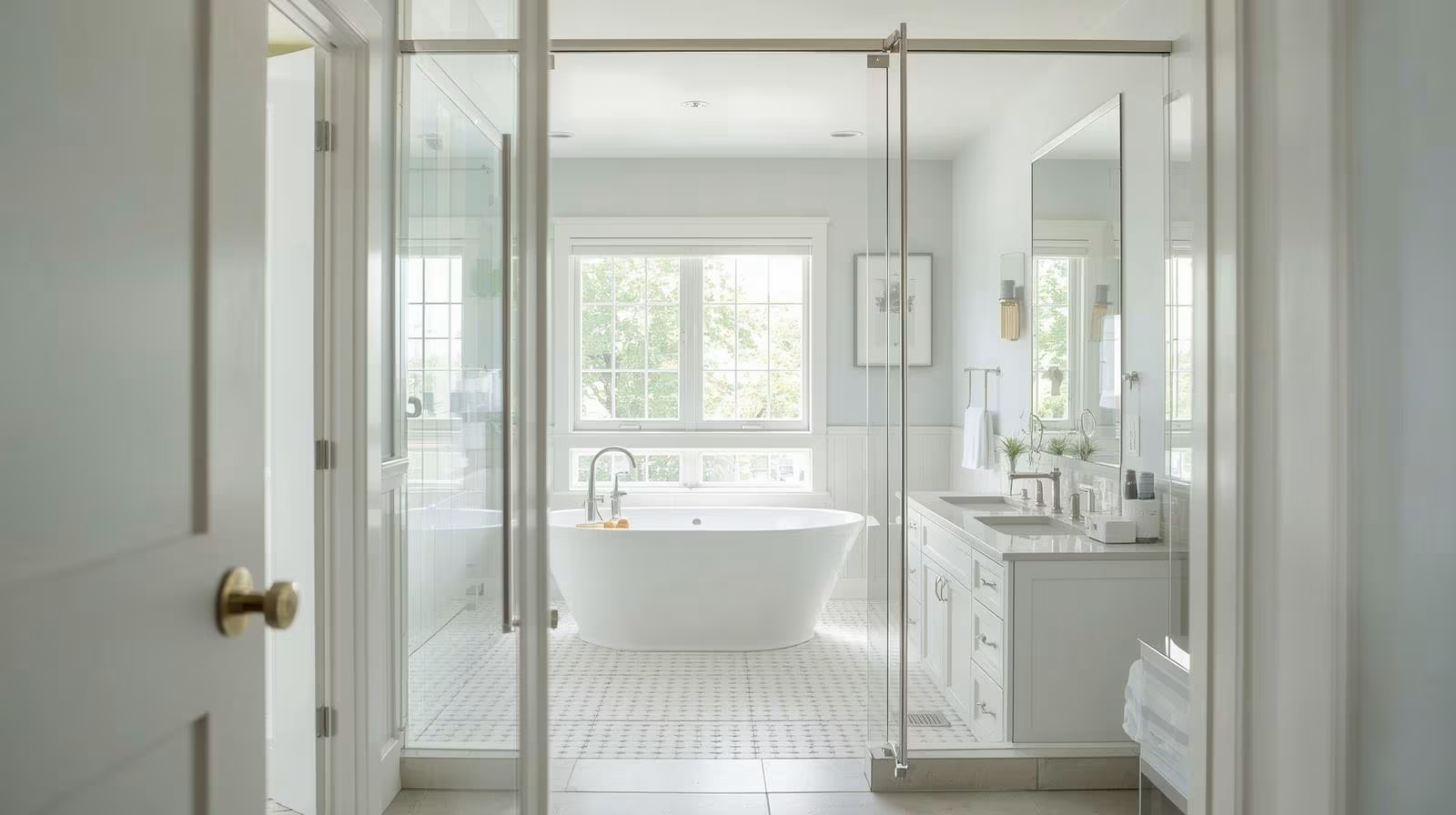
- Frameless glass doors eliminate heavy metal borders for a minimal, clean appearance.
- Low-iron glass options prevent the greenish tint that can alter color perception in the shower stall.
- Sliding or inline panels save floor space in narrow layouts compared to swinging doors.
In a compact downtown apartment, replacing a dark fabric curtain with a Kohler Levity frameless sliding shower door transformed the room layout instantly. The shower tile became visible from the doorway, which added three feet of visual depth to the floor plan. This change also allowed the light from the vanity area to illuminate the wet wall, reducing shadows significantly.
6. Introduce Artificial and Low-Light Greenery for Visual Freshness
Plants instantly signal life and outdoor connection, which breaks the psychological claustrophobia of a central home layout. Choosing the right species or high-quality replicas ensures the room stays vibrant without sunlight.
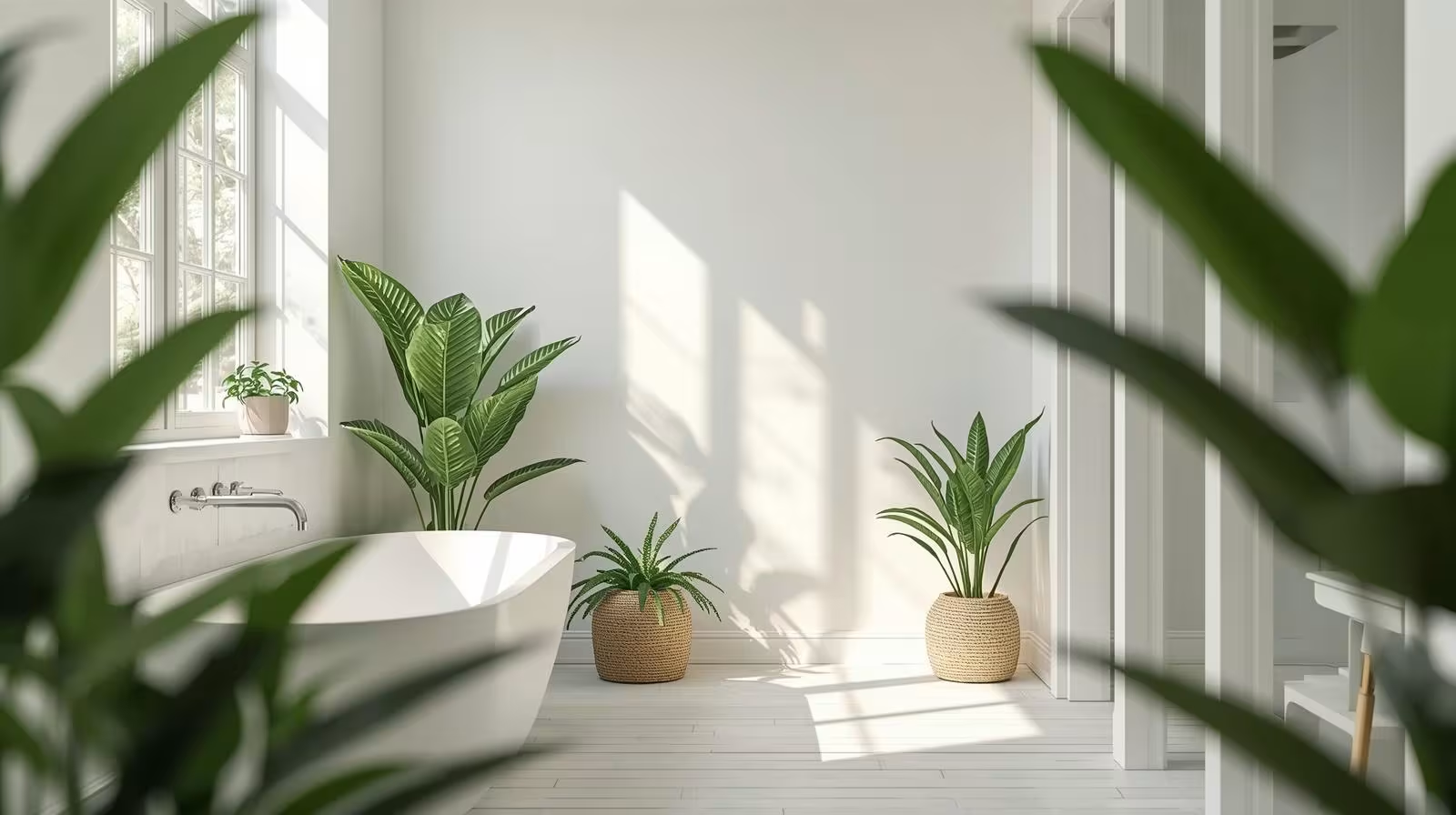
- Live plants like ZZ plants or Snake plants tolerate low-light conditions and thrive on high shower humidity.
- Faux botanical stems from brands like West Elm look remarkably realistic and require zero maintenance.
- Wall-mounted planters or hanging pots keep counter spaces clear for daily grooming essentials.
A homeowner in Denver placed a live Pothos plant on the top shelf of a storage niche in a windowless master bath. The vines cascaded down the side of the white tiled wall, creating an organic focal point that drew attention away from the lack of windows. For rooms with zero ambient light from hallways, premium faux eucalyptus stems placed in a ceramic vase provide the same soothing green contrast without risk of wilting.
7. Choose Floating Furniture Forms to Maximize Visible Floor Space
When floor tile remains visible from wall to wall, the human brain perceives the entire room as larger and more open. Bulky, floor-mounted cabinets crowd the lower sightlines and create a cramped footprint.
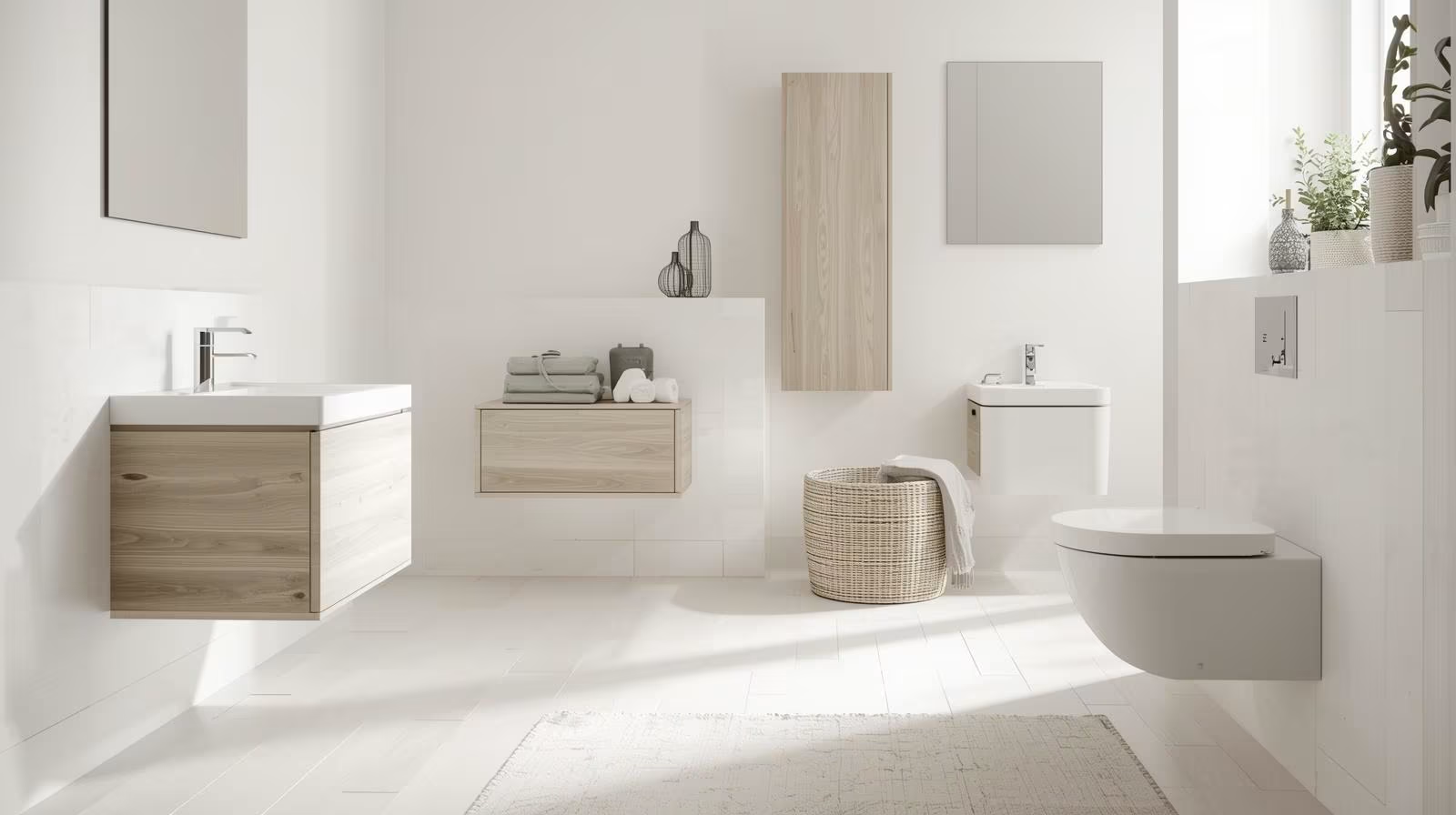
- Floating vanities expose the flooring underneath, creating an unbroken plane of view.
- Wall-hung toilets tuck the water tank inside the plumbing wall, saving precious inches of physical space.
- Open leg consoles offer a classic look while maintaining a light, airy furniture silhouette.
The Duravit Vero series features exceptional wall-mounted sink options that work beautifully in tight central half-baths. When a family in Boston renovated their central powder room, they selected a floating vanity and ran the floor tile continuously underneath it. The room felt significantly less crowded, and cleaning the floor became a much simpler task.
8. Establish a Single Bold Focal Point to Guide the Eye
An interior room benefits immensely from a clear design statement that captures attention immediately upon opening the door. This strategy shifts focus away from the missing window and toward a beautiful design choice.
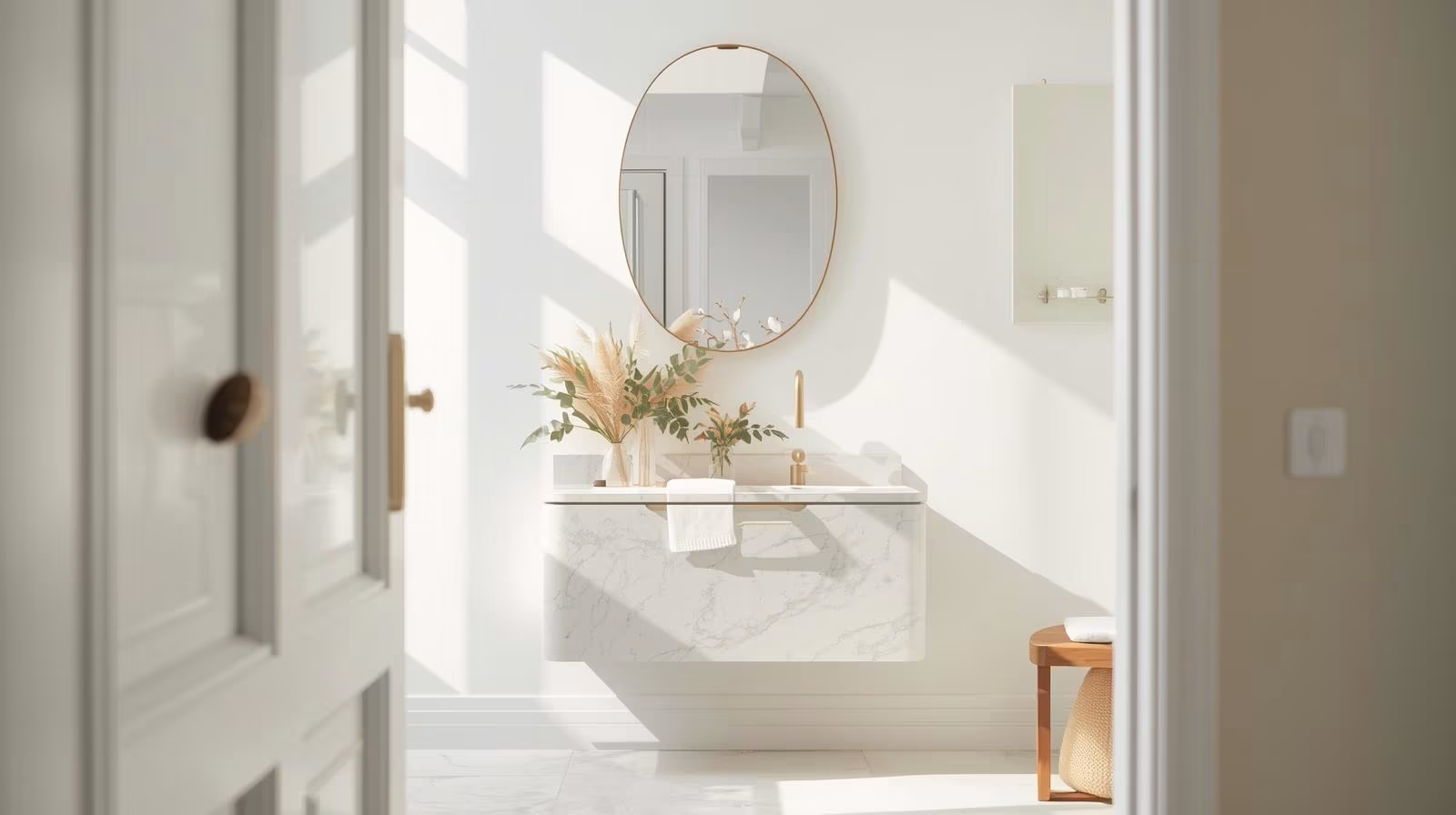
- An accent wall of patterned encaustic tile behind the vanity adds immediate personality.
- A unique, oversized pendant light or a sculptural mirror frame anchors the vanity station.
- A custom painted accent door or a piece of vibrant, moisture-sealed artwork adds character.
Using a striking washable runner rug from Ruggable can serve as an excellent floor-level focal point that draws the eye inward. In a recent suburban remodel, a designer used a deep forest green accent tile on the back wall of a central shower while keeping the rest of the room crisp white. The contrast created an inviting depth that pulled visitors into the space rather than leaving it feeling flat.
9. Maintain an Organized Minimalist Layout to Prevent Visual Clutter
Small, central spaces succumb to clutter much faster than large, windowless master suites. Every item left out on a counter creates a shadow and disrupts the clean lines that make a room feel spacious.
- Recessed medicine cabinets provide deep storage behind a flush mirror surface.
- In-wall niches inside the shower stall keep shampoos and soaps off the floor or ledge.
- Dedicated drawer organizers keep daily toiletries hidden but easily accessible during mornings.
A busy family of four optimized their shared central bath by introducing clear acrylic bins inside their vanity drawers. By assigning a specific bin to each person, counter clutter disappeared completely within a week. The resulting empty surfaces reflected light much better, keeping the overall environment calm and inviting.
10. Opt for Large Format Tiles to Reduce Distracting Grout Lines
A high density of grout lines creates a grid pattern that can feel busy and restrictive to the eye. Larger tiles minimize these visual breaks, creating a smooth surface that feels expansive.
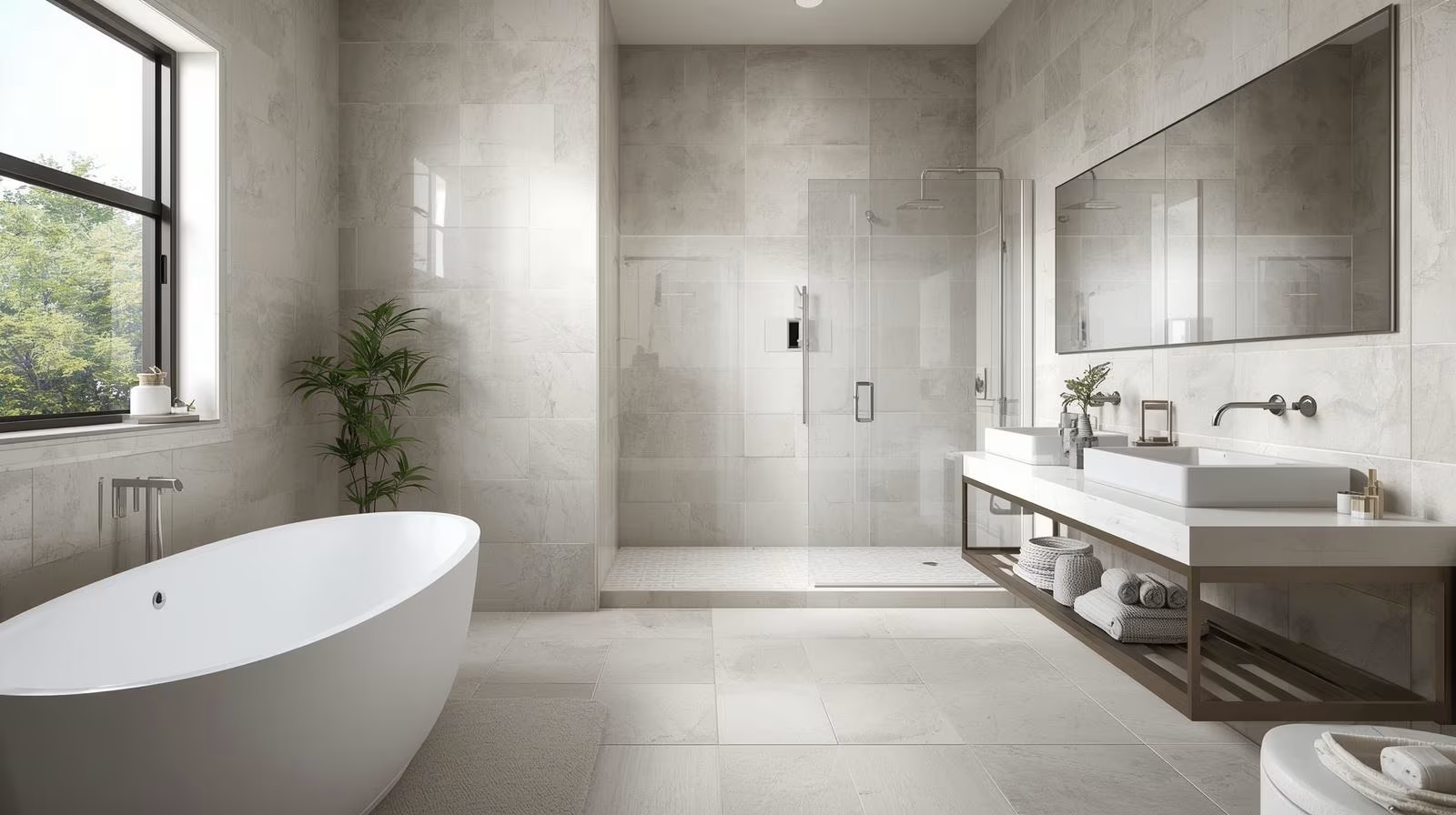
- Twelve-by-twenty-four-inch porcelain tiles work exceptionally well on both floors and shower walls.
- Selecting a grout color that matches the tile exactly makes the joints nearly invisible.
- Rectified edge tiles allow for tighter grout joints, further reducing the grid effect.
When updating an older home in Philadelphia, a tile installer replaced traditional four-inch square tiles with large-format concrete-look panels. The reduction in grout lines made the small central bathroom appear unified and sleek. The seamless transitions between the floor and walls gave the illusion of a custom luxury wet room.
Wrap Up
Transforming a central bathroom into a bright and cozy retreat relies on deliberate choices in lighting, materials, and layout. By layering illumination sources, selecting reflective surfaces, and keeping clutter at bay, you can easily overcome the limitations of a windowless floor plan. These practical updates ensure that your interior bath feels open, fresh, and perfectly integrated into the comfort of your home.
FAQs Section
How do you make a central bathroom smell fresh without windows?
Rely on a high-capacity, continuous-run ventilation fan to exchange air consistently and prevent dampness. You can also use passive scent diffusers with natural essential oils like eucalyptus or citrus to maintain a clean aroma without overpowering the small space.
What is the best paint color for a windowless interior bathroom?
Soft, reflective whites, pale grays, or light tones with warm undertones work best because they bounce artificial light efficiently. Avoid stark, cold whites which can look clinical or slightly blue under standard lightbulbs.
Can you use real plants in a bathroom that has no natural light?
Yes, tough varieties like Snake plants or ZZ plants can survive for long periods in low-light environments if they receive light from the hallway door. Alternatively, rotate them out with patio plants every few weeks or use high-quality faux greenery.
Disclaimer
This content shared by Fall Rugs is solely for research and informational purposes. Fall Rugs is not a professional interior design or home renovation consultancy, and the information provided should not be considered professional advice for home improvement or decor. All ideas and suggestions are based on current trends and general knowledge in the home decor industry.