
 fallrugs
 Table of Contents
TL;DR
Elevating indoor foliage maximizes floor space while adding organic textures to modern interiors. Successful vertical styling relies on selecting low-maintenance trailing species, using durable ceiling anchors, and matching planter materials to the existing color palette. Proper drainage management and strategic light placement prevent common maintenance issues.
Introduction
How can urban residents introduce lush greenery into tight living quarters without sacrificing valuable square footage? Utilizing vertical space with suspended vegetation offers an elegant solution that bridges structural architecture and organic design. This approach alters how light and shadow interact within a room while purifying indoor air.
Readers will discover practical methodologies for selecting resilient species, installing secure mounting hardware, and balancing visual weight across different ceiling heights.
Choosing the Right Trailing Species for Low and Bright Light
Selecting the ideal vegetation requires assessing the specific environmental conditions of an indoor space. Trailing species exhibit distinct growth patterns, light requirements, and moisture preferences that dictate their survival in elevated positions. A common error involves placing high-light succulents near ceilings where hot, stagnant air accumulates and sunlight rarely reaches.
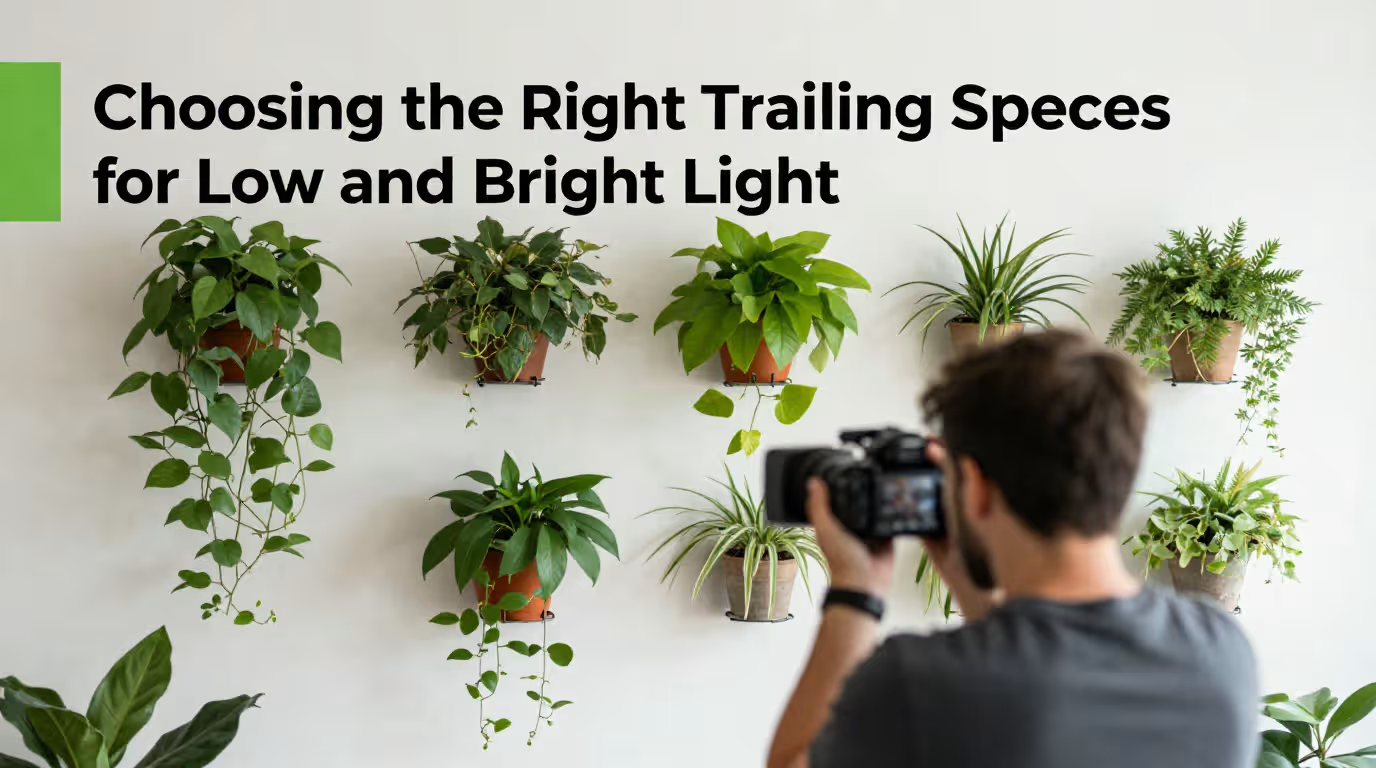
- Pothos variants thrive in dim corners and tolerate irregular watering schedules.
- Heartleaf philodendron offers rapid vine elongation with minimal fertilizer requirements.
- String of Pearls requires direct sun exposure near south-facing windows and excellent drainage.
- Boston Ferns demand high humidity levels, making them ideal for modern bathroom installations.
A residential project in Seattle during 2024 demonstrated these principles when a design team outfitted a dim, north-facing loft. The designers bypassed delicate ferns and instead installed several Golden Pothos specimens in matte black ceramic vessels. Over twelve months, the vines cascaded over five feet down the concrete walls, maintaining vibrant coloration despite the low light levels. This success highlights the importance of matching species resilience to the actual microclimate of a room.
Selecting Secure Hardware and Planter Materials
Suspended containers require reliable structural support to prevent catastrophic failures and property damage. Heavy ceramic pots paired with moist soil create significant downward force that standard drywall anchors cannot sustain over long periods. Interior spaces benefit from lightweight alternatives that mimic the appearance of heavier traditional materials.
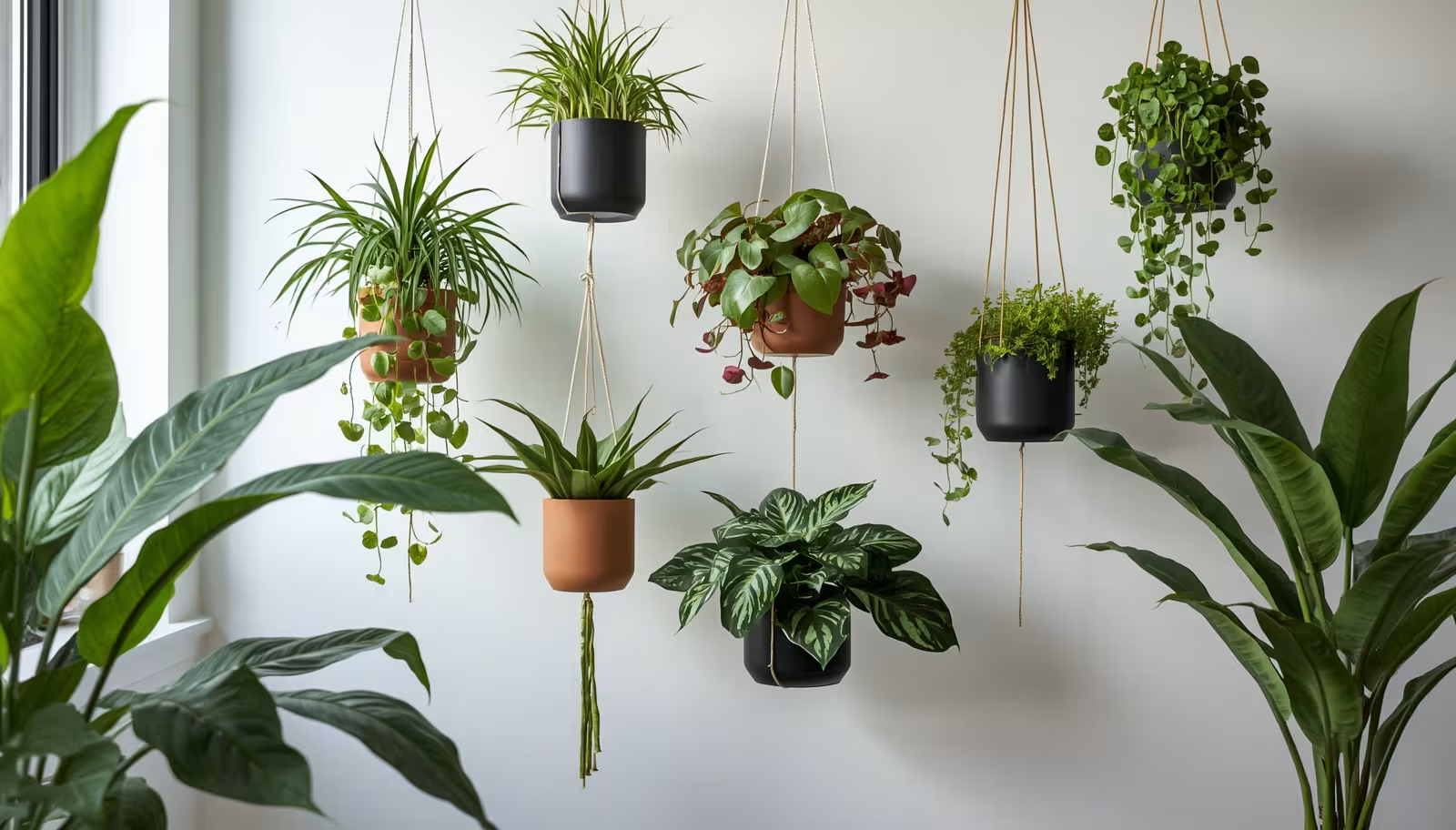
- Toggle bolts provide the necessary load distribution when anchoring directly into hollow drywall ceilings.
- Stainless steel hooks resist moisture degradation during routine plant misting sessions.
- Terracotta vessels offer excellent breathability but add substantial weight when saturated with water.
- Polypropylene composite containers deliver a minimalist aesthetic while reducing overall load requirements.
During a 2025 renovation of a mid-century modern home in Austin, decorators replaced heavy clay pots with lightweight fiberglass planters finished in a faux-stone texture. They anchored the suspension lines into solid wood ceiling joists using heavy-duty brass screw eyes. The setup safely supported massive Swiss Cheese Plants without showing any signs of structural sagging or wall cracking during seasonal humidity shifts.
Architectural Placement Strategies
Suspension heights must respect the natural traffic lanes of a home to avoid accidental contact. Hanging greenery near doorways or narrow hallways often creates physical obstructions for taller residents.
Balancing Visual Weight
Placing large, bushy specimens in small rooms can make ceilings feel lower than they actually are. Grouping smaller containers at staggered heights creates depth without overwhelming the architecture of a compact apartment.
Managing Irrigation and Drainage in Elevated Positions
Watering suspended flora introduces distinct maintenance challenges that ground-level pots do not face. Gravity causes excess moisture to pool at the lowest point of the container, which can ruin flooring or furniture below if the vessel lacks a proper catch basin. Neglecting drainage leads directly to root rot, a primary cause of indoor plant mortality.
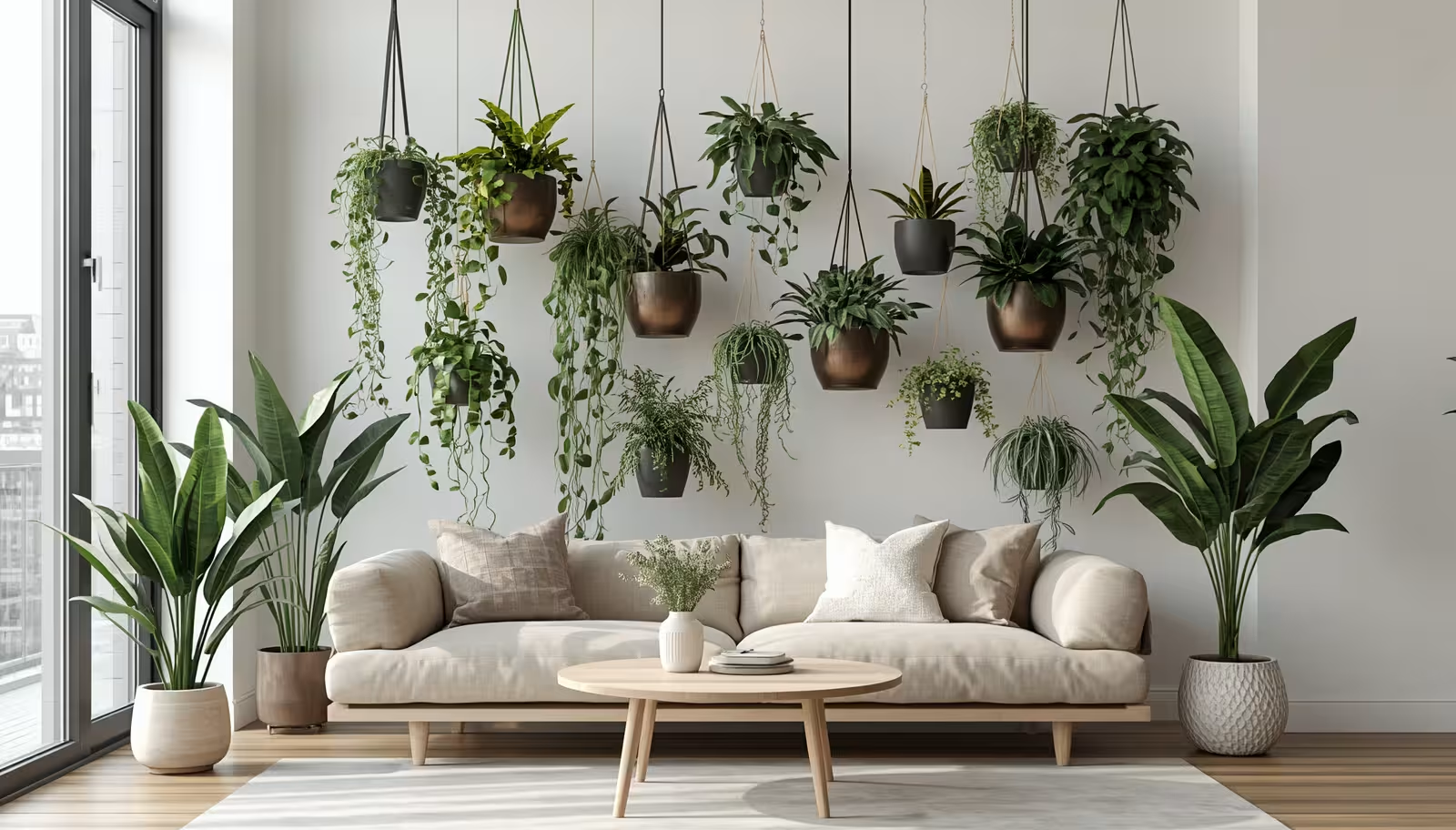
- Closed-bottom decorative caches hold inner plastic nursery pots to catch drainage water easily.
- Pulley systems allow residents to lower high vessels to counter height for deep watering.
- Long-neck watering cans reach elevated rims without requiring stools or ladders.
- Moisture meters remove guesswork by checking soil conditions near the top ceiling zone.
An editorial test conducted in a Chicago studio apartment revealed that utilizing a double-potting method saved significant maintenance time. The reviewer placed a standard ten-inch Spider Plant inside a larger, sealed white resin hanger from Pottery Barn. During weekly watering routines, the inner plastic liner was easily lifted out, carried to the kitchen sink, thoroughly saturated, and returned to the decorative hanger once dry. This simple workflow eliminated water drips on the hardwood floor below.
Integrating Greenery into Specific Modern Interior Aesthetics
Suspended vegetation should complement the existing design framework of a home rather than clash with it. Minimalist, industrial, and Scandinavian styles each require distinct approaches to container textures, rope materials, and foliage densities. The goal is to make the living elements look integrated into the architectural plan from the beginning.
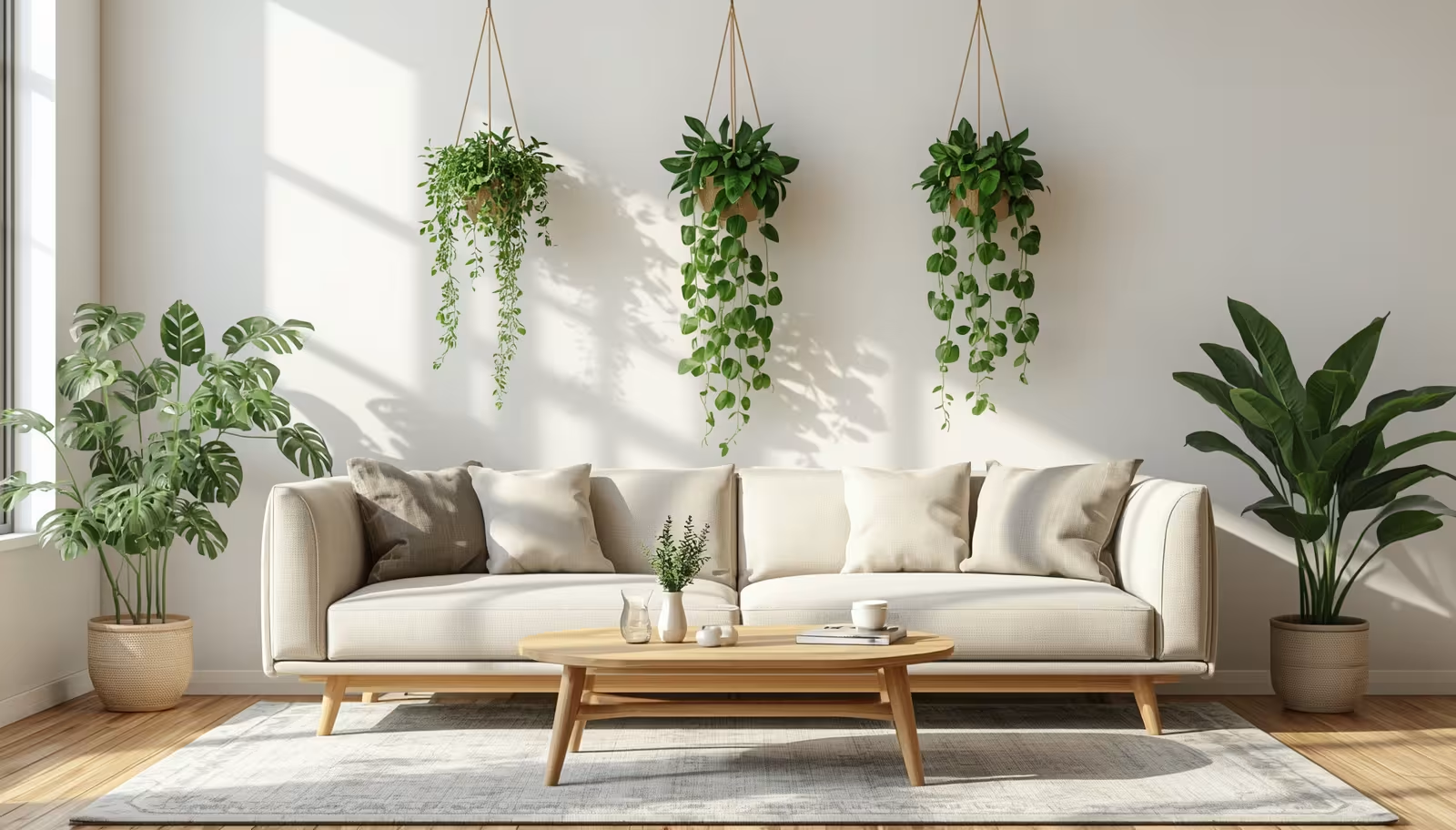
- Industrial spaces pair well with raw concrete vessels, iron chains, and structured foliage like English ivy.
- Scandinavian rooms benefit from blonde wood accents, cotton macrame cords, and soft, pale green leaves.
- Minimalist interiors demand monochromatic ceramic containers, hidden wire supports, and singular statement plants.
- Mid-century layouts embrace brass hardware, walnut wall brackets, and bold leaf patterns.
A retail showroom display in Copenhagen utilized clean, linear architecture paired with cascading greenery to soften the industrial concrete interior. The stylists suspended delicate String of Hearts plants from slim copper rods running parallel to the window frames. This arrangement allowed natural light to filter through the small, heart-shaped leaves, casting subtle geometric shadows across the showroom floor without blocking the street view.
Wrap Up
Suspending indoor flora effectively transforms empty overhead zones into vibrant, living architectural features. Success depends on choosing durable species like Pothos for low light, utilizing proper toggle bolts for safety, and executing a reliable drainage plan. By matching container materials to the room style, anyone can design an airy vertical garden that enhances daily living.
FAQs Section
How do you water hanging plants without making a mess on the floor?
Using a double-pot system allows you to take the inner plastic nursery liner to a sink for watering. Alternatively, purchasing containers with attached, deep saucers prevents excess moisture from spilling onto furniture below.
Which hanging plants are best for beginners with low light homes?
Golden Pothos and Heartleaf Philodendron are highly resilient options that handle low light and occasional underwatering. They grow quickly and resist common pests, making them ideal for novices.
How much weight can a standard drywall ceiling anchor hold safely?
A high-quality toggle bolt installed in standard drywall can support up to fifty pounds safely. Always check the manufacturer specifications of the hardware and verify the total wet weight of your planter.
Disclaimer
This content shared by Fall Rugs is solely for research and informational purposes. Fall Rugs is not a professional interior design or home renovation consultancy, and the information provided should not be considered professional advice for home improvement or decor. All ideas and suggestions are based on current trends and general knowledge in the home decor industry.