
TL;DR
07540 commercial kitchen design works best when the layout supports food flow, staff movement, sanitation, ventilation, and long-term maintenance from day one. A good plan doesn’t just place equipment; it protects service speed, safety, labor efficiency, and customer experience.
Introduction
A restaurant kitchen can look impressive on opening day and still fail during the first lunch rush. Why? The fryer may sit too far from plating, the dish pit may block servers, or the walk-in cooler may force cooks to cross wet traffic lanes all night. Commercial kitchen design solves those problems before they become daily losses.
Foodservice spaces are different from home kitchens because every inch must support production, health inspection readiness, fire safety, and staff rhythm. Restaurants, cafés, hotel kitchens, ghost kitchens, bakeries, school cafeterias, and catering kitchens all need a layout that matches the menu, labor model, and service volume. This article explains how a strong kitchen plan works, what details deserve early attention, and why design choices affect profit long after construction ends.
Why 07540 Commercial Kitchen Design Starts With the Menu
A kitchen layout begins with the food, not the floor plan. A pizza shop with a Marsal deck oven, a salad café using True refrigeration, and a bakery built around Hobart mixers need completely different production paths. The menu decides equipment, storage, prep zones, exhaust needs, plumbing points, and staff positions. Changing the menu after drawings are finished often creates expensive revisions.
Menu engineering also affects movement. A burger concept using a charbroiler, fryers, refrigerated drawers, and heat lamps needs a tight cookline where raw product, cooking, holding, and plating sit in a clean sequence. A sushi counter in New York or Los Angeles may place cold prep, rice warmers, hand sinks, and display cases closer to guest view because freshness and craft become part of the brand.
A common mistake is buying equipment before mapping the production flow. A real case from a small café buildout in northern New Jersey involved a beautiful double-door reach-in refrigerator placed across the kitchen from the sandwich station. Staff crossed the room dozens of times per hour for cheese, greens, and sauces. The fix was not glamorous: undercounter refrigeration moved below the prep rail, and the café cut wasted steps during breakfast service.
Kitchen Workflow Should Reduce Friction, Not Just Fill Space
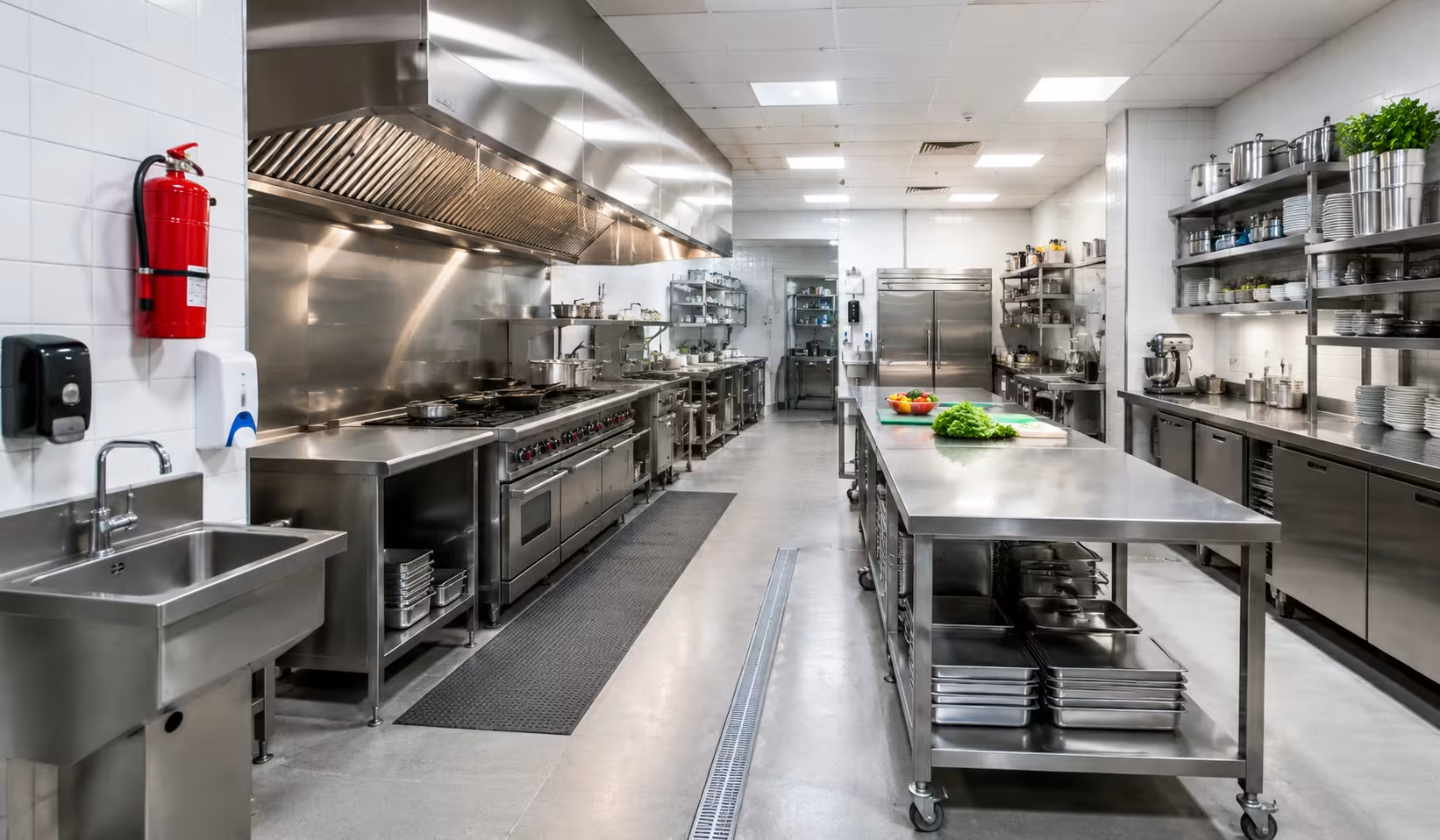
Workflow is the quiet engine of commercial kitchen planning. Food usually moves from receiving to storage, then prep, cooking, plating, service, warewashing, and waste. If dirty dishes cross clean prep areas, inspectors notice. If hot pans move through server traffic, injuries become more likely. If cooks need to turn their backs on active equipment too often, ticket times suffer.
Restaurant designers often talk about zones because zones reduce confusion. A well-planned prep zone keeps cutting boards, sinks, refrigeration, scales, and smallwares close together. A cookline keeps ranges, fryers, griddles, salamanders, and holding equipment in a sequence that follows the menu. A dish area places scraping, washing, drying, and storage where clean items can return without passing through waste-heavy space.
Brands like IKEA and Pottery Barn influence how homeowners think about storage, but commercial kitchens need a tougher logic. Metro shelving, Cambro food boxes, Vollrath pans, Rubbermaid Brute containers, and stainless worktables are chosen for cleaning, stacking, labeling, and speed. Good design accepts that staff will work under pressure. The layout should make the right movement feel natural and the wrong movement feel inconvenient.
The line between tight and cramped
A compact kitchen can be excellent. Many high-volume restaurants in Manhattan, Philadelphia, and Chicago run from narrow back-of-house spaces because every station has a defined purpose. Cramped kitchens fail when doors swing into work zones, refrigeration blocks aisles, or staff must step away from heat to reach basic tools.
Designers usually protect aisle space around cooklines, dish machines, and refrigeration because those areas create constant traffic. A few extra inches near a fryer battery can matter more than a decorative wall finish. Staff carrying sheet pans, bus tubs, or stockpots need predictable paths. A small design compromise during planning can become a daily irritation for years.
Ventilation, Fire Safety, and Codes Shape the Real Budget
Ventilation is one of the costliest and least forgiving parts of commercial kitchen design. Grease-producing equipment such as fryers, ranges, charbroilers, and griddles usually requires a Type I hood with fire suppression. Steam-heavy equipment may use different exhaust logic, but the final answer depends on local code review, equipment type, duct routing, and the fire marshal’s requirements.
NFPA 96, the International Mechanical Code, UL-listed hood systems, and Ansul-style fire suppression are common names in foodservice planning because they affect permits and inspections. A kitchen with a bargain layout can still stall if the hood cannot handle the cooking load or the roof cannot support exhaust equipment. Restaurants in older buildings often face this issue because shafts, ceiling height, and neighboring tenants limit duct paths.
Air balance deserves the same respect as exhaust. A hood that removes air without enough make-up air can pull odors through dining rooms, make exterior doors hard to open, and strain HVAC systems. In cold regions such as New Jersey, Pennsylvania, and New York, tempered make-up air can protect staff comfort during winter service. That choice costs more upfront, yet it can reduce complaints and stabilize the kitchen environment.
Grease, heat, and odor control
A fried chicken concept, a tandoor station, and a ramen kitchen create different exhaust demands. Charbroilers can produce heavy grease and smoke, while combi ovens from Rational or Unox may create steam and heat with a different hood profile. The design team has to match the equipment schedule to the mechanical plan, not guess from a generic restaurant template.
Odor control also affects neighbors. A kitchen in a mixed-use building near apartments or offices may need better discharge placement, grease management, and rooftop coordination. Local approval can become tougher if cooking odors reach patios, windows, or shared corridors. Solid planning protects the operator’s relationship with landlords and nearby businesses.
Equipment Selection Works Best Around Labor and Service Style
Equipment is often where budgets get emotional. Operators fall in love with a shiny range, a larger walk-in cooler, or a premium espresso setup from La Marzocco before checking whether staff can use it efficiently. The better question is not “What looks professional?” The better question is, “What does this menu need at peak demand with the staff we can afford?”
A fast-casual bowl concept might benefit from refrigerated prep tables, hot holding wells, rice cookers, induction burners, and a short plating rail. A fine dining kitchen might need combi ovens, lowboy refrigeration, pass-through warming cabinets, and separate pastry space. A catering operation may care more about blast chilling, sheet pan racks, transport carts, and walk-in capacity than a dramatic front-facing cookline.
Real brands matter because service and parts matter. Hobart dish machines, Traulsen refrigeration, True undercounter units, Garland ranges, Vulcan ovens, Hoshizaki ice machines, and Robot Coupe food processors are common in professional kitchens because many technicians know them. A cheaper unknown unit can work at first, then cause trouble when parts take weeks. Downtime during a weekend rush can cost more than the original savings.
Avoiding the oversized equipment trap
Oversized equipment feels safe, but it can damage workflow. A larger range may require a larger hood, more gas capacity, more heat removal, and more aisle clearance. A walk-in cooler that steals prep space can slow the kitchen even if it stores more product. The right size is tied to sales forecast, delivery schedule, menu complexity, and storage discipline.
A deli operator in a suburban strip center once upgraded to a bigger sandwich prep table but lost the landing space needed for wrapping and bagging orders. Staff started using the dish table as a backup counter, which created sanitation and speed problems. The correction was a smaller prep unit, better vertical shelving, and a dedicated packaging shelf near the pass.
Materials, Flooring, and Storage Decide How the Kitchen Ages
A commercial kitchen is cleaned hard every day. Surfaces need to survive water, grease, heat, impact, and chemicals. Stainless steel worktables, washable wall panels, sealed quarry tile, epoxy flooring, coved bases, and commercial-grade floor drains exist for a reason. They reduce hidden grime and make inspections less stressful.
Flooring is often underestimated. Quarry tile has a long history in restaurants because it handles heat and heavy traffic, though grout maintenance matters. Epoxy floors can look cleaner and reduce seams, but poor installation can lead to peeling or slippery spots. In wet zones near dish machines and prep sinks, slip resistance should never be treated as a cosmetic detail.
Storage is more than shelves. Dry goods need space away from moisture and chemicals. Smallwares need labeled homes. Cleaning supplies need separation from food zones. Walk-ins need dunnage racks so cases don’t sit on the floor. Brands like Metro, Cambro, and Winco may not feel exciting, but they support the daily order that keeps a kitchen safe and fast.
Cleanability is a design choice
A gap behind equipment becomes a grease trap. An unreachable corner becomes a pest risk. A wall finish that stains after two months makes a new kitchen feel old. Designers who have worked through health inspections pay attention to access panels, mop sink placement, splash zones, and the distance between prep surfaces and handwashing stations.
The best kitchens make cleaning part of the workflow instead of a closing-time punishment. Staff need nearby waste bins, sani buckets, towel storage, floor sinks, and clear paths for moving racks. A clean kitchen is not only about discipline. It is also about removing excuses the layout created.
Front-of-House Design Still Affects Back-of-House Performance
Commercial kitchen planning cannot ignore the dining room, pickup counter, or delivery area. A beautiful West Elm-style dining space or Pottery Barn-inspired hospitality look can lose its charm if guests see staff crowding around a confused expo station. The kitchen and guest experience meet at the pass, the pickup shelf, the bar, and the service corridor.
Takeout has changed kitchen design in American foodservice. Restaurants now plan separate shelving for DoorDash, Uber Eats, and in-house pickup because delivery drivers can disrupt dine-in service. A small pizzeria may need a heated holding cabinet near the entrance. A café may need a separate coffee pickup lane so espresso drinks don’t collide with brunch tickets.
Acoustics and visibility also matter. Open kitchens can create trust and energy, but they expose clutter, smoke, and staff stress. Designers such as Danny Meyer’s hospitality teams have long treated service flow as part of the guest experience, not a back-room issue. A kitchen that supports calm staff often creates calmer service.
Designing for future menu changes
A restaurant rarely keeps the exact same menu for five years. Seasonal items, catering, delivery, private events, and new revenue channels put pressure on the layout. Flexible prep tables, movable racks, spare outlets, extra refrigeration capacity, and smart storage zones help a kitchen adjust without major renovation.
Future-proofing has limits. A small café cannot be designed to become a full steakhouse without major infrastructure. Yet smart planning can leave room for a combi oven, add plumbing access near a future beverage station, or reserve storage for catering packaging. The strongest layouts respect today’s budget while leaving tomorrow’s operator a little breathing room.
Working With Designers, Contractors, and Inspectors
A strong 07540 commercial kitchen design process usually involves more than one professional. Foodservice consultants, architects, mechanical engineers, electricians, plumbers, hood contractors, equipment dealers, flooring installers, and local inspectors all touch the project. The owner’s job is to keep the menu, budget, timeline, and operational goals clear enough for the team to make aligned decisions.
Drawings should include equipment schedules, utility rough-ins, hood details, plumbing points, electrical loads, refrigeration needs, and finish notes. CAD plans and 3D views can help operators see station relationships before money is spent. Companies such as Sam Tell, Johnson’s Restaurant Equipment, and regional New Jersey foodservice dealers often support equipment layout and procurement because design and purchasing are closely connected.
Good project sequencing prevents expensive surprises. Hood approval, gas load, grease trap requirements, floor drains, fire suppression, ADA access, and health department comments should be discussed early. A restaurant can lose weeks if the cookline is ordered before the final mechanical review. Experienced teams ask boring questions early because boring questions protect opening day.
The owner’s role in design decisions
Owners should not disappear after sharing the menu. They know ticket flow, staffing limits, signature items, prep habits, and service pressure better than anyone. A chef may know that the garde manger station needs more cold storage than the architect expected. A bakery owner may know that sheet pan movement matters more than guest-facing décor.
The best design meetings are practical. Operators bring sample menus, peak-hour sales targets, delivery schedules, staffing assumptions, and photos of kitchens they have used. Contractors bring code knowledge and field reality. Designers bring layout discipline. Better questions create better kitchens, especially when budgets are tight.
Wrap Up
A successful commercial kitchen is a working system built around food flow, safety, cleaning, storage, ventilation, labor, and service style. The strongest designs start with the menu and then shape the space around real production, not wishful thinking.
07540 commercial kitchen design should never be treated as a simple equipment-shopping project. The layout affects permits, staff comfort, ticket speed, sanitation, energy use, and customer experience. Plan the kitchen as carefully as the brand, because the back of house decides how consistently the front of house can deliver.
FAQs Section
What is included in commercial kitchen design?
Commercial kitchen design includes layout planning, equipment placement, ventilation, plumbing, electrical needs, food storage, prep zones, dishwashing flow, flooring, lighting, and code-ready safety details. It should match the menu, staff size, service model, and expected order volume.
How much space does a commercial kitchen need?
The right size depends on the concept, menu, seating count, delivery volume, and storage needs. A compact café may work in a small back-of-house space, while a full-service restaurant, catering kitchen, or bakery needs more prep, refrigeration, dishwashing, and dry storage capacity.
Why is ventilation so important in a restaurant kitchen?
Ventilation removes heat, smoke, grease vapors, steam, and odors while supporting fire safety and staff comfort. A poor hood or weak make-up air plan can cause inspection delays, uncomfortable working conditions, odor complaints, and higher mechanical stress.
Disclaimer
This content shared by Fall Rugs is solely for research and informational purposes. Fall Rugs is not a professional interior design or home renovation consultancy, and the information provided should not be considered professional advice for home improvement or decor. All ideas and suggestions are based on current trends and general knowledge in the home decor industry.